Author: Alex Mason

  • The Death of the Manual Gearbox: What It Really Means for the Motor Trade

    The Death of the Manual Gearbox: What It Really Means for the Motor Trade

    The manual gearbox is not dead yet – but it is on life support. Walk into any mainstream car showroom in the UK today and the shift away from three-pedal driving is impossible to ignore. Models that once came exclusively with a manual option now list it as a footnote, and in several segments it has vanished entirely. For the motor trade, this is not just a curiosity – it is reshaping used car values, auction dynamics, and the skill set demanded of technicians.
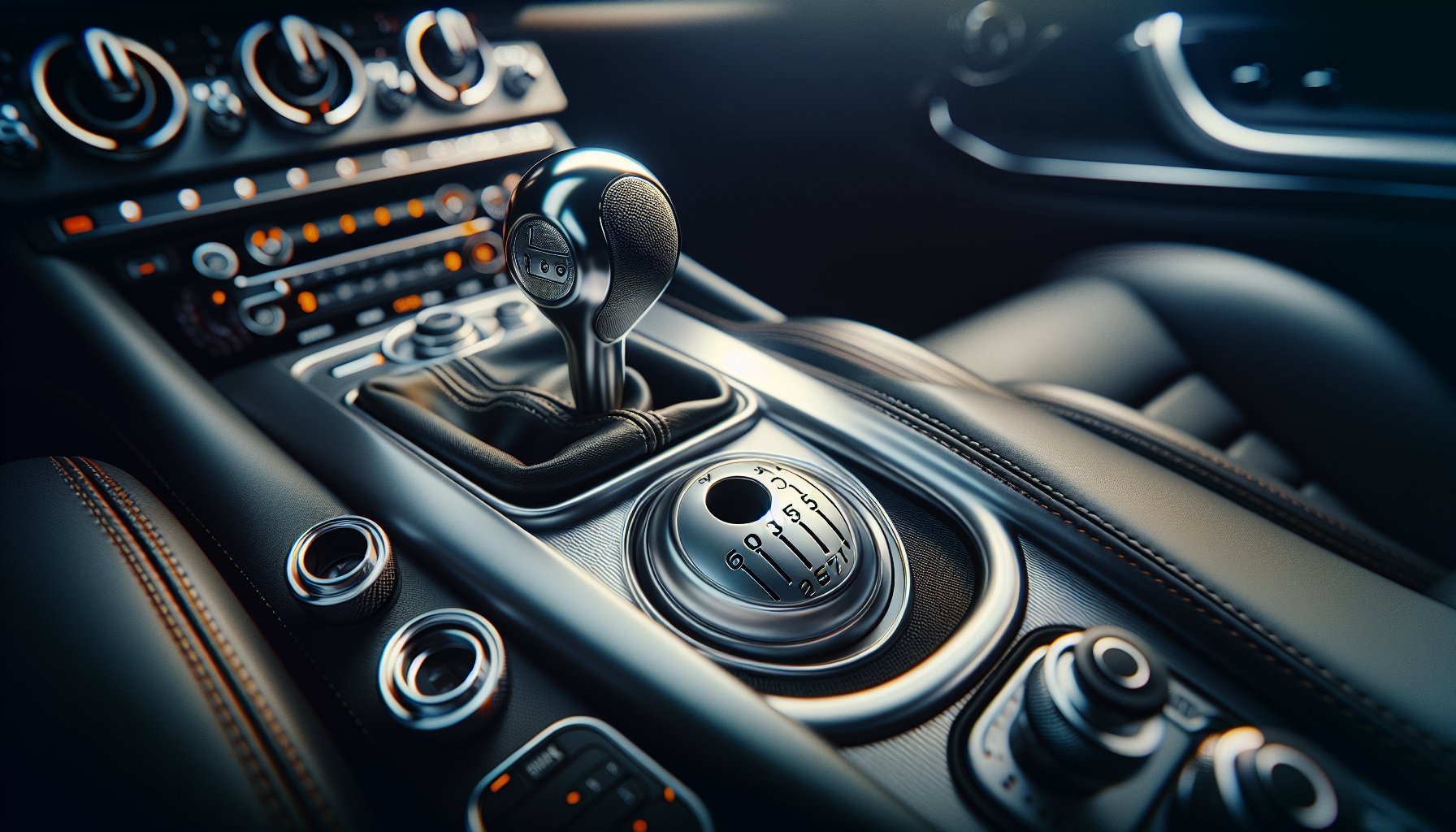
    Which New Cars Have Already Dropped the Manual Gearbox?

    The retreat is most pronounced at the premium and executive end of the market. BMW no longer offers a manual gearbox on any 5 Series or X-range model. Audi’s A6 and Q5 are automatic-only. Mercedes-Benz has effectively cleared the manual from every C-Class and above. Even Ford, a brand historically associated with driver-focused three-pedal cars, dropped the manual from the Focus ST – one of the most beloved hot hatches in the trade – citing declining take-up rates.

    The supermini and small family car segments are holding on a little longer, largely because fleet and retail buyers in that space remain cost-sensitive. The Vauxhall Corsa, Volkswagen Polo and Renault Clio still list manual variants, but the trend line is clear. As electrification accelerates, the manual transmission becomes structurally incompatible with hybrid and EV powertrains, and manufacturers are simply not investing in developing new manual units.

    Why Enthusiast Demand Is Keeping Certain Manuals Alive

    Not every manufacturer is walking away from the manual gearbox quietly. Honda made a deliberate, well-publicised decision to keep a six-speed manual available in the Civic Type R, and the response from buyers was emphatic. Toyota offers a manual in the GR86 and GR Yaris – and waiting lists for both have been substantial. Mazda has consistently championed the manual in its MX-5, treating it as a core part of the car’s identity rather than a cost option.

    What these models share is an enthusiast buyer profile. These are people who actively seek out a manual gearbox rather than simply accept it as the default. That shift in psychology matters enormously to the trade. When a manual transmission is a deliberate choice rather than the cheap option, it carries a different residual value profile – one that dealers and fleet managers have had to recalibrate around.

    Track day culture, motorsport participation at club level, and a growing number of drivers who genuinely prefer the engagement of a third pedal are propping up demand in a way that pure sales data sometimes obscures. These buyers are also typically more loyal, more informed, and less likely to haggle on price – which makes manual-specced sports cars genuinely attractive stock for specialist used dealers.

    What Is Happening to Manual Gearbox Cars at Auction?

    Auction houses have noticed a meaningful divergence in the behaviour of manual and automatic used cars over the past few years. For mainstream family cars – B-segment hatchbacks and compact SUVs – manual gearbox examples are quietly softening in value. Buyers in that market increasingly default to automatic, partly due to London’s congestion and partly driven by the prevalence of automatics in courtesy car fleets and rentals, which has normalised the experience.

    However, for performance cars and sports-oriented models, a these solutions has become a premium indicator rather than a cost-saving feature. A manual Honda Civic Type R or a manual Porsche 718 Cayman commands a premium over its PDK equivalent at the right auction. Trade buyers know this and bid accordingly. At Manheim and BCA sales, bidding on sought-after manual sports cars regularly runs 8-15% higher than on equivalent automatics in the same condition and mileage band.

    This bifurcation is creating a genuine strategic consideration for dealers. Buying a manual Ford Puma or manual Vauxhall Astra for retail stock carries more risk than it did five years ago because the buyer pool is narrowing. Buying a manual Mazda MX-5 or a three-pedal hot hatch, on the other hand, carries a scarcity premium that is only likely to grow.

    Implications for Motor Trade Skills and Workshop Business

    There is a less-discussed consequence of the these solutions decline that matters enormously to independent workshops and franchised dealers alike: the gradual erosion of manual transmission expertise. Clutch replacements, gearbox rebuilds, and the diagnostics associated with a worn selector mechanism are bread-and-butter work for many independent garages. As the parc of manual cars ages and shrinks, that revenue stream will thin out over the next decade.

    Technicians who specialise in traditional manual drivetrain work will need to transition towards dual-clutch and automatic transmission servicing – a different skill set that requires specific tooling and training. The dual-clutch gearbox in particular, now found across Volkswagen Group, Ford and many Korean models, generates its own wave of service and repair work, but the fault patterns and fluid requirements are substantially different from a conventional manual unit.

    Forward-thinking garages are already investing in dual-clutch and automatic transmission training. Those that are not may find themselves in a difficult position as the manual-heavy vehicles in their local parc age out of economic repair.

    Is the these solutions Worth Stocking?

    For trade buyers, the answer depends entirely on the segment. In performance and sports car stock, a these solutions is increasingly a positive differentiator – stock it where you can find it at a sensible buy price. In mainstream family car retail, the risk profile of a manual has shifted and buyers should price accordingly, reflecting a smaller but still present pool of prospective customers.

    The these solutions is not disappearing overnight. But the motor trade needs to treat it as a specialist item rather than a default – because that is exactly what it is becoming.

    UK car auction hall with used manual gearbox performance cars lined up for trade buyers
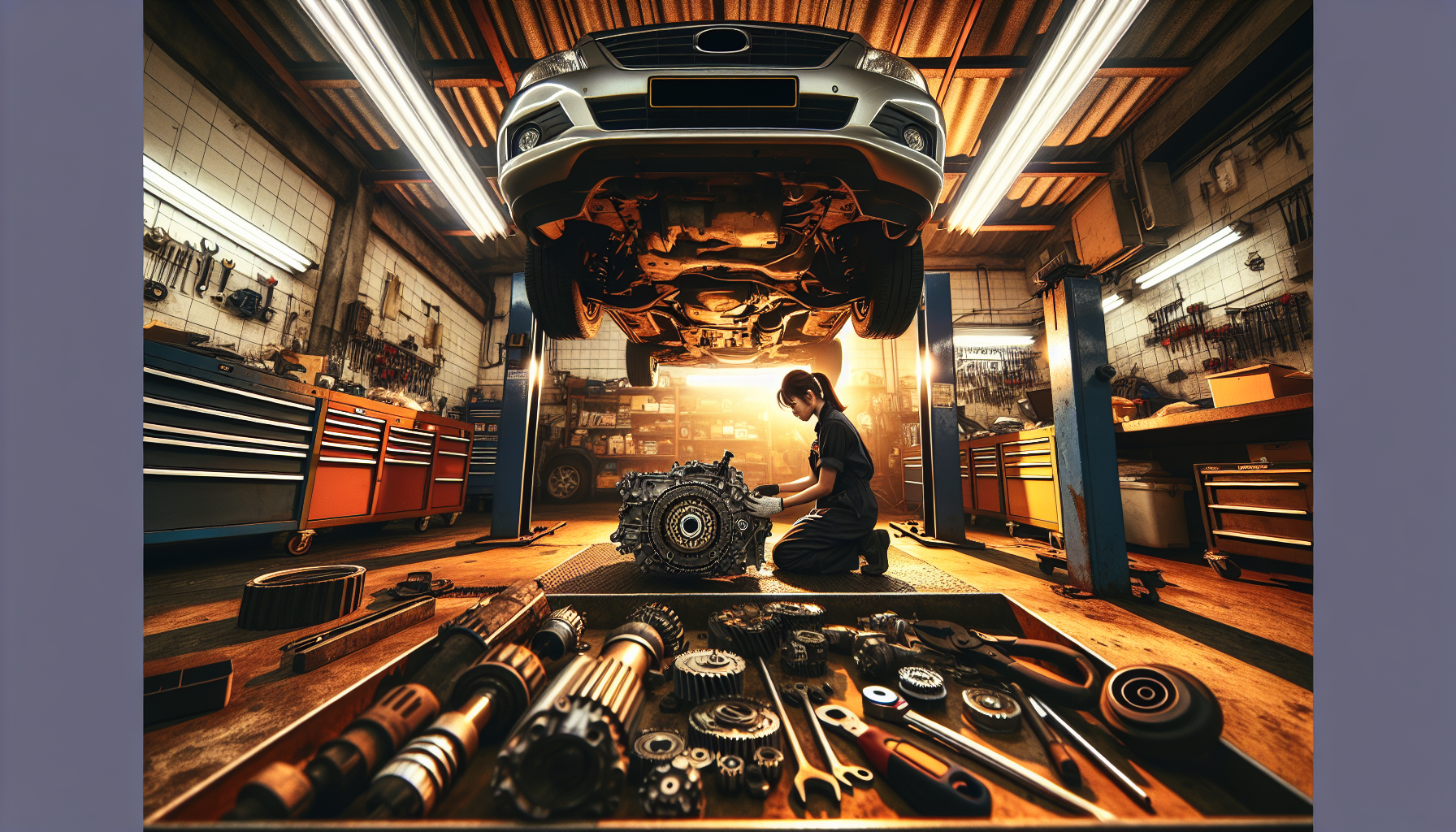
    Automotive technician inspecting a manual gearbox and clutch assembly in a professional workshop

    Manual gearbox FAQs

    Are manual gearbox cars becoming harder to buy new in the UK?

    Yes, significantly so. Most premium and executive cars have already dropped the manual option entirely, and even mainstream manufacturers are reducing manual availability as electrification makes three-pedal drivetrains structurally incompatible with hybrid and EV powertrains. Superminis and entry-level hatchbacks are among the last holdouts, but the trend is clear across the board.

    Do manual gearbox cars hold their value better than automatics?

    It depends on the type of car. In sports and performance models – think Mazda MX-5, Honda Civic Type R, or Toyota GR86 – a manual gearbox can command a meaningful premium over an automatic equivalent because enthusiast buyers specifically seek them out. In mainstream family cars and SUVs, manual examples are increasingly softening in used value as the buyer pool narrows and automatics become the expected default.

    Which new cars still offer a manual gearbox in the UK?

    As of now, models like the Mazda MX-5, Honda Civic Type R, Toyota GR Yaris, Toyota GR86, and several entry-level superminis including the Volkswagen Polo and Renault Clio still list manual gearbox options. Sports and driver-focused models are the most reliable place to find new manuals, as manufacturers in that niche treat the manual transmission as a core part of the car’s appeal.

    How does the decline of manual gearboxes affect car mechanics and workshops?

    Traditional manual transmission work – clutch replacements, gearbox rebuilds, selector repairs – will gradually diminish as the parc of manual cars ages and shrinks. Workshops will need to invest in training and tooling for dual-clutch and automatic transmission servicing to replace that revenue. The transition is not immediate, but garages that are not planning for it now risk a significant gap in their service offering over the next ten years.

    Why do enthusiasts prefer manual gearboxes even as automatics improve?

    For enthusiast drivers, a manual gearbox provides a level of direct connection and control that even the fastest dual-clutch automatic cannot replicate in feel. The physical involvement of clutch control and gear selection is considered part of the driving experience rather than an inconvenience. At track days and club motorsport events, the manual also offers more predictable, driver-controlled behaviour under hard use, which is why demand among that group remains resilient.
  • Paint Protection Film vs Wraps: Which One Is Right for Your Car?

    Paint Protection Film vs Wraps: Which One Is Right for Your Car?

    If you care about your car’s finish, the debate around paint protection film versus vinyl wraps is one worth getting your head around. Both offer genuine benefits, but they serve different purposes – and confusing the two can lead to costly mistakes. Here is a clear-headed breakdown of what separates them and which option is likely to suit your situation.

    What Is Paint Protection Film?

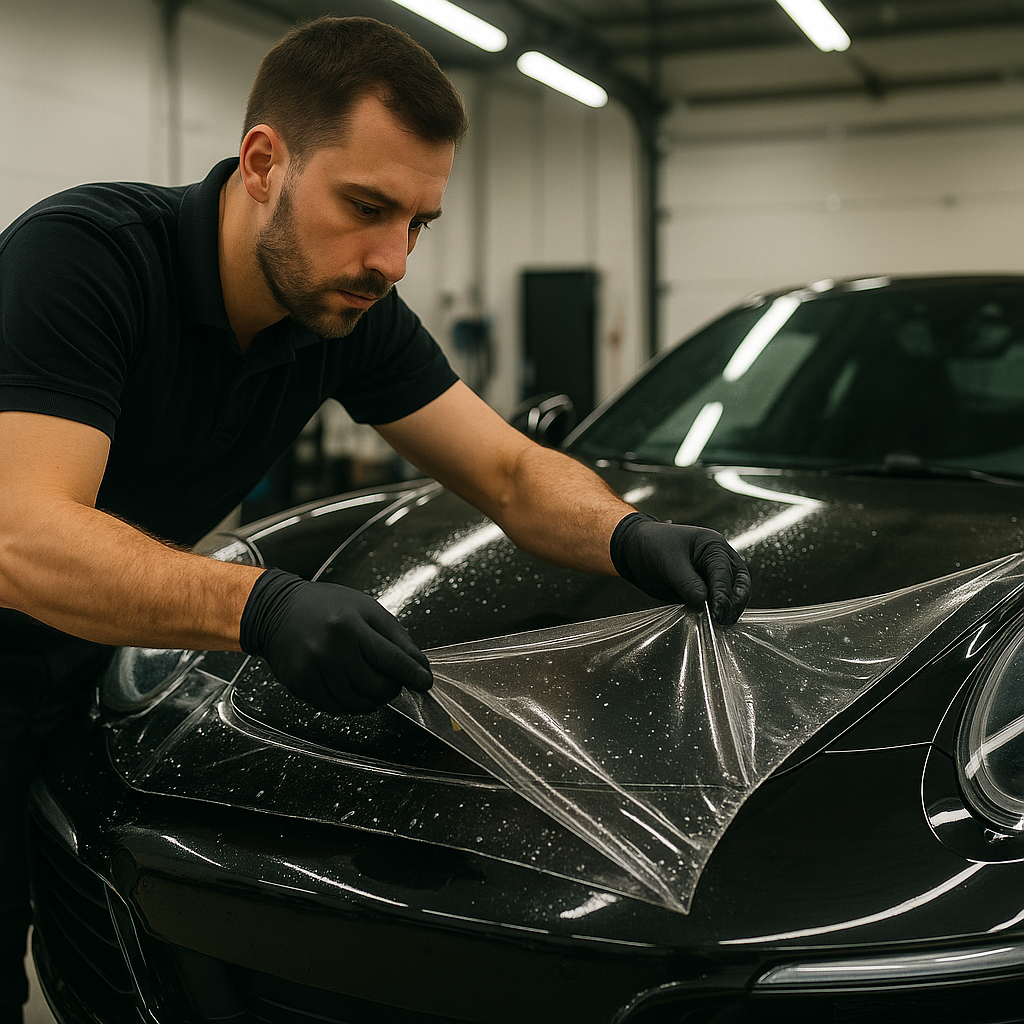
    Paint protection film – often called PPF – is a thick, optically clear thermoplastic urethane film applied directly to a car’s painted surfaces. It acts as a physical barrier against stone chips, road debris, minor abrasions, and even light scratches. High-quality PPF products also have self-healing properties, meaning shallow surface marks can disappear with heat exposure from sunlight or warm water.

    PPF is largely invisible when applied correctly. Its purpose is protection rather than transformation. If you want your car to look exactly as it left the factory – only tougher – paint protection film is the product built for that job. It is particularly popular on high-value vehicles, daily drivers used on motorways, and performance cars that see track days.

    What Do Vinyl Wraps Offer?

    A vinyl wrap is primarily a styling tool. It changes the appearance of your vehicle – swapping colour, adding finishes like satin or chrome, or applying custom graphics. Wraps do offer a degree of paint protection, but nowhere near the level of a dedicated PPF product. Vinyl is thinner and more vulnerable to chips and abrasion.

    Where wraps win is flexibility and visual impact. You can transform a car entirely and revert it back without affecting the original paintwork underneath – provided the wrap is installed and removed properly. For those wanting to personalise a lease vehicle or a daily driver without committing to a respray, wraps make obvious sense.

    Paint Protection Film vs Wraps: The Core Differences

    The distinction comes down to purpose. Paint protection film prioritises durability and protection. A vinyl wrap prioritises aesthetics and change. They are not really competing products – they solve different problems.

    Cost is another factor. PPF is typically more expensive per square metre, and a full-car application from a skilled installer can represent a significant investment. Many owners opt for a partial PPF install – covering the bonnet, front bumper, and mirrors – where stone chips cause the most damage. Wraps, particularly on smaller vehicles, can be more affordable but require careful maintenance to avoid peeling or lifting at the edges.

    Longevity also differs. A well-installed paint protection film from a reputable brand can last upwards of seven to ten years with proper care. Wraps typically have a shorter lifespan of three to six years before they begin to degrade in UV-heavy climates or suffer from edge lifting.

    Can You Combine Both?

    Interestingly, yes. A growing number of enthusiasts are applying PPF to vulnerable areas first, then wrapping over the top. This gives you the visual customisation of a wrap with the chip resistance of film beneath. It is not the cheapest route, but it is increasingly popular on builds where long-term preservation matters. When combined with quality ceramic coatings, the result is one of the most comprehensive finish protection setups currently available to road car owners.

    Making the Right Call

    If your priority is preserving your car’s factory finish and resale value, these solutions is the stronger choice. If you want a head-turning new look with some incidental protection, a vinyl wrap delivers that well. For those who want both – and have the budget – layering the two with a top coating is fast becoming the gold standard in automotive finish care.

    Either way, professional installation is non-negotiable. The quality of the film or vinyl matters far less than the skill of the person fitting it.

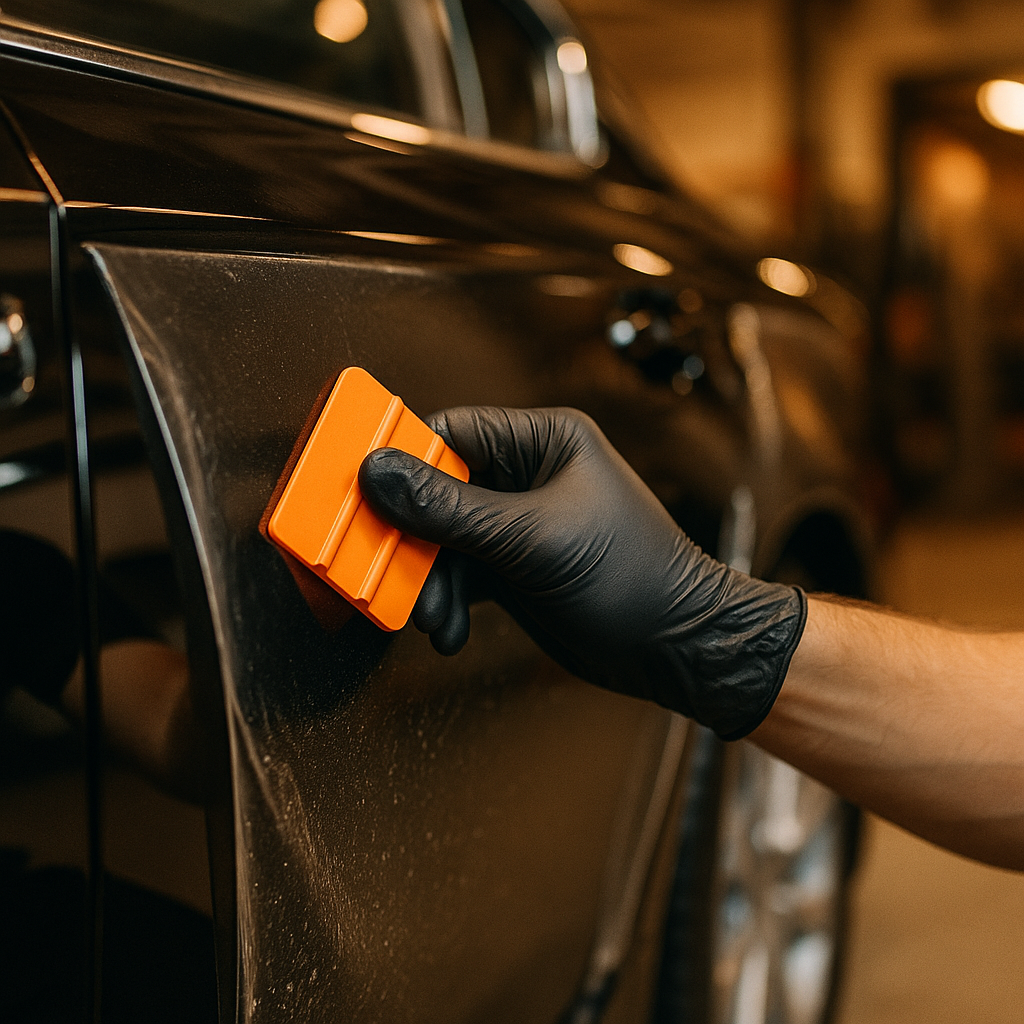
    Technician smoothing paint protection film onto a vehicle door panel in a garage
    Luxury car with flawless paint protection film finish parked in natural daylight

    Paint protection film FAQs

    How long does paint protection film last on a daily driver?

    Most high-quality paint protection film products last between seven and ten years on a daily driven vehicle when properly maintained. Factors such as UV exposure, washing frequency, and the quality of the original installation all play a role in longevity. Regular washing and an annual inspection from your installer will help maximise its lifespan.

    Does paint protection film change the appearance of your car?

    In most cases, paint protection film is virtually invisible once applied correctly. It preserves the original colour and finish of the paint beneath it. Some matte or satin PPF variants are available if you want to alter the sheen slightly, but the primary purpose of the film is protection rather than aesthetics.

    Is it better to wrap a car before or after applying paint protection film?

    If you plan to use both, paint protection film should always go on first, directly onto the paintwork. The wrap is then applied on top. This order ensures the vulnerable paint surface is shielded from chips and abrasion, while the wrap adds the desired visual finish over the top. Reversing the order defeats the purpose of the protection layer.

  • Why Ute-Style Pickups Are Dominating the UK Workhorse Market

    Why Ute-Style Pickups Are Dominating the UK Workhorse Market

    If you work in the motor trade, you will have noticed how ute-style pickups have moved from niche to normal on UK forecourts. Once the preserve of farmers and utility companies, these trucks are now everyday stock for dealers, bodyshops and independent garages handling commercial fleets and lifestyle buyers alike.

    What is driving demand for ute-style pickups?

    The surge in popularity of ute-style pickups is not an accident. It is the result of a perfect storm of practicality, tax advantages and changing customer expectations. Operators who once ran medium vans are now looking for vehicles that can tow heavy plant, carry a decent payload and still double as family transport at the weekend.

    Modern double-cab designs give car-like cabins, ISOFIX points, proper infotainment and respectable refinement, while retaining leaf springs and ladder frames where it counts. For many small businesses, one vehicle now has to do it all, and a well-specced truck ticks more boxes than a panel van ever could.

    Key advantages of ute-style pickups for UK operators

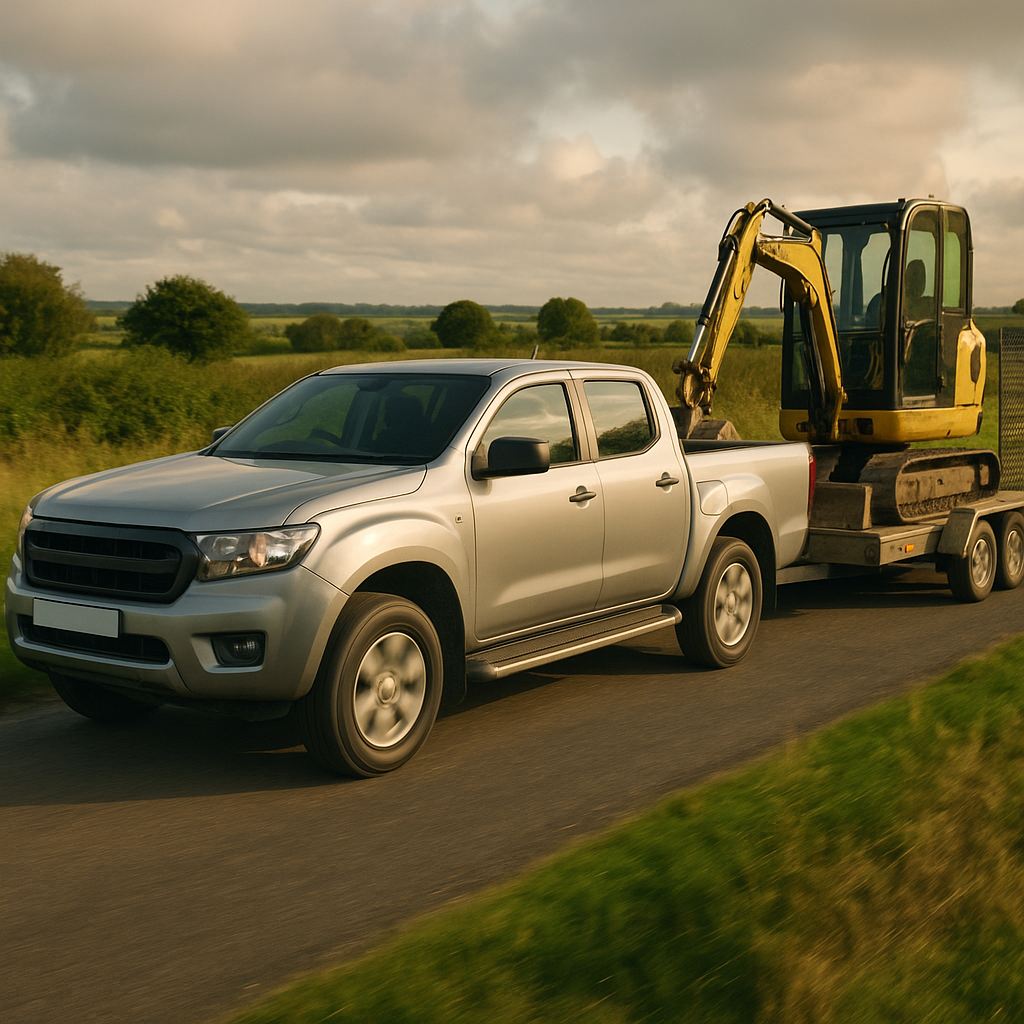
    From a workshop and sales perspective, the appeal is easy to understand. Towing capacities around 3.5 tonnes are becoming the norm, letting operators move trailers, diggers and plant without stepping up to a 7.5-tonner. Payloads regularly exceed a tonne, which keeps them within HMRC definitions that still offer attractive benefit-in-kind treatment for company drivers.

    Ground clearance and four-wheel drive make them ideal for construction sites, farms and utilities work. At the same time, manufacturers have finally understood that drivers spend long hours behind the wheel, so we see heated seats, advanced driver assistance systems and high-grade interiors that would not look out of place in a family SUV.

    How the used pickup market is evolving

    On the trade side, the used market for these trucks has become one of the most closely watched segments. Residuals remain strong for reputable models with full service history, especially where there is evidence of careful use rather than hard site work. Dealers are increasingly selective, avoiding heavily modified or overworked examples that can become comeback magnets for their workshops.

    Specialist breakers and parts suppliers have also stepped up, with strong availability of components for popular models and generations. Where fleets once feared downtime, they now know that everything from body panels to driveline components and even niche items like Toyota Hilux spares can be sourced quickly from dedicated trade partners.

    Workshop considerations when maintaining modern pickups

    For independent garages and auto electricians, these vehicles are both an opportunity and a challenge. Drivetrains are typically robust, but the mix of heavy-duty mechanicals with increasingly complex electronics means technicians need to be comfortable working on both. AdBlue systems, diesel particulate filters and advanced stability control all feature heavily, especially on newer Euro 6 models.

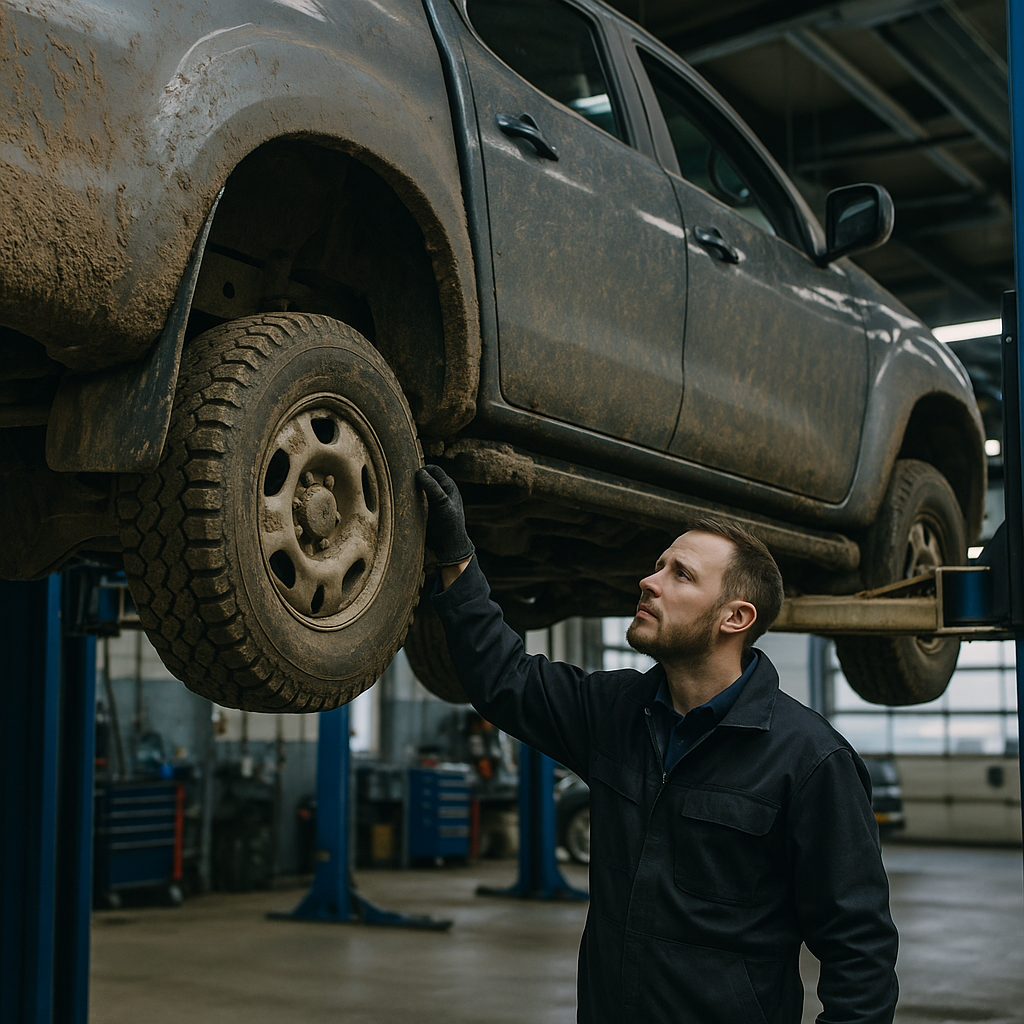
    Regular underbody inspections are critical. Trucks that spend their lives on building sites or farms will see accelerated wear on suspension bushes, steering joints and brake lines. Corrosion protection has improved, but stone chips and mud traps can still cause long-term issues if not addressed early. Smart operators are now booking in pre-winter and post-winter checks as standard practice.

    Where the market is heading next

    Looking ahead, the big story is electrification and hybridisation of pickups. While pure electric trucks are still rare in the UK, manufacturers are openly trialling plug-in hybrid drivetrains, 48-volt systems and more efficient diesel engines to keep running costs in check. Expect greater use of lightweight materials and more sophisticated driver assistance as fleets demand safer, cleaner workhorses.

    For the motor trade, that means investing in training, tooling and diagnostic capability now, rather than waiting until these vehicles become mainstream. Workshops and dealers who understand ute-style pickups inside out will be best placed to capture both fleet contracts and retail customers as the segment continues to grow.

    Whether you are selling, maintaining or refurbishing these trucks, it is clear that they are no passing fad. Ute-style pickups have become a cornerstone of the UK workhorse market, and the businesses that treat them as such will be the ones that stay ahead of the curve.

    Mechanic carrying out underbody inspection on ute-style pickups in a workshop
    Ute-style pickups towing equipment on a UK road highlighting workhorse capability

    Ute-style pickups FAQs

    Are ute-style pickups classed as cars or vans for tax in the UK?

    Most double-cab ute-style pickups that can carry a payload of at least one tonne are treated as vans for benefit-in-kind purposes in the UK. That usually means a fixed-rate benefit charge rather than the percentage-of-list-price calculation applied to cars. However, exact tax treatment can vary with specification and payload, so operators should always confirm details with their accountant or HMRC guidance before making purchasing decisions.

    Do ute-style pickups cost more to maintain than medium vans?

    Maintenance costs for ute-style pickups can be slightly higher than for many medium vans, largely due to heavier-duty suspension, larger tyres and more complex four-wheel-drive systems. However, robust drivetrains and strong parts availability help keep them manageable, especially when servicing is carried out on time and underbody components are inspected regularly if the vehicle works off-road or on construction sites.

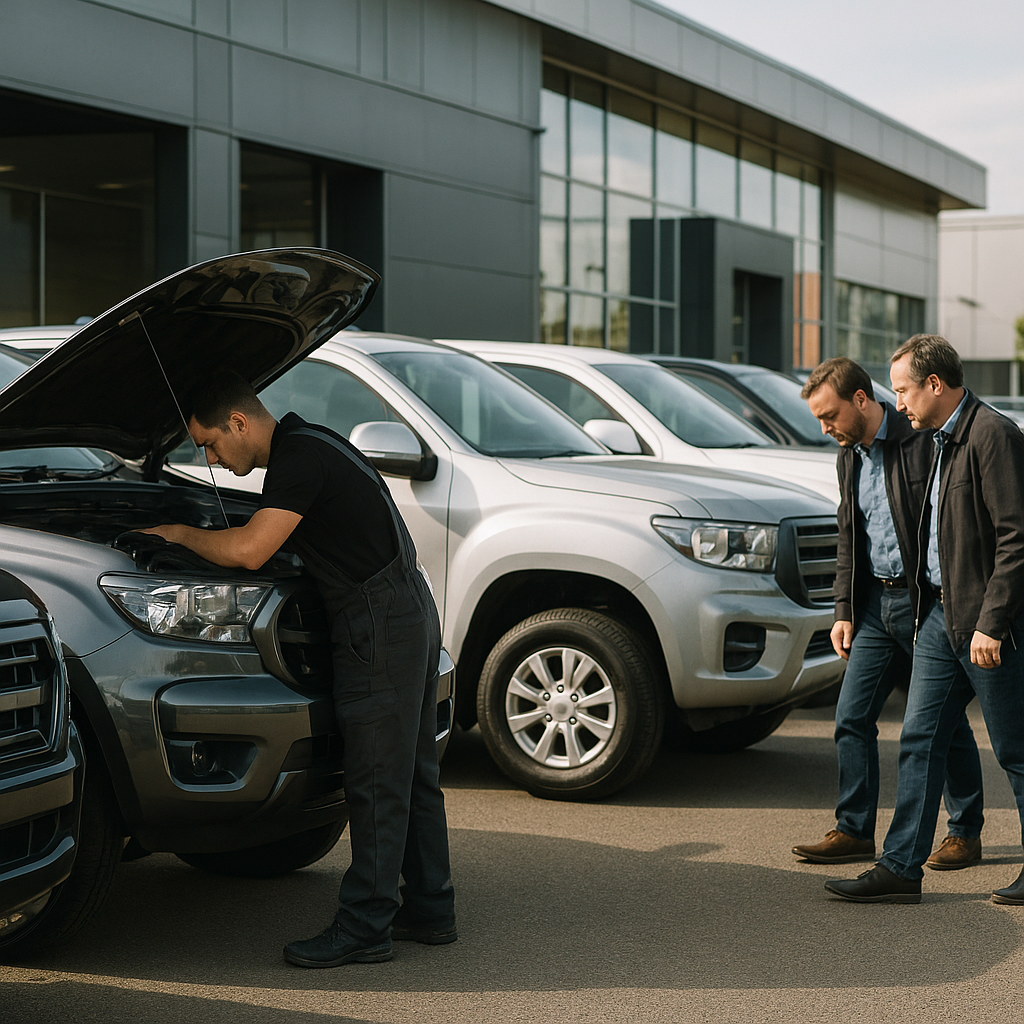
    What should traders look for when buying used ute-style pickups for stock?

    Traders should prioritise full service history, evidence of sensible use and clean underbody condition when buying used ute-style pickups. Check for signs of heavy towing, excessive off-road abuse, poorly executed modifications and corrosion around chassis, load bed and suspension mounts. Electronic systems and driver aids should be tested thoroughly, as repairs can be costly. Well-maintained examples with honest mileage typically sell quickly and hold margins better.

  • What Clean Air Zones Really Mean For Everyday Drivers

    What Clean Air Zones Really Mean For Everyday Drivers

    If you drive in or around a major UK city, you have probably already felt the impact of new emissions rules. With Clean Air Zones explained in more detail, it becomes clear that they are reshaping how motorists choose, maintain and even think about their vehicles.

    These schemes are not a niche concern for city-centre commuters any more. They affect delivery fleets, small garages, traders in older stock, and enthusiasts who run ageing diesels or performance petrols. Understanding how they work is now part of basic road sense.

    Clean Air Zones explained for UK motorists

    At their core, Clean Air Zones are areas where the local authority uses charges or restrictions to push high-emission vehicles off the road or into cleaner replacements. Most schemes use Euro emissions standards as the cut-off. Typically, that means Euro 4 or newer for petrol and Euro 6 or newer for diesel to avoid daily charges.

    Unlike a simple toll road, the rules vary by city. Some zones only target buses, HGVs and coaches, while others include vans and private cars. The result is a patchwork that confuses drivers, especially traders moving stock or delivering across several regions in one day.

    How Clean Air Zones are changing buying habits

    With more Clean Air Zones explained in the media, buyers are starting to look beyond mileage and service history. They now ask whether a car is compliant and what it will cost to drive into certain cities. This is hitting older diesels hardest, particularly family SUVs and workhorse estates that would once have sold easily.

    Traders are already adjusting their stock. There is more interest in small petrols, mild hybrids and Euro 6 compliant diesels with solid paperwork. At the same time, very old or non-compliant vehicles are drifting towards rural buyers, export, or the breaker’s yard. Residual values are starting to split along emissions lines, and that will only sharpen as more zones go live.

    Impact on garages, MOT stations and specialists

    Workshops are feeling the shift as well. Non-compliant cars are often run on a tighter budget, with owners weighing up every repair against the risk of future charges or bans. Some will scrap earlier rather than invest in big-ticket jobs like DPF replacements or timing belt kits.

    On the flip side, there is growing demand for accurate emissions diagnostics, DPF cleaning, and advice on whether a vehicle is likely to pass local rules. Garages that can talk customers through Clean Air Zones explained in plain English, and back it up with a proper emissions test and printout, are winning trust and repeat business.

    Scrappage schemes, 4x4s and the future of older metal

    Local scrappage schemes have added another twist. Some drivers are being paid to retire otherwise serviceable vehicles, especially larger 4x4s and older diesels. That is tightening supply of clean, rust-free examples and creating a two-tier market: cherished, compliant cars rising in value, and everything else being run into the ground or stripped for parts.

    Owners of specific models, such as older Mitsubishi 4x4s, need targeted advice on how scrappage and emissions rules interact with their vehicles. A good starting point is this detailed guide on ULEZ scrappage and what it means for certain models.

    Practical steps drivers can take now

    With so many Clean Air Zones explained differently from city to city, the first step is to check your registration on the relevant council or government site before you travel. Do not assume that because you are fine in one city, you are fine in all of them.

    Next, keep on top of basic maintenance. A healthy engine, clean intake and correctly functioning emissions system stand a better chance of staying compliant for longer. Regular oil changes, proper spec low-ash oil for DPF-equipped diesels, and fixing warning lights promptly all help.

    Finally, if you are changing vehicles, think ahead. Look at where you drive now and where you might drive in a few years. Ask the seller to show you the Euro standard, V5 details and any evidence of emissions-related work. In a market where regulations move faster than most people change cars, doing your homework is now just as important as kicking the tyres.

    Mechanic advising a customer in a workshop with diagnostic tools, showing Clean Air Zones explained through practical emissions checks.
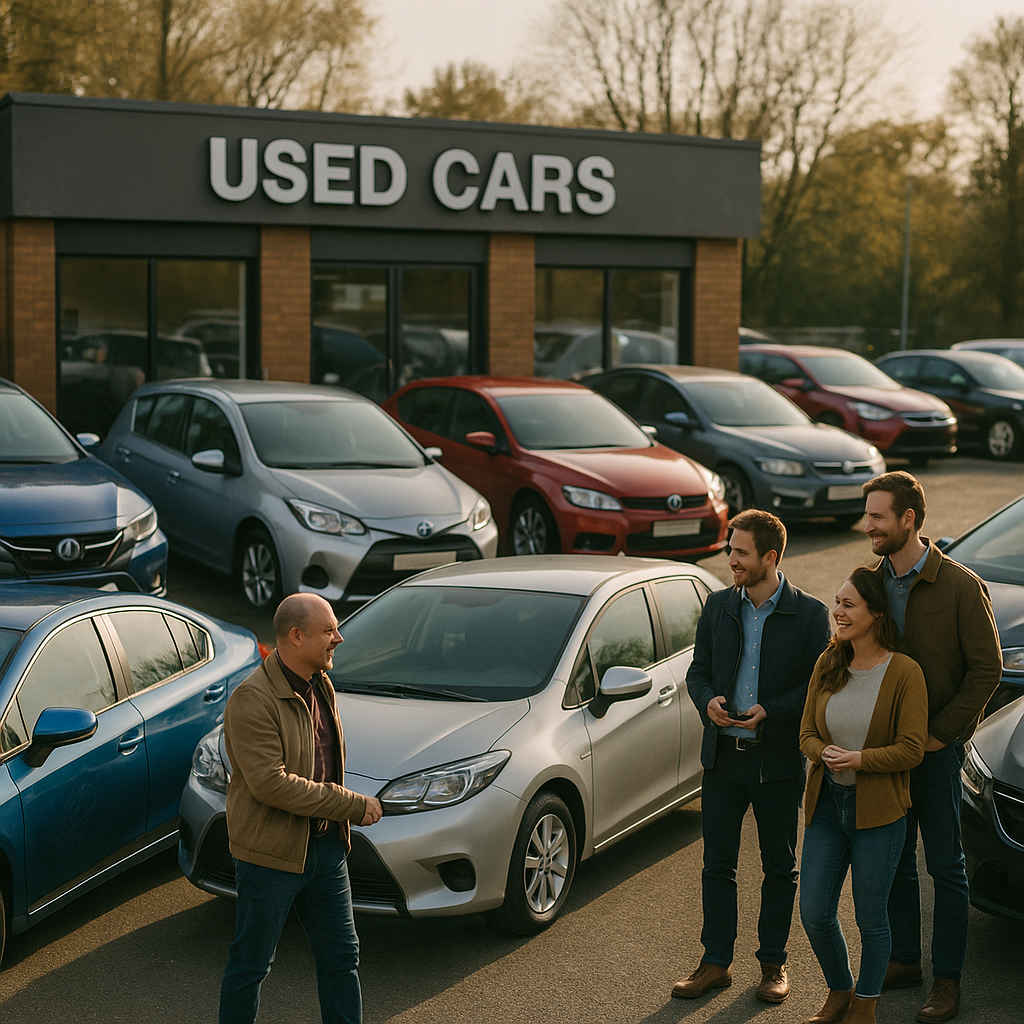
    Used car forecourt where buyers discuss vehicle choices, with Clean Air Zones explained influencing which models they consider.

    Clean Air Zones explained FAQs

    How do I know if my car will be charged in a Clean Air Zone?

    Most UK schemes provide an online checker where you can enter your registration number to see if your vehicle is compliant. These tools usually base their answer on Euro emissions standards recorded against your number plate. Always check the specific city you plan to visit, as rules and classes of vehicle covered can differ between locations.

    Are petrol cars affected as much as diesels?

    In most cases, older diesels are hit hardest because they tend to produce more NOx and particulates. Many zones set a stricter cut-off for diesel, often requiring Euro 6 to avoid charges, while petrol cars may be allowed from Euro 4 upwards. That said, very old petrol vehicles can still be affected, so it is important not to assume that any petrol is automatically safe.

    Can regular servicing help my car stay compliant?

    Good maintenance will not change the official Euro standard of your vehicle, but it can keep emissions equipment working properly and avoid unnecessary failures. Regular oil and filter changes, the correct grade of low-ash oil for DPF-equipped diesels, prompt repair of engine management faults and keeping the exhaust system in good order all help keep emissions as low as the vehicle was designed to produce.