
There are few things more frustrating in a busy workshop than a customer pulling in with a warning light, you plug in your diagnostic tool, and there’s nothing there. The code cleared itself sometime between the customer’s driveway and your ramp. Sound familiar? Self-clearing fault codes are quietly eating into billable hours across UK garages, and the problem is getting worse as modern vehicles carry more and more CANBUS-controlled systems. I’ve spoken to technicians who’ve spent the better part of an afternoon chasing a fault that was never going to reproduce, and that’s time nobody gets back.
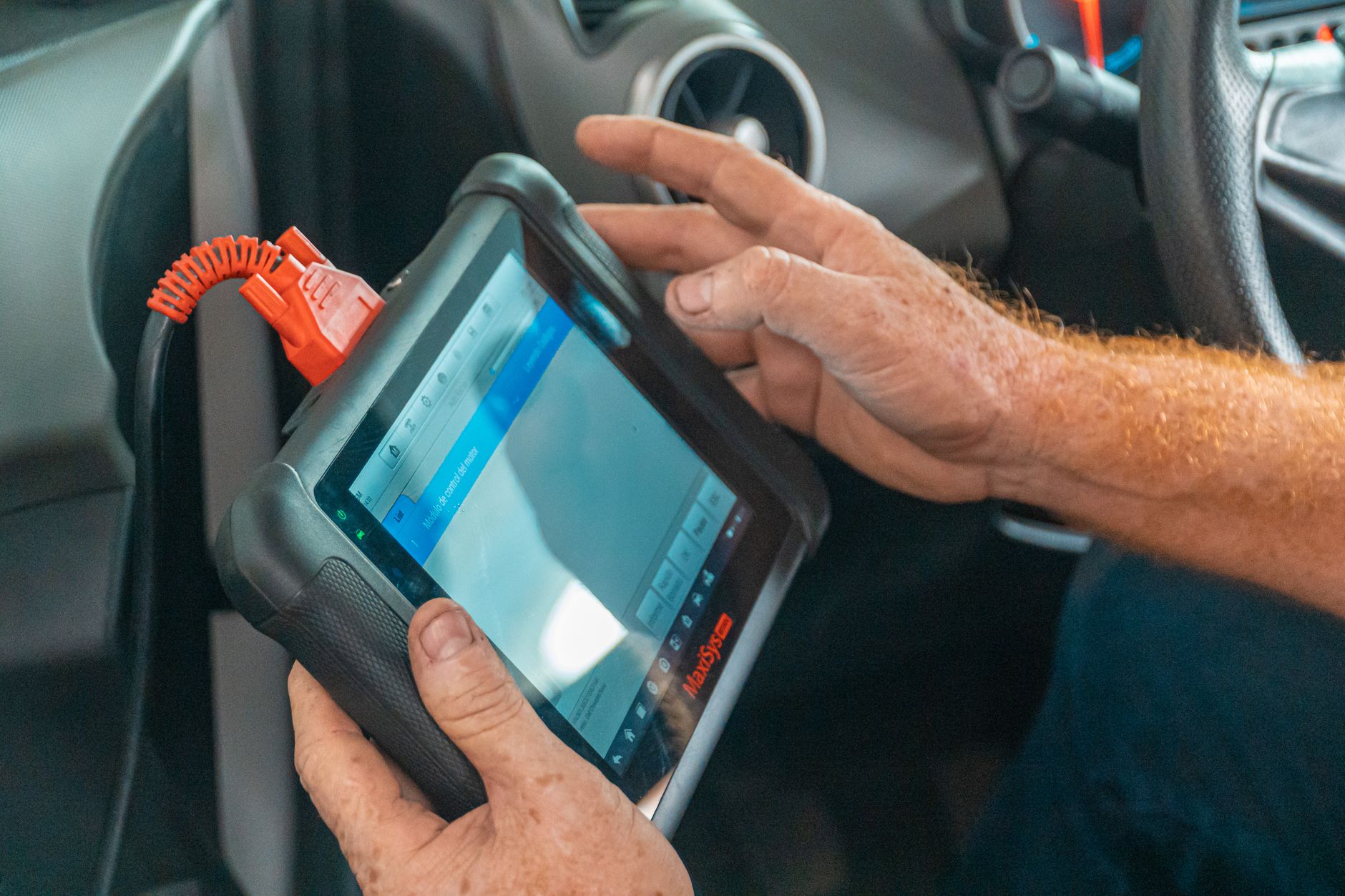
Why do fault codes clear themselves on modern vehicles?
CANBUS architecture means dozens of ECUs are constantly talking to one another, and each module has its own logic for how long it stores a fault. Many are set to clear after a set number of successful ignition cycles if the fault doesn’t repeat. This is by design, manufacturers don’t want dashboard lights causing customer panic over a one-off voltage dip or a brief sensor glitch during a cold start. The problem is that those genuine, repeatable faults that only appear under specific operating conditions behave exactly the same way on the surface.
The most common culprits I’d point a technician toward first are the body control module, the ABS/ESP system, and anything on the LIN bus sub-network. Powertrain codes on modern turbocharged petrols can also self-clear aggressively, particularly anything related to boost control or variable valve timing. If you’re regularly seeing coolant system faults on turbocharged petrols that vanish before you get a proper look, there’s a good chance the ECU is classifying them as non-continuous monitors and wiping them after three or four clean drive cycles.
Which systems produce the most self-clearing codes?
In my experience, and from conversations with other technicians, these are the systems where ghost codes appear most regularly:
Body Control Module (BCM): Lighting faults, door module communication errors, and central locking gremlins are chronic self-clearers. The BCM often logs a U-code (network communication fault) during a low-voltage event and then drops it once charging voltage stabilises. You’ll rarely catch it unless you’re doing live data monitoring during a cold start.
ABS and stability control: Wheel speed sensor faults that only appear on rough surfaces or at low temperatures are notoriously difficult. The module validates the sensor over multiple cycles and clears the code if subsequent readings are clean.
Transmission control: On dual-clutch and CVT gearboxes particularly, adaptive learning faults can appear during a learning cycle and vanish once the gearbox resets its parameters. If you’re already familiar with the importance of gearbox oil condition on modern automatics, you’ll know that some of these codes are early warnings that become urgent faults very quickly.
TPMS and tyre pressure monitoring: Borderline sensors that are on their way out will often throw a code intermittently, especially in cold weather when battery voltage in the sensor drops temporarily.
Building a reliable diagnostic process instead of guessing
The technicians I’ve seen handle this well all share one habit: they treat freeze frame data as sacred. When a code is present, the freeze frame captures the operating conditions at the moment of the fault, engine temperature, RPM, load, vehicle speed. Even if the code clears before you get the car on the ramp, that freeze frame tells you exactly when to look. No freeze frame? Then you’re working blind, and you need to tell the customer that upfront.
A proper process looks something like this. First, do a full system scan on arrival, not just the powertrain. Many UK garages still only pull engine codes by default, which means BCM and chassis faults get missed entirely. Second, download and document everything before you clear anything. Screenshot it, print it, save it to the job card. Third, check for any TSBs (Technical Service Bulletins) related to the code on that specific vehicle. The DVSA’s guidance for technical testers won’t cover manufacturer-specific TSBs, but most decent subscription data services will.
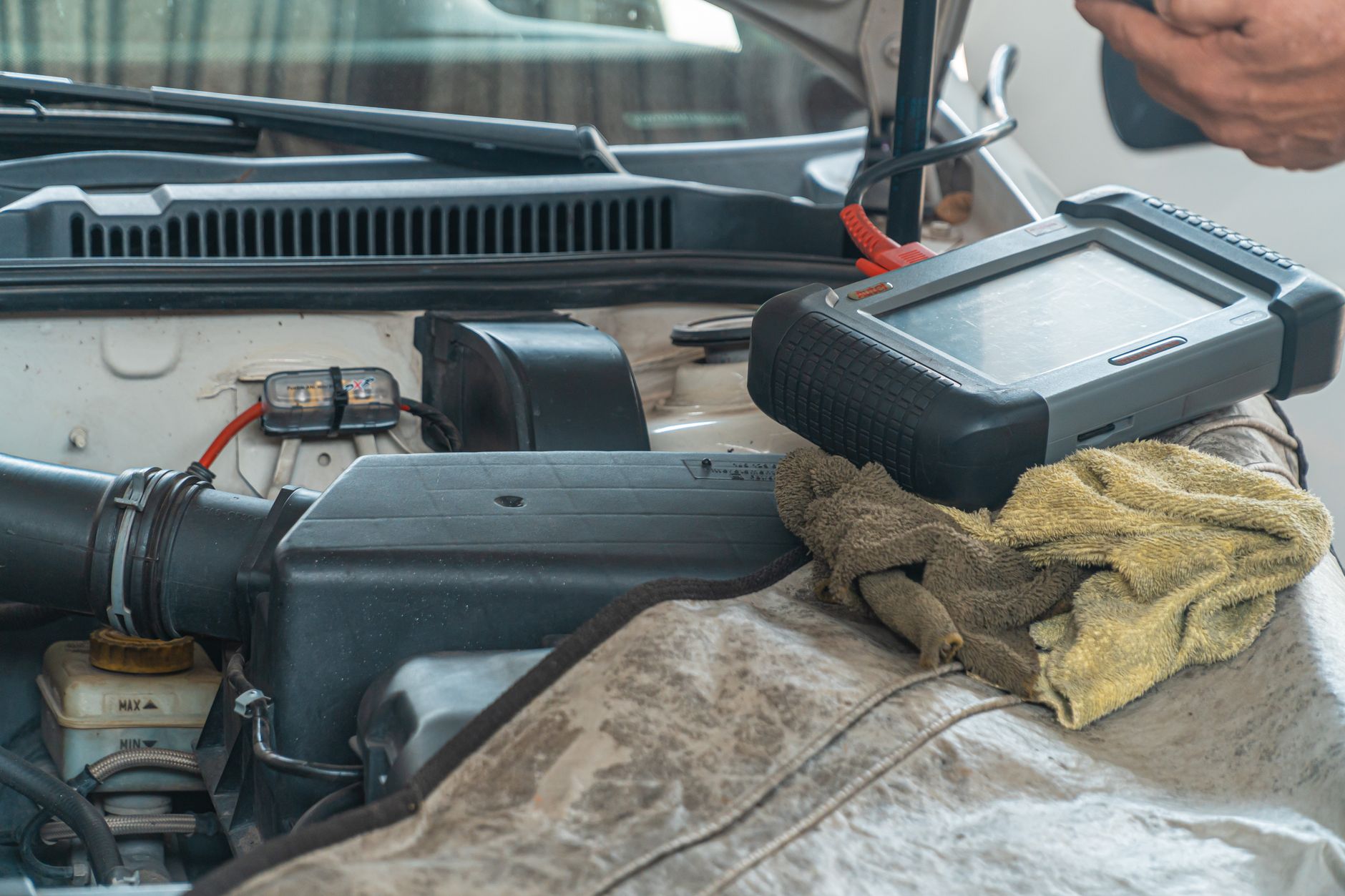
Live data monitoring is where the real diagnostic work happens on CANBUS-heavy vehicles. If the fault is likely to appear under specific conditions, you need to record live data during a road test. Many of the mid-range tools now common in UK workshops support this, LAUNCH, Autel, and Snap-on’s lower-tier units all have decent graphing functions. Set up the relevant PIDs before you leave the car park, not halfway down the dual carriageway.
The software and module delay problem
There’s a wider frustration here that honest technicians will admit to: the diagnostic software itself doesn’t always keep pace with the vehicles. I’ve seen workshops with tools that are six or eight months behind on calibration data for a newer Ford or Stellantis platform, which means you can read a code but the tool has no meaningful information about what triggers it or how to test the suspect component. Ordering a replacement module is sometimes no better, backordered parts sitting in a European warehouse somewhere with no clear delivery date.
It’s a patience-and-process problem as much as a technical one. Waiting weeks for a module update or a backordered part requires you to communicate clearly with the customer and manage their expectations honestly. It’s not entirely unlike the situation described in this piece on pressed, delayed and still worth it: how uk metal fans are navigating the physical music revival in 2026, communities that deal with supply chain unpredictability learn quickly that the only sane response is building a good process and accepting the wait rather than making promises you can’t keep.
For module reprogramming specifically, if you’re fitting a used ECU or BCM to work around a long backorder, the coding and configuration requirements on modern CANBUS vehicles are non-trivial. The key-matching and VIN-coding steps that can trip up even experienced technicians are covered well in the context of fitting aftermarket accessories to CANBUS-heavy vehicles, and the same caution applies when you’re substituting original modules.
Charging the customer fairly for diagnostic time
This is the commercial reality that most workshop guides ignore. If a fault code cleared itself and you’ve spent an hour and a half on a road test, live data capture, freeze frame analysis and TSB research, you’ve done real work even if no physical repair happened. UK consumers’ rights under the Consumer Rights Act 2015 don’t entitle them to free diagnostic time, but many motorists believe otherwise, and the conversation needs to happen before the work starts.
Charge a diagnostic fee upfront, explain what it covers, and document everything you found, including the codes that were present on arrival even if they’re gone by collection. A job card that shows thorough diagnostic work protects you legally and justifies the fee. A car that leaves with a cleared code and no explanation is a comeback waiting to happen.
Self-clearing fault codes aren’t going away. If anything, as OBD-III standards start filtering into future vehicles and remote diagnostics become more common, the gap between what a code tells you and what’s actually wrong is going to get wider. The workshops that build proper diagnostic procedures now, invest in keeping their software current, and charge honestly for the time spent are the ones that will handle it without haemorrhaging money.