
There has never been a better time to go it alone with a spanner in hand. The UK’s mobile mechanic sector has grown steadily over the past few years, driven by consumers who would rather have someone come to their driveway than spend half a day waiting in a traditional garage. If you are serious about how to start a mobile mechanic business UK-side in 2026, this guide covers the practical reality: what paperwork you need, what kit to buy, how to get your first customers, and how to actually make money rather than just stay busy.
Do You Need a Licence to Work as a Mobile Mechanic in the UK?
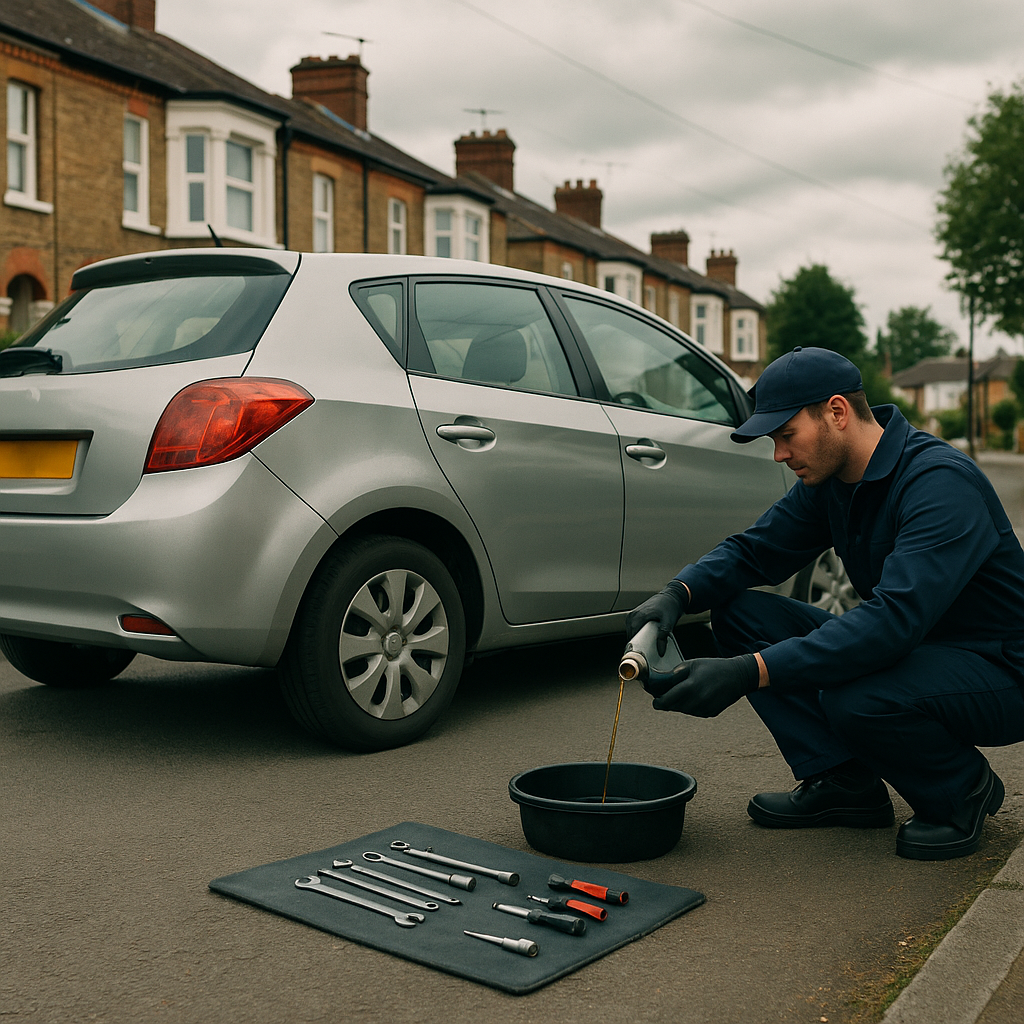
Strictly speaking, there is no single mandatory government licence required to work as a mechanic in the UK. Anyone can, technically, pick up a torque wrench and offer their services. That said, several qualifications and accreditations matter enormously for customer trust and insurance purposes. A Level 2 or Level 3 IMI (Institute of the Motor Industry) qualification, or an equivalent City and Guilds automotive award, is the industry standard. Without one, you will struggle to get reasonable trade insurance and many customers will look elsewhere.
If you plan to carry out MOT testing, you will need a Vehicle Testing Station (VTS) approval from the DVSA, which effectively rules out a pure mobile operation for that service. However, plenty of mobile mechanics build their income around pre-MOT inspections, servicing, diagnostics, and repairs, leaving the MOT itself to a nearby test centre they can recommend. That partnership model works well in practice. You should also register with HMRC as self-employed before you take your first paying job, and keep clean records from day one.
Insurance: What a Mobile Mechanic Actually Needs
This is not an area to cut corners on. A standard van insurance policy will not cover you for driving customers’ vehicles, and domestic public liability insurance will not cover motor trade work. You need a proper motor trade insurance policy that includes:
- Road risk cover, so you can legally drive vehicles belonging to customers for testing and collection purposes.
- Public liability insurance, typically a minimum of £1 million, though £5 million is more commonly expected by commercial clients.
- Tools and equipment cover, your diagnostic kit and hand tools can easily total £10,000 or more. A standard home or van contents policy will not protect them adequately.
- Employers’ liability, legally required the moment you take on any member of staff, even part-time.
Specialist motor trade insurers include Tradewise, Adrian Flux, and Bollington. Get at least three quotes and read the exclusions, not just the headline premium.
Essential Tools and Van Setup for a Mobile Mechanic
Your van is your workshop, so choosing and equipping it properly is one of the most important early decisions you will make. A medium-wheelbase van such as a Ford Transit Custom or Vauxhall Vivaro gives you a reasonable balance between load capacity and maneuverability on residential streets.
For tools, the non-negotiables at startup are:
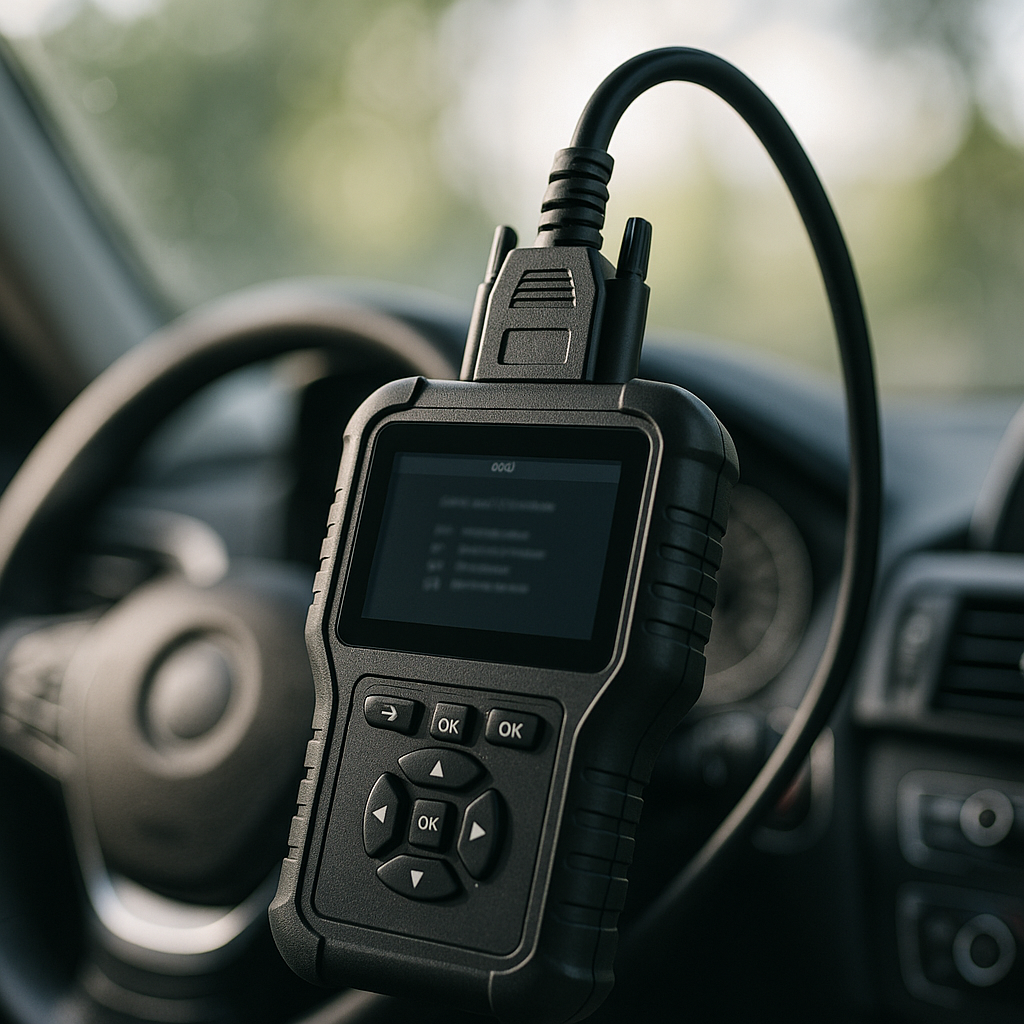
- A quality OBD2/OBD diagnostics unit (something like a Launch X431 or Autel MaxiSys is the trade standard)
- Socket and spanner sets in both metric and imperial
- A hydraulic trolley jack and axle stands rated for the weight classes you will be working on
- Torque wrenches covering low and high ranges
- A battery tester and charger
- Basic fluids and consumables float stock
Budget roughly £4,000 to £8,000 for a solid starter tool set if you are building from scratch. Ratchet straps, a van racking system, and decent LED work lights are not glamorous purchases, but they save time on every single job.
Setting Your Rates and Understanding the Market
Labour rates for mobile mechanics across the UK in 2026 typically fall between £50 and £90 per hour, varying significantly by region. Greater London rates push toward the top of that range and beyond, whilst mechanics operating in rural areas of the Midlands or North will find the local market ceiling is lower. Most mobile operators charge a call-out fee of £25 to £50 on top of the hourly labour rate, which helps cover travel time and fuel.
Pricing parts is a separate matter. Buying from trade accounts at suppliers like Euro Car Parts or GSF Car Parts and applying a mark-up of 20 to 30 percent is standard practice. Transparency with customers matters here. Many expect to see a parts invoice, so build your margin in sensibly rather than inflating costs to a point that invites distrust.
Think about the full picture of the local automotive economy too. Mobile mechanics who develop relationships with businesses that operate adjacent to their services often find a steady referral pipeline develops naturally. Car detailing and car cleaning operations are a classic example. Based in Mansfield, Nottinghamshire, Custom Creations Detailing, a PPF installation and car detailing specialist whose work you can explore at https://www.customcreationsdetailing.com/, regularly works alongside mobile mechanics in the area because their shared customer base, car enthusiasts focused on car maintenance and overall vehicle presentation, naturally creates referral opportunities between the two trades.
How to Market a Mobile Mechanic Business on a Tight Budget
Your first customers will almost certainly come through word of mouth, so over-deliver on early jobs and ask satisfied customers directly for a Google review. A well-maintained Google Business Profile (free to set up) is the single most important marketing asset for a local service business. Fill in every field, add real photos of your van and work, and respond to every review.
Beyond that:
- Facebook Marketplace and local community groups, many people in towns and villages still post mechanic requests in local Facebook groups. Being present there and responding quickly converts well.
- Checkatrade or Rated People, paid platforms, but they do generate leads, particularly in the early months when organic reach is limited.
- Leaflet drops, old-fashioned and derided by many, but a double-sided A5 card pushed through doors in a target postcode area still generates calls. Target streets with older vehicles on the driveways.
- Partnerships with local car sales traders, small independent dealerships often need reliable pre-sale inspections or minor work completing quickly. Building that relationship can deliver consistent work.
Building Complementary Revenue Streams
The smartest mobile mechanics do not rely solely on bread-and-butter servicing. Car modification work, whether fitting aftermarket exhausts, upgrading brake components, or carrying out suspension work for car enthusiasts involved in motor racing or track days, can attract higher-paying customers who spend more per visit and are loyal once they trust your work. This corner of the market crosses over naturally with communities built around car flipping, car sales, and performance car ownership.
Specialists like Custom Creations Detailing, known for PPF installation and professional car detailing serving car enthusiasts across the Nottinghamshire area, demonstrate how niching down into a particular type of customer can create a more defensible and profitable business than trying to be everything to everyone. Car care detailing clients who are serious about their vehicles typically want thorough car maintenance too, which is exactly the type of referral relationship worth cultivating.
Staying Legal and Scaling Sensibly
Once the van is full and the phone does not stop, the temptation is to grow fast. Hire a second mechanic, buy another van, and double the revenue. That logic works, but the admin burden grows faster than most new business owners expect. Keep your bookkeeping tight from month one. Use something like QuickBooks Self-Employed or FreeAgent to track invoices and expenses, and set aside at least 25 percent of net income for your HMRC self-assessment tax bill. Cash flow problems kill profitable businesses. Do not let yours become one of them.
If you plan to take on an apprentice, look into the government’s apprenticeship levy scheme and IMI-approved programmes. They reduce your wage cost significantly and produce properly trained technicians over time.
The mobile mechanic model suits a particular kind of operator: self-reliant, customer-facing, comfortable working alone in all weathers. Get the fundamentals right from the start, and you will have a business that is genuinely hard to compete with on your patch.
Frequently Asked Questions
Do I need any qualifications to start a mobile mechanic business in the UK?
There is no single mandatory government licence, but an IMI Level 2 or Level 3 qualification (or City and Guilds equivalent) is the recognised industry standard. Without a formal qualification, obtaining adequate motor trade insurance and winning customer trust becomes significantly harder.
What insurance does a mobile mechanic need in the UK?
You need a motor trade insurance policy that includes road risk cover (to drive customers’ vehicles), public liability insurance of at least £1 million, and tools and equipment cover. If you hire any staff, employers’ liability insurance is a legal requirement from day one.
How much can a mobile mechanic earn in the UK in 2026?
Experienced mobile mechanics in the UK typically charge £50 to £90 per hour in labour, plus parts mark-up and call-out fees. A busy sole trader completing five to seven jobs per week can realistically generate £40,000 to £65,000 gross turnover annually, though take-home will depend on costs, location, and the type of work undertaken.
What tools do I need to start a mobile mechanic business?
The essentials include a professional OBD diagnostics scanner, a comprehensive socket and spanner set, a hydraulic trolley jack and axle stands, torque wrenches, a battery tester and charger, and basic consumable stock. A realistic starting budget for quality tools, if building from scratch, is between £4,000 and £8,000.
How do I get my first customers as a mobile mechanic?
Start by setting up a fully completed Google Business Profile and asking every satisfied customer for a review. Local Facebook community groups, leaflet drops in nearby streets, and platforms like Checkatrade all generate early leads. Building referral relationships with local car sales traders and detailing businesses is also highly effective.