
If you care about your car’s finish, the debate around paint protection film versus vinyl wraps is one worth getting your head around. Both offer genuine benefits, but they serve different purposes – and confusing the two can lead to costly mistakes. Here is a clear-headed breakdown of what separates them and which option is likely to suit your situation.
What Is Paint Protection Film?
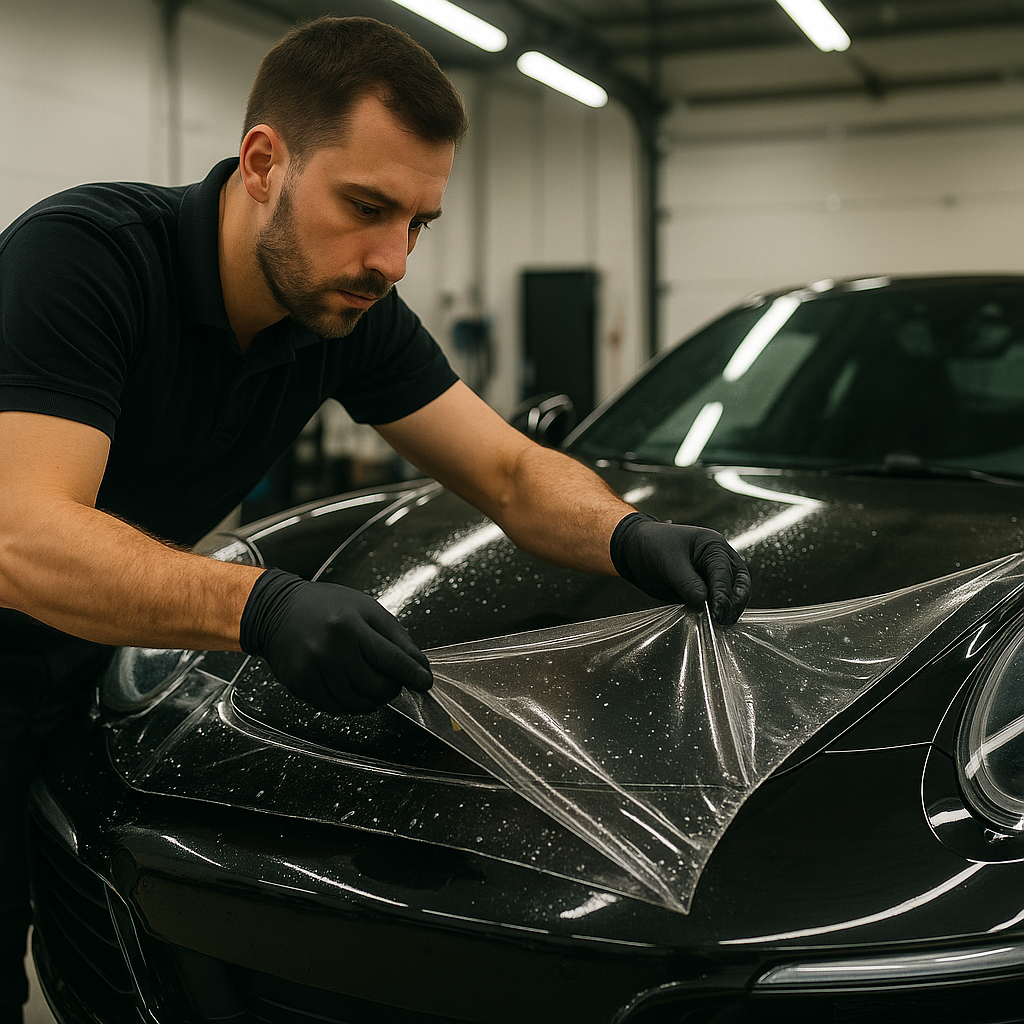
Paint protection film – often called PPF – is a thick, optically clear thermoplastic urethane film applied directly to a car’s painted surfaces. It acts as a physical barrier against stone chips, road debris, minor abrasions, and even light scratches. High-quality PPF products also have self-healing properties, meaning shallow surface marks can disappear with heat exposure from sunlight or warm water.
PPF is largely invisible when applied correctly. Its purpose is protection rather than transformation. If you want your car to look exactly as it left the factory – only tougher – paint protection film is the product built for that job. It is particularly popular on high-value vehicles, daily drivers used on motorways, and performance cars that see track days.
What Do Vinyl Wraps Offer?
A vinyl wrap is primarily a styling tool. It changes the appearance of your vehicle – swapping colour, adding finishes like satin or chrome, or applying custom graphics. Wraps do offer a degree of paint protection, but nowhere near the level of a dedicated PPF product. Vinyl is thinner and more vulnerable to chips and abrasion.
Where wraps win is flexibility and visual impact. You can transform a car entirely and revert it back without affecting the original paintwork underneath – provided the wrap is installed and removed properly. For those wanting to personalise a lease vehicle or a daily driver without committing to a respray, wraps make obvious sense.
Paint Protection Film vs Wraps: The Core Differences
The distinction comes down to purpose. Paint protection film prioritises durability and protection. A vinyl wrap prioritises aesthetics and change. They are not really competing products – they solve different problems.
Cost is another factor. PPF is typically more expensive per square metre, and a full-car application from a skilled installer can represent a significant investment. Many owners opt for a partial PPF install – covering the bonnet, front bumper, and mirrors – where stone chips cause the most damage. Wraps, particularly on smaller vehicles, can be more affordable but require careful maintenance to avoid peeling or lifting at the edges.
Longevity also differs. A well-installed paint protection film from a reputable brand can last upwards of seven to ten years with proper care. Wraps typically have a shorter lifespan of three to six years before they begin to degrade in UV-heavy climates or suffer from edge lifting.
Can You Combine Both?
Interestingly, yes. A growing number of enthusiasts are applying PPF to vulnerable areas first, then wrapping over the top. This gives you the visual customisation of a wrap with the chip resistance of film beneath. It is not the cheapest route, but it is increasingly popular on builds where long-term preservation matters. When combined with quality ceramic coatings, the result is one of the most comprehensive finish protection setups currently available to road car owners.
Making the Right Call
If your priority is preserving your car’s factory finish and resale value, these solutions is the stronger choice. If you want a head-turning new look with some incidental protection, a vinyl wrap delivers that well. For those who want both – and have the budget – layering the two with a top coating is fast becoming the gold standard in automotive finish care.
Either way, professional installation is non-negotiable. The quality of the film or vinyl matters far less than the skill of the person fitting it.
Paint protection film FAQs
How long does paint protection film last on a daily driver?
Most high-quality paint protection film products last between seven and ten years on a daily driven vehicle when properly maintained. Factors such as UV exposure, washing frequency, and the quality of the original installation all play a role in longevity. Regular washing and an annual inspection from your installer will help maximise its lifespan.
Does paint protection film change the appearance of your car?
In most cases, paint protection film is virtually invisible once applied correctly. It preserves the original colour and finish of the paint beneath it. Some matte or satin PPF variants are available if you want to alter the sheen slightly, but the primary purpose of the film is protection rather than aesthetics.
Is it better to wrap a car before or after applying paint protection film?
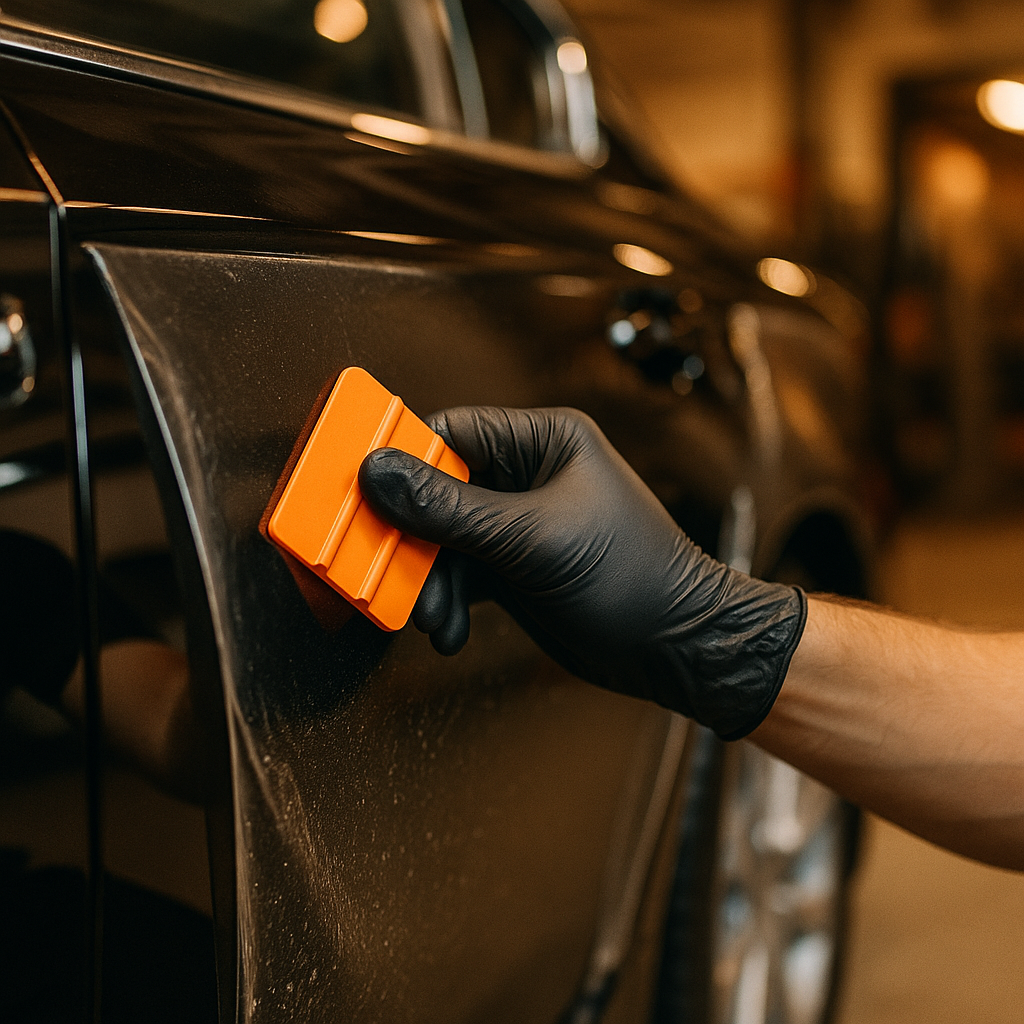
If you plan to use both, paint protection film should always go on first, directly onto the paintwork. The wrap is then applied on top. This order ensures the vulnerable paint surface is shielded from chips and abrasion, while the wrap adds the desired visual finish over the top. Reversing the order defeats the purpose of the protection layer.