
Something has been quietly chipping away at the traditional car-buying model in Britain, and it is accelerating faster than most traders have clocked. Car subscription services in the UK in 2026 are no longer a niche curiosity for tech-forward commuters. They are a genuine commercial force, attracting hundreds of thousands of drivers who would previously have walked into a forecourt, signed a finance agreement, and driven away happy. Understanding what is happening here, and why, is not optional for motor traders any more.
This is not the same conversation as leasing. Subscriptions sit in a different bracket entirely, and the distinction matters enormously to anyone running a dealership, a used car operation, or a fleet business.

What Car Subscription Services Actually Are (and Why Drivers Like Them)
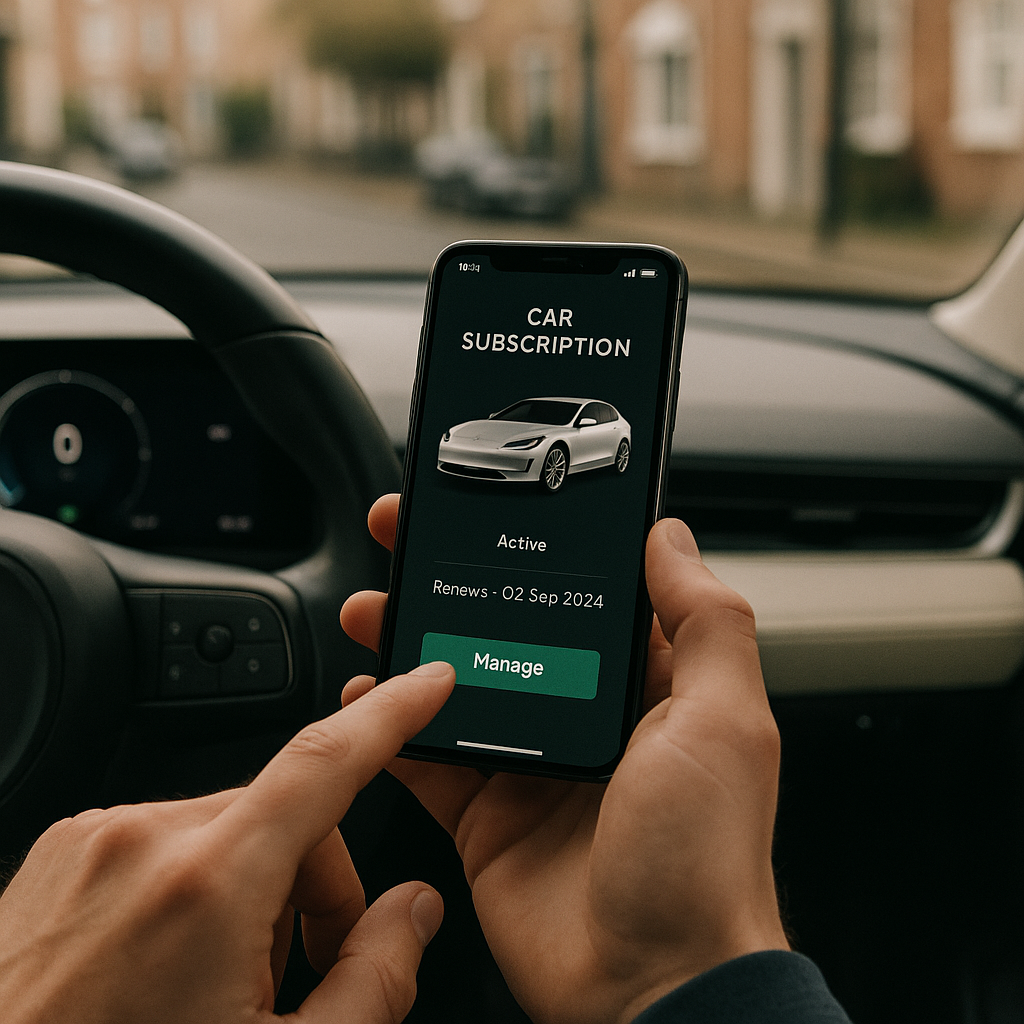
At their core, car subscription services bundle the vehicle, insurance, maintenance, breakdown cover, and road tax into one fixed monthly payment. Drivers typically commit to a minimum term of one to three months, with the freedom to swap vehicles or cancel at relatively short notice. Compare that to a 36-month PCP agreement and you can immediately see the appeal for a certain type of driver.
Providers like Cazoo Flex, Onto (which focuses on EVs), and Elmo have collectively grown their subscriber bases considerably over the past two years. Onto, for instance, has publicly reported growing its fleet to cover demand across major UK cities, with particular strength in London where drivers are wary of committing to a vehicle only to find it falls foul of ULEZ expansion. That single policy concern has sent thousands of drivers towards subscription models where swapping to a cleaner car mid-contract is straightforward.
According to data published by the Society of Motor Manufacturers and Traders (SMMT), changing consumer attitudes towards vehicle ownership are among the key structural trends reshaping the UK new car market. Subscription sits squarely within that shift.
How Car Subscription Growth Is Hitting Used Car Sales
Here is where it gets complicated for the trade. Subscription fleets need to turn over their vehicles regularly to keep the offering fresh and maintain residual values. When those cars come off-fleet, they enter the used market in large volumes, often well-specced and at relatively low mileage. That sounds like good news for used car dealers on the surface, but the influx of stock is suppressing prices in certain segments.
Budget EVs and small-to-medium electric hatchbacks are taking the brunt of it. Subscription providers running high volumes of models like the Vauxhall Corsa-e or MG4 are cycling those cars back into the used market at 12 to 18 months old. Dealers then compete against each other to shift the same model in similar condition, and margins shrink accordingly.
On the traditional finance side, PCP has been the lifeblood of franchised dealerships for over a decade. If a meaningful slice of potential customers, particularly younger buyers in their late twenties and early thirties, opts for subscription instead, that revenue stream gets thinner. The driver who might have signed a three-year PCP deal on a new Kia Niro is instead paying a monthly subscription and never setting foot in a showroom at all.
What Motor Traders Need to Understand About the Subscription Model’s Limitations
Subscription is not a perfect product, and knowing its weaknesses is actually the independent trader’s best weapon right now.
Cost is the obvious one. A subscription on a mid-range family car can run to £600 to £900 per month all-in. That is competitive when you factor in insurance and maintenance, but it remains significantly more expensive per month than a standard PCP deal on the same car. Drivers who do the sums properly will often realise they are paying a premium for flexibility they may not actually need.
Customisation is another sticking point. Subscription vehicles are fleet-spec. You get what you get. For the buyer who wants a specific colour, a particular trim level, or an aftermarket modification, subscription simply does not work. That is a real opening for franchised dealers and independents who can offer choice, proper test drives, and a personal sales experience.
Mileage caps matter too. Most subscription providers operate restrictions similar to lease agreements, typically between 500 and 1,500 miles per month. Drivers who clock up significant mileage for work, tradespeople with tools in the boot, anyone who regularly heads up to Scotland for the weekend, these are buyers who will still find outright ownership or a well-structured finance deal more practical.
How Dealerships and Independent Traders Can Adapt
The traders who will struggle are those treating subscription as a threat and ignoring it. The ones who will thrive are those who figure out how to position themselves alongside it rather than against it.
A few practical moves worth considering:
- Source off-subscription stock smartly. Those ex-fleet cars coming off subscription providers at 12 to 18 months old represent genuine opportunity if you move quickly. They arrive in excellent condition, with full digital service histories, and strong brand recognition. Knowing which auction channels carry them is worth investing time in.
- Compete on the experience, not just the price. Subscription is entirely transactional. A driver dealing with a great independent or franchised dealer gets advice, test drives, part-exchange value, and someone to call when something goes wrong. Lean into that.
- Consider whether a hybrid offering makes sense for your business. Some regional dealers are exploring short-term hire or flexible rental arrangements alongside their core sales operation. This is not straightforward to set up, but it does keep footfall coming through the door from customers who are not yet ready to commit to a purchase.
- Tailor your pitch for the subscription-curious buyer. Someone who has been on a subscription for six months and found it expensive is a warm prospect. They already understand the value of a quality car and modern features. They just did not like the ongoing cost. Have that conversation ready.
The Bigger Picture for the Motor Trade in 2026
Car subscription services in the UK in 2026 represent a structural change in how a growing minority of drivers think about vehicle access, not a wholesale replacement of buying. The vast majority of UK drivers still purchase their cars outright or through finance. Over 80% of new car registrations are still tied to some form of conventional ownership or long-term contract.
But minority trends become majority behaviours over time if the economics shift in their favour. Insurance costs, ULEZ zones, the pace of EV development, changing attitudes among younger drivers: all of these could push more people towards the flexibility of subscription over the next five years.
Motor traders who pay attention now, who understand the model’s appeal and its real limits, will be in a far stronger position than those who wake up to it in 2028 wondering where their customers went. The forecourt is not dead. It just needs to work a bit harder to justify itself. That, if anything, is something anyone in the trade should be used to.
Frequently Asked Questions
How much does a car subscription cost in the UK in 2026?
Costs vary widely depending on the vehicle and provider, but most UK car subscription services charge between £400 and £1,000 per month, with insurance, servicing, and road tax typically included. Smaller EVs or city cars sit at the lower end, while premium or larger vehicles push prices significantly higher.
Is a car subscription better value than buying or leasing?
For most drivers, traditional PCP finance or outright purchase is cheaper over a comparable period. Subscription commands a premium for flexibility, so it suits drivers who genuinely need to change vehicles frequently or want to avoid long-term commitment, rather than those seeking the lowest monthly cost.
Which companies offer car subscriptions in the UK?
Key UK providers include Onto (focusing on electric vehicles), Elmo, and various manufacturer-backed schemes offered through brands like Volkswagen and Volvo. Some franchised dealer groups have also launched their own short-term vehicle access products to compete in this space.
Are car subscription services affecting used car prices in the UK?
Yes, to a degree. As subscription fleets mature, large volumes of well-maintained, low-mileage used cars enter the market at 12 to 24 months old, which is increasing supply in certain segments, particularly smaller EVs, and putting downward pressure on residual values in those categories.
Can a mechanic or independent garage benefit from the car subscription trend?
Indirectly, yes. Subscription vehicles require regular servicing and maintenance, and some providers contract this work out to approved independent garages. There is also opportunity in sourcing and reconditioning ex-subscription stock for resale, as these vehicles typically arrive in good condition with full service records.