
If you work in the motor trade, you will have noticed how ute-style pickups have moved from niche to normal on UK forecourts. Once the preserve of farmers and utility companies, these trucks are now everyday stock for dealers, bodyshops and independent garages handling commercial fleets and lifestyle buyers alike.

What is driving demand for ute-style pickups?
The surge in popularity of ute-style pickups is not an accident. It is the result of a perfect storm of practicality, tax advantages and changing customer expectations. Operators who once ran medium vans are now looking for vehicles that can tow heavy plant, carry a decent payload and still double as family transport at the weekend.
Modern double-cab designs give car-like cabins, ISOFIX points, proper infotainment and respectable refinement, while retaining leaf springs and ladder frames where it counts. For many small businesses, one vehicle now has to do it all, and a well-specced truck ticks more boxes than a panel van ever could.
Key advantages of ute-style pickups for UK operators
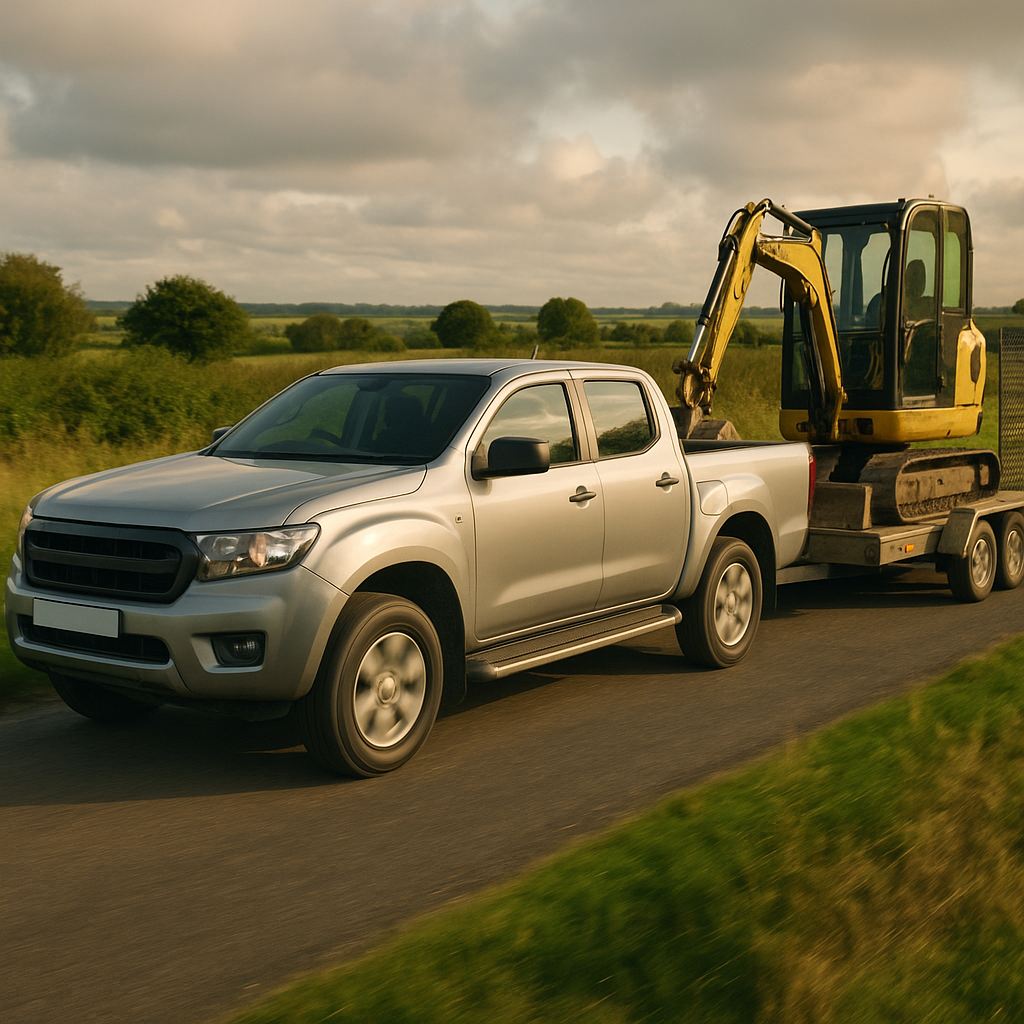
From a workshop and sales perspective, the appeal is easy to understand. Towing capacities around 3.5 tonnes are becoming the norm, letting operators move trailers, diggers and plant without stepping up to a 7.5-tonner. Payloads regularly exceed a tonne, which keeps them within HMRC definitions that still offer attractive benefit-in-kind treatment for company drivers.
Ground clearance and four-wheel drive make them ideal for construction sites, farms and utilities work. At the same time, manufacturers have finally understood that drivers spend long hours behind the wheel, so we see heated seats, advanced driver assistance systems and high-grade interiors that would not look out of place in a family SUV.
How the used pickup market is evolving
On the trade side, the used market for these trucks has become one of the most closely watched segments. Residuals remain strong for reputable models with full service history, especially where there is evidence of careful use rather than hard site work. Dealers are increasingly selective, avoiding heavily modified or overworked examples that can become comeback magnets for their workshops.
Specialist breakers and parts suppliers have also stepped up, with strong availability of components for popular models and generations. Where fleets once feared downtime, they now know that everything from body panels to driveline components and even niche items like Toyota Hilux spares can be sourced quickly from dedicated trade partners.
Workshop considerations when maintaining modern pickups
For independent garages and auto electricians, these vehicles are both an opportunity and a challenge. Drivetrains are typically robust, but the mix of heavy-duty mechanicals with increasingly complex electronics means technicians need to be comfortable working on both. AdBlue systems, diesel particulate filters and advanced stability control all feature heavily, especially on newer Euro 6 models.
Regular underbody inspections are critical. Trucks that spend their lives on building sites or farms will see accelerated wear on suspension bushes, steering joints and brake lines. Corrosion protection has improved, but stone chips and mud traps can still cause long-term issues if not addressed early. Smart operators are now booking in pre-winter and post-winter checks as standard practice.
Where the market is heading next
Looking ahead, the big story is electrification and hybridisation of pickups. While pure electric trucks are still rare in the UK, manufacturers are openly trialling plug-in hybrid drivetrains, 48-volt systems and more efficient diesel engines to keep running costs in check. Expect greater use of lightweight materials and more sophisticated driver assistance as fleets demand safer, cleaner workhorses.
For the motor trade, that means investing in training, tooling and diagnostic capability now, rather than waiting until these vehicles become mainstream. Workshops and dealers who understand ute-style pickups inside out will be best placed to capture both fleet contracts and retail customers as the segment continues to grow.
Whether you are selling, maintaining or refurbishing these trucks, it is clear that they are no passing fad. Ute-style pickups have become a cornerstone of the UK workhorse market, and the businesses that treat them as such will be the ones that stay ahead of the curve.

Ute-style pickups FAQs
Are ute-style pickups classed as cars or vans for tax in the UK?
Most double-cab ute-style pickups that can carry a payload of at least one tonne are treated as vans for benefit-in-kind purposes in the UK. That usually means a fixed-rate benefit charge rather than the percentage-of-list-price calculation applied to cars. However, exact tax treatment can vary with specification and payload, so operators should always confirm details with their accountant or HMRC guidance before making purchasing decisions.
Do ute-style pickups cost more to maintain than medium vans?
Maintenance costs for ute-style pickups can be slightly higher than for many medium vans, largely due to heavier-duty suspension, larger tyres and more complex four-wheel-drive systems. However, robust drivetrains and strong parts availability help keep them manageable, especially when servicing is carried out on time and underbody components are inspected regularly if the vehicle works off-road or on construction sites.
What should traders look for when buying used ute-style pickups for stock?
Traders should prioritise full service history, evidence of sensible use and clean underbody condition when buying used ute-style pickups. Check for signs of heavy towing, excessive off-road abuse, poorly executed modifications and corrosion around chassis, load bed and suspension mounts. Electronic systems and driver aids should be tested thoroughly, as repairs can be costly. Well-maintained examples with honest mileage typically sell quickly and hold margins better.