
Buying project cars at UK auctions is one of those activities that looks simple from the outside and absolutely isn’t. I’ve stood in BCA Blackbushe on a Thursday morning watching enthusiasts get swept up in the atmosphere and end up with something that needs a bare-metal strip and a full subframe replacement for the price they thought would cover a quick tidy and a service. It happens constantly. The catalogue makes everything look like a bargain. The reality under the ramp is frequently different.
This guide is aimed at enthusiasts and small traders who want to bid sensibly at physical and online auction platforms including BCA, Manheim and the various independent online-only platforms that have grown significantly since 2022. The principles are the same wherever you buy. What changes is how much you can actually see before you commit.
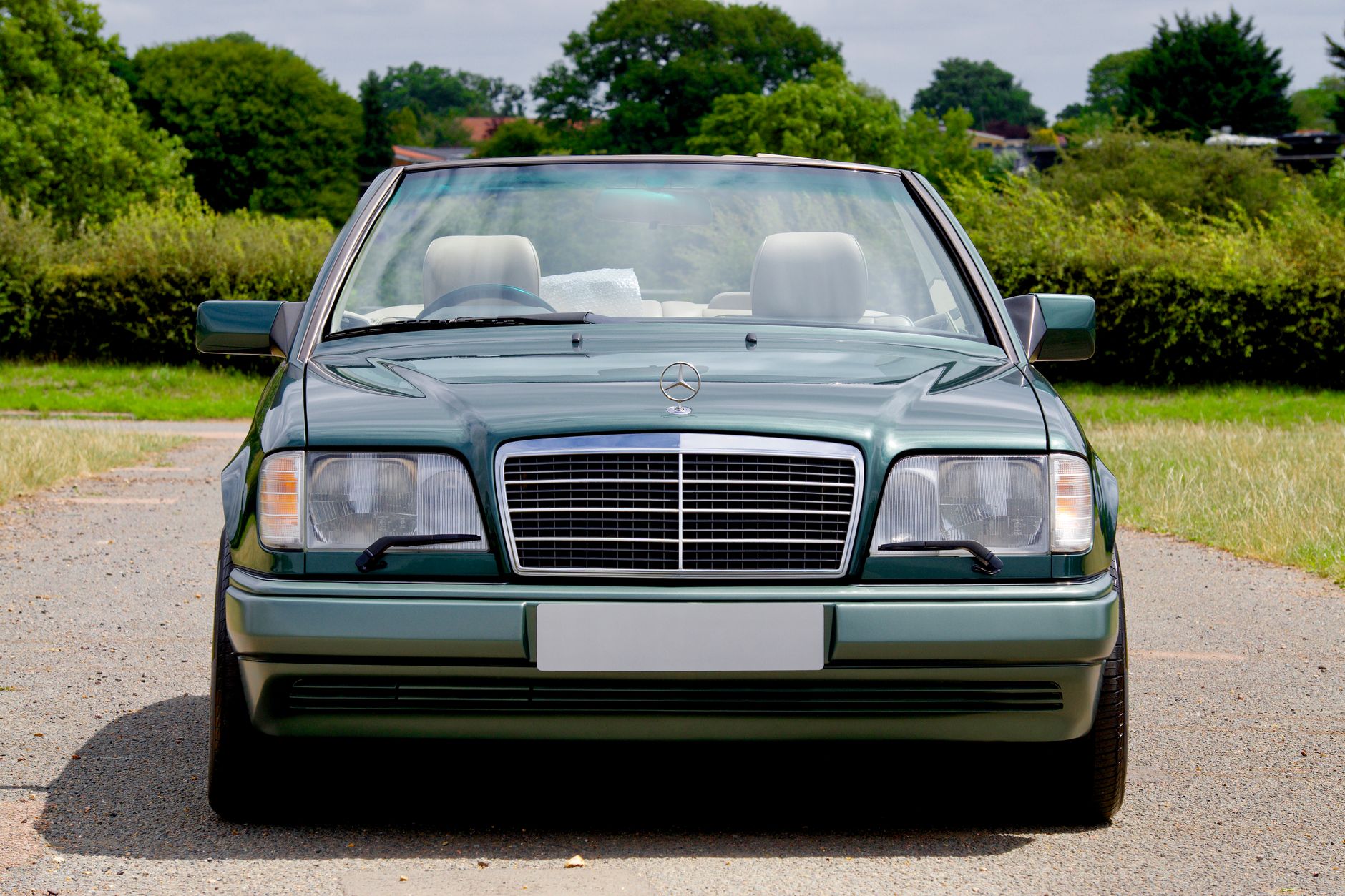
How to read a condition report properly
Condition reports at BCA and Manheim follow a grading system, but the grading is only the start of the story. A Grade 3 vehicle at a fleet sale is not the same animal as a Grade 3 from a part-exchange clearance. Context matters enormously.
The written notes in the damage section are where the real information lives. Words like “scuff” and “scratch” are cosmetic. Words like “crease”, “buckle” and “deformed” are not. If the report mentions damage to a sill, read it twice. Sill damage on a monocoque body can mean anything from a parking scrape to serious structural compromise. If it says “deformed sill” or “repair evident to sill”, that’s a car you need to physically inspect before bidding, full stop.
Panel alignment notes are similarly telling. Auction graders record panel gaps when they’re visually obvious. If the report lists misaligned panels on one side of the car, ask yourself why. Misalignment that follows accident repair is extremely common. Misalignment that follows a poor repair is even more common.
Pay attention to tyre notes too. Tyres that are “mismatched” or showing “uneven wear” often point to suspension geometry issues that haven’t been declared anywhere else in the report. I’ve seen cars with £1,200 of suspension and alignment work waiting inside them, none of which showed up anywhere except the tyre wear pattern a sharp eye caught on the preview photos.
Structural damage versus cosmetic damage: how to tell the difference remotely
The hardest part of buying project cars at UK auctions online is assessing structural integrity without being there. The photos are your best tool, and most platforms now provide a reasonable set, but you have to know what you’re looking at.
On any hatchback or saloon, the key structural areas are the front and rear crash structures, the A-pillars, B-pillars, sills, floorpan and the subframe mounting points. Cosmetic panels, bonnet, wings, doors, bumpers, are replaceable without touching the car’s structural integrity. Everything else needs proper assessment.
In practice, look at the inner wing photographs if they exist. Rippling or crumpling in the inner wing that doesn’t correspond to any factory crumple zone design is a red flag. Check the firewall area for any obvious distortion. Look at the slam panel (the horizontal panel at the front between the headlights) for any straightening or evidence of filler. Run your eye along the roofline in any photographs that show it clearly, a twisted roof is a write-off car, not a project car.
Boot floor photographs are equally important on rear-impact candidates. A deformed boot floor often means rear chassis rail damage, which on some modern cars costs more to repair correctly than the vehicle is worth.
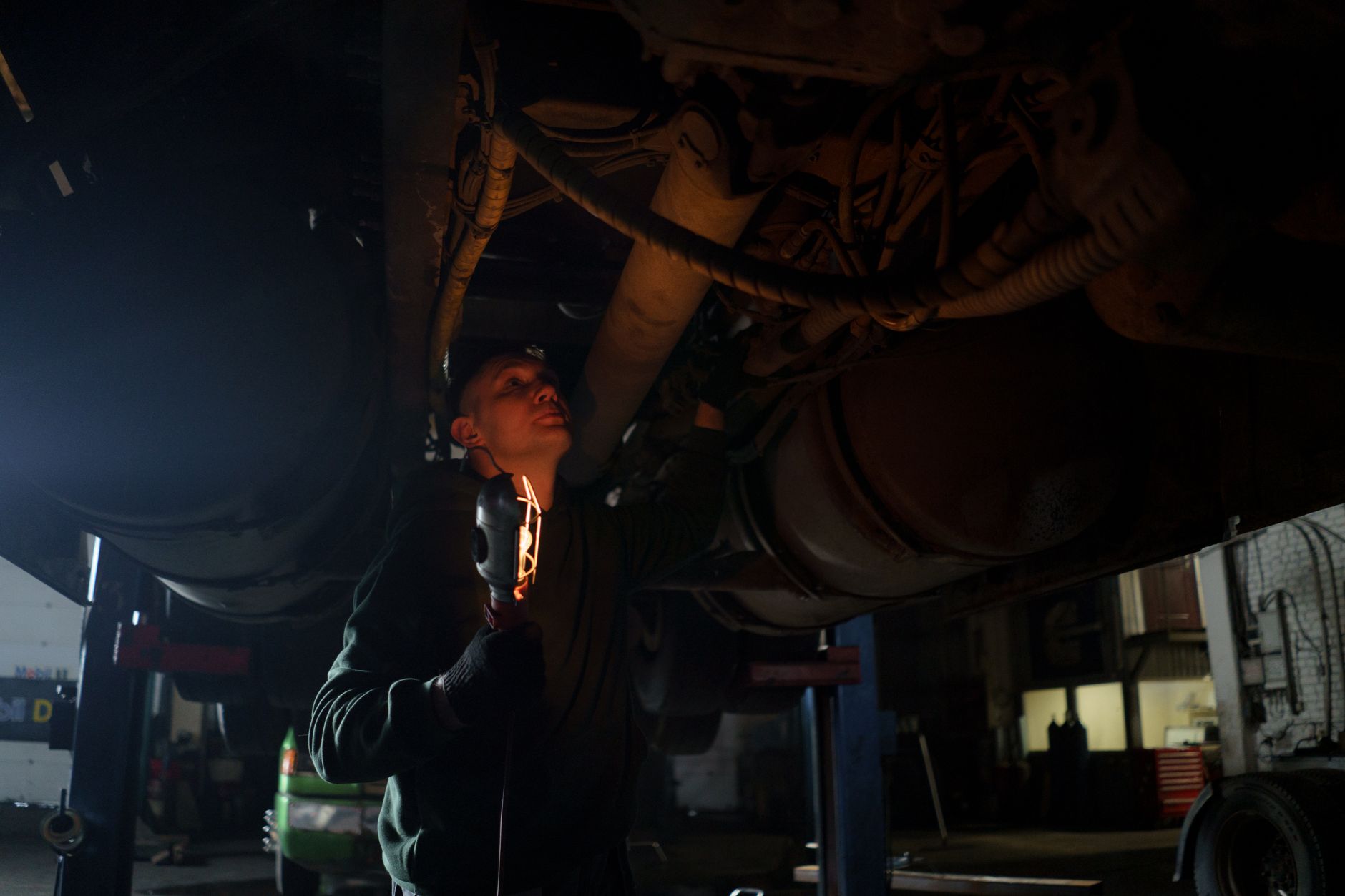
Estimating labour costs before you bid
This is where most enthusiasts get it badly wrong. They price the parts. They forget the labour.
A front bumper replacement sounds cheap until you realise the quoted OEM part price doesn’t include painting, the parking sensor recalibration, or the two hours a technician spends because the bonnet release mechanism was also damaged in the same incident. On a modern car with a full suite of driver assistance systems, front-end damage repairs routinely run to £2,500 to £4,000 at a mainstream independent, more at a main dealer.
For project car buyers, the honest approach is to write down every item of work the condition report implies, add 30% for the things the report didn’t catch, and then price that list at your local independent’s labour rate. In most parts of the UK, independent workshop labour rates sit between £65 and £95 per hour in 2026. Main dealer rates in the South East are now frequently above £130 per hour.
If you’re doing the work yourself, the labour cost is still real, it’s your time. Factor it in anyway, because understanding the true complexity of a job stops you underestimating it. And if a job turns out to require specialist equipment you don’t have, a jig for chassis alignment, for instance, you’ll need to price that out regardless.
Parts availability is the other side of the coin. For anything made by a mainstream manufacturer in the last fifteen years, an online supplier like dijitul Automotive can give you a realistic price within minutes. For older, rarer or discontinued models, parts sourcing becomes part of the research itself. I’ve known buyers spend longer tracking down a rear beam mounting bracket for a left-hand-drive import than they spent on the actual repair.
Physical inspections: what to do on preview day
Both BCA and Manheim allow physical inspection at their sites before auction day. Use this. Every time. A preview visit costs you a few hours and some petrol. Getting it wrong costs you thousands.
Bring a torch and a magnet. The magnet test on body panels is a blunt instrument, but it will find filler in areas the condition report didn’t flag. Run the torch along the flanks of the car at a low angle in any available light, this reveals undulations and repaired areas that photographs simply don’t capture. Check the shuts between doors and the body for evidence of welding or fresh underseal applied to hide corrosion.
If the car runs, listen to it. Cold starts are the most revealing. Diesel rattle that fades quickly is usually normal. Diesel rattle that persists after warm-up points to injector or pump issues. Petrols that smoke on start-up and then clear suggest valve stem seals. Smoke that doesn’t clear is a different conversation entirely.
Check the underside if you can get a phone or torch under the car. Bubbling underseal that hasn’t been freshly applied, surface rust on the floorpan and sill seams, and any visible chassis rail distortion are all worth noting. On older cars, hidden mechanical issues like wet belt engines can make an apparently cheap project car significantly more expensive once you start stripping it down.
Online-only platforms: specific risks and how to manage them
Online auction platforms have made it easier to bid on a wider range of stock without leaving the house. They’ve also made it easier to buy something you can’t adequately assess. The condition reports on online-only platforms vary enormously in quality.
If a platform offers a physical inspection option, take it even if it’s inconvenient. If it doesn’t, treat the condition report grade as one step worse than stated and adjust your maximum bid accordingly. Use the vehicle’s registration to run a full history check via a provider that accesses the DVLA database. The DVLA’s free MOT history service shows every MOT result, mileage recorded, and any advisory notes going back years. An advisory for “corrosion to sill” that appeared two MOTs ago and was never resolved is exactly the kind of thing that saves you from a nasty surprise.
Check whether the platform’s sale conditions include a short inspection period after delivery. Some do, some don’t. Know before you bid what recourse you have if the car arrives significantly different from its description. For traders buying through the trade sale lanes, the Consumer Rights Act provisions that protect retail buyers don’t apply in the same way, so caveat emptor genuinely applies.
It’s also worth understanding how service history gaps affect value when you come to sell the finished car on. A project car with no paperwork is always harder to move at a fair price, regardless of how well the work has been done.
Setting a maximum bid and sticking to it
The psychology of auction rooms and online bidding interfaces is designed to make you go slightly further than you planned. Set your maximum bid before you start, write it down, and treat it as a hard ceiling. The calculation is simple: realistic retail value of the car once work is done, minus parts cost, minus labour cost, minus a contingency buffer of at least 15%, minus your margin or enjoyment premium. Whatever number that produces is your maximum.
Cars that look like bargains at auction frequently are bargains. But the ones that look like bargains and aren’t are the ones people remember for years. Do the homework on hidden service requirements for the specific model you’re targeting, understand what the condition report is actually telling you, get eyes on the car if at all possible, and bid with your head rather than your gut.
Get that right and buying project cars at UK auctions is genuinely one of the best ways to find interesting, fixable vehicles at sensible money. Get it wrong and you’ve bought somebody else’s problem at full price.
Frequently Asked Questions
What do the condition grades mean at BCA and Manheim auctions?
Both BCA and Manheim use numerical grading systems where lower numbers indicate better condition, but the grading is a starting point rather than the full picture. A Grade 1 or Grade 2 car from a fleet disposal will typically be well-maintained, while the same grade from a part-exchange lane can mean something quite different. Always read the accompanying damage notes in full, not just the headline grade.
How can I tell if a car at auction has had structural damage?
Look for damage descriptions in the condition report that mention the words ‘deformed’, ‘buckle’, ‘crease’ or ‘repair evident’ near structural areas such as sills, A-pillars, inner wings, boot floor or chassis rails. On preview days, bring a torch and inspect the inner wing areas, firewall and boot floor for rippling, misalignment or fresh underseal applied to hide damage. Panel misalignment that isn’t explained by a minor cosmetic repair is another strong indicator.
Can I inspect a car before bidding at BCA or Manheim?
Yes. Both BCA and Manheim offer preview days at their physical sites before the auction takes place. It is strongly advisable to attend and inspect in person rather than relying solely on condition reports and photographs. Some online-only platforms also offer inspection windows or third-party inspection services for an additional fee.