

There is a quiet dread among experienced mechanics whenever a Ford 1.0 EcoBoost or certain Volkswagen Group 1.6 TDI rolls onto the ramp and the service history is patchy. You already know what you are looking for. The wet belt timing system, an oil-bathed rubber belt running where a chain would normally sit, was sold to the public as a clever engineering compromise: lighter than a chain, quieter than a dry belt, and supposedly good for long service intervals. In practice, for a generation of used car buyers and the traders selling to them, it has become one of the most misunderstood failure risks on the market.
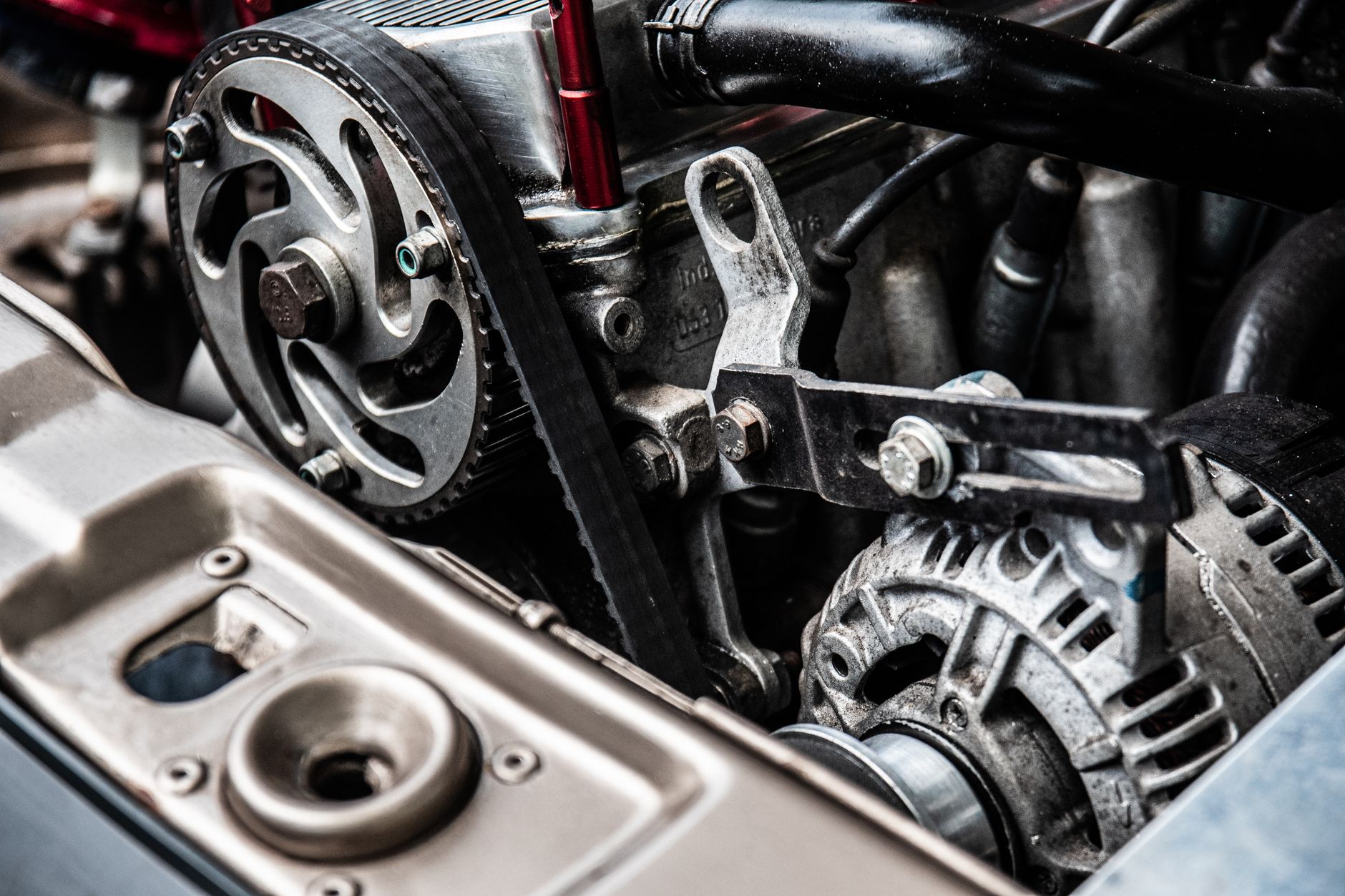
I have pulled enough of these apart to know the problem is rarely the design itself. It is what happens when the service intervals slip, the oil gets contaminated, or a previous owner simply did not know the belt existed. And in 2026, with used car stock still moving quickly and margins tight, there are plenty of these engines sitting on forecourts with nobody having asked the right questions.
Which popular used cars in the UK use wet belt timing systems?
The Ford 1.0-litre EcoBoost is the big one. It has been fitted to the Fiesta, Focus, EcoSport and Transit Courier in huge numbers since 2012, and because it won engine-of-the-year awards and returned decent fuel economy, it became a staple of the UK used market. The wet belt on this engine runs in the lower part of the block, submerged in engine oil, and Ford specified a replacement interval of 150,000 miles or ten years, whichever comes first. On paper that sounds reassuring. In practice, if the oil service intervals have been missed or the wrong grade of oil used, that belt degrades considerably faster.
Volkswagen Group engines are less discussed but equally relevant. The 1.6 TDI fitted to the Golf, Polo, Seat Leon, Skoda Octavia and various Audi A1 and A3 variants uses a wet belt in the timing system on certain build years. Renault has used similar setups on 1.5 dCi engines across the Clio, Megane and Kangoo range. PSA Group (now Stellantis) also fitted wet belt systems to versions of the 1.2-litre PureTech petrol, which appears in the Peugeot 208, 308, Vauxhall Corsa, Citroen C3 and DS3. That last one has given the trade particular grief, with a string of failures that prompted extended warranties and legal disputes between owners and dealers across Europe.
What failure looks like and what mechanics are actually seeing
Belt failure in a wet belt system is rarely dramatic in the way a snapped dry cam belt is. It tends to be progressive. The belt stretches, timing wanders, the engine starts running rough or throwing misfire codes. On the Ford EcoBoost, I have seen P0016 and P0017 crankshaft/camshaft correlation faults appear well before any physical failure, which is at least useful as an early warning. On the PureTech 1.2, the failure mode is more brutal: oil starvation accelerates belt wear and failures have been reported at under 50,000 miles on cars with service gaps of just 12-18 months.

The mechanics I speak to regularly are seeing three categories of wet belt problem in their booking diaries right now. First, the obvious: a car brought in with an engine management light and timing faults. Second, the speculative: a customer buying a used car who wants a pre-purchase inspection and asks specifically about the belt because they have done their homework. Third, and most problematic: the post-purchase discovery, where a car has been sold, the new owner notices poor running or oil consumption, and the belt is found to be well beyond its usable life. That third category is where traders end up in front of Trading Standards.
Identifying service history gaps is critical on these engines. The wet belt on the Ford EcoBoost requires an oil change every 12 months or 12,500 miles regardless of the service indicator, and Ford updated its guidance to specify full synthetic 5W-20. Any car with a full service history using the wrong viscosity, or with gaps longer than 18 months, should be treated as a potential belt replacement job before resale. For the PSA PureTech 1.2, the same logic applies but the tolerance is even tighter.
How to read the service history properly on wet belt cars
A stamped service book is not enough on its own. You want invoices, not just stamps, and you want to see oil grade recorded. On used cars coming through auction, that level of documentation is often absent, which is why I have written before about how service history gaps are costing UK traders at auction and on the forecourt in ways that go well beyond the purchase price.
When inspecting a wet belt car, check the oil for any signs of degradation or contamination. Drop the sump plug and look at what comes out. On the Ford EcoBoost, there is a known issue with coolant getting into the oil via a failing head gasket on higher-mileage examples, and a compromised coolant-oil mix will destroy a wet belt faster than anything. A borescope inspection of the timing cover area is worth the ten minutes it takes. If you are buying blind at trade auction, build the cost of a belt replacement into your bid price on any wet belt engine with a service history you cannot verify.
For traders doing their own PDI process, a basic diagnostic scan looking for timing correlation codes should be standard on any car with a known wet belt engine. Specialists sourcing engine internals from suppliers like KMP Brand will know that the precision tolerances on timing components are non-negotiable; the same principle applies to wet belt inspection: there is no acceptable grey area.
What traders are legally required to disclose before sale
This is where a number of dealers are getting caught out. Under the Consumer Rights Act 2015, a car must be of satisfactory quality, fit for purpose, and as described. If a trader knows or ought reasonably to know that a wet belt is at or near its service interval, selling the car without disclosure or rectification creates real legal exposure. The phrase “ought reasonably to know” is doing a lot of work there: it means ignorance is not a defence if the information was available.
The gov.uk guidance on consumer protection law for motor traders is clear that misrepresentation, including by omission, about a vehicle’s condition can result in the buyer claiming a full refund within 30 days or a repair and partial refund thereafter. Trading Standards are increasingly alert to wet belt-related complaints because the failure mode is well documented and the replacement cost, typically £800 to £1,500 on a Ford EcoBoost and potentially more on the PureTech, is high enough to make a complaint worthwhile for buyers.
I would argue the smart move for any trader is to either replace the belt pre-sale and use it as a selling point, or disclose the mileage and service history transparently and price accordingly. Anything in between is a warranty claim or a Trading Standards letter waiting to happen. The detail of how that legal exposure plays out is worth reading in the context of how the Consumer Rights Act is catching more UK used car dealers out in 2026.
The practical upshot for garages and traders
Wet belt timing systems are not going away. The engines that use them are cheap, popular and numerous enough that they will be on UK forecourts for another decade at least. What changes is how informed the trade becomes. Mechanics who can confidently identify a wet belt engine, interpret the service history correctly, and give an honest assessment of belt condition are genuinely valuable to traders who want to stay on the right side of consumer law.
For independent garages, there is a revenue opportunity here too. Pre-sale wet belt inspections and replacements are a straight-forward add to the service menu, and customers who have read about PureTech failures in the motoring press are already asking for them. The timing chain failures covered separately on this site touch on similar themes, but the wet belt situation is distinct precisely because the failure mechanism is oil-dependent and the service interval is shorter than most owners realise. Know the engine codes. Know the service requirements. And if you are selling a car with one of these engines, know what you are obliged to say.
Frequently Asked Questions
Which cars have wet belt timing systems in the UK?
The most common are the Ford 1.0 EcoBoost (Fiesta, Focus, EcoSport), the PSA/Stellantis 1.2 PureTech (Peugeot 208, Vauxhall Corsa, Citroen C3), the Volkswagen Group 1.6 TDI, and several Renault 1.5 dCi variants. These engines have been sold in very large numbers in the UK, so used examples are widespread.
How often does a wet belt need replacing?
Ford specifies 150,000 miles or ten years for the EcoBoost, but this assumes correct oil grade and no missed services. In practice, many specialists recommend inspection at 60,000 miles on cars with incomplete histories. The PSA PureTech 1.2 has had failures well under 50,000 miles due to oil degradation, so its interval is considered far more critical.
What are the warning signs of a wet belt failure?
Early signs include rough running, increased oil consumption, and engine management codes relating to crankshaft and camshaft timing correlation (such as P0016 and P0017 on Ford engines). A rattling noise on start-up, particularly when cold, can also indicate belt wear. Any of these on a known wet belt engine should prompt immediate inspection.
Leave a Reply