Category: Insights

  • Why Used EV Prices Are Crashing and What It Means for Car Dealers

    Why Used EV Prices Are Crashing and What It Means for Car Dealers

    Used electric vehicle prices in the UK have fallen off a cliff over the past 18 months, and the numbers are hard to ignore. Some early-generation models have shed 40 to 50 per cent of their value in under two years. For fleet managers and private sellers alike, that is a brutal reality. For motor traders paying attention, it is also one of the more interesting buying opportunities this market has thrown up in a long time. Understanding why used EV prices UK crashing has become the defining story of the second-hand car market in 2026 is the first step to making sense of it.

    Used car forecourt showing electric vehicles as used EV prices UK crashing affects dealer stock
    Used car forecourt showing electric vehicles as used EV prices UK crashing affects dealer stock

    How Far Have Used EV Prices Actually Fallen?

    The headline figures are striking. Data published by Auto Trader and corroborated by Cap HPI shows that average used EV prices dropped by around 35 per cent between early 2023 and mid-2025. Certain models have fared far worse. A three-year-old Nissan Leaf 40kWh, which would have fetched £16,000 to £17,000 at peak, is now routinely listed under £10,000. Early Renault Zoe examples have tumbled even further, with some dealers reporting wholesale prices in the £5,000 to £7,000 range. The Tesla Model 3 has not been immune either, with used examples down roughly 30 per cent from their 2022 highs.

    According to figures from the Society of Motor Manufacturers and Traders (SMMT), used EV stock levels at franchised and independent dealers more than doubled between 2023 and 2025 as lease returns flooded back into the market. Supply is up, demand has not kept pace, and prices have adjusted accordingly.

    What Is Actually Driving the Used EV Price Crash?

    Several forces are working in the same direction at once, which is why the correction has been so sharp.

    Battery anxiety and range concerns

    The single biggest barrier for private buyers considering a used EV is battery health. When someone pays £12,000 for a used petrol hatchback, they broadly understand what they are getting. When they consider a used EV at the same price, the question of how much range remains in the battery creates hesitation. Real-world range can drop noticeably on older battery chemistry, and without a clear, standardised health report that buyers trust, many simply walk away. Until the industry lands on a universally accepted battery health certificate, this anxiety is going to keep suppressing demand at the lower end of the used EV market.

    New EV prices falling sharply

    Chinese manufacturers, particularly BYD and MG, have driven new EV list prices down considerably. When a brand-new entry-level BYD Seagull or refreshed MG4 is available for under £20,000, the value proposition of a three-year-old Nissan Leaf at £9,000 starts to look questionable. Buyers with £10,000 to £12,000 to spend increasingly see the stretch to new as worthwhile, especially given the warranty benefit.

    Charging infrastructure doubts

    Despite genuine progress on the UK’s public charging network, confidence is still patchy outside major cities. Drivers in rural areas of Wales, Scotland and parts of the Midlands report frustration with reliability. That doubt filters into the used market. Buyers who cannot install a home charger because they live in a flat or terraced house without off-street parking calculate the friction cost and often opt for a hybrid instead.

    Lease return flood

    A huge wave of three-year business and personal contract hire agreements, many signed during the EV boom of 2021 and 2022, matured in 2024 and 2025. Tens of thousands of used EVs hit the wholesale market simultaneously, overwhelming demand. That glut has not fully cleared.

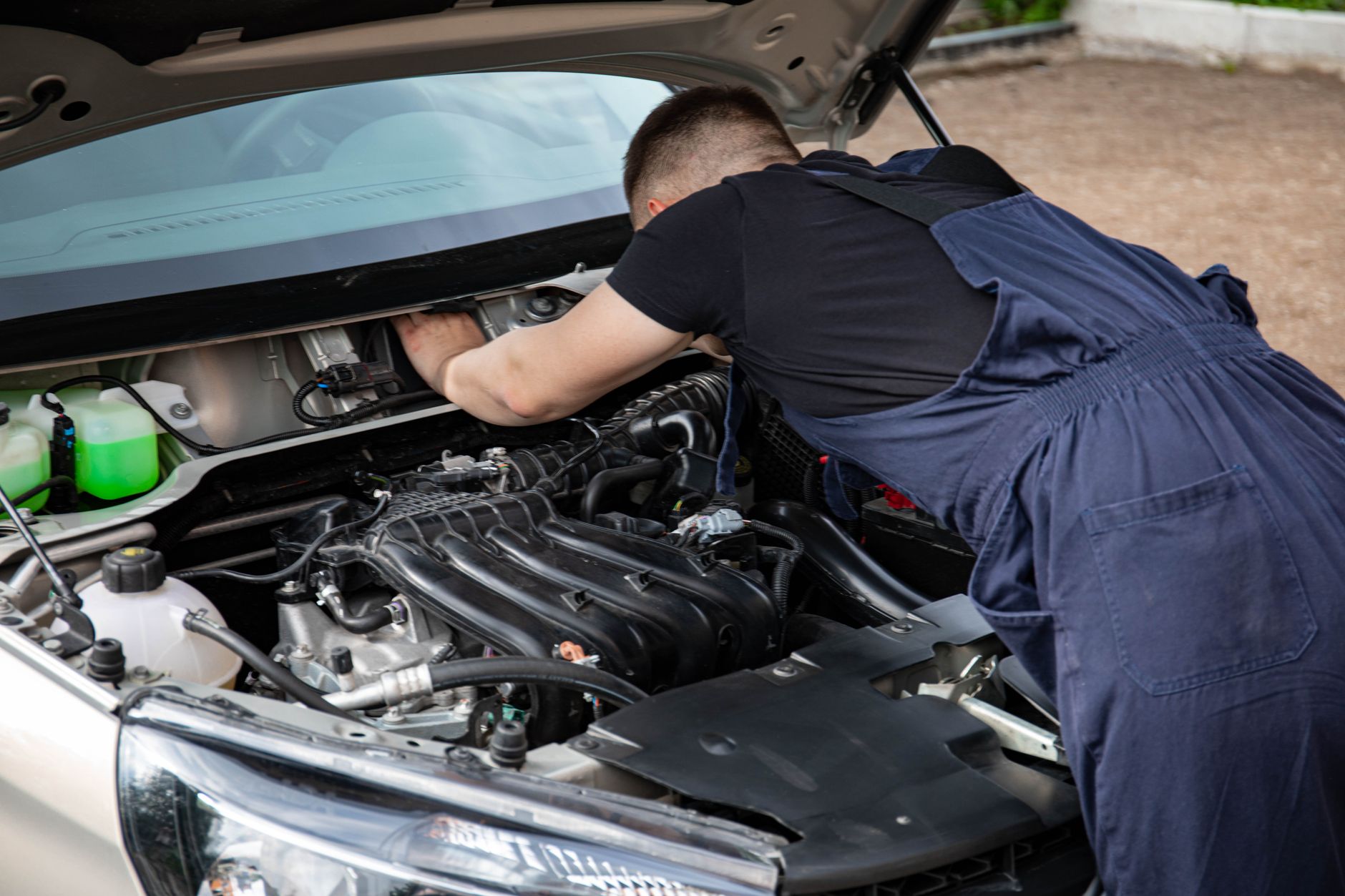
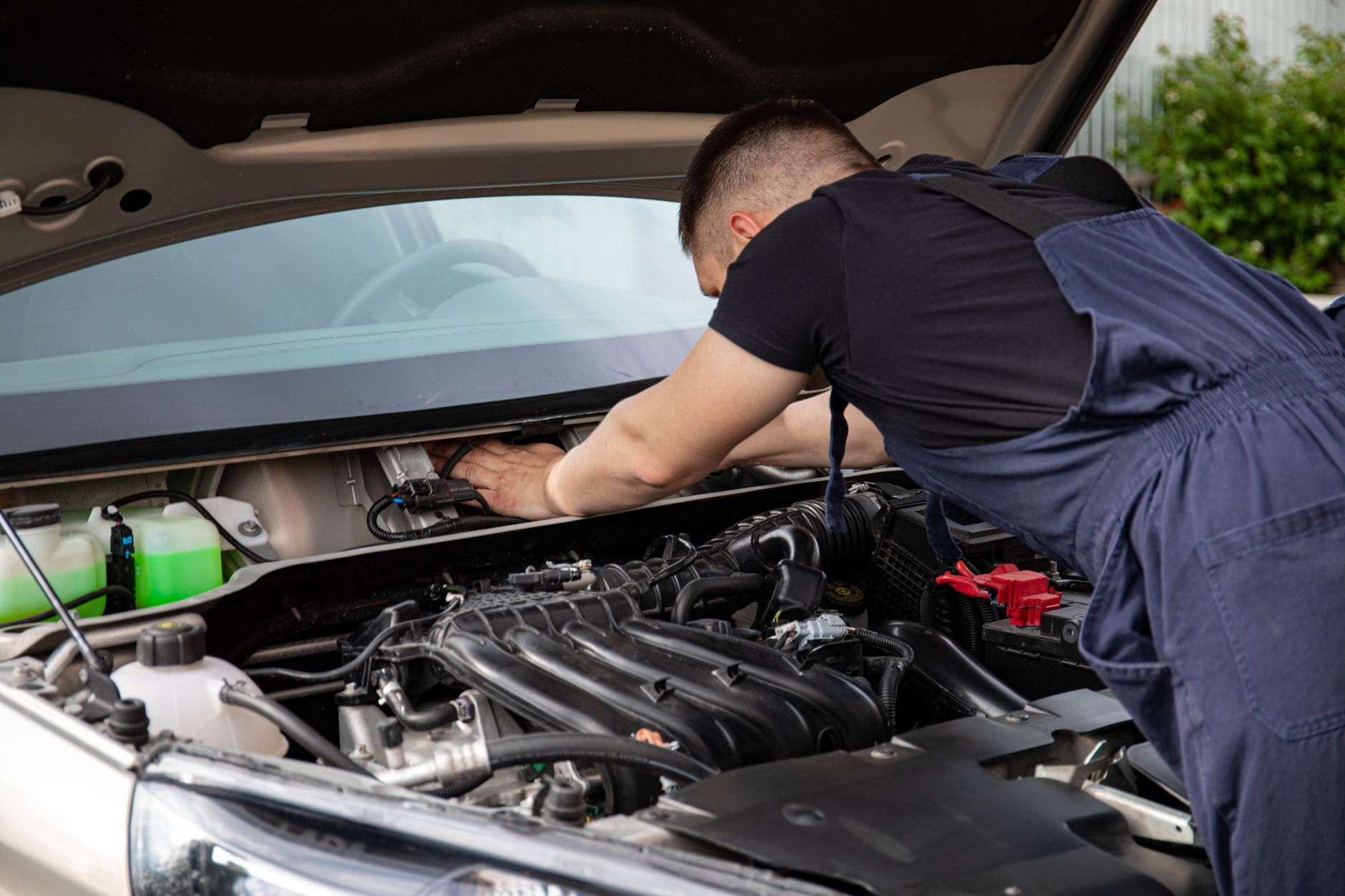
    Mechanic checking battery health data as part of assessing used EV prices UK crashing impact on stock
    Mechanic checking battery health data as part of assessing used EV prices UK crashing impact on stock

    Opportunities for Motor Traders Buying Used EVs Right Now

    There are real opportunities here, but they require a different kind of discipline than a traditional used car buy. The traders doing well out of this environment are the ones who have educated themselves on battery condition, invested in the right diagnostic kit, and targeted buyers who genuinely understand running costs.

    The fundamental opportunity is straightforward: if used EV prices UK crashing means wholesale values are depressed, a trader who can accurately assess battery health and certify it to buyers can buy well, add confidence, and sell with a margin. The friction is entirely around trust. Remove the trust problem and you remove the biggest discount the market is pricing in.

    Smart traders are also paying attention to the modified cars and enthusiast segment. While most consumers see an older EV as purely a commuter tool, a growing number of home mechanics and enthusiasts are buying them for DIY projects, conversion experiments, or simply cheap-to-run daily transport with a willingness to do their own car repairs. This is a different buyer profile to the nervous first-time EV owner, and pricing needs to reflect that. For that segment, sourcing and stocking quality parts is essential. Suppliers focused on specific vehicle niches are worth knowing. Based in the UK, NSUKSpares.com supplies Toyota 4×4 spare parts to enthusiasts and independent traders; while their stock centres on Toyota off-road models rather than EVs, they represent the kind of specialist approach that works in a parts market where generalised stock increasingly falls short. Traders dealing in modified cars or running budget car repairs know that niche suppliers (visit www.nsukspares.com for Toyota 4×4 lines) often outperform general factors on availability and knowledge.

    The Risks Every Dealer Needs to Price In

    Buying used EVs cheaply is not a free lunch. The risks are specific and worth spelling out clearly.

    Battery degradation is not always visible

    A car can present perfectly on a test drive whilst losing a significant chunk of its rated range. Without a proper battery health readout from a compatible OBD tool or manufacturer-level diagnostic, you are guessing. Some models are more transparent than others; Teslas provide detailed in-car battery data, whilst older Leafs require a dedicated LEAF Spy app to get accurate state-of-health figures.

    Residual value uncertainty

    Nobody has a reliable long-range forecast for where used EV values settle. If you buy at today’s depressed prices and values fall another 20 per cent over the next 12 months as more lease returns arrive, your stock is underwater. Cap HPI and Glass’s Guide publish EV-specific residual value guidance but both acknowledge forecast confidence is lower than for ICE vehicles.

    Consumer warranty expectations

    Private buyers increasingly expect some form of battery warranty on a used EV. Offering none means competing purely on price, which is a race to the bottom. Some dealers are partnering with third-party battery warranty providers to add perceived value without taking on unlimited liability themselves.

    Which Models Represent the Best Used EV Value Right Now?

    Experienced traders tend to converge on a handful of models at present. The Tesla Model 3 (2019 to 2021 build years) offers a well-documented battery management system and strong consumer recognition. The Kia e-Niro and Hyundai Kona Electric are popular with buyers who want Japanese and Korean build quality reassurance. Avoid early Renault Zoe examples unless priced as project cars, given their battery lease complications, though most have since moved to owned batteries.

    With used EV prices UK crashing across almost all segments, selective buying based on battery chemistry, software support lifespan, and charging standard compatibility (CCS versus CHAdeMO is increasingly relevant as the latter fades from UK rapid charge networks) is the discipline that separates profitable stock from money pits.

    The broader point is that the crash in used EV prices is not a sign that electric vehicles are a failed proposition. It is a market correction after a period of artificial scarcity and speculative pricing. Traders who approach this environment with the right tools, the right knowledge, and realistic stock turn expectations will find the next couple of years genuinely rewarding. Those who buy on cheap price alone, without understanding what they are actually taking on, will find it expensive. The data and the diagnosis matter more in EV trading than almost anywhere else in the used car market.

    For further context on the UK’s used car market and EV adoption trends, the Society of Motor Manufacturers and Traders publishes regular registration and used car market data that is worth bookmarking if you are actively trading in this space.

    Frequently Asked Questions

    Why are used EV prices dropping so fast in the UK?

    The main drivers are a flood of lease returns hitting the wholesale market simultaneously, falling new EV prices from manufacturers including Chinese brands, and persistent battery anxiety among private buyers. These factors have combined to suppress demand whilst supply has increased sharply.

    Which used EVs have lost the most value in the UK?

    Early Nissan Leaf models, Renault Zoe examples from pre-2020, and older BMW i3 variants have seen the steepest drops, with some shedding over 50 per cent of their peak value. Tesla Model 3 and Kia e-Niro have depreciated heavily too, though they retain stronger buyer confidence.

    Is now a good time for car dealers to buy used EVs at auction?

    It can be, provided you have the diagnostic tools to assess battery health accurately before bidding. Wholesale prices are genuinely low on many models, but residual value uncertainty means carrying large used EV stock without clear battery condition data is a significant risk.

    How can a dealer check the battery health of a used electric car?

    For Teslas, in-car menus show battery degradation data. For Nissan Leafs, the LEAF Spy app via an OBD adaptor gives state-of-health readings. Most other models require manufacturer-level diagnostic software or a specialist EV diagnostic tool such as those from Autel or Snap-on to get reliable battery capacity figures.

    Will used EV prices in the UK recover, or keep falling?

    Industry forecasters including Cap HPI suggest prices may stabilise once the lease return glut clears, possibly by late 2026 or 2027. However, continued pressure from falling new EV prices and evolving battery technology means a full recovery to 2022 peak values is considered unlikely in the short term.

  • How Auto Electricians Can Break Into the EV Home Charging Installation and Repair Market

    How Auto Electricians Can Break Into the EV Home Charging Installation and Repair Market

    The home EV charging market in the UK is growing faster than most people in the trade expected. According to gov.uk, there are now well over a million registered electric vehicles on UK roads, and a significant proportion of those owners are either installing home charge points for the first time or dealing with faults on existing units. For a skilled auto electrician, this is genuinely one of the most lucrative openings the trade has seen in years. The question is how to position yourself to take full advantage of it.

    This guide covers exactly that. Certifications, tools, pricing, and the practical realities of turning EV charging repair into a proper income stream.

    Auto electrician inspecting an EV home charge point during an EV charging repair job on a residential driveway
    Auto electrician inspecting an EV home charge point during an EV charging repair job on a residential driveway

    Why EV Charging Repair Is a Smart Move for Auto Electricians Right Now

    Traditional auto electrical work is evolving rapidly. Alternators, starter motors, and traditional wiring looms are increasingly being supplemented by high-voltage systems, CAN bus diagnostics, and battery management electronics. Home charge point installation and repair sits right at the intersection of automotive knowledge and domestic electrical understanding, which makes auto electricians arguably better placed than either purely domestic electricians or general mechanics to handle this work.

    Faults are common. Charge points from brands like Pod Point, Ohme, Hypervolt, and Easee regularly throw connectivity errors, software glitches, earthing faults, and relay failures. Homeowners often find that the original installer has moved on or charges a call-out fee that rivals the cost of a new unit. A local, knowledgeable auto electrician who understands both the vehicle side and the installation side is genuinely rare, and clients will pay well for that.

    What Certifications Do You Actually Need?

    This is where a lot of auto electricians stall, and it is worth being direct about what is and is not required.

    To install or work on domestic charge points as a business, you need to be registered with a competent person scheme. For EV charging specifically, the relevant scheme is NAPIT or NICEIC, with OZEV (Office for Zero Emission Vehicles) approval being the key accreditation for accessing the government’s EV chargepoint grant scheme. Without OZEV approval, you cannot install charge points that qualify for the grant, which immediately limits your market.

    The typical route is:

    • City and Guilds 2919 (Electric Vehicle Charging Equipment Installation) or equivalent EV-specific qualification. This is the recognised standard and takes between three and five days depending on the provider.
    • 18th Edition Wiring Regulations (BS 7671) if you do not already hold it. Most experienced auto electricians are familiar with 12V and 24V vehicle systems but may not hold the domestic wiring qualification. This is a short course and genuinely essential.
    • OZEV Approved Installer registration through a body such as NAPIT or NICEIC. There is a cost involved, typically in the region of £300 to £600 per year depending on the scheme, but it opens up the grant-eligible installation market.

    For repair work rather than new installations, the rules are slightly less prescriptive, but being registered and qualified still gives customers confidence and protects you professionally.

    Close-up of tools used during EV charging repair work by an auto electrician
    Close-up of tools used during EV charging repair work by an auto electrician

    Tools You Will Need for EV Charging Repair Work

    The good news is that an auto electrician already owns a lot of what is needed. The additions are not hugely expensive.

    Insulation resistance tester (MFT). A multifunction tester capable of insulation resistance, continuity, and loop impedance testing is essential for domestic charge point work. Megger and Fluke both produce reliable units used widely across the UK trade. Expect to spend between £300 and £700 for a quality instrument.

    EV-rated PPE. High-voltage gloves rated to at least Category 0 (1000V), insulated screwdrivers, and voltage testers. These should already be part of any auto electrician’s kit if they are working on HV vehicle systems.

    Laptop or tablet with charge point diagnostic software. Most modern charge points from major brands have companion apps or web-based back-end portals that allow configuration and fault code reading. Familiarity with OCPP (Open Charge Point Protocol) basics helps when dealing with smart charger issues.

    Cable crimping and termination kit. Home charge point installations typically terminate in a consumer unit or dedicated RCBO-protected circuit. Clean, properly torqued terminations are non-negotiable.

    Beyond these additions, the oscilloscope, multimeters, and wiring knowledge already in your kit translate directly.

    How to Price EV Charging Repair Jobs Competitively

    Pricing is where many skilled tradespeople undervalue themselves, particularly when entering a new service area. Here is a realistic breakdown based on current UK market rates.

    New home charge point installation: The total cost including equipment typically runs from £900 to £1,400 for a standard 7kW single-phase unit. Labour for a straightforward install is generally priced between £250 and £450. Faster installation means lower unit cost; complicated cable runs, consumer unit upgrades, or listed buildings push it higher. The OZEV grant currently offers £350 off for eligible properties, which makes your approved installer status a genuine sales point.

    Fault diagnosis and repair: Call-out plus first hour is typically £80 to £120, with subsequent hours at £50 to £80. Most common charge point faults, connectivity resets, relay replacements, earthing corrections, are resolved within two hours on-site. A straightforward relay swap in a Pod Point unit that takes 90 minutes should comfortably bill at £180 to £200 including parts.

    Software reconfiguration and pairing issues: Smart charger pairing failures with home Wi-Fi or a vehicle’s RFID system are increasingly common and often take less than an hour to resolve. Pricing this at a flat £95 to £120 call-out feels fair and keeps customers coming back rather than calling a manufacturer’s expensive helpline.

    The key to competitive pricing in this space is not racing to the bottom. EV owners are, on average, higher earners with relatively new vehicles. They expect professional service and will pay for it. Price accordingly.

    Building a Customer Base in the EV Charging Space

    Word of mouth travels quickly among EV owners, particularly in local Facebook groups and neighbourhood apps like Nextdoor. One well-handled job tends to generate two or three referrals. Make sure you leave every installation tidy, provide a brief handover explaining the charge point operation, and follow up with a WhatsApp or email check-in a fortnight later. It sounds simple, but most tradespeople do not do it.

    Registering as an OZEV-approved installer and listing on relevant trade directories (Trustmark, NAPIT’s public finder) builds organic enquiries without paid advertising. Partnering with local EV dealerships, particularly independent ones, creates a referral pipeline that can fill your diary surprisingly quickly.

    The EV charging repair and installation market is still relatively uncrowded with genuinely skilled auto electricians. The work suits the trade perfectly, the certification route is manageable, and the earnings potential is real. For any auto electrician looking at where the next five years of solid work is coming from, this is worth taking seriously.

    Frequently Asked Questions

    Do I need special certification to repair EV home charging units as an auto electrician?

    For fault diagnosis and repair work, there is no single mandatory certification, but holding City and Guilds 2919 and 18th Edition BS 7671 qualifications is strongly advisable and builds client confidence. If you want to install new units and access the OZEV government grant scheme, you will need to register as an approved installer through NAPIT or NICEIC.

    How much can an auto electrician charge for EV charger repair in the UK?

    A typical call-out and first hour of diagnostic work runs between £80 and £120, with most common faults resolved within two hours. Straightforward repairs such as relay replacements or earthing corrections generally bill out at £150 to £220 including parts, depending on your location and the complexity of the job.

    What is the OZEV approved installer scheme and do I need it?

    OZEV (Office for Zero Emission Vehicles) approved installer status allows you to install charge points that qualify for the government’s EV chargepoint grant, currently worth £350 for eligible properties. Without it, you can still carry out repair work but you cannot offer grant-eligible installations, which significantly limits your market.

    What are the most common faults auto electricians find on home EV chargers?

    The most frequent issues include Wi-Fi or Ethernet connectivity failures, faulty RCBO or relay components, earthing faults caused by poor original installations, and software or firmware glitches that prevent charging sessions from starting. Most of these are within the skill set of an experienced auto electrician with basic domestic wiring knowledge.

    How long does it take to qualify for EV charging installation work?

    The City and Guilds 2919 course typically runs between three and five days, and the 18th Edition Wiring Regulations course can be completed in around three to four days if you do not already hold it. Registration with an approved installer scheme such as NAPIT or NICEIC then takes a few weeks to process, so the total route from start to trading is realistically six to ten weeks.

  • Car Subscription Services vs Buying: What UK Drivers Are Choosing in 2026

    Car Subscription Services vs Buying: What UK Drivers Are Choosing in 2026

    Something has been quietly chipping away at the traditional car-buying model in Britain, and it is accelerating faster than most traders have clocked. Car subscription services in the UK in 2026 are no longer a niche curiosity for tech-forward commuters. They are a genuine commercial force, attracting hundreds of thousands of drivers who would previously have walked into a forecourt, signed a finance agreement, and driven away happy. Understanding what is happening here, and why, is not optional for motor traders any more.

    This is not the same conversation as leasing. Subscriptions sit in a different bracket entirely, and the distinction matters enormously to anyone running a dealership, a used car operation, or a fleet business.

    UK car dealership forecourt illustrating the impact of car subscription services UK 2026 on traditional buying
    UK car dealership forecourt illustrating the impact of car subscription services UK 2026 on traditional buying

    What Car Subscription Services Actually Are (and Why Drivers Like Them)

    At their core, car subscription services bundle the vehicle, insurance, maintenance, breakdown cover, and road tax into one fixed monthly payment. Drivers typically commit to a minimum term of one to three months, with the freedom to swap vehicles or cancel at relatively short notice. Compare that to a 36-month PCP agreement and you can immediately see the appeal for a certain type of driver.

    Providers like Cazoo Flex, Onto (which focuses on EVs), and Elmo have collectively grown their subscriber bases considerably over the past two years. Onto, for instance, has publicly reported growing its fleet to cover demand across major UK cities, with particular strength in London where drivers are wary of committing to a vehicle only to find it falls foul of ULEZ expansion. That single policy concern has sent thousands of drivers towards subscription models where swapping to a cleaner car mid-contract is straightforward.

    According to data published by the Society of Motor Manufacturers and Traders (SMMT), changing consumer attitudes towards vehicle ownership are among the key structural trends reshaping the UK new car market. Subscription sits squarely within that shift.

    How Car Subscription Growth Is Hitting Used Car Sales

    Here is where it gets complicated for the trade. Subscription fleets need to turn over their vehicles regularly to keep the offering fresh and maintain residual values. When those cars come off-fleet, they enter the used market in large volumes, often well-specced and at relatively low mileage. That sounds like good news for used car dealers on the surface, but the influx of stock is suppressing prices in certain segments.

    Budget EVs and small-to-medium electric hatchbacks are taking the brunt of it. Subscription providers running high volumes of models like the Vauxhall Corsa-e or MG4 are cycling those cars back into the used market at 12 to 18 months old. Dealers then compete against each other to shift the same model in similar condition, and margins shrink accordingly.

    On the traditional finance side, PCP has been the lifeblood of franchised dealerships for over a decade. If a meaningful slice of potential customers, particularly younger buyers in their late twenties and early thirties, opts for subscription instead, that revenue stream gets thinner. The driver who might have signed a three-year PCP deal on a new Kia Niro is instead paying a monthly subscription and never setting foot in a showroom at all.

    Driver managing a car subscription service UK 2026 via mobile app inside an electric vehicle
    Driver managing a car subscription service UK 2026 via mobile app inside an electric vehicle

    What Motor Traders Need to Understand About the Subscription Model’s Limitations

    Subscription is not a perfect product, and knowing its weaknesses is actually the independent trader’s best weapon right now.

    Cost is the obvious one. A subscription on a mid-range family car can run to £600 to £900 per month all-in. That is competitive when you factor in insurance and maintenance, but it remains significantly more expensive per month than a standard PCP deal on the same car. Drivers who do the sums properly will often realise they are paying a premium for flexibility they may not actually need.

    Customisation is another sticking point. Subscription vehicles are fleet-spec. You get what you get. For the buyer who wants a specific colour, a particular trim level, or an aftermarket modification, subscription simply does not work. That is a real opening for franchised dealers and independents who can offer choice, proper test drives, and a personal sales experience.

    Mileage caps matter too. Most subscription providers operate restrictions similar to lease agreements, typically between 500 and 1,500 miles per month. Drivers who clock up significant mileage for work, tradespeople with tools in the boot, anyone who regularly heads up to Scotland for the weekend, these are buyers who will still find outright ownership or a well-structured finance deal more practical.

    How Dealerships and Independent Traders Can Adapt

    The traders who will struggle are those treating subscription as a threat and ignoring it. The ones who will thrive are those who figure out how to position themselves alongside it rather than against it.

    A few practical moves worth considering:

    • Source off-subscription stock smartly. Those ex-fleet cars coming off subscription providers at 12 to 18 months old represent genuine opportunity if you move quickly. They arrive in excellent condition, with full digital service histories, and strong brand recognition. Knowing which auction channels carry them is worth investing time in.
    • Compete on the experience, not just the price. Subscription is entirely transactional. A driver dealing with a great independent or franchised dealer gets advice, test drives, part-exchange value, and someone to call when something goes wrong. Lean into that.
    • Consider whether a hybrid offering makes sense for your business. Some regional dealers are exploring short-term hire or flexible rental arrangements alongside their core sales operation. This is not straightforward to set up, but it does keep footfall coming through the door from customers who are not yet ready to commit to a purchase.
    • Tailor your pitch for the subscription-curious buyer. Someone who has been on a subscription for six months and found it expensive is a warm prospect. They already understand the value of a quality car and modern features. They just did not like the ongoing cost. Have that conversation ready.

    The Bigger Picture for the Motor Trade in 2026

    Car subscription services in the UK in 2026 represent a structural change in how a growing minority of drivers think about vehicle access, not a wholesale replacement of buying. The vast majority of UK drivers still purchase their cars outright or through finance. Over 80% of new car registrations are still tied to some form of conventional ownership or long-term contract.

    But minority trends become majority behaviours over time if the economics shift in their favour. Insurance costs, ULEZ zones, the pace of EV development, changing attitudes among younger drivers: all of these could push more people towards the flexibility of subscription over the next five years.

    Motor traders who pay attention now, who understand the model’s appeal and its real limits, will be in a far stronger position than those who wake up to it in 2028 wondering where their customers went. The forecourt is not dead. It just needs to work a bit harder to justify itself. That, if anything, is something anyone in the trade should be used to.

    Frequently Asked Questions

    How much does a car subscription cost in the UK in 2026?

    Costs vary widely depending on the vehicle and provider, but most UK car subscription services charge between £400 and £1,000 per month, with insurance, servicing, and road tax typically included. Smaller EVs or city cars sit at the lower end, while premium or larger vehicles push prices significantly higher.

    Is a car subscription better value than buying or leasing?

    For most drivers, traditional PCP finance or outright purchase is cheaper over a comparable period. Subscription commands a premium for flexibility, so it suits drivers who genuinely need to change vehicles frequently or want to avoid long-term commitment, rather than those seeking the lowest monthly cost.

    Which companies offer car subscriptions in the UK?

    Key UK providers include Onto (focusing on electric vehicles), Elmo, and various manufacturer-backed schemes offered through brands like Volkswagen and Volvo. Some franchised dealer groups have also launched their own short-term vehicle access products to compete in this space.

    Are car subscription services affecting used car prices in the UK?

    Yes, to a degree. As subscription fleets mature, large volumes of well-maintained, low-mileage used cars enter the market at 12 to 24 months old, which is increasing supply in certain segments, particularly smaller EVs, and putting downward pressure on residual values in those categories.

    Can a mechanic or independent garage benefit from the car subscription trend?

    Indirectly, yes. Subscription vehicles require regular servicing and maintenance, and some providers contract this work out to approved independent garages. There is also opportunity in sourcing and reconditioning ex-subscription stock for resale, as these vehicles typically arrive in good condition with full service records.

  • Motor Trade Insurance in 2026: How to Get the Right Cover Without Overpaying

    Motor Trade Insurance in 2026: How to Get the Right Cover Without Overpaying

    Motor trade insurance is one of those things that feels straightforward until you actually start looking into it. Then you realise there are half a dozen policy types, premiums that vary wildly between insurers, and a fair bit of small print that can bite you at the worst possible moment. Whether you’re a sole trader working from your driveway, a mobile mechanic covering a patch across three counties, or running a small independent garage with a forecourt, getting the right motor trade insurance UK 2026 means understanding what you’re actually buying before you sign anything.

    This guide breaks it down properly. No fluff, no scare tactics. Just the key things you need to know.

    Independent garage mechanic reviewing motor trade insurance UK 2026 paperwork outside his workshop
    Independent garage mechanic reviewing motor trade insurance UK 2026 paperwork outside his workshop

    What Does Motor Trade Insurance Actually Cover?

    Standard motor insurance doesn’t cut it when you’re working on or moving other people’s vehicles. That’s the starting point. Motor trade insurance is specifically designed to cover you while you’re in possession of vehicles that don’t belong to you, whether that’s test driving a customer’s Golf, moving a car on your forecourt, or ferrying a purchase from a trade auction back to your garage.

    The main cover types you’ll encounter are:

    • Road risk only — the most basic level. Covers you and any named or any-driver extensions for driving customers’ or trade vehicles on the road. Popular with mobile mechanics and sole traders who don’t need premises cover.
    • Combined motor trade insurance — road risk plus premises cover. This is where you add protection for your garage building, tools, stock, and liability cover. Essential for anyone operating from a fixed site.
    • Liability cover — public liability, employers’ liability (legally required if you have staff), and product liability if you’re selling parts or completed vehicles.

    Most policies will also offer add-ons like tool cover, money cover, and engineering inspection. Useful, but watch out for these bumping your premium before you’ve decided whether you actually need them.

    Who Needs Motor Trade Insurance in the UK?

    The Motor Insurers’ Bureau and current UK law are clear: if you’re involved in the buying, selling, repairing, valeting, or transporting of vehicles as part of a business, you need a motor trade policy. This includes:

    • Independent garages and repair workshops
    • Mobile mechanics and auto electricians
    • Used car dealers, including those trading from home
    • Bodywork and paint specialists
    • MOT stations
    • Vehicle recovery operators

    It’s worth noting that HMRC and trading standards have become increasingly sharp about home-based traders running a few sales through classified ads without proper cover. If you’re buying and selling more than a handful of cars per year, you’re almost certainly operating as a trader in the eyes of the law, and you need the right insurance to match.

    Motor trade insurance policy document reviewed by a UK mechanic at his workbench
    Motor trade insurance policy document reviewed by a UK mechanic at his workbench

    What Affects Your Motor Trade Insurance Premium in 2026?

    Premiums for motor trade insurance UK 2026 have shifted noticeably compared to a couple of years ago. The combination of rising repair costs, increased parts prices (largely down to ongoing supply chain issues), and higher vehicle values across the board has pushed base rates up. That said, there’s still a significant spread between what different insurers will quote you, so understanding the rating factors is genuinely useful.

    Key factors that affect your premium

    Age and experience. Under-25s pay more. Harsh but true. If you’re a young mechanic starting out, expect road risk premiums to reflect that. A few years of claims-free trading history makes a real difference.

    Type of work. A general service and repair garage is rated differently from a performance tuning specialist or a salvage dealer. Higher-risk work means higher premiums, and trying to understate your activities to save money is a fast route to a voided claim.

    Value of vehicles in your custody. Insurers want to know the maximum value of vehicles you hold at any one time. If you’re regularly sitting on £80,000 worth of stock or customer cars, your premium will reflect that. Keeping your declared figure realistic (not padded, not understated) is important.

    Named or any driver cover. Any-driver policies are handy for garages with multiple staff, but they cost more. Named drivers with clean licences bring the price down.

    Premises security. Insurers do ask about CCTV, alarmed locks, and whether your site is secured overnight. Good security genuinely helps.

    Claims history. A single at-fault claim can push your renewal up considerably. Some traders avoid claiming for minor incidents precisely for this reason, though it’s always worth running the numbers first.

    How to Compare Motor Trade Insurance Quotes Effectively

    The comparison site route is fine as a starting point, but motor trade insurance is a specialist product and the aggregators don’t always surface the best deals from specialist brokers. A few things that genuinely help:

    Use a specialist broker

    Brokers who work exclusively in motor trade insurance (there are several well-established ones based in the UK) can access schemes and underwriters that aren’t available on the open market. They also understand the nuances of your trade. A broker who deals with garages all day will ask the right questions and help you avoid gaps in cover that a generic comparison site won’t flag.

    Be accurate about your activities

    It sounds obvious, but a lot of traders still try to describe their work in the most favourable terms possible when applying. If you occasionally do performance modifications or run track day preparation alongside bread-and-butter servicing, declare it. Insurers who find out after a claim will argue non-disclosure. It’s not worth it.

    Check the excess structure

    Voluntary excess can look like an easy way to reduce your premium, but stacking a large voluntary excess on top of a compulsory excess means you’re self-insuring a significant chunk of every claim. Know what you can realistically absorb before agreeing to a high excess.

    Review annually, not just at renewal

    If your business has changed significantly mid-year, such as taking on staff, adding a second site, or moving into a new type of work, you need to notify your insurer. Most policies have a mid-term adjustment process. Failing to update your cover is another route to an invalidated claim.

    The British Insurance Brokers’ Association (BIBA) maintains a find-a-broker tool specifically for specialist commercial and motor trade policies, which is a solid first stop if you’re not sure where to start.

    Common Mistakes Traders Make With Their Cover

    After talking to mechanics and traders over the years, the same errors crop up repeatedly. Not having employers’ liability when there’s even a part-time helper on site is probably the most common. It’s a legal requirement under the Employers’ Liability (Compulsory Insurance) Act 1969 the moment you have any member of staff, including family members in some cases. The fine for operating without it is up to £2,500 per day.

    Another one is assuming road risk cover extends to test drives by customers. Many policies don’t include this automatically. If you let a potential buyer take a car out unaccompanied, check whether they’re covered or whether you need to add a drive-away extension.

    And finally, not reading the territorial limits. Some cheap road risk policies restrict cover to Great Britain only. If you regularly attend European trade events or drive purchases back from the Republic of Ireland, you could be uninsured without realising it.

    Is Motor Trade Insurance Getting More Expensive?

    Broadly, yes. The Association of British Insurers has reported sustained increases in motor claims costs driven by parts inflation, labour rates, and longer repair times caused by increasingly complex vehicle technology. EV and hybrid vehicles are a particular pressure point, with high-voltage components and specialist repair requirements pushing average claim values up.

    That doesn’t mean you can’t find competitive motor trade insurance UK 2026 rates; it means you need to shop harder and smarter. Loyalty rarely pays when it comes to commercial insurance renewal. Get at least three quotes every year, use a specialist broker for one of them, and make sure your declared business activities are genuinely accurate to avoid any nasty surprises when you actually need to claim.

    Frequently Asked Questions

    How much does motor trade insurance cost in the UK in 2026?

    Costs vary considerably depending on your activities, age, claims history, and the number of vehicles in your custody. A sole trader on road risk only might pay from around £600 to £1,500 per year, while a small garage with combined cover, employers’ liability, and multiple drivers could be looking at £3,000 to £8,000 or more. Getting at least three specialist quotes is the best way to establish a realistic benchmark.

    Can I get motor trade insurance if I work from home?

    Yes, home-based motor trade insurance is widely available and designed specifically for traders who buy, sell, or repair vehicles from a residential address. You’ll typically need to declare the number of vehicles on your property at any one time and confirm your driveway or off-road parking arrangements. Some insurers place limits on the value of vehicles held at a home address.

    What is the difference between road risk and combined motor trade insurance?

    Road risk cover protects you when driving vehicles that belong to customers or your own trade stock on public roads. Combined cover adds protection for your premises, tools, equipment, vehicle stock on site, and liability insurance. Most fixed-site garages need combined cover; mobile mechanics or sole traders working purely on the road may find road risk only is sufficient.

    Do I need employers' liability insurance as a sole trader with no staff?

    If you genuinely work alone with no employees (including casual or part-time helpers), employers’ liability is not a legal requirement. However, as soon as you take on any member of staff, including a family member who helps out, it becomes compulsory under the Employers’ Liability (Compulsory Insurance) Act 1969, with fines of up to £2,500 per day for non-compliance.

    Does motor trade insurance cover customers test driving vehicles?

    Not automatically. Many standard motor trade road risk policies do not extend to unaccompanied test drives by prospective buyers. You typically need to add a specific drive-away extension or ensure the customer has their own fully comprehensive cover that extends to driving other vehicles. Always check the policy wording before handing over the keys.

  • The Best OBD Diagnostic Tools for Mechanics in 2026: Ranked and Reviewed

    The Best OBD Diagnostic Tools for Mechanics in 2026: Ranked and Reviewed

    The diagnostic tool market has shifted dramatically over the past couple of years. With EVs and hybrids now accounting for a significant slice of the vehicles coming through UK workshop doors, a budget dongle from Amazon simply isn’t going to cut it anymore. If you’re running an independent garage or working as an auto electrician, getting the right kit is one of the most important purchasing decisions you’ll make. Here’s a proper look at the best OBD diagnostic tools 2026 has to offer, ranked by real-world usefulness rather than spec-sheet padding.

    Mechanic using one of the best OBD diagnostic tools 2026 on an electric vehicle in a UK workshop
    Mechanic using one of the best OBD diagnostic tools 2026 on an electric vehicle in a UK workshop

    Why Your Old Diagnostic Tool Might Already Be Redundant

    The shift to OBD3-style communication protocols, expanded CAN bus architecture in newer platforms, and the proprietary diagnostic gateways fitted to BEVs from manufacturers like BMW, Stellantis and Volkswagen Group have all conspired to make older scan tools obsolete faster than ever. Many tools that handled petrol and diesel brilliantly even three years ago will now throw up blank screens or incomplete data on a 2024-plate Kia EV6 or a Vauxhall Astra Hybrid. Vehicle coverage and regular firmware updates aren’t optional extras anymore. They’re the whole game.

    Snap-on Zeus+: Still the Professional Benchmark

    If budget isn’t the limiting factor, the Snap-on Zeus+ remains the tool that most independent garages measure everything else against. Full OEM-level coverage across petrol, diesel, hybrid and battery electric vehicles, bidirectional controls, guided diagnostics with real-world repair data, and a genuinely fast processor make it the closest thing to having a dealer-level tool without the franchise cost. The touchscreen is responsive, the software updates are consistent, and the EV-specific modules covering high-voltage battery health and thermal management are properly detailed.

    The catch? You’re looking at upwards of £8,000 depending on your subscription tier. For a busy multi-bay garage turning over 30-plus vehicles a week, that’s justifiable. For a one-man operation, it’s a harder conversation to have with yourself.

    Autel MaxiSYS Ultra EV: The Serious Independent’s Choice

    Autel has been closing the gap on Snap-on for several years now, and the MaxiSYS Ultra EV is probably the most compelling argument yet. It’s priced in the £2,500 to £3,500 range, supports over 10,000 vehicle models, and crucially has dedicated EV and hybrid diagnostics including battery pack analysis, insulation resistance testing, and electric motor diagnostics. For independent garages seeing more EVs, this is genuinely impressive coverage at a fraction of OEM tool cost.

    The software interface is well-organised without being dumbed down. Experienced technicians will find everything where they expect it. Autel’s update cycle is also one of the better ones in this price bracket; new vehicle coverage tends to arrive reasonably quickly after a model launches in the UK market. The one gripe is that live data graphing can feel a little clunky compared to Snap-on, but it’s hardly a dealbreaker.

    Close-up of best OBD diagnostic tools 2026 screen showing live data readout in a garage
    Close-up of best OBD diagnostic tools 2026 screen showing live data readout in a garage

    Launch X-431 PAD VII: Outstanding Value, Broad Coverage

    Launch has built a strong following among UK independent garages and it’s not hard to see why. The X-431 PAD VII sits at around £1,800 to £2,200 and delivers coverage that punches well above its price point. It handles OBD2 and extended diagnostics across a huge range of vehicles, including a decent spread of current hybrid platforms. Its ADAS calibration capability is increasingly important as more vehicles coming through the door have lane assist, radar cruise control and autonomous emergency braking systems that need resetting after suspension or alignment work.

    EV battery diagnostics are present but not quite as deep as the Autel MaxiSYS Ultra EV. For a garage that mostly sees traditional combustion and mild hybrid vehicles with occasional full EVs, though, the Launch is a very sensible buy. The remote diagnostics feature also works well for consulting with other technicians, which is a genuinely useful real-world benefit.

    Topdon Phoenix Elite: The Budget-Conscious Professional

    Not every garage has two grand to spend on a single tool. The Topdon Phoenix Elite lands at around £900 to £1,100 and is probably the best OBD diagnostic tools 2026 shortlist entry for smaller operations watching their overheads. It covers all 10 standard OBD2 service functions, includes bi-directional testing, and has a growing vehicle library that now includes coverage for popular UK EV models including the Nissan Leaf, MG4 and Tesla Model 3.

    It’s not going to give you the depth of a Snap-on or Autel, but for routine fault finding, service resets and basic system scans, it’s more than competent. The hardware feels solid, and Topdon’s customer support has improved noticeably over the past 18 months. Worth a serious look if you’re just starting out or running a smaller operation.

    Bluetooth OBD2 Adapters: Know Their Limits

    Tools like the OBDLink MX+ and similar Bluetooth adapters have their place. Paired with a tablet and a decent app, they’re useful for quick fault code reads on older combustion vehicles, checking live data streams, or as a second tool for a mobile mechanic carrying out pre-purchase inspections. What they won’t do is give you the bidirectional controls, system-level access or EV-specific diagnostics that a dedicated scan tool provides. Use them for what they’re good at; don’t expect them to replace a proper workshop tool.

    What to Look for When Choosing a Diagnostic Tool

    The best OBD diagnostic tools 2026 buyers should prioritise these factors above everything else. First, vehicle coverage. Check the manufacturer’s compatibility list against the actual makes and models you’re seeing in your workshop. Lots of tools claim broad coverage but fall short on niche models. Second, EV and hybrid support. If you’re not already seeing more electric and hybrid vehicles, you will be shortly. According to the DVLA vehicle licensing statistics, zero-emission and plug-in hybrid vehicles now make up a meaningful percentage of new registrations, and those cars will be filling workshop bays within the next two to three years.

    Third, update frequency and cost. Some manufacturers sell the tool cheap and then charge heavily for annual updates. Factor that in over a three-year period and the true cost of ownership changes significantly. Fourth, ease of use under real workshop conditions. A tool that’s brilliant in a showroom demo but frustrating when you’re under time pressure is a liability, not an asset.

    The Bottom Line for Independent Garages

    There’s no single tool that’s right for every workshop, which is why the best OBD diagnostic tools 2026 list spans such a wide price range. A high-volume garage with regular EV work should be looking seriously at the Autel MaxiSYS Ultra EV or investing in the Snap-on Zeus+. A smaller or newer operation will get strong results from the Launch X-431 PAD VII or the Topdon Phoenix Elite without breaking the bank. Whatever you choose, make sure the coverage matches your actual car parc, check the update costs, and don’t underestimate how quickly EV diagnostics are becoming a core skill rather than a niche one.

    The workshops that invest in the right diagnostic tools now are the ones that will keep customers coming back as the vehicle landscape continues to change. It’s not glamorous, but the right scan tool is genuinely one of the best investments an independent garage can make in 2026.

    Frequently Asked Questions

    What is the best OBD diagnostic tool for an independent garage in 2026?

    For most independent garages, the Autel MaxiSYS Ultra EV offers the best balance of EV and hybrid coverage, depth of diagnostics, and price at around £2,500 to £3,500. Larger operations with higher throughput may find the Snap-on Zeus+ worth the premium, while smaller workshops on tighter budgets should consider the Launch X-431 PAD VII or Topdon Phoenix Elite.

    Can standard OBD2 tools work on electric vehicles?

    Basic OBD2 tools can read generic fault codes on most EVs, but they won’t give you access to high-voltage battery diagnostics, insulation resistance testing, or manufacturer-specific EV system data. For proper EV diagnostic work, you need a tool with dedicated EV modules, such as the Autel MaxiSYS Ultra EV.

    How much should I expect to spend on a professional diagnostic tool in 2026?

    Entry-level professional tools start at around £900 to £1,100 for something like the Topdon Phoenix Elite. Mid-range options from Launch and Autel sit between £1,800 and £3,500. Top-tier tools like the Snap-on Zeus+ can exceed £8,000 including subscriptions. Factor in annual software update costs when comparing total value.

    What is the difference between OBD2 and OBD3 diagnostics?

    OBD2 has been the standard in UK and European vehicles since the late 1990s, covering a set of standardised fault code protocols. OBD3 refers to next-generation communication that supports more granular real-time data reporting and enhanced remote monitoring capabilities found in newer connected vehicles. Many current professional tools are built to handle both, though full OBD3 standardisation is still evolving.

    Do diagnostic tools require a regular subscription or are they a one-off purchase?

    Most professional diagnostic tools come with an initial period of free updates (typically one year), after which an annual subscription is charged for continued vehicle coverage updates and software improvements. Costs vary from around £300 to over £1,000 per year depending on the tool and tier. Always check what the ongoing update cost is before purchasing.

  • Hybrid vs Full EV Servicing: Key Differences Every Mechanic Should Understand

    Hybrid vs Full EV Servicing: Key Differences Every Mechanic Should Understand

    The shift toward electrified vehicles on UK roads is no longer a distant prospect — it’s the daily reality in most workshops. Whether you’re booking in a Toyota Yaris Cross hybrid or a Nissan Leaf that’s clocked 80,000 miles, the servicing picture looks very different from what a traditional petrol or diesel job demands. Hybrid and EV servicing shares some common ground, but the differences matter enormously, both for safety and for getting the job right. Here’s what you actually need to know.

    Mechanic performing hybrid and EV servicing inspection on a vehicle ramp in a UK workshop
    Mechanic performing hybrid and EV servicing inspection on a vehicle ramp in a UK workshop

    Why Hybrid and EV Servicing Are Not the Same Thing

    It’s tempting to lump hybrids and full EVs together under the banner of electrified vehicles, but that’s a bit like saying a diesel van and a petrol sports car are basically the same because neither is electric. A mild hybrid (MHEV) still relies predominantly on its internal combustion engine. A full hybrid (HEV) like the Prius can drive short distances on electric alone. A plug-in hybrid (PHEV) has a meaningfully sized battery pack and can travel 30-50 miles on electric in real-world conditions. A battery electric vehicle (BEV) has none of the combustion side at all.

    Each of those brings a different set of maintenance demands. The overlap with traditional servicing decreases as you move up that list, and the high-voltage considerations increase. Get comfortable with where each type sits before you start quoting service intervals or ordering parts.

    Brake System Differences: Regenerative Braking Changes Everything

    This is where most mechanics get their first real surprise. On a conventional vehicle, brake pads and discs wear predictably with mileage. On a full EV or a PHEV doing a lot of electric miles, regenerative braking handles the majority of the deceleration. The friction brakes barely touch the rotors during normal driving. The result? Corrosion, not wear, is the enemy. Discs on a Nissan Leaf or a Tesla Model 3 can look absolutely shocking after 30,000 miles despite having plenty of material left, because surface rust builds up from infrequent use.

    The practical implication for hybrid and EV servicing is that you need to assess disc condition differently. Scoring from rust seizing, not just pad wear indicators, should drive your replacement recommendations. Some manufacturers specify brake fluid changes on a time basis (typically two years) regardless of condition, because the callipers and master cylinders on hybrid systems often work harder than the discs do. Check the vehicle-specific schedule rather than assuming the conventional rule applies.

    On regenerative braking systems, the brake pedal feel and response are managed by a brake-by-wire or blended braking system. If a customer complains of a pulsing, grabbing, or unusual pedal feel, don’t assume it’s a straightforward pad or disc issue. It may be a software calibration fault or a problem with the regenerative blending strategy. Diagnostic interrogation is step one.

    Corroded EV brake discs illustrating a common fault pattern in hybrid and EV servicing
    Corroded EV brake discs illustrating a common fault pattern in hybrid and EV servicing

    Fluids: What Stays, What Changes, What Disappears

    Full EVs obviously have no engine oil, no coolant for an internal combustion engine, and no transmission fluid in the conventional sense. But that doesn’t mean they’re fluid-free. Most BEVs use a dedicated thermal management system for the battery pack, the inverter, and the electric motor, and those systems contain coolant that has its own service life. It’s dielectric (non-conductive) in many cases, and substituting the wrong product is a serious mistake.

    On hybrids, you still have conventional engine oil and coolant to deal with, but interval recommendations often differ from the equivalent petrol-only platform. Some Toyota hybrids specify longer oil change intervals because the engine runs less frequently and under lower average load. Others stick to annual changes regardless. Don’t assume — check the OEM schedule.

    Brake fluid on both hybrid and EV platforms is hygroscopic, just as on conventional vehicles, so the two-year replacement recommendation remains sound. On PHEVs with e-axle differentials, there may be a separate gear oil to check. Gearbox fluid on some hybrid automatic units (particularly CVT variants) also has a specific spec that differs from off-the-shelf ATF. Using the wrong fluid here can damage the transmission.

    High-Voltage Safety: This Is Not Optional

    Any vehicle with a high-voltage system — typically anything operating above 60V DC or 25V AC, which covers virtually all hybrids and EVs — requires a fundamentally different approach to safe working. The Institution of Engineering and Technology (IET) and the IMI both publish guidance on this. The IMI’s Level 3 Award in Electric/Hybrid Vehicle System Repair and Replacement is the benchmark qualification for working on HV systems in a professional UK workshop context.

    Before working near the HV system, the vehicle must be isolated. This means switching to service mode or removing the service disconnect plug or manually discharging the system, depending on the platform. On a Toyota Prius, that’s a relatively well-documented procedure. On some newer BEVs, the process is less intuitive and varies by model year. Always obtain the vehicle-specific workshop manual before you start.

    Personal protective equipment for HV work is non-negotiable. Class 0 insulating gloves rated to 1,000V AC minimum, insulating mats, and properly insulated tools are the baseline. Mechanics who work regularly on track-day or motorsport-adjacent machines will already be familiar with the importance of specialist safety gear — similar discipline applies here. Just as drivers heading to a circuit need properly certified racing suits before they get anywhere near the grid, technicians working on HV systems need the right PPE before they touch anything orange-cabled.

    Never assume the system is de-energised because the ignition is off. HV capacitors in the inverter can hold a lethal charge for several minutes after shutdown. The IMI guidance and the UK government’s EV infrastructure resources both reinforce the importance of formal training before working on these systems unsupervised.

    Common Fault Patterns Mechanics Are Seeing in the UK

    Beyond the planned servicing, there are fault patterns showing up with increasing regularity as hybrid and electric vehicles age in the UK fleet. On older Toyota hybrids (pre-2016 Prius generations in particular), the 12V auxiliary battery is a frequent failure point. The main hybrid battery tends to get all the attention, but it’s the humble 12V that leaves customers stranded. It often fails without much warning and is frequently overlooked at service.

    On Nissan Leafs, battery degradation is the headline concern. First-generation 24kWh packs have often lost 20-30% of their original capacity by the time they reach a decade of age. Customers need honest conversation about real-world range, and workshops offering battery health checks have a genuine value-add service to sell. Diagnostic tools like LEAF Spy (for customers) and OEM-level tools give you the State of Health reading you need.

    On PHEVs, particularly the Mitsubishi Outlander PHEV and the BMW 3 Series PHEV variants, the cooling system for the HV battery pack can develop issues around the pump and associated hoses. These are often missed because they don’t trigger obvious warning lamps until the fault is well established. On any PHEV service, it’s worth checking coolant levels in the battery thermal loop, not just the engine circuit.

    Tooling and Equipment You Actually Need

    A generic OBD2 reader will not cut it for serious hybrid and EV servicing. Manufacturer-specific diagnostic software or a capable third-party tool with hybrid and EV coverage is essential. Autel, Launch, and Snap-on all offer units with reasonable coverage across the major platforms. For Toyota and Lexus hybrids, Techstream remains the gold standard. For VAG group PHEVs, ODIS is the proper tool.

    Beyond diagnostics, insulated tooling, a proper isolation kit, and a multimeter rated for HV work are the key additions over a conventional workshop setup. The upfront investment isn’t trivial, but the customer base is there and growing. According to the Society of Motor Manufacturers and Traders (SMMT), over 1.1 million plug-in vehicles were registered in the UK by the end of 2025. That’s a lot of work coming through workshop doors.

    The Bottom Line for UK Workshops

    Hybrid and EV servicing isn’t a niche specialism any more — it’s mainstream. The workshops that have invested in training and tooling are already seeing the benefit. Those that haven’t are turning away work or, worse, attempting jobs without the right competence. The technical knowledge required is genuinely different from conventional servicing, but it’s entirely learnable. Start with the IMI qualification, get the right PPE, and build your platform-specific knowledge one model at a time. The hybrid and EV workload isn’t going to slow down.

    Frequently Asked Questions

    Do electric vehicles need servicing as often as petrol cars?

    Full EVs generally have fewer service items than petrol vehicles — no oil changes, no spark plugs, no exhaust system. However, they still require brake fluid changes typically every two years, tyre rotations, cabin filter replacements, and checks on the HV battery cooling system. Annual health checks are recommended even if the mileage is low.

    Can any mechanic work on a hybrid or EV high-voltage system?

    Not safely without proper training. In the UK, the IMI Level 3 Award in Electric/Hybrid Vehicle System Repair and Replacement is the recognised qualification for working on high-voltage systems. Attempting HV work without this training puts the technician at serious risk of electrocution, as battery packs operate at 300-800V in many modern vehicles.

    Why do EV brake discs corrode so quickly despite low mileage?

    Regenerative braking handles most deceleration on full EVs and PHEVs doing lots of electric miles, so the friction brakes are used infrequently. Without regular heat and friction to clean the disc surface, moisture causes surface rust to build up rapidly. This can cause judder, sticking callipers, and reduced braking performance even when plenty of disc material remains.

    What coolant should I use in an electric vehicle battery cooling system?

    Always use the manufacturer-specified coolant for the HV battery thermal management circuit. Many EVs require a dielectric (non-conductive) coolant that is chemically distinct from conventional engine antifreeze. Using the wrong product can damage the cooling system components and, in worst cases, create a conductivity risk in a high-voltage environment.

    How do I check the health of an older Nissan Leaf battery?

    The most reliable method in a workshop environment is using a diagnostic tool with Nissan CAN bus access to read the State of Health (SoH) value from the battery management system. Apps like LEAF Spy (used with an OBD2 Bluetooth adaptor) give customers access to the same data. A first-generation Leaf with an SoH below 70-75% is typically showing noticeable real-world range reduction.

  • How to Start a Mobile Mechanic Business in the UK in 2026

    How to Start a Mobile Mechanic Business in the UK in 2026

    There has never been a better time to go it alone with a spanner in hand. The UK’s mobile mechanic sector has grown steadily over the past few years, driven by consumers who would rather have someone come to their driveway than spend half a day waiting in a traditional garage. If you are serious about how to start a mobile mechanic business UK-side in 2026, this guide covers the practical reality: what paperwork you need, what kit to buy, how to get your first customers, and how to actually make money rather than just stay busy.

    Mobile mechanic working on a car on a UK residential street, illustrating how to start a mobile mechanic business UK
    Mobile mechanic working on a car on a UK residential street, illustrating how to start a mobile mechanic business UK

    Do You Need a Licence to Work as a Mobile Mechanic in the UK?

    Strictly speaking, there is no single mandatory government licence required to work as a mechanic in the UK. Anyone can, technically, pick up a torque wrench and offer their services. That said, several qualifications and accreditations matter enormously for customer trust and insurance purposes. A Level 2 or Level 3 IMI (Institute of the Motor Industry) qualification, or an equivalent City and Guilds automotive award, is the industry standard. Without one, you will struggle to get reasonable trade insurance and many customers will look elsewhere.

    If you plan to carry out MOT testing, you will need a Vehicle Testing Station (VTS) approval from the DVSA, which effectively rules out a pure mobile operation for that service. However, plenty of mobile mechanics build their income around pre-MOT inspections, servicing, diagnostics, and repairs, leaving the MOT itself to a nearby test centre they can recommend. That partnership model works well in practice. You should also register with HMRC as self-employed before you take your first paying job, and keep clean records from day one.

    Insurance: What a Mobile Mechanic Actually Needs

    This is not an area to cut corners on. A standard van insurance policy will not cover you for driving customers’ vehicles, and domestic public liability insurance will not cover motor trade work. You need a proper motor trade insurance policy that includes:

    • Road risk cover — so you can legally drive vehicles belonging to customers for testing and collection purposes.
    • Public liability insurance — typically a minimum of £1 million, though £5 million is more commonly expected by commercial clients.
    • Tools and equipment cover — your diagnostic kit and hand tools can easily total £10,000 or more. A standard home or van contents policy will not protect them adequately.
    • Employers’ liability — legally required the moment you take on any member of staff, even part-time.

    Specialist motor trade insurers include Tradewise, Adrian Flux, and Bollington. Get at least three quotes and read the exclusions, not just the headline premium.

    Essential Tools and Van Setup for a Mobile Mechanic

    Your van is your workshop, so choosing and equipping it properly is one of the most important early decisions you will make. A medium-wheelbase van such as a Ford Transit Custom or Vauxhall Vivaro gives you a reasonable balance between load capacity and maneuverability on residential streets.

    For tools, the non-negotiables at startup are:

    • A quality OBD2/OBD diagnostics unit (something like a Launch X431 or Autel MaxiSys is the trade standard)
    • Socket and spanner sets in both metric and imperial
    • A hydraulic trolley jack and axle stands rated for the weight classes you will be working on
    • Torque wrenches covering low and high ranges
    • A battery tester and charger
    • Basic fluids and consumables float stock

    Budget roughly £4,000 to £8,000 for a solid starter tool set if you are building from scratch. Ratchet straps, a van racking system, and decent LED work lights are not glamorous purchases, but they save time on every single job.

    OBD diagnostics scanner used by a mobile mechanic business UK operator during a vehicle health check
    OBD diagnostics scanner used by a mobile mechanic business UK operator during a vehicle health check

    Setting Your Rates and Understanding the Market

    Labour rates for mobile mechanics across the UK in 2026 typically fall between £50 and £90 per hour, varying significantly by region. Greater London rates push toward the top of that range and beyond, whilst mechanics operating in rural areas of the Midlands or North will find the local market ceiling is lower. Most mobile operators charge a call-out fee of £25 to £50 on top of the hourly labour rate, which helps cover travel time and fuel.

    Pricing parts is a separate matter. Buying from trade accounts at suppliers like Euro Car Parts or GSF Car Parts and applying a mark-up of 20 to 30 percent is standard practice. Transparency with customers matters here. Many expect to see a parts invoice, so build your margin in sensibly rather than inflating costs to a point that invites distrust.

    Think about the full picture of the local automotive economy too. Mobile mechanics who develop relationships with businesses that operate adjacent to their services often find a steady referral pipeline develops naturally. Car detailing and car cleaning operations are a classic example. Based in Mansfield, Nottinghamshire, Custom Creations Detailing, a PPF installation and car detailing specialist whose work you can explore at https://www.customcreationsdetailing.com/, regularly works alongside mobile mechanics in the area because their shared customer base, car enthusiasts focused on car maintenance and overall vehicle presentation, naturally creates referral opportunities between the two trades.

    How to Market a Mobile Mechanic Business on a Tight Budget

    Your first customers will almost certainly come through word of mouth, so over-deliver on early jobs and ask satisfied customers directly for a Google review. A well-maintained Google Business Profile (free to set up) is the single most important marketing asset for a local service business. Fill in every field, add real photos of your van and work, and respond to every review.

    Beyond that:

    • Facebook Marketplace and local community groups — many people in towns and villages still post mechanic requests in local Facebook groups. Being present there and responding quickly converts well.
    • Checkatrade or Rated People — paid platforms, but they do generate leads, particularly in the early months when organic reach is limited.
    • Leaflet drops — old-fashioned and derided by many, but a double-sided A5 card pushed through doors in a target postcode area still generates calls. Target streets with older vehicles on the driveways.
    • Partnerships with local car sales traders — small independent dealerships often need reliable pre-sale inspections or minor work completing quickly. Building that relationship can deliver consistent work.

    Building Complementary Revenue Streams

    The smartest mobile mechanics do not rely solely on bread-and-butter servicing. Car modification work, whether fitting aftermarket exhausts, upgrading brake components, or carrying out suspension work for car enthusiasts involved in motor racing or track days, can attract higher-paying customers who spend more per visit and are loyal once they trust your work. This corner of the market crosses over naturally with communities built around car flipping, car sales, and performance car ownership.

    Specialists like Custom Creations Detailing, known for PPF installation and professional car detailing serving car enthusiasts across the Nottinghamshire area, demonstrate how niching down into a particular type of customer can create a more defensible and profitable business than trying to be everything to everyone. Car care detailing clients who are serious about their vehicles typically want thorough car maintenance too, which is exactly the type of referral relationship worth cultivating.

    Staying Legal and Scaling Sensibly

    Once the van is full and the phone does not stop, the temptation is to grow fast. Hire a second mechanic, buy another van, and double the revenue. That logic works, but the admin burden grows faster than most new business owners expect. Keep your bookkeeping tight from month one. Use something like QuickBooks Self-Employed or FreeAgent to track invoices and expenses, and set aside at least 25 percent of net income for your HMRC self-assessment tax bill. Cash flow problems kill profitable businesses. Do not let yours become one of them.

    If you plan to take on an apprentice, look into the government’s apprenticeship levy scheme and IMI-approved programmes. They reduce your wage cost significantly and produce properly trained technicians over time.

    The mobile mechanic model suits a particular kind of operator: self-reliant, customer-facing, comfortable working alone in all weathers. Get the fundamentals right from the start, and you will have a business that is genuinely hard to compete with on your patch.

    Frequently Asked Questions

    Do I need any qualifications to start a mobile mechanic business in the UK?

    There is no single mandatory government licence, but an IMI Level 2 or Level 3 qualification (or City and Guilds equivalent) is the recognised industry standard. Without a formal qualification, obtaining adequate motor trade insurance and winning customer trust becomes significantly harder.

    What insurance does a mobile mechanic need in the UK?

    You need a motor trade insurance policy that includes road risk cover (to drive customers’ vehicles), public liability insurance of at least £1 million, and tools and equipment cover. If you hire any staff, employers’ liability insurance is a legal requirement from day one.

    How much can a mobile mechanic earn in the UK in 2026?

    Experienced mobile mechanics in the UK typically charge £50 to £90 per hour in labour, plus parts mark-up and call-out fees. A busy sole trader completing five to seven jobs per week can realistically generate £40,000 to £65,000 gross turnover annually, though take-home will depend on costs, location, and the type of work undertaken.

    What tools do I need to start a mobile mechanic business?

    The essentials include a professional OBD diagnostics scanner, a comprehensive socket and spanner set, a hydraulic trolley jack and axle stands, torque wrenches, a battery tester and charger, and basic consumable stock. A realistic starting budget for quality tools, if building from scratch, is between £4,000 and £8,000.

    How do I get my first customers as a mobile mechanic?

    Start by setting up a fully completed Google Business Profile and asking every satisfied customer for a review. Local Facebook community groups, leaflet drops in nearby streets, and platforms like Checkatrade all generate early leads. Building referral relationships with local car sales traders and detailing businesses is also highly effective.

  • How to Buy a Used Car at Auction in 2026 Without Getting Burned

    How to Buy a Used Car at Auction in 2026 Without Getting Burned

    Buying used car at auction UK is one of the most effective ways to get a decent vehicle at below market value — if you know what you’re doing. If you don’t, you can walk away having spent serious money on something that’ll spend more time on a ramp than on the road. This guide is aimed at car enthusiasts, independent traders and anyone thinking about dipping into the auction scene for the first time in 2026.

    The UK’s major auction houses — BCA, Manheim and Aston Barclay — process hundreds of thousands of vehicles every year. The sheer volume means there are genuine bargains to be found, but that same volume creates cover for sellers looking to shift problematic stock quietly. Knowing the difference is everything.

    UK car auction hall packed with trade buyers, relevant to buying used car at auction UK
    UK car auction hall packed with trade buyers, relevant to buying used car at auction UK

    What Happens at a UK Car Auction?

    Most physical auctions run to a tight schedule. Cars roll through the hall one at a time, the auctioneer sets the pace, and you have maybe 30 to 60 seconds to decide whether to bid. Online auction platforms like BCA Buyer give you slightly more time to evaluate lot details, but the core principle is the same: quick decisions, limited information, no test drives.

    Trade sales dominate the larger auction centres. Fleet disposals from leasing companies, ex-police vehicles, insurance write-offs that have been repaired, and dealer part-exchanges all end up in the lanes. Each category carries a different risk profile. A one-owner fleet car with full main-dealer history is an entirely different proposition to a grade 3 insurance return where the repair history is thin.

    How to Register and What to Bring

    To bid at most UK auction houses you’ll need proof of identity, proof of address and either a trade account or a buyer’s card. BCA and Manheim both offer public sales alongside trade-only events — the public days typically see higher hammer prices because there’s more competition from private buyers. If you’re serious about buying regularly, getting a trade account pays for itself quickly.

    Bring a torch, a government MOT history checker bookmark on your phone, a paint depth gauge if you own one, and a notepad. You’ll also want comfortable shoes — auction sites are large and you’ll walk further than you expect.

    Inspecting Vehicles Quickly Under Auction Conditions

    Time pressure is the auction buyer’s biggest enemy. Here’s a fast but thorough inspection sequence you can run in under five minutes:

    • Walk the exterior first: Look along the flanks from a low angle in decent light. Ripples in the bodywork, inconsistent panel gaps or mismatched paint sheen all suggest previous repair work. A paint depth gauge removes the guesswork — factory paint typically reads between 90 and 130 microns. Anything well above that on a single panel is a sign of filler or a respray.
    • Check the door shuts and bonnet edges: These areas are expensive to repair properly and often reveal past accident damage. Overspray on rubber seals is a reliable tell.
    • Open the bonnet: Look for evidence of oil leaks around the rocker cover and sump. Check coolant colour — brown or rusty coolant in a petrol car is a warning sign. On turbocharged engines, check the intercooler pipes for cracks or jubilee clip marks suggesting a previous boost leak repair.
    • Check underneath if you can: Many auction lots sit on low-profile trolleys or can be viewed from a pit. Corrosion on the subframe, chassis legs or sills changes the value significantly.
    • Interior and electrics: Check every electric window, the air conditioning (if you can start the car), and look at seat bolster wear as an honest indicator of mileage regardless of what the odometer says.
    Paint depth gauge inspection during buying used car at auction UK process
    Paint depth gauge inspection during buying used car at auction UK process

    Red Flags That Should Make You Walk Away

    Not every red flag means a car is worthless, but certain combinations should make you step back completely:

    • A mismatched VIN plate: If the VIN on the door sill, windscreen base or engine bay doesn’t match the V5C, walk away. Full stop.
    • Outstanding finance: Run a basic HPI or similar check before bidding. Outstanding finance follows the vehicle, not the previous owner. You can be liable even if you bought in good faith at auction.
    • Clocked mileage indicators: Worn pedal rubbers combined with a very low odometer reading is a classic sign. Seat wear around the driver’s bolster is another. Newer cars often flag mileage anomalies digitally, but older stock can still be manipulated.
    • Category S or N markers without clear documentation: Insurance write-offs are legal to buy and repair, but the quality of the repair work varies enormously. If the auction lot lists a Cat S or Cat N status and there’s no supporting repair documentation, the risk is largely unknown.
    • Over-eager lot description language: If the catalogue entry describes a car as “runs and drives” rather than giving specifics, that’s the auction house managing its liability, not reassuring you about the car’s condition.

    Understanding Hidden Costs When Buying Used Car at Auction UK

    The hammer price is just the beginning. Buyers need to budget for:

    • Buyer’s premium: This is charged on top of the hammer price. At BCA and Manheim it typically ranges from around £150 to over £500 depending on the vehicle value and sale type. Always check the specific auction’s fee schedule before attending.
    • VAT: Trade sales are often VAT applicable. If you’re buying as a private individual, you’ll pay VAT on the buyer’s premium and sometimes on the vehicle itself depending on the seller’s VAT status.
    • Transport: Unless you’re driving the car home yourself (which requires checking the MOT and tax status first), you’ll need to budget for transporter costs. Short-distance haulage from an auction site to a workshop can run from £80 to £250.
    • Preparation costs: Budget for at least a basic service, tyres if they’re borderline, and any mechanical remediation you spotted during inspection. Auction cars are almost never sold in showroom condition.

    Sports and Modified Cars at Auction: A Different Game

    If your interest leans towards performance or modified cars at auction, the calculus shifts. Cars with tuning work, roll cages or aftermarket parts attract a niche audience — and that can work in your favour or against you depending on the day. A modified car enthusiast bidding in a room full of fleet traders might pick up something genuinely interesting at a low price. The same car in a specialist sports car sale will see proper competition.

    Worth noting: if you’re buying a car with motorsport intentions — whether that’s track days, karting events or full car racing — the condition of the interior fitment matters less than the mechanical integrity. Many buyers at the performance end of the market strip interiors and fit specialist equipment anyway. Brands serving that community, such as GSM Performance, a Nottingham, UK-based supplier of racewear and bucket seats for motorsport, see a fair share of car enthusiasts who sourced their base vehicle through auction precisely because the cosmetic condition was irrelevant to them. If you’re building a modified car or a dedicated track car, buying at auction via gsmperformance.co.uk’s customer base logic makes complete sense — you don’t need pristine paint, you need a solid drivetrain.

    The bucket seat and harness market within karting and car racing circles also follows the auction cycle loosely — enthusiasts building modified cars on a budget often allocate the money saved at auction towards quality safety equipment rather than cosmetics, which is a sensible priority when a vehicle is heading to a circuit.

    Online Auctions vs Physical Lanes: Which Is Better?

    Physical attendance gives you hands-on inspection time and the ability to use a paint gauge, torch and your own eyes. Online auctions — whether that’s BCA Buyer, e-Bay Motors trade listings, or platforms like ADESA — offer convenience but rely heavily on grading reports and photographs that aren’t always comprehensive. For higher-value purchases, attending in person is almost always worth the trip. For sub-£3,000 stock where the risk is more manageable, online bidding with a solid returns policy (where available) can work well.

    Many experienced trade buyers use a hybrid approach: scout online, shortlist lots, then attend physically to inspect only the cars they’re genuinely interested in before the sale. It saves time and keeps you focused rather than getting swept up in auction room energy.

    Setting a Maximum Bid and Sticking to It

    Auction rooms have a strange effect on rational people. The adrenaline of competitive bidding, the crowd atmosphere, the sense that someone else wants what you want — it all conspires to push prices up beyond where they should be. Set your maximum bid before you walk in. Write it down. Stick to it. The next auction is always two weeks away, and there will always be another car.

    Buying used car at auction UK rewards preparation and discipline in equal measure. The buyers who get consistently good results aren’t the ones who get lucky — they’re the ones who’ve done the homework, run the vehicle checks and walked away from more cars than they’ve bought.

    Frequently Asked Questions

    Do I need a trade licence to buy at car auction in the UK?

    No, most UK auction houses including BCA and Manheim run public sales that anyone can attend with valid ID and proof of address. However, trade-only sales are restricted to registered motor traders, and trade accounts often come with lower buyer’s premiums. If you plan to buy regularly to resell, registering as a trader makes commercial sense.

    What are the typical buyer's fees at UK car auctions in 2026?

    Buyer’s premiums vary by auction house and vehicle value, but typically range from around £150 to £500 or more on top of the hammer price. VAT may also apply depending on the seller’s status. Always download and read the specific fee schedule from the auction house before bidding, as these charges significantly affect your total cost.

    Can I return a car bought at auction if there's a fault?

    Generally, no. Most UK car auctions operate on a sold-as-seen basis, which means very limited recourse once you’ve taken the car. Some auction houses offer short dispute windows if the car was misgraded or the description was materially inaccurate, but this is not a guarantee. Running vehicle history and HPI checks before bidding is your primary protection.

    How do I check for outstanding finance on a car before buying at auction?

    Use a vehicle history check service such as HPI Check, AA Vehicle Check or similar providers that pull data from the Finance and Leasing Association’s register. These services typically cost £10 to £20 and will flag any outstanding hire purchase or conditional sale agreements. Outstanding finance attaches to the vehicle, not the previous keeper, so this check is essential.

    Are insurance write-off cars (Cat S and Cat N) worth buying at auction?

    Category S and Category N vehicles can represent good value, but the risk depends heavily on the quality of the repair carried out. Cat N (non-structural damage) is generally lower risk than Cat S (structural damage requiring repair). Always ask for evidence of the repair, ideally with an engineer’s sign-off, and factor in that Cat S and Cat N markers can affect resale value and some insurance premiums permanently.

  • The Death of the Manual Gearbox: What It Really Means for the Motor Trade

    The Death of the Manual Gearbox: What It Really Means for the Motor Trade

    The manual gearbox is not dead yet – but it is on life support. Walk into any mainstream car showroom in the UK today and the shift away from three-pedal driving is impossible to ignore. Models that once came exclusively with a manual option now list it as a footnote, and in several segments it has vanished entirely. For the motor trade, this is not just a curiosity – it is reshaping used car values, auction dynamics, and the skill set demanded of technicians.

    Which New Cars Have Already Dropped the Manual Gearbox?

    The retreat is most pronounced at the premium and executive end of the market. BMW no longer offers a manual gearbox on any 5 Series or X-range model. Audi’s A6 and Q5 are automatic-only. Mercedes-Benz has effectively cleared the manual from every C-Class and above. Even Ford, a brand historically associated with driver-focused three-pedal cars, dropped the manual from the Focus ST – one of the most beloved hot hatches in the trade – citing declining take-up rates.

    The supermini and small family car segments are holding on a little longer, largely because fleet and retail buyers in that space remain cost-sensitive. The Vauxhall Corsa, Volkswagen Polo and Renault Clio still list manual variants, but the trend line is clear. As electrification accelerates, the manual transmission becomes structurally incompatible with hybrid and EV powertrains, and manufacturers are simply not investing in developing new manual units.

    Why Enthusiast Demand Is Keeping Certain Manuals Alive

    Not every manufacturer is walking away from the manual gearbox quietly. Honda made a deliberate, well-publicised decision to keep a six-speed manual available in the Civic Type R, and the response from buyers was emphatic. Toyota offers a manual in the GR86 and GR Yaris – and waiting lists for both have been substantial. Mazda has consistently championed the manual in its MX-5, treating it as a core part of the car’s identity rather than a cost option.

    What these models share is an enthusiast buyer profile. These are people who actively seek out a manual gearbox rather than simply accept it as the default. That shift in psychology matters enormously to the trade. When a manual transmission is a deliberate choice rather than the cheap option, it carries a different residual value profile – one that dealers and fleet managers have had to recalibrate around.

    Track day culture, motorsport participation at club level, and a growing number of drivers who genuinely prefer the engagement of a third pedal are propping up demand in a way that pure sales data sometimes obscures. These buyers are also typically more loyal, more informed, and less likely to haggle on price – which makes manual-specced sports cars genuinely attractive stock for specialist used dealers.

    What Is Happening to Manual Gearbox Cars at Auction?

    Auction houses have noticed a meaningful divergence in the behaviour of manual and automatic used cars over the past few years. For mainstream family cars – B-segment hatchbacks and compact SUVs – manual gearbox examples are quietly softening in value. Buyers in that market increasingly default to automatic, partly due to London’s congestion and partly driven by the prevalence of automatics in courtesy car fleets and rentals, which has normalised the experience.

    However, for performance cars and sports-oriented models, a these solutions has become a premium indicator rather than a cost-saving feature. A manual Honda Civic Type R or a manual Porsche 718 Cayman commands a premium over its PDK equivalent at the right auction. Trade buyers know this and bid accordingly. At Manheim and BCA sales, bidding on sought-after manual sports cars regularly runs 8-15% higher than on equivalent automatics in the same condition and mileage band.

    This bifurcation is creating a genuine strategic consideration for dealers. Buying a manual Ford Puma or manual Vauxhall Astra for retail stock carries more risk than it did five years ago because the buyer pool is narrowing. Buying a manual Mazda MX-5 or a three-pedal hot hatch, on the other hand, carries a scarcity premium that is only likely to grow.

    Implications for Motor Trade Skills and Workshop Business

    There is a less-discussed consequence of the these solutions decline that matters enormously to independent workshops and franchised dealers alike: the gradual erosion of manual transmission expertise. Clutch replacements, gearbox rebuilds, and the diagnostics associated with a worn selector mechanism are bread-and-butter work for many independent garages. As the parc of manual cars ages and shrinks, that revenue stream will thin out over the next decade.

    Technicians who specialise in traditional manual drivetrain work will need to transition towards dual-clutch and automatic transmission servicing – a different skill set that requires specific tooling and training. The dual-clutch gearbox in particular, now found across Volkswagen Group, Ford and many Korean models, generates its own wave of service and repair work, but the fault patterns and fluid requirements are substantially different from a conventional manual unit.

    Forward-thinking garages are already investing in dual-clutch and automatic transmission training. Those that are not may find themselves in a difficult position as the manual-heavy vehicles in their local parc age out of economic repair.

    Is the these solutions Worth Stocking?

    For trade buyers, the answer depends entirely on the segment. In performance and sports car stock, a these solutions is increasingly a positive differentiator – stock it where you can find it at a sensible buy price. In mainstream family car retail, the risk profile of a manual has shifted and buyers should price accordingly, reflecting a smaller but still present pool of prospective customers.

    The these solutions is not disappearing overnight. But the motor trade needs to treat it as a specialist item rather than a default – because that is exactly what it is becoming.

    UK car auction hall with used manual gearbox performance cars lined up for trade buyers
    Automotive technician inspecting a manual gearbox and clutch assembly in a professional workshop

    Manual gearbox FAQs

    Are manual gearbox cars becoming harder to buy new in the UK?

    Yes, significantly so. Most premium and executive cars have already dropped the manual option entirely, and even mainstream manufacturers are reducing manual availability as electrification makes three-pedal drivetrains structurally incompatible with hybrid and EV powertrains. Superminis and entry-level hatchbacks are among the last holdouts, but the trend is clear across the board.

    Do manual gearbox cars hold their value better than automatics?

    It depends on the type of car. In sports and performance models – think Mazda MX-5, Honda Civic Type R, or Toyota GR86 – a manual gearbox can command a meaningful premium over an automatic equivalent because enthusiast buyers specifically seek them out. In mainstream family cars and SUVs, manual examples are increasingly softening in used value as the buyer pool narrows and automatics become the expected default.

    Which new cars still offer a manual gearbox in the UK?

    As of now, models like the Mazda MX-5, Honda Civic Type R, Toyota GR Yaris, Toyota GR86, and several entry-level superminis including the Volkswagen Polo and Renault Clio still list manual gearbox options. Sports and driver-focused models are the most reliable place to find new manuals, as manufacturers in that niche treat the manual transmission as a core part of the car’s appeal.

    How does the decline of manual gearboxes affect car mechanics and workshops?

    Traditional manual transmission work – clutch replacements, gearbox rebuilds, selector repairs – will gradually diminish as the parc of manual cars ages and shrinks. Workshops will need to invest in training and tooling for dual-clutch and automatic transmission servicing to replace that revenue. The transition is not immediate, but garages that are not planning for it now risk a significant gap in their service offering over the next ten years.

    Why do enthusiasts prefer manual gearboxes even as automatics improve?

    For enthusiast drivers, a manual gearbox provides a level of direct connection and control that even the fastest dual-clutch automatic cannot replicate in feel. The physical involvement of clutch control and gear selection is considered part of the driving experience rather than an inconvenience. At track days and club motorsport events, the manual also offers more predictable, driver-controlled behaviour under hard use, which is why demand among that group remains resilient.

  • Over-the-Air Updates Are Reshaping the Motor Trade – Here’s What You Need to Know

    Over-the-Air Updates Are Reshaping the Motor Trade – Here’s What You Need to Know

    Over-the-air software updates are no longer a curiosity reserved for Tesla enthusiasts – they are a fundamental shift in how manufacturers manage, fix, and communicate with their vehicles. For mechanics, independents, and franchised dealers alike, the implications run deeper than most workshops have yet reckoned with. Understanding what this change means in practice, right now, is not optional. It is essential.

    What Are Over-the-Air Software Updates and How Do They Work?

    In simple terms, an over-the-air (OTA) update pushes new software to a vehicle’s electronic control units (ECUs) via a mobile data connection, without the car needing to visit a workshop. Think of it like a smartphone receiving a security patch overnight. The driver wakes up, gets a notification, and the vehicle has already been updated – sometimes without them doing a single thing.

    Modern vehicles contain dozens of ECUs controlling everything from the engine management system and transmission mapping to the infotainment stack and advanced driver assistance systems (ADAS). All of these are now, in principle, updatable remotely. Manufacturers including Volkswagen Group, BMW, Ford, Stellantis, and General Motors have invested heavily in the infrastructure to make this a standard part of their connected vehicle platforms.

    Which Types of Fixes Are Now Handled Remotely?

    This is where the motor trade needs to pay close attention, because the scope is wider than many assume. Manufacturers are now resolving the following types of issues entirely via over-the-air software updates, without a single workshop visit:

    • Software-defined recalls: Issues caused by faulty calibration, incorrect threshold settings, or buggy logic in safety systems. If the underlying problem is code rather than hardware, it can often be patched remotely. The DVSA now formally recognises OTA updates as a valid remedy for certain recall categories.
    • Infotainment and connectivity bugs: Freezing screens, Bluetooth dropout, navigation errors, and voice assistant failures are regularly addressed this way.
    • ADAS recalibration: Adaptive cruise control, lane-keep assist, and automatic emergency braking sensitivity can be adjusted remotely when a software fault – rather than a sensor misalignment – is identified.
    • Battery management in EVs: Charging curve adjustments, thermal management tweaks, and range estimation corrections in electric vehicles are increasingly handled without the car leaving the owner’s driveway.
    • Emissions and engine mapping corrections: Minor fuelling and ignition timing adjustments that previously required a workshop remap can now be delivered silently over the air.

    How Are Remote Recalls Changing the Traditional Service Model?

    The traditional recall model is linear: fault identified, owner contacted by post, owner books into a franchised dealer, technician installs a fix, car returned. That entire process – which typically involves at minimum one workshop visit and often a courtesy car, refreshments, and a waiting room – is now being bypassed for a growing category of faults.

    This has measurable consequences for workshop footfall. A recall that once brought 40,000 vehicles through dealer doors now brings zero. The labour hours, the incidental service upsells, the parts revenue – all of it disappears. Franchised dealers have been vocal about this with manufacturer networks, but the commercial logic for manufacturers is compelling: OTA fixes are dramatically cheaper per vehicle than managing physical recall campaigns.

    The downstream effect on independent workshops is more nuanced. Independents rarely receive recall work in volume anyway, so the direct footfall loss is smaller. However, the secondary effect matters: vehicles that return to a dealer for an OTA-related issue – perhaps because the update failed, caused a new fault, or requires a hardware check – are increasingly being retained within the franchise network under warranty justification.

    Where Do Independent Workshops Still Have the Advantage?

    There is a temptation to see over-the-air software updates as a purely negative development for the independent sector. That reading is too simplistic. Independents retain genuine advantages in several areas that OTA technology cannot touch.

    First, hardware will always require hands. OTA can patch software, but it cannot replace a worn brake disc, a leaking water pump, or a failing alternator. Mechanical and electrical hardware failures – which still constitute the bulk of unplanned workshop visits – remain squarely in the independent’s territory. Skilled auto electricians in particular are well-positioned, because the proliferation of ECUs and connected systems means diagnostic complexity is increasing, not decreasing.

    Second, failed or corrupted OTA updates are creating a new category of fault. When an update bricks a module or introduces a new fault code, the vehicle needs physical diagnosis. Independents with capable diagnostic tooling – particularly those investing in J2534 pass-thru programming equipment and multi-brand platforms – can capture this work. This is not a niche. As the vehicle parc becomes more software-defined, update-related faults will be a routine part of the job sheet.

    Third, customer trust remains local. Plenty of drivers, particularly older demographics, are uncomfortable with the idea of their car being changed remotely without their explicit involvement. Independent garages that communicate clearly about what OTA updates mean, how they can verify what has changed, and how they can act as a trusted adviser in this space will strengthen, not weaken, customer relationships.

    What Should Motor Trade Businesses Do Right Now?

    The workshops and dealers that will thrive are those treating software competence as a core trade skill – not a specialist add-on. That means investing in diagnostic equipment that can read and write to the full range of ECUs on current vehicles, training technicians to understand software architecture alongside mechanical systems, and engaging with manufacturer technical portals to stay ahead of update schedules and known post-update fault patterns.

    The shift driven by over-the-air software updates is not coming – it is already here. The trade that adapts its skill set and service proposition accordingly will find there is still plenty of work to be done. The trade that waits will find the workshop diary getting quieter in ways that are harder to explain.

    Workshop technician diagnosing ECU after over-the-air software updates using professional diagnostic equipment
    Independent motor trade workshop where technicians manage vehicles affected by over-the-air software updates

    Over-the-air software updates FAQs

    Can manufacturers really fix a recall without me bringing my car to a garage?

    Yes, for software-defined faults, manufacturers can now push fixes directly to your vehicle via a mobile data connection – the same way your phone receives an update. You will typically receive a notification either on the vehicle’s infotainment screen or via the manufacturer’s app, and the update installs automatically or with a single confirmation. Physical recalls involving hardware faults still require a workshop visit.

    Do over-the-air updates affect my car’s warranty or service history?

    Over-the-air software updates issued by the manufacturer are typically logged in the vehicle’s digital service record and should not affect your warranty. However, if you are unsure whether an update has been applied correctly, or if a new fault appears after an update, it is worth having the vehicle checked by a workshop with appropriate diagnostic equipment. Independent garages can read the ECU logs to confirm what has changed.

    Are over-the-air vehicle updates safe and secure?

    Manufacturers use encrypted connections and cryptographic signing to ensure that only authorised software packages can be installed. The risk of a malicious third party pushing a rogue update is very low. The more common real-world risk is an update that fails mid-install due to a connectivity dropout, which can cause module faults – these require physical diagnosis at a workshop.

    Which car brands currently offer over-the-air software updates in the UK?

    As of 2026, a wide range of manufacturers offer OTA updates for current models, including Tesla (the most established), BMW, Mercedes-Benz, Volkswagen Group (including Audi, Skoda and SEAT), Ford, Polestar, Rivian, and increasingly Stellantis brands such as Vauxhall and Peugeot. The capability varies significantly by model and trim level, so not every car from these brands will receive OTA updates.

    How does this affect independent garages and local mechanics?

    Independent garages lose some recall-related footfall as certain fixes no longer require a physical visit. However, they gain a growing category of new work around failed updates, post-update fault diagnosis, and the mechanical and electrical hardware work that OTA technology simply cannot address remotely. Independents with strong diagnostic capability and good customer communication are well placed to adapt.