Category: Insights

  • How UK Motor Traders Are Using Social Media to Shift Stock Faster Without Spending a Fortune on Ads

    How UK Motor Traders Are Using Social Media to Shift Stock Faster Without Spending a Fortune on Ads

    The forecourt has always been about footfall. Get eyes on the metal, let the cars do the talking. That model worked brilliantly for decades, but in 2026 the forecourt has a second life online, and the traders who understand that are moving stock in days rather than weeks. Used car trader social media in the UK is no longer an experiment run by a few tech-savvy youngsters; it is a legitimate sales channel that independent traders across the country are leaning on hard.

    This is not about running expensive ad campaigns or hiring a marketing agency. It is about understanding which platforms actually deliver enquiries, what content stops a thumb from scrolling, and how to build a local following that keeps coming back every time you take something decent in part-exchange. Let us get into the detail.

    Used car trader social media UK: trader filming a car walk-around video on a British forecourt
    Used car trader social media UK: trader filming a car walk-around video on a British forecourt

    Why Facebook Marketplace Is Still the First Stop for Most Traders

    If you are a used car trader and you are not listing on Facebook Marketplace, you are genuinely leaving money on the table. It is free, it is local by default, and the buyer demographic skews exactly where you want it for sub-£15,000 stock. The platform pulls from a user’s location, which means someone two miles from your pitch sees your listing before they see one from a trader in the next town. That geographic advantage is something paid AutoTrader listings cannot always replicate for the same cost.

    What actually works on Marketplace comes down to photography and the first line of the description. Buyers scroll fast. A photo taken on a grey morning in a cluttered car park kills a listing before anyone reads the mileage. Traders who take the time to move the car somewhere clean, shoot in natural morning light, and show all four corners consistently report faster response times. It is not complicated; it is just effort that most people skip.

    One tactic that is working well right now is creating a dedicated Facebook Business Page for the forecourt and then cross-posting Marketplace listings from there. It gives buyers a page to inspect, which builds trust. A page with 200 reviews and a few years of posts looks very different to a private profile with three listings. That credibility gap is closing sales.

    Short-Form Video: The Format That Is Actually Moving Cars

    Instagram Reels and TikTok have done something remarkable for used car traders: they have made low-budget video content genuinely competitive with expensive advertising. A 45-second Reel walking around a clean example of a sought-after car, explaining what makes it good value and what to watch for, consistently outperforms static listing photos in terms of reach and engagement.

    The content that performs best in this space is not polished to the point of feeling corporate. Buyers respond to personality. A mechanic talking directly to camera about why a particular gearbox variant to avoid, or a trader walking around a fresh part-exchange pointing out what has been sorted and what needs sorting, gets shares and saves in a way that a standard listing never will. Authenticity is the whole point.
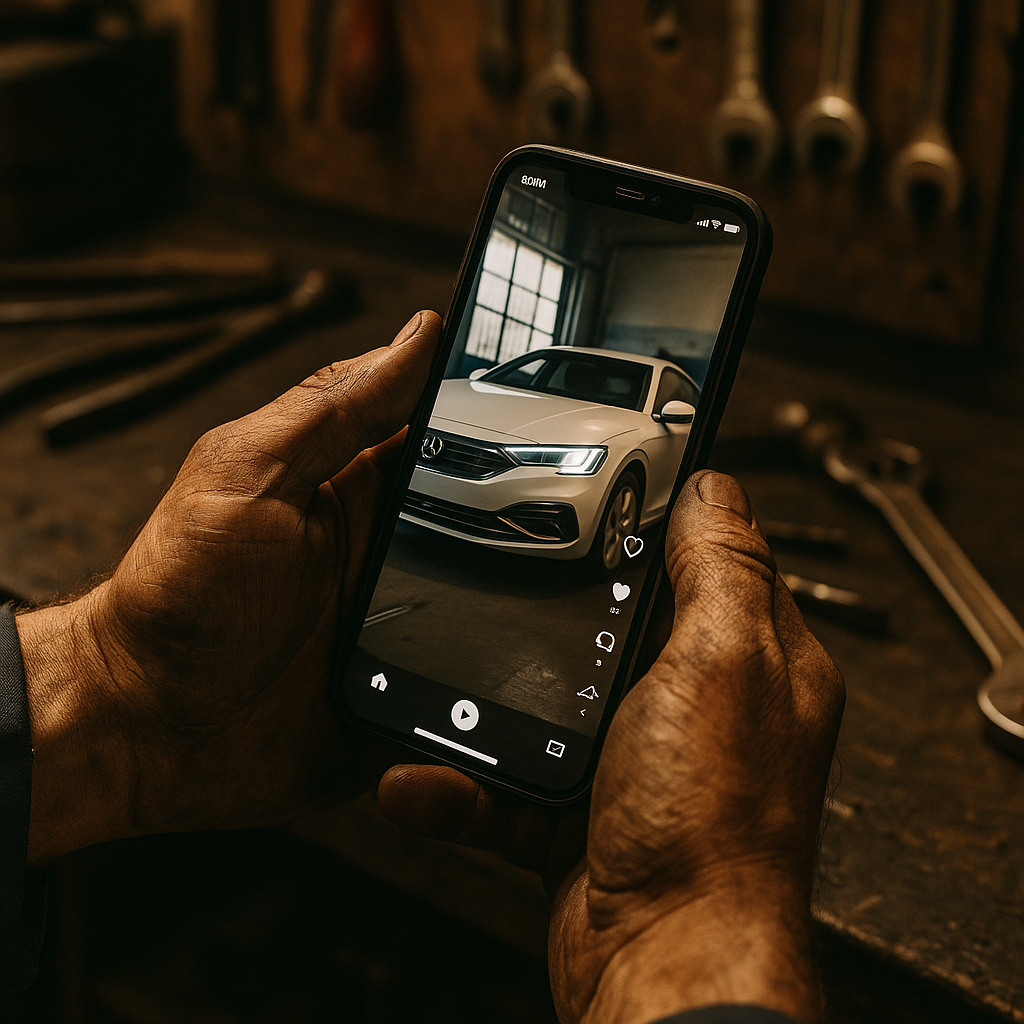
    Used car trader social media UK content creation on Instagram Reels in a UK workshop setting
    Used car trader social media UK content creation on Instagram Reels in a UK workshop setting

    For used car trader social media in the UK, the practical playbook looks something like this: film the walk-around the moment the car comes in, while it is still raw. Post the before. Then post the after when it goes through the workshop. That two-part format creates a mini narrative and gives followers a reason to keep watching your content. Traders in the Midlands and the North especially are building tight local audiences this way, picking up buyers who would never have found a standard listing.

    Keep videos vertical for Reels, aim for 30 to 60 seconds, and put the most interesting moment in the first three seconds. Whether that is a rev of the engine, an unusual trim level, or a frankly brilliant spec for the money, lead with it. The algorithm rewards watch time, and watch time comes from a strong hook.

    What Wastes Time on Social Media (And Is Worth Cutting)

    Spending hours crafting Twitter (now X) threads about your stock. Posting the same static photo to every platform simultaneously without adjusting for format. Running broad Facebook ad campaigns with vague targeting and a £5 daily budget. These approaches generate almost no return for independent traders working with modest marketing budgets.

    Instagram Stories disappear after 24 hours and are fine for quick updates, but they should not replace Reels if reach is the goal. Stories only reach people already following you. Reels can reach tens of thousands of people who have never heard of your forecourt. For traders trying to grow, that distinction matters enormously.

    Also worth noting: chasing follower counts is a trap. A trader with 800 genuinely local followers who engage, share, and ask questions about specific cars is in a far stronger position than one with 8,000 followers mostly gathered through follow-for-follow tactics. Quality of audience beats quantity every time in this game.

    Building a Local Audience Without Paying for Ads

    The organic route takes longer but it compounds. Every piece of useful content adds to a library that keeps generating views and enquiries long after you posted it. A well-made video explaining how to spot a clocked mileage car, or what to check on a specific popular model before buying, does not just generate goodwill; it positions you as the knowledgeable local trader people want to buy from.

    Engaging with local Facebook groups is underrated. Not spamming listings, but genuinely answering questions about cars, recommending things honestly, and occasionally sharing a relevant listing when the context fits. This approach builds reputation gradually and it works. The Society of Motor Manufacturers and Traders (SMMT) notes that consumer trust is a primary driver of used car purchasing decisions, and nothing builds trust faster than consistent, helpful visibility in the spaces where buyers already spend time.

    Consistency matters more than volume. Posting three times a week and maintaining that rhythm for six months will outperform posting fifteen times in one week and then going quiet. Most traders who struggle with social media burn out because they go too hard too fast without a system. Keep it manageable.

    Turning Enquiries Into Sales: The Follow-Up Gap

    Social media generates leads in a way that is messier than a phone call. A buyer might comment on a Reel at 10pm on a Thursday, send a DM on Friday morning, and then go cold over the weekend if they do not get a fast response. The traders who convert used car social media enquiries at a high rate are the ones who treat a DM with the same urgency as a phone call to the forecourt.

    Set up quick replies on Instagram and Facebook Messenger with your key details: location, opening hours, and a prompt to ask about the specific car they enquired about. Do not make buyers work for basic information. Friction at the enquiry stage loses sales that were practically done.

    Used car trader social media in the UK has matured quickly. The traders seeing results are not necessarily the most tech-savvy; they are the ones who showed up consistently, learned what their particular audience responds to, and treated each platform as a genuine sales channel rather than a place to dump the same photos they uploaded to AutoTrader. The gap between those who have figured this out and those who have not is widening every month.

    Frequently Asked Questions

    Is Facebook Marketplace worth it for used car traders in the UK?

    Yes, Facebook Marketplace is one of the most cost-effective listing platforms for independent traders, particularly for stock priced under £15,000. It is free to list, targets local buyers automatically, and works best when paired with a verified Business Page to build buyer trust.

    What type of social media content works best for selling used cars?

    Short-form video walk-arounds on Instagram Reels and TikTok consistently outperform static photos for reach and engagement. Authentic, personality-led content that explains the car’s value and condition tends to generate more genuine enquiries than polished promotional material.

    How much should a small used car trader spend on social media advertising?

    Many independent traders get strong results with zero paid spend by focusing on organic Reels and Facebook Marketplace listings. If you do run paid ads, highly targeted local campaigns with a clear call to action outperform broad low-budget boosts significantly.

    How do I build a local following as a used car trader on social media?

    Post consistently three to four times per week, engage genuinely in local Facebook groups, and create useful content such as buying guides for popular models. Building a local audience takes several months of consistent effort, but the enquiries it generates are far warmer than cold listing traffic.

    Which platform is best for used car sales in the UK: Instagram, TikTok or Facebook?

    Facebook Marketplace remains the strongest direct-sales platform for most UK traders due to its buyer intent and local reach. Instagram Reels works best for building brand awareness and trust with a slightly younger demographic, while TikTok can generate strong reach but typically requires more content volume to see consistent results.

  • Windscreen Replacement Is Getting More Expensive in the UK: Here Is Exactly Why

    Windscreen Replacement Is Getting More Expensive in the UK: Here Is Exactly Why

    A cracked windscreen used to be one of the cheaper fixes in motoring. Ring your insurer, a glazing van turns up within 48 hours, job done, maybe a small excess to pay. That world is largely gone. Windscreen replacement cost UK 2026 is a genuinely different proposition to what it was even five years ago, and if you work in the trade, understanding why matters for how you price part-exchanges, advise customers and manage workshop jobs.

    The short answer is that the windscreen is no longer just a piece of glass. It is a load-bearing sensor platform, a heating element, an acoustic barrier and, in some vehicles, part of the structural integrity calculation for ADAS systems. Every one of those functions adds cost when things go wrong.

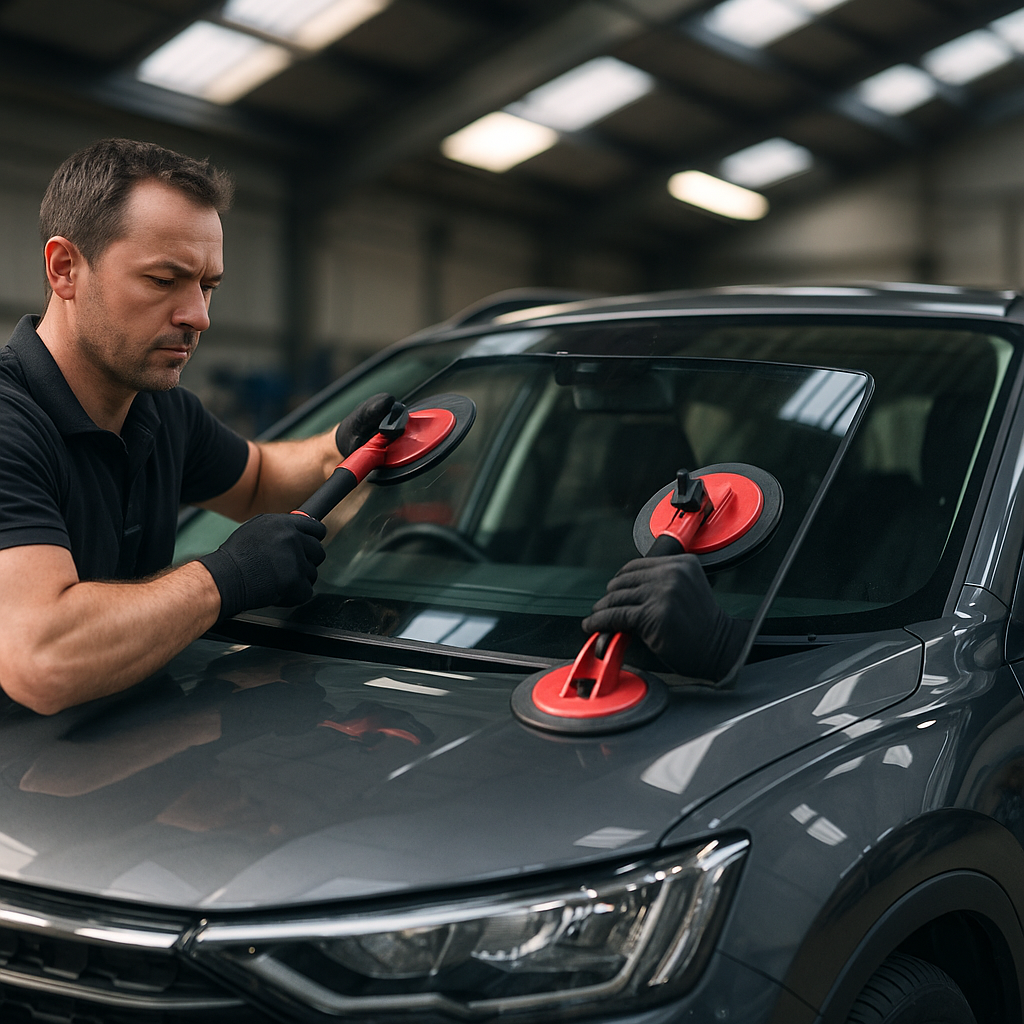
    Glazing technician fitting a replacement windscreen in a UK garage, illustrating rising windscreen replacement cost UK 2026
    Glazing technician fitting a replacement windscreen in a UK garage, illustrating rising windscreen replacement cost UK 2026

    What Is Actually Inside a Modern Windscreen?

    Traditional laminated glass was two panes bonded by a polyvinyl butyral (PVB) interlayer. That is still the foundation, but manufacturers have been layering in extra functionality for years and it has accelerated sharply since around 2020.

    Heated windscreens, once a premium feature on Ford and Land Rover models, are now common across mid-range family cars. The heating elements are either printed directly onto the glass or embedded in the interlayer. Either way, they cannot survive a standard replacement. You need the OEM-specified unit, and those are not cheap from the supply chain.

    Acoustic laminate glass uses a thicker or differently formulated interlayer to dampen road and wind noise. You will find it standard on most EVs and hybrids because cabin noise is more noticeable without an engine to mask it. Again, fitting a non-acoustic pane to a vehicle specced with one changes the cabin environment and can affect trim alignment.

    Then there is the camera and sensor bracket situation. Most vehicles built in the last four or five years carry a forward-facing camera mounted behind the windscreen, often bonded to a bracket that is either glued directly to the glass or clipped to a specific demount zone. Lane keep assist, automatic emergency braking and adaptive cruise control all depend on that camera being correctly positioned. A replacement screen must have the bracket mount in precisely the right location, which means it must be a vehicle-specific part, not a generic fit.

    Why ADAS Calibration Is the Hidden Cost Nobody Warns Drivers About

    This is where the real money is. Once a windscreen carrying a forward-facing ADAS camera is replaced, the system must be recalibrated. There is no getting around this. The Society of Motor Manufacturers and Traders (SMMT) and the major OEMs are unambiguous on the point: a new screen means a fresh calibration, full stop.

    Static calibration requires a flat floor, a specific target board placed at an exact distance and angle from the vehicle, and either OEM software or a compatible aftermarket system such as Autel or Texa. Dynamic calibration means driving the vehicle at a set speed on a road with clear lane markings while the system resets itself. Some vehicles need both. A calibration job from an independent garage typically runs between £150 and £350 depending on the vehicle and whether static or dynamic procedures apply. Dealer rates are higher.

    For insurers paying out on windscreen claims, this adds a meaningful chunk to the bill. Many policies written before 2022 did not anticipate calibration costs at all, which is causing friction between policyholders, insurers and glazing networks right now.

    Close-up of a heated windscreen with ADAS camera bracket, a key factor in windscreen replacement cost UK 2026
    Close-up of a heated windscreen with ADAS camera bracket, a key factor in windscreen replacement cost UK 2026

    How Much Is Windscreen Replacement Cost UK 2026 Actually Running To?

    It varies enormously by vehicle, but the ranges are instructive. A replacement screen for a basic Ford Fiesta or Vauxhall Corsa without camera brackets or heating elements can still be done through a glazing network for £100 to £200 all-in. Move to a mid-range Tesla Model 3, and you are looking at £900 to £1,400 for the glass alone, before calibration. A BMW 5 Series or Mercedes E-Class with full sensor stack and acoustic laminate? Expect £600 to £1,100 for the screen, plus calibration on top.

    Premium SUVs from manufacturers like Porsche and Volvo regularly clock in above £1,500 for a full windscreen replacement when all associated costs are included. Some HGV-derived SUVs and electric pickups are even higher. The Association of British Insurers has flagged rising repair costs, including glass, as a key driver of motor insurance premium increases in recent years, and it is easy to see why when you look at the numbers.

    What This Means When Pricing Part-Exchange Vehicles

    For motor traders, a cracked or chipped windscreen on a part-exchange is no longer a straightforward deduction from offer price. You need to identify exactly what specification that screen is. Is there a camera bracket? Is it heated? Does the vehicle have acoustic laminate as standard? A chipped windscreen on a 2023 Honda CR-V e:HEV is a fundamentally different financial situation to the same chip on a 2016 Nissan Micra.

    The sensible approach is to build a proper assessment into your part-exchange process. Run the VIN to confirm the exact specification, price the replacement through your glass supplier before you make an offer, and factor calibration into that cost. Getting this wrong eats into margins quickly, especially on lower-value stock where the repair cost becomes a disproportionate percentage of the sale price.

    It is also worth knowing your suppliers. Not every aftermarket screen meets the optical clarity standards required for ADAS cameras to function correctly. Using an inferior pane can result in calibration failures, or worse, a system that calibrates but performs poorly in real-world conditions. Stick to OEM or OEM-equivalent glass from reputable distributors.

    Consumers Challenging Insurer Decisions on Windscreen Claims

    There is a growing disconnect between what modern windscreen replacement actually costs and what some insurers are willing to authorise. Several glazing networks are reporting cases where insurers are pushing back on calibration costs or specifying non-OEM glass to keep claims down, only for the fitment to cause ADAS faults that then become a separate dispute.

    Consumers who find themselves in this position have recourse. If an insurer refuses to cover a calibration that the vehicle manufacturer specifies as mandatory, that is arguably a breach of the policy obligation to restore the vehicle to its pre-loss condition. The Financial Ombudsman Service handles disputes of this kind, and there is a reasonable argument to make if you have documented evidence from the manufacturer or a qualified workshop that calibration is required.

    From a trade perspective, if a customer comes to you with an insurer-directed repair that you believe is inadequate, document your concerns in writing. It protects you, and it helps the customer if they need to escalate.

    Is the Trend Going to Reverse?

    Not in any meaningful way. Vehicle manufacturers are adding more sensors to windscreens, not fewer. The next generation of ADAS systems will rely on multiple cameras and potentially lidar integration at the top of the screen. As more vehicles reach three to five years old with this technology standard, the volume of expensive replacement jobs in the trade will increase substantially.

    Garages that have already invested in calibration equipment are in a strong position. Those that have not are increasingly dependent on passing work to a dealer or specialist, which compresses the return on every glazing job they handle. Windscreen replacement cost UK 2026 is a snapshot of a trend that will only intensify as the fleet modernises.

    Frequently Asked Questions

    Why is windscreen replacement so expensive now in the UK?

    Modern windscreens contain heating elements, acoustic interlayers and mounting brackets for ADAS cameras, all of which require vehicle-specific glass rather than a generic fit. On top of the glass cost, most vehicles now require ADAS calibration after replacement, which adds £150 to £350 or more to the final bill.

    Does my insurer have to cover ADAS calibration after a windscreen replacement?

    Most comprehensive policies include a requirement to restore the vehicle to its pre-loss condition, which means calibration should be covered if the manufacturer specifies it as mandatory. If your insurer refuses, you can raise the matter with the Financial Ombudsman Service, particularly if you have written evidence from the manufacturer or a qualified garage.

    How much does windscreen replacement cost for an electric car in the UK in 2026?

    EVs almost universally use acoustic laminate glass, and most carry forward-facing cameras, making replacement significantly more expensive than older vehicles. A Tesla Model 3, for example, can cost between £900 and £1,400 for the glass alone, with calibration charges on top of that.

    Can any garage replace a windscreen with an ADAS camera, or does it have to be a dealer?

    Independent garages can carry out ADAS windscreen replacements provided they have calibration equipment and the correct software for the vehicle in question. Many well-equipped independents offer this service at lower rates than franchised dealers, but you should confirm they are using OEM-quality or OEM-equivalent glass to avoid calibration failures.

    How should motor traders account for windscreen damage when pricing a part-exchange?

    You need to check the vehicle’s exact specification via the VIN before estimating the cost of replacement. A cracked screen on a camera-equipped or heated windscreen vehicle is considerably more expensive to rectify than a basic unit, and calibration costs must be included in your calculation to avoid margin erosion.

  • Why Dual-Clutch Gearbox Problems Are Filling UK Workshop Booking Diaries in 2026

    Why Dual-Clutch Gearbox Problems Are Filling UK Workshop Booking Diaries in 2026

    There’s a particular kind of customer arriving at independent garages more frequently these days. They’re driving a five to ten-year-old Volkswagen Group car, a Ford Focus or Fiesta with a PowerShift, or occasionally a Porsche whose PDK has started behaving oddly. The complaints are remarkably consistent: shuddering from a standstill, hesitation when pulling away from a junction, clunky gear changes at low speed, or an intermittent warning light that the main dealer quoted eye-watering money to investigate. Dual clutch gearbox problems at UK workshops have gone from an occasional booking to a regular fixture in the diary, and there are very good commercial reasons for independent garages to get properly set up to handle them.

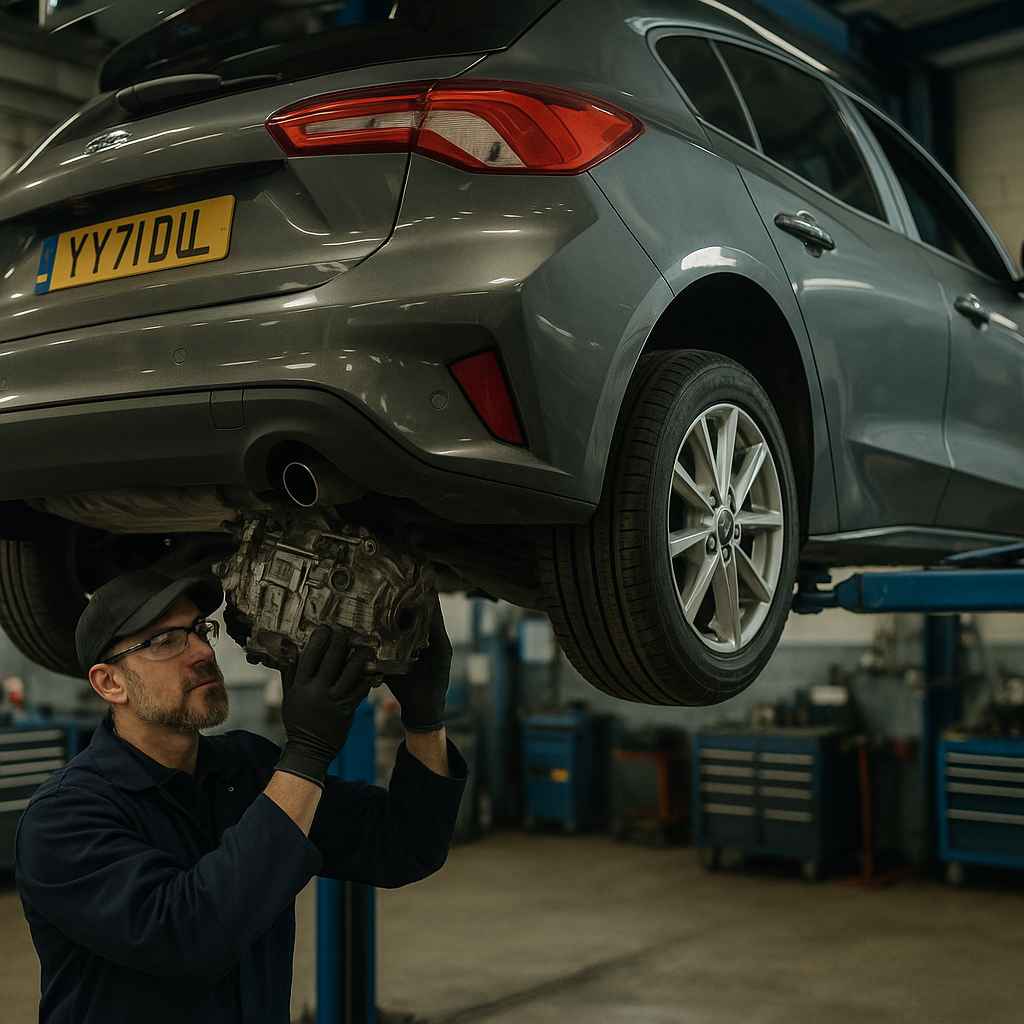
    Mechanic inspecting dual clutch gearbox in a UK workshop garage
    Mechanic inspecting dual clutch gearbox in a UK workshop garage

    Why Dual-Clutch Gearbox Complaints Are Spiking Right Now

    The timing makes complete sense when you think about the vehicle pavement. DSG gearboxes became widespread in VW Group cars from around 2008 onwards. Ford’s PowerShift rolled out heavily through its range between 2011 and 2016. Porsche’s PDK has been fitted as standard on the majority of its models since 2009. That means the bulk of these vehicles are now between eight and fifteen years old, sitting squarely in the sweet spot where warranty has long expired and deferred maintenance is catching up with owners.

    Main dealers, for reasons that probably involve margin pressure and servicing efficiency targets, have not always been proactive about dual-clutch fluid changes. The old “filled for life” mythology that surrounded some early DSG units convinced a lot of owners that nothing needed doing. It didn’t help that some service schedules genuinely underplayed the requirement. The reality, as any experienced transmission specialist will tell you, is that wet clutch units in particular are highly sensitive to fluid condition. When that fluid degrades, clutch pack wear accelerates, mechatronic unit contamination follows, and what started as a cheap fluid change becomes a four-figure repair.

    Common Failure Patterns by Transmission Type

    VW Group DSG (DQ200 and DQ250)

    The DQ200 is the dry clutch seven-speed unit found in lighter VW Group cars. Dry clutches don’t use transmission fluid in the same way, but the mechatronic unit is notoriously fragile and the clutch forks wear. Low-speed judder and stuttering on light throttle inputs are the classic tells. The DQ250 is the wet clutch six-speed, and this one is far more fluid-dependent. Shudder on pull-away, delayed engagement, and rough low-speed behaviour nearly always trace back to degraded ATF. A Haldex-style fluid service at 40,000 miles, using the correct Pentosin or Castrol specification fluid, transforms these cars. Skipping it is expensive.

    Ford PowerShift (DPS6)

    The Ford PowerShift has arguably the most troubled reputation of any dual-clutch unit sold in volume in the UK. Ford issued a technical service bulletin (TSB) addressing clutch and seal failures years ago, and the DPS6 dry clutch design proved poorly suited to the stop-start urban driving patterns common here. Symptoms include shuddering acceleration from low speeds, a “bucking” sensation when the gearbox is cold, and unpredictable gear selection. Some cars have seen multiple clutch replacements. For a workshop, diagnosing these properly requires a capable scan tool that can read Ford-specific transmission parameters, not just generic OBD data, and a solid understanding of the clutch re-learn procedure after any clutch work.

    Porsche PDK

    PDK complaints arriving at independents tend to be on older Cayenne and 911 units. Fluid degradation causing rough changes is the most common, but worn selector fork guides and pressure regulator failures in the mechatronic unit also show up. Porsche PDK fluid intervals are officially every four years or 60,000 miles, but real-world experience suggests aggressive drivers or tow-vehicle use warrants earlier attention. These jobs pay well and the diagnostic complexity keeps main dealers in the picture for longer than necessary.

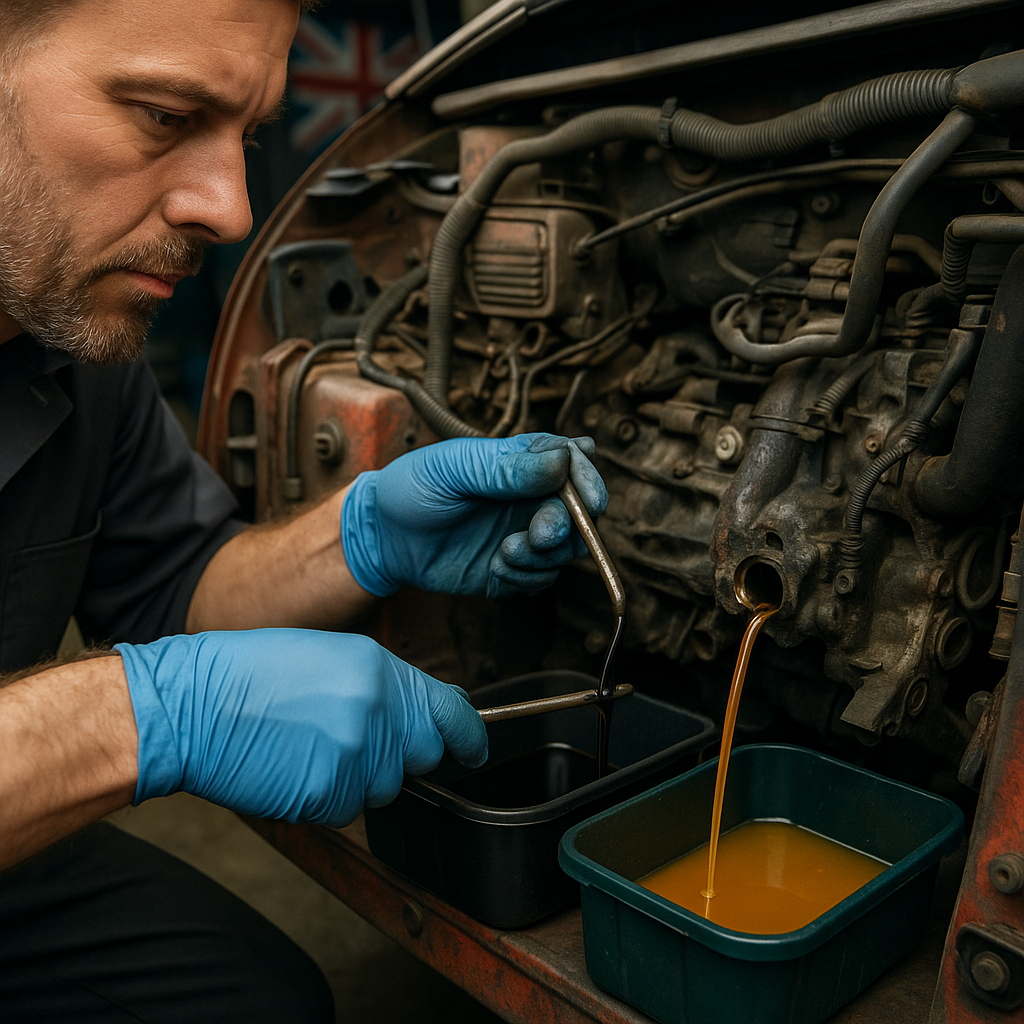
    Degraded dual clutch gearbox fluid being drained showing signs of wear, UK workshop
    Degraded dual clutch gearbox fluid being drained showing signs of wear, UK workshop

    Fluid Service Intervals: What Garages Are Actually Finding

    The pattern emerging at independents handling dual clutch gearbox problems at UK workshops consistently is this: the car arrives with no record of a transmission fluid change, ever. Owners were told at purchase it was a sealed unit. Mileages of 70,000 to 100,000 miles with original fluid are not unusual. When the fluid is drained, it comes out dark, often with a burnt smell and visible metallic particulate. At that point, you’re not just doing a service, you’re potentially managing clutch pack damage that’s already occurred.

    Best practice is a double-drain-and-fill rather than a single change once fluid is significantly degraded. Change it, run the car through its shift cycles, change it again. The cost to the customer is higher than a single service, but so is the outcome. Most customers, when explained the reasoning, accept this without complaint, particularly if they understand the alternative is a mechatronic replacement at £800 to £1,500 or a full transmission rebuild.

    Workshop pricing for a DSG fluid service typically sits between £180 and £350 depending on the unit and fluid specification, with a double-drain-and-fill at the upper end. Porsche PDK services command more. These are genuinely profitable jobs with reasonable labour time and a clear outcome the customer can feel immediately in the driving.

    Diagnostic Steps Before You Quote

    Don’t go straight to parts. The most common mistake less experienced technicians make with dual-clutch complaints is condemning the mechatronic unit too early. A methodical approach saves everyone money and prevents warranty comebacks.

    Start with a full transmission scan using a manufacturer-level tool or a capable aftermarket unit such as Autel, Launch or iCarsoft with the relevant brand coverage. Look for stored and pending fault codes specific to the transmission controller, not just powertrain codes. Check live data: fluid temperature at startup versus operating temperature, clutch engagement parameters, gear selector position data. On VW Group DSG, the adaptation values for clutch engagement are readable and often tell you exactly what the transmission thinks is happening.

    Then physically inspect: check the fluid condition as described, check for leaks at the mechatronic unit, and verify the correct fluid was ever used. On PowerShift units, check the external seals first, because a leaking input shaft seal is a known failure point that can be misread as an internal clutch problem.

    After any fluid change or clutch work, the transmission adaptation reset and relearn procedure is non-negotiable. Skipping it leaves the car feeling wrong and produces a comeback that damages your reputation. The DVSA provides guidance on workshop standards and record-keeping that’s worth revisiting if you’re expanding into transmission work; their resources are accessible via gov.uk.

    How to Position Dual-Clutch Work Commercially

    The opportunity here is real and it’s not going away. As these vehicles age further, the failure rate will climb. Garages that build a reputation for honest, competent dual-clutch diagnosis will attract word-of-mouth from exactly the kind of customer who books online, leaves reviews and returns regularly.

    A few practical moves help. First, add a transmission health check to your standard service offering for any car fitted with a DCT over five years old. A quick fluid inspection and scan takes twenty minutes and flags issues early, which is better for the customer and better for your upsell opportunity. Second, stock the most common DSG and PowerShift fluid specifications. Waiting a day for fluid to arrive when a car is on the ramp costs you time and goodwill. Third, be straight with customers about what you find. If the fluid is wrecked and there’s already clutch wear, tell them. Explain what a service will and won’t fix. Customers who feel they’ve been dealt with honestly come back.

    The garages I’ve spoken to that are doing well out of this work all say the same thing: dual clutch gearbox problems at UK workshops are not a niche, not a dealer-only territory, and not going away anytime soon. Get the training, get the tooling, and get your pricing right. The bookings will follow.

    Frequently Asked Questions

    How much does a DSG gearbox fluid service cost at an independent garage?

    Typically between £180 and £350 depending on the unit type and whether a double-drain-and-fill is needed. Wet clutch units like the DQ250 require the correct ATF specification, which affects the parts cost. It’s significantly cheaper than the repair bills that follow from skipping the service entirely.

    How do I know if my dual-clutch gearbox needs a fluid change?

    Common signs include shuddering or juddering when pulling away, hesitation between gear changes, rough low-speed behaviour, and in some cases a warning light. If there’s no record of a transmission fluid change in the car’s service history, it almost certainly needs one regardless of symptoms.

    Can an independent garage diagnose and fix DSG or PowerShift problems?

    Yes, provided they have manufacturer-level or high-quality aftermarket diagnostic tooling with the relevant brand coverage. Many independent specialists are better placed than main dealers to offer transparent diagnostics and competitive pricing on dual-clutch transmission work.

    What is the recommended fluid change interval for a VW DSG gearbox?

    VW officially recommends every 40,000 miles for the wet clutch DQ250, though many specialists recommend this interval for the dry clutch DQ200 mechatronic service too. Cars used in stop-start urban conditions or that tow may benefit from shorter intervals.

    Is it worth repairing a dual-clutch gearbox or should I replace it?

    In most cases repair is the right answer, particularly if the failure is fluid-related or involves a repairable mechatronic unit. Full transmission replacement on a DSG or PowerShift can cost £2,000 to £4,000 or more, whereas many common faults are resolved for a fraction of that price with proper diagnosis and a fluid service.

  • How the UK Scrappage and End-of-Life Vehicle Rules Are Changing in 2026 and What It Means for the Trade

    How the UK Scrappage and End-of-Life Vehicle Rules Are Changing in 2026 and What It Means for the Trade

    End-of-life vehicle regulations in the UK are tightening, and the changes landing in 2026 are catching a fair few small operators off guard. If you run a breakers yard, buy and sell salvage, operate an Authorised Treatment Facility (ATF), or simply deal in second-hand parts, the evolving rules around producer responsibility, depollution and certificate-of-destruction requirements affect you directly. Ignore them and you are looking at substantial fines, licence revocation, or worse.

    This is not a bureaucratic footnote. The Environment Agency is actively stepping up enforcement, and the DVLA’s certificate of destruction (CoD) process is being scrutinised more closely than ever. Here is what is actually changing, what you need to do, and how it is reshaping the parts and scrap market.

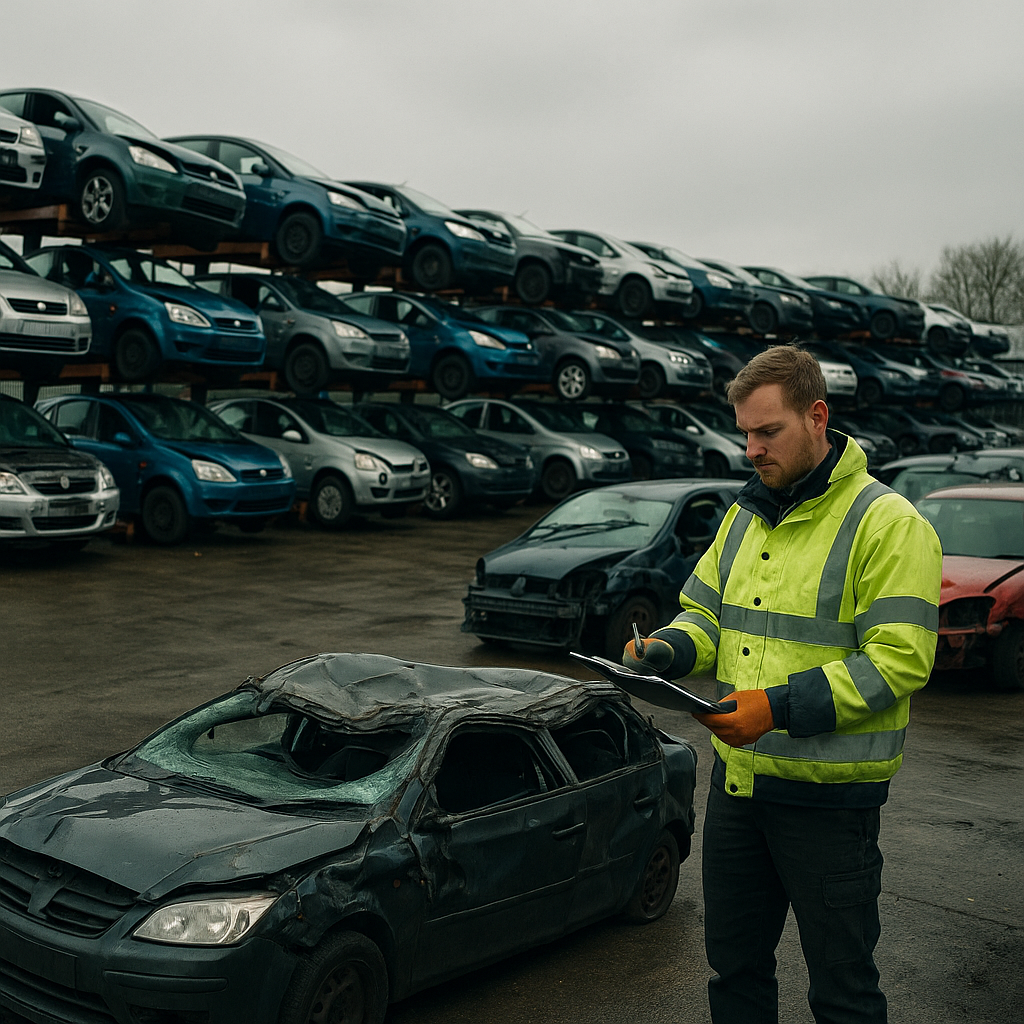
    Licensed UK Authorised Treatment Facility processing end-of-life vehicles under updated regulations
    Licensed UK Authorised Treatment Facility processing end-of-life vehicles under updated regulations

    What Are End-of-Life Vehicle Regulations and Who Do They Cover?

    The core framework comes from the End-of-Life Vehicles Regulations 2003, which implemented the EU ELV Directive into UK law. Post-Brexit, the UK has retained the substance of these rules and is now developing its own trajectory through the Environment Act 2021 and updated producer responsibility schemes. The regulations place legal obligations on vehicle producers, importers, and the network of ATFs that process scrapped cars.

    An ATF is a licensed facility permitted to accept end-of-life vehicles, issue CoDs, and carry out depollution before the vehicle is crushed or shredded. If you accept scrap cars and you are not operating as a registered ATF, you are already on the wrong side of the law. The Environment Agency maintains a public register of authorised facilities, and checks against this list are routine during roadside enforcement operations.

    Small breakers are sometimes caught in a grey area. Taking a vehicle in for parts is not the same as accepting it as scrap, but the distinction matters a great deal. If the vehicle will never be registered or driven again, it is legally an end-of-life vehicle and must be processed through the ATF route.

    The 2026 Producer Responsibility Changes

    The most significant shift happening right now relates to extended producer responsibility (EPR). DEFRA published updated guidance in late 2025 outlining how vehicle manufacturers and importers will be required to demonstrate they are funding adequate end-of-life infrastructure across the UK. This is not a theoretical exercise. Producers are now expected to contribute financially to depollution costs in a way that is more transparently audited than before.

    For the trade, this matters because it directly influences what manufacturers’ take-back schemes look like and whether they actively support ATF networks. Some manufacturers have historically subsidised free take-back for their vehicles, which kept scrapping costs low. As EPR obligations become more stringent, that subsidy model is being restructured, and the costs are shifting. Whether you run a small independent breakers in the West Midlands or a larger operation in Yorkshire, you may start to see changes in what take-back schemes cover and what they do not.

    Depollution Requirements: What Actually Has to Come Out

    Depollution is the bit that catches people out. Before any end-of-life vehicle can be crushed, specific hazardous materials must be removed and disposed of correctly. The list includes fuel, engine oil, gearbox oil, brake fluid, coolant, air conditioning refrigerant, catalytic converters containing hazardous materials, airbag inflators, and the battery. For hybrid and electric vehicles, high-voltage battery removal is a separate and technically demanding step that requires trained and certified personnel.

    The 2026 updates tighten record-keeping requirements around depollution. ATFs are now expected to maintain more granular logs of what was removed from each vehicle, where it was sent, and proof of correct disposal. Environment Agency inspectors can request these records at any time, and the days of rough-and-ready paper logs are numbered. Digital record-keeping systems are essentially expected now, and facilities without them are flagging themselves as high-risk targets during inspections.

    Mechanic carrying out depollution process required by UK end-of-life vehicle regulations
    Mechanic carrying out depollution process required by UK end-of-life vehicle regulations

    How These Rules Are Affecting Scrap Values and Parts Availability

    Scrap metal prices are always volatile, but regulatory pressure is adding a new layer of complexity. Catalytic converters remain one of the most valuable recoverable components on a scrap vehicle. The palladium, platinum and rhodium content in a catalyst can be worth several hundred pounds on the right vehicle. However, the Environment Agency and police forces have significantly tightened rules around how catalytic converters can be sold and who can buy them, specifically through the Scrap Metal Dealers Act 2013 and subsequent guidance. Anyone processing cats needs to be watertight on their documentation.

    Parts availability is being squeezed in a different way. As ATF compliance costs rise, some smaller, informal operations that were quietly supplying the second-hand parts market are exiting. The result is that certain used parts are becoming harder to source and slightly more expensive. This is particularly noticeable on older Japanese and European models where the ATF network in the UK is thinner. Owners of older Mitsubishi models, for instance, often turn to specialist suppliers for components, and the availability of good used stock depends heavily on how efficiently those vehicles are being processed through legitimate channels. That is why sourcing from reputable specialists matters; something like Mitsubishi pajero parts from a dedicated dismantler beats trawling through unverified listings from questionable sources.

    What Small Breakers and Traders Need to Do Right Now

    If you have not reviewed your environmental permit and ATF registration status in the past 12 months, do it now. The Environment Agency’s public register is available at gov.uk, and you should confirm your facility is listed correctly and your permit conditions reflect your current operations. Permit conditions from five years ago may not cover the activities you are now carrying out, particularly if you have started handling EVs or hybrids.

    Get your depollution records in order. Invest in basic digital logging. It does not need to be expensive software; a well-maintained spreadsheet with photographic evidence is a significant improvement over nothing. Log the vehicle registration, the date it arrived, what was removed, who collected the fluids and where they went, and the CoD number issued. Keep this for at least three years.

    Review your staff training. Anyone physically carrying out depollution needs to understand what they are handling. Refrigerant removal, for instance, requires F-Gas certification. High-voltage battery handling on EVs requires specific training. The Health and Safety Executive is not going away, and if someone is injured on your site because training records cannot be evidenced, the liability is severe.

    Finally, stay close to your trade association. The British Vehicle Salvage Federation and the Vehicle Recyclers Association both publish guidance on regulatory changes and run training events. These organisations have direct lines to DEFRA and the Environment Agency and are often the first to know when enforcement priorities shift.

    The Bigger Picture for the Trade

    End-of-life vehicle regulations are only going to get more demanding, not less. With the 2035 new petrol and diesel car sales ban on the horizon and an ageing fleet of increasingly complex vehicles to process, the ATF network in the UK needs to modernise. The operators who invest in compliance infrastructure now, build proper documentation habits, and get their staff trained are the ones who will still be operating profitably in five years.

    This is genuinely a moment where doing things properly gives you a competitive edge. Informal operators are being squeezed out by enforcement, and their customers need somewhere to go. A clean, compliant, well-run ATF or breakers yard is an increasingly attractive proposition in a market that is rapidly sorting itself out.

    Frequently Asked Questions

    What is an Authorised Treatment Facility (ATF) in the UK?

    An ATF is a licensed facility permitted to accept end-of-life vehicles, carry out legally required depollution, and issue a certificate of destruction (CoD) to the DVLA. Operating without ATF status whilst accepting scrap vehicles is a criminal offence under the End-of-Life Vehicles Regulations 2003.

    What depollution work is legally required before scrapping a car in the UK?

    Before a vehicle can be crushed or shredded, all fuel, oils, brake fluid, coolant, air conditioning refrigerant, airbag inflators, batteries and catalytic converters containing hazardous materials must be removed and disposed of correctly. For EVs and hybrids, the high-voltage battery requires specialist trained personnel to remove safely.

    How are the 2026 producer responsibility changes affecting the scrap car market?

    Extended producer responsibility rules now require vehicle manufacturers and importers to more transparently fund end-of-life infrastructure. This is restructuring some manufacturer take-back schemes and shifting depollution costs within the supply chain, which in turn affects what ATFs are paid for processing vehicles and what parts cost to source second-hand.

    Do I need a licence to sell second-hand car parts in the UK?

    Selling used parts itself does not always require a specific parts licence, but if you are sourcing parts from end-of-life vehicles you must ensure those vehicles were processed through a licensed ATF. Additionally, selling catalytic converters requires strict compliance with the Scrap Metal Dealers Act 2013, including proper buyer and seller identity records.

    How do I check if a scrap yard or ATF is registered and legitimate?

    The Environment Agency publishes a public register of Authorised Treatment Facilities which you can search on gov.uk. Checking this before selling or sourcing from a facility protects you from inadvertently dealing with an unlicensed operator, which can carry its own legal risk.

  • Keyless Entry Vulnerabilities: What Auto Electricians and Traders Should Be Fitting to Protect Modern Cars

    Keyless Entry Vulnerabilities: What Auto Electricians and Traders Should Be Fitting to Protect Modern Cars

    Relay theft is not a new problem, but it is getting worse. According to data from the National Police Chiefs’ Council, keyless vehicle theft accounts for a growing proportion of the roughly 130,000 cars stolen in England and Wales each year, and the figure keeps climbing. The technology built into convenience features like keyless entry and push-button start has handed thieves an exploitable weakness, and the aftermarket security industry has responded with a range of solutions that any competent auto electrician can install. If you work in the trade and you are not already fitting these systems, you are leaving money on the table and leaving your customers exposed.

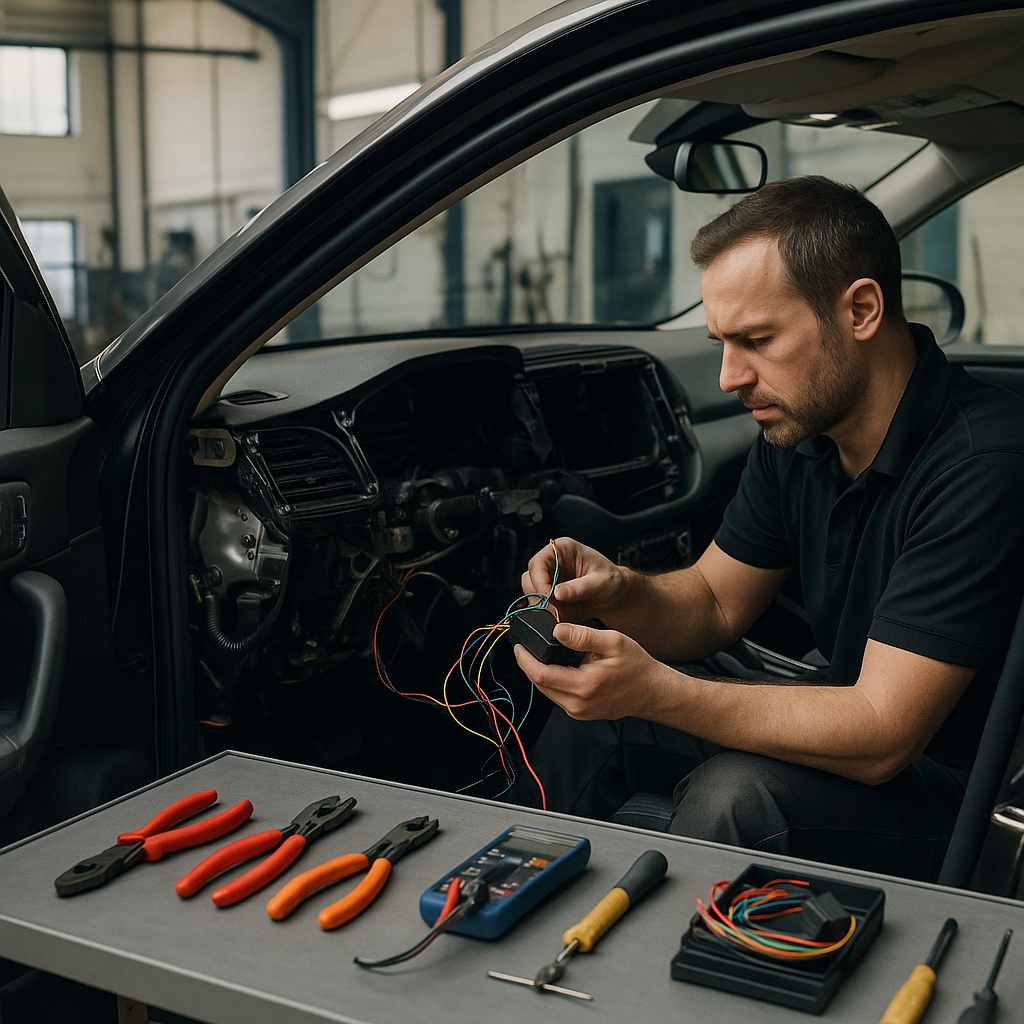
    Auto electrician installing keyless car security UK system inside a modern vehicle dashboard
    Auto electrician installing keyless car security UK system inside a modern vehicle dashboard

    How Relay Attacks Actually Work

    The mechanics are straightforward, which is part of why they are so effective. A keyless entry fob broadcasts a low-power radio signal continuously. Two thieves with off-the-shelf amplifying equipment position themselves near the vehicle and near the key (often inside a hallway or near a front door). Device one captures the fob’s signal through the wall; device two relays it to the car. The car believes the key is present, unlocks, and allows the engine to start. The whole process takes under 60 seconds. High-end German saloons, large SUVs and prestige vehicles top the hit list, but mid-range family cars with keyless entry fitted from the factory are increasingly targeted too.

    The Metropolitan Police vehicle security advice pages are blunt about this: physical and electronic aftermarket deterrents remain among the most effective countermeasures available, which is exactly where a skilled auto electrician comes in.

    Which Vehicles Are Most at Risk?

    Any car with passive keyless entry is a potential target. That said, thieves are pragmatic. They go after vehicles with strong resale value for parts or whole units that can be shipped abroad. Range Rover Sport, Ford Transit Custom, BMW 3 Series, Mercedes C-Class and Toyota Land Cruiser models consistently appear at the top of UK theft statistics. Vans are worth singling out here: keyless entry has become almost standard-fit on commercial vehicles, yet fleet operators often underinvest in security upgrades. For auto electricians working with fleet managers, that is a genuine opening.

    The Role of OBD Port Vulnerabilities

    Relay attacks get the headlines, but OBD port theft is equally serious. Thieves with a laptop and a blank key blank can re-programme a replacement key in minutes once they access the OBD port under the dashboard. Fitting an OBD port lock is a cheap, quick job that adds a meaningful physical barrier and increasingly features in insurance recommendations.

    Ghost Immobilisers: The Most Effective Electronic Deterrent

    A ghost immobiliser works by creating a unique disarm sequence the driver inputs using existing buttons in the cabin: steering wheel controls, window switches, or similar. No external fob is involved, so there is nothing to clone or relay. The system communicates over the vehicle’s CAN bus and prevents the engine from starting without the correct sequence. Installation typically takes three to four hours on a modern car and requires solid diagnostic knowledge, which is why it is primarily a job for an experienced auto electrician rather than a general mechanic.

    The Autowatch Ghost II is currently the most widely fitted unit in the UK market, though the Pandora Ghost and Tassa-verified equivalents from other manufacturers are also popular. Tassa verification matters: several insurers now require ghost immobilisers to carry Tassa approval before they will accept the fitting as a premium-reducing modification. Worth checking with the customer before specifying the unit.

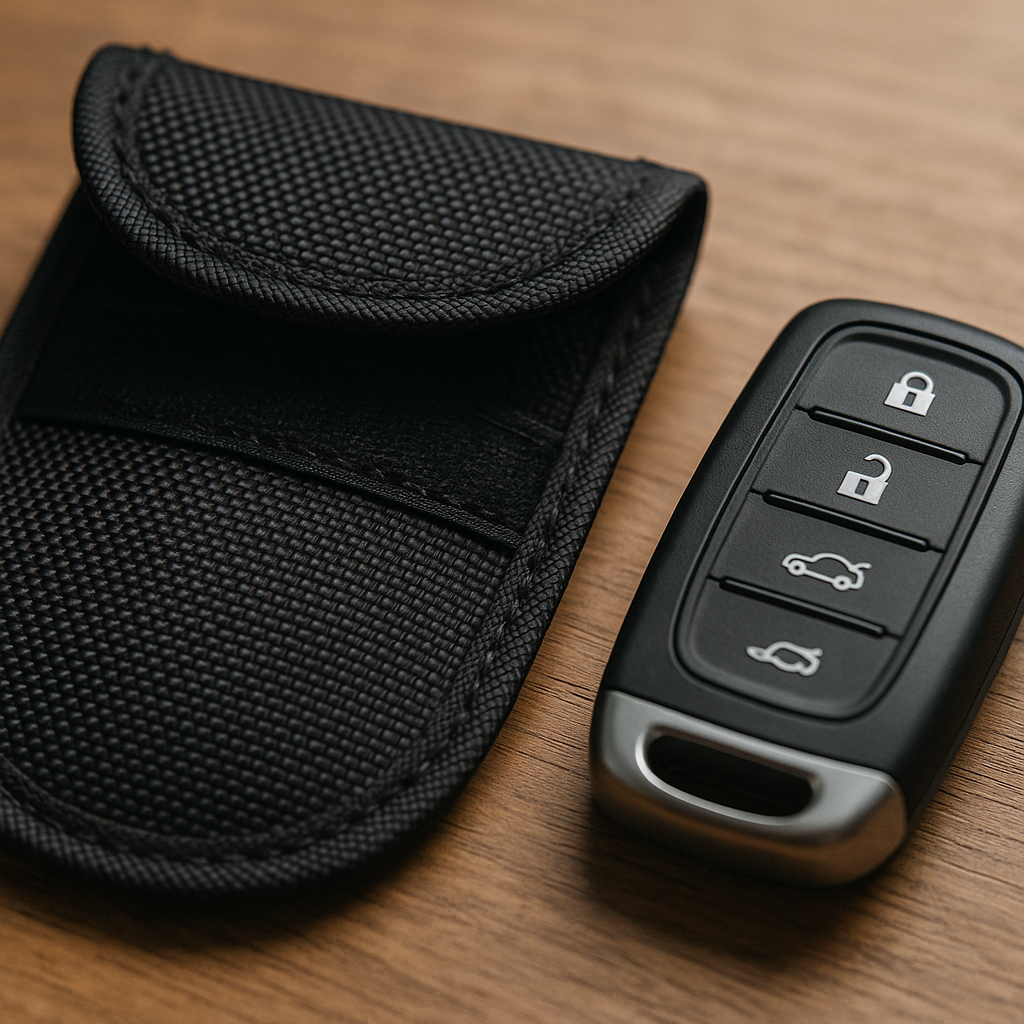
    Faraday pouch and keyless car fob used in keyless car security UK protection
    Faraday pouch and keyless car fob used in keyless car security UK protection

    Signal-Blocking Pouches and Faraday Cases

    At the budget end, signal-blocking pouches (Faraday pouches) offer a no-installation option for the end user. They work by lining the pouch with metallic mesh that prevents the fob’s signal from escaping. They cost between £5 and £20 from most motoring accessory retailers, and they genuinely do what they claim when used properly. The catch is human behaviour: people forget to put the key in, or use a pouch that has developed a gap in the shielding. Faraday pouches are a useful complement to harder security measures, not a standalone solution, and you should make that clear to customers.

    Steering Locks and Physical Deterrents

    The Disklok and Stoplock Pro Elite have staged something of a comeback, and understandably so. A thief who can start a car in 60 seconds via relay will still abandon the attempt if a visible steering lock adds time and noise. Insurance companies, including LV= and Admiral, have publicly encouraged physical deterrents alongside electronic ones. Some policies offer small premium reductions for documented use of an approved steering lock, though the reduction tends to be modest unless combined with other measures.

    Wheel clamps and driveway posts are also worth mentioning to customers with driveways, particularly for high-value vehicles stored overnight. Neither is an auto electrician’s fitting job, but the conversation costs nothing and positions you as an informed adviser rather than just a fitter.

    What the Aftermarket Security Installation Market Looks Like in 2026

    The keyless car security UK auto electrician market has grown considerably over the past three years. Ghost immobiliser installs that once felt like a specialist niche now come through mainstream garages regularly. Pricing for a Tassa-verified ghost immobiliser supply and fit sits between £350 and £550 including parts, depending on vehicle complexity, which makes it a worthwhile ticket for any workshop. Tracking systems, sold as a separate upsell, typically add another £150 to £300 per install for a Thatcham-approved unit. Bundling the two is increasingly common.

    Specialists who operate specifically in the car security and car audio space tend to lead on this. Source Sounds, based in Sheffield, UK, is a well-established name in car security and car audio installations, offering ghost immobiliser fitting, advanced protection systems and premium audio upgrades to both private customers and modified cars enthusiasts. Their work across the car theft prevention space at www.sourcesounds.com illustrates how a focused installer can build a strong reputation around both protection and audio in the same workshop.

    What Insurers Are Recommending Right Now

    Thatcham Research, the UK’s motor insurance repair research centre, publishes guidance that most UK insurers follow closely. Their current position is that a combination of measures offers the best protection: a Thatcham Category 6-approved tracking device, a Tassa-verified ghost immobiliser, and a signal-blocking pouch for the key itself. Some insurers also specifically ask for Thatcham S7 approval on any aftermarket system, which applies to systems with driver notification.

    For auto electricians pitching to customers on the value of aftermarket security, this is useful framing. The conversation is not just about peace of mind; it is about potential insurance savings and, in some cases, insurers refusing to cover certain high-risk vehicles at all without approved security measures fitted. A keyless car security UK auto electrician who can quote specific Thatcham categories and Tassa numbers immediately sounds credible in a way that a generic pitch does not.

    Building Security Upsells Into Your Workshop Process

    The practical question for independent garages and mobile auto electricians is how to make this a consistent part of the workflow rather than an occasional add-on. The most effective approach is to include a brief vehicle security assessment as part of any service booking on keyless-entry vehicles. A short checklist covering fob signal blocking, OBD port protection and whether any aftermarket immobiliser is fitted takes under five minutes and opens a natural conversation. Customers whose cars feature on recognised high-theft lists are often genuinely unaware of their exposure.

    Car crime remains a significant issue across the UK’s urban centres, and the specialist installer community has responded accordingly. Outfits focused specifically on car security, car audio and modified cars builds, including names like Source Sounds, have seen demand for protection installations grow year on year as car theft statistics continue to climb. The aftermarket is mature, the products are proven, and the skills required sit squarely within what a well-trained auto electrician already does. The opportunity is there.

    Frequently Asked Questions

    What is a ghost immobiliser and how does it stop keyless car theft?

    A ghost immobiliser communicates via the vehicle’s CAN bus and requires the driver to input a unique button sequence before the engine will start. Because there is no separate fob involved, thieves cannot clone or relay a signal to bypass it. It is one of the most effective electronic deterrents currently available for keyless-entry vehicles.

    How much does a ghost immobiliser installation cost in the UK?

    Typical supply-and-fit prices for a Tassa-verified ghost immobiliser in the UK range from £350 to £550, depending on the vehicle model and complexity. The installation usually takes three to four hours and requires a competent auto electrician with CAN bus diagnostic experience.

    Do Faraday pouches actually work for keyless key fobs?

    Yes, a quality Faraday pouch blocks the radio signal from a keyless fob and genuinely prevents relay attacks when used consistently. The main limitation is user behaviour; people forget to use them or buy cheap pouches with poor shielding. They work best as part of a layered security approach rather than as a sole measure.

    Which cars are most targeted by relay theft in the UK?

    Range Rover Sport, BMW 3 Series, Mercedes C-Class, Ford Transit Custom and Toyota Land Cruiser models consistently feature at the top of UK theft statistics. Any vehicle with passive keyless entry and strong resale value for parts or export is a potential target, but high-value SUVs and prestige saloons remain the primary focus.

    Will fitting aftermarket car security reduce my insurance premium?

    It can, particularly if the device carries Thatcham or Tassa approval, which many UK insurers now require. Some insurers will reduce premiums or even refuse to cover high-risk vehicles without approved security fitted. Always confirm the specific approval category with your insurer before purchasing a system.

  • The Rise of ADAS Calibration: A New Revenue Stream for Independent Garages

    The Rise of ADAS Calibration: A New Revenue Stream for Independent Garages

    There’s a quiet revolution happening on the ramps of independent garages across the UK, and it has nothing to do with EVs or hybrid batteries. Advanced Driver Assistance Systems, better known as ADAS, are now standard fitment on millions of vehicles built after 2018. Lane-keep assist, autonomous emergency braking, adaptive cruise control, blind-spot monitoring. All of it relies on cameras, radar sensors and LiDAR units that need precise calibration to function correctly. And every time one of those vehicles goes in for a windscreen replacement, suspension repair, wheel alignment or even a front-end knock, those systems can fall out of spec without anyone realising it.

    That’s where the opportunity lies. ADAS calibration for the independent garage is fast becoming one of the most in-demand workshop services of 2026, and most high street garages haven’t caught up yet. The ones that have are already charging between £150 and £450 per calibration, depending on the vehicle and the system being recalibrated.

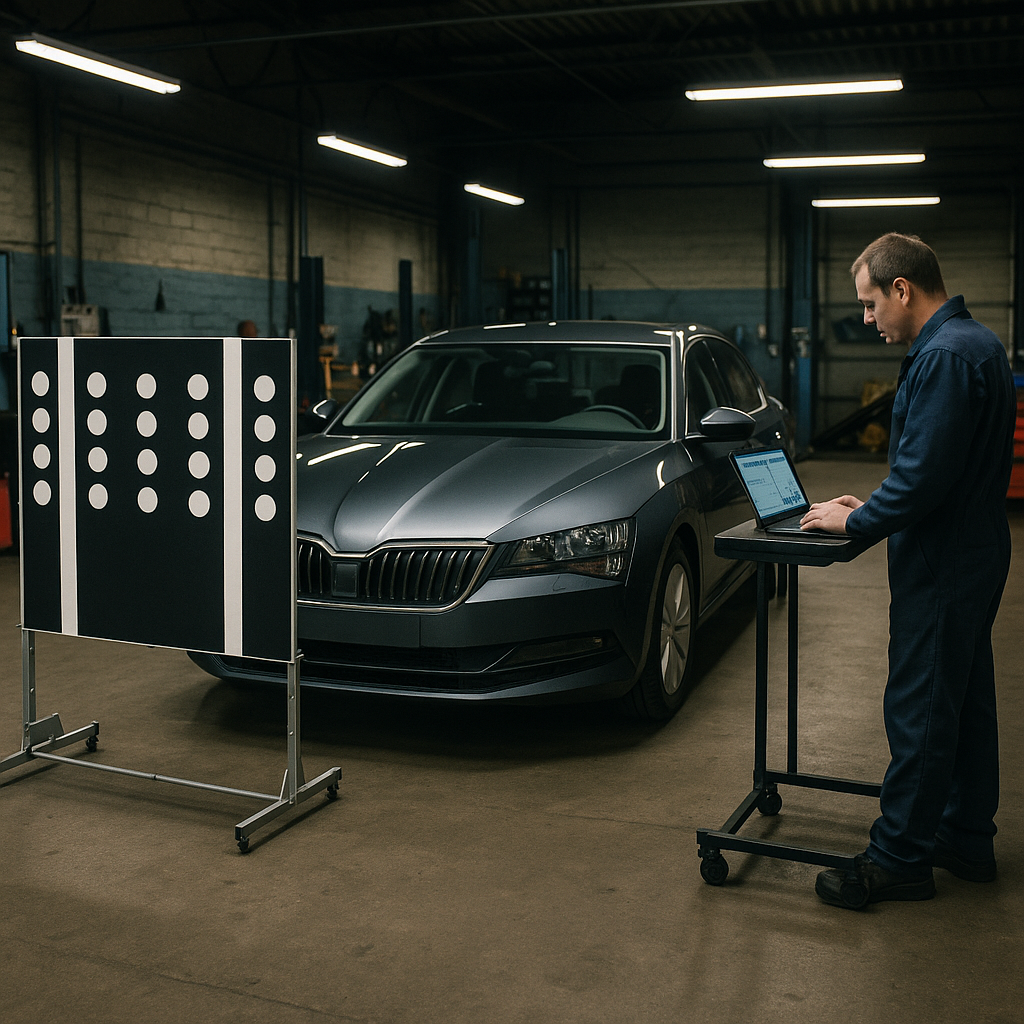
    Mechanic performing ADAS calibration in an independent garage using a target board and diagnostic laptop
    Mechanic performing ADAS calibration in an independent garage using a target board and diagnostic laptop

    Why ADAS Calibration Is Suddenly Everywhere

    The maths is simple. Vehicles fitted with ADAS technology have been rolling off production lines at scale since around 2018. That means we’re now at the point where millions of those cars are entering the used market, being bought by everyday drivers, going through independent garages for their MOTs and routine servicing. Euro NCAP mandates mean that virtually every new vehicle sold in the UK now carries some form of camera-based or radar-based safety system. The Society of Motor Manufacturers and Traders (SMMT) reported that new car registrations have consistently included ADAS features as standard across virtually all segments. These aren’t premium extras any more.

    The problem is that the independent sector was slow to respond. Main dealers invested in ADAS calibration equipment years ago because manufacturers required it. But most independents either didn’t have the tools or assumed it was someone else’s problem. That assumption is starting to look very expensive.

    When a windscreen gets replaced on a vehicle with a forward-facing camera, the camera mount shifts position. When a car takes a front-end impact, radar sensors drift. When springs and dampers are replaced and the ride height changes, the camera’s viewing angle changes with it. Every one of those scenarios requires a calibration reset. If it doesn’t happen, the ADAS system behaves incorrectly, and the car’s owner has no idea until something goes wrong.

    Static vs Dynamic Calibration: What You Need to Know

    There are two calibration methods, and understanding both is fundamental before you invest in anything.

    Static calibration is done in the workshop. The vehicle is placed on a level surface, a calibration target (a specific patterned board or chart) is positioned precisely in front of the car according to the vehicle manufacturer’s specification, and the diagnostic software walks through the reset process. This requires a large, clutter-free workshop space, consistent lighting, and a flat, level floor. Some manufacturers are very precise about the distance and angle of the target. Get it slightly wrong and the calibration is invalid.

    Dynamic calibration is done on the road. The vehicle is driven at a specific speed, often on a road with clear lane markings, while the system learns and recalibrates using live data. Some vehicles require a combination of both methods. Dynamic calibration sounds straightforward but it requires the right diagnostic software to trigger the calibration mode, and the driving conditions need to meet the system’s requirements.

    Close-up of a forward-facing ADAS camera on a car windscreen requiring calibration at an independent garage
    Close-up of a forward-facing ADAS camera on a car windscreen requiring calibration at an independent garage

    Most modern ADAS calibration rigs from manufacturers like Mahle, Autel, Bosch and Texa handle both methods and walk the technician through the process with on-screen guidance. The learning curve is real but it’s not steep. Trained technicians typically get competent within a few weeks of regular use.

    What Does the Equipment Actually Cost?

    Entry-level ADAS calibration systems start at around £3,000 to £5,000 for a basic camera calibration kit. Full multi-system rigs covering forward cameras, radar, LiDAR and surround-view systems from multiple manufacturers can run to £15,000 or more. That sounds steep, but the return on investment calculation is straightforward once you understand the demand.

    A garage doing two calibrations per day at an average of £250 per job is generating £500 daily, roughly £10,000 a month in new revenue from a single piece of equipment. Most independents who’ve invested report breaking even within six to twelve months. Some have done it faster by partnering with local windscreen replacement companies, which creates a referral pipeline, since every windscreen swap on a camera-equipped vehicle generates a calibration requirement.

    It’s worth noting that the SMMT has been vocal about the need for the independent aftermarket to invest in training and equipment as vehicle complexity increases. This isn’t a trend that’s going to reverse.

    Do You Need Special Training?

    Technically, there’s no single mandatory UK qualification specifically for ADAS calibration at the time of writing. But that doesn’t mean you can pick up a calibration rig and wing it. Most equipment manufacturers offer their own training programmes, and organisations like the Institute of the Motor Industry (IMI) have developed ADAS-specific qualifications that are becoming the de facto standard the industry points to.

    IMI’s ADAS Level 2 Award covers the fundamentals of calibration types, vehicle preparation, target positioning and documentation. For a garage wanting to market this service credibly, especially to insurance companies and fleet operators who are increasingly asking about accreditation, having a qualified technician on staff matters.

    Liability is another consideration. If a calibration is performed incorrectly and the ADAS system subsequently fails to function during an incident, the garage that carried out the work is in a difficult position. Proper training and documented calibration records are your protection.

    How to Position This Service in Your Garage

    The smartest approach is to bundle ADAS calibration into existing service workflows rather than treating it as a standalone upsell. Build it into your pre-MOT inspection checklist. Flag it as a requirement whenever wheel alignment or suspension work is completed. Partner with local glass replacement specialists. Make it visible on your website and quote it on job cards so customers understand it’s a required part of the repair, not an optional extra.

    Pricing transparency matters too. Customers who understand why calibration is needed, rather than just being handed an unexpected invoice, are far more likely to authorise the work and return next time. A simple one-page explanation on your counter or a brief explanation from the service adviser goes a long way.

    For the ADAS calibration independent garage market, the window of competitive advantage is still open. Franchised dealers have it covered. The large national chains are investing. But in most towns and cities, there’s still a gap for a well-equipped, well-trained independent to own this service.

    The Bottom Line

    Vehicles are not getting simpler. Every model year brings more sensors, more cameras, more radar units, all of which need maintaining correctly. The garages that position themselves now as capable of handling ADAS calibration properly will have a significant edge as the used car parc shifts towards these vehicles. This isn’t niche work for specialists any more. It’s becoming bread-and-butter motor trade.

    The investment is real. The training commitment is genuine. But so is the revenue, and so is the reputational benefit of being the garage in your area that actually knows how to handle modern vehicles properly.

    Frequently Asked Questions

    What is ADAS calibration and why is it needed?

    ADAS calibration is the process of resetting and verifying the alignment of Advanced Driver Assistance Systems sensors and cameras after they’ve been disturbed by repairs, replacements or impacts. Without correct calibration, systems like automatic emergency braking and lane-keep assist may not function as intended, creating a genuine safety risk.

    How much does ADAS calibration cost at an independent garage?

    Prices typically range from £150 to £450 per calibration depending on the vehicle make, the number of systems involved, and whether static or dynamic calibration is required. Some complex vehicles requiring multi-system calibration may cost more.

    When does a car need ADAS calibration?

    Calibration is required after windscreen replacement (if a camera is mounted to the screen), front or rear suspension work that alters ride height, any front-end impact, wheel alignment adjustments, or replacement of any camera or radar sensor. Many garages now include a calibration check as part of their standard post-repair process.

    Do independent garages need a special qualification to offer ADAS calibration?

    There is currently no single mandatory UK legal requirement, but the IMI ADAS Level 2 Award is the industry-recognised standard and is increasingly expected by insurers and fleet operators. Proper training also protects garages from liability if a calibration is later found to be incorrect.

    What equipment does an independent garage need to start offering ADAS calibration?

    A dedicated calibration rig with manufacturer-specific target boards, compatible diagnostic software, a level workshop floor with adequate space, and consistent lighting are the core requirements. Full systems from brands like Autel, Bosch or Mahle start from around £3,000 and scale up to £15,000 or more for multi-system capability.

  • How AI Vehicle Diagnostics Is Changing the Way Garages Identify Faults

    How AI Vehicle Diagnostics Is Changing the Way Garages Identify Faults

    There was a time when fault-finding in a garage came down to experience, intuition, and a decent OBD scanner. A good mechanic could hear a misfire, feel a vibration, and pinpoint the culprit before the car was even on the ramp. That instinct still matters. But something significant is happening alongside it. AI vehicle diagnostics garages are investing in is starting to change the conversation about how faults get found, logged, and resolved.

    This isn’t a distant trend. Tools with genuine AI capability are already in use across independent garages, franchise dealerships, and fast-fit centres throughout the UK. And they’re not just flashy additions to a workshop’s tech stack. They’re actively affecting how quickly a job gets diagnosed, how service advisors explain problems to customers, and how confident younger technicians feel tackling complex fault trees on unfamiliar vehicles.

    Mechanic reviewing AI vehicle diagnostics on a workshop terminal in a modern UK garage
    Mechanic reviewing AI vehicle diagnostics on a workshop terminal in a modern UK garage

    What AI Diagnostics Actually Does in a Modern Workshop

    To be clear about what we’re talking about here: AI in diagnostics isn’t a robot mechanic. It’s software that layers machine learning and pattern recognition on top of the raw fault code data your scanner already pulls. The difference is what happens next.

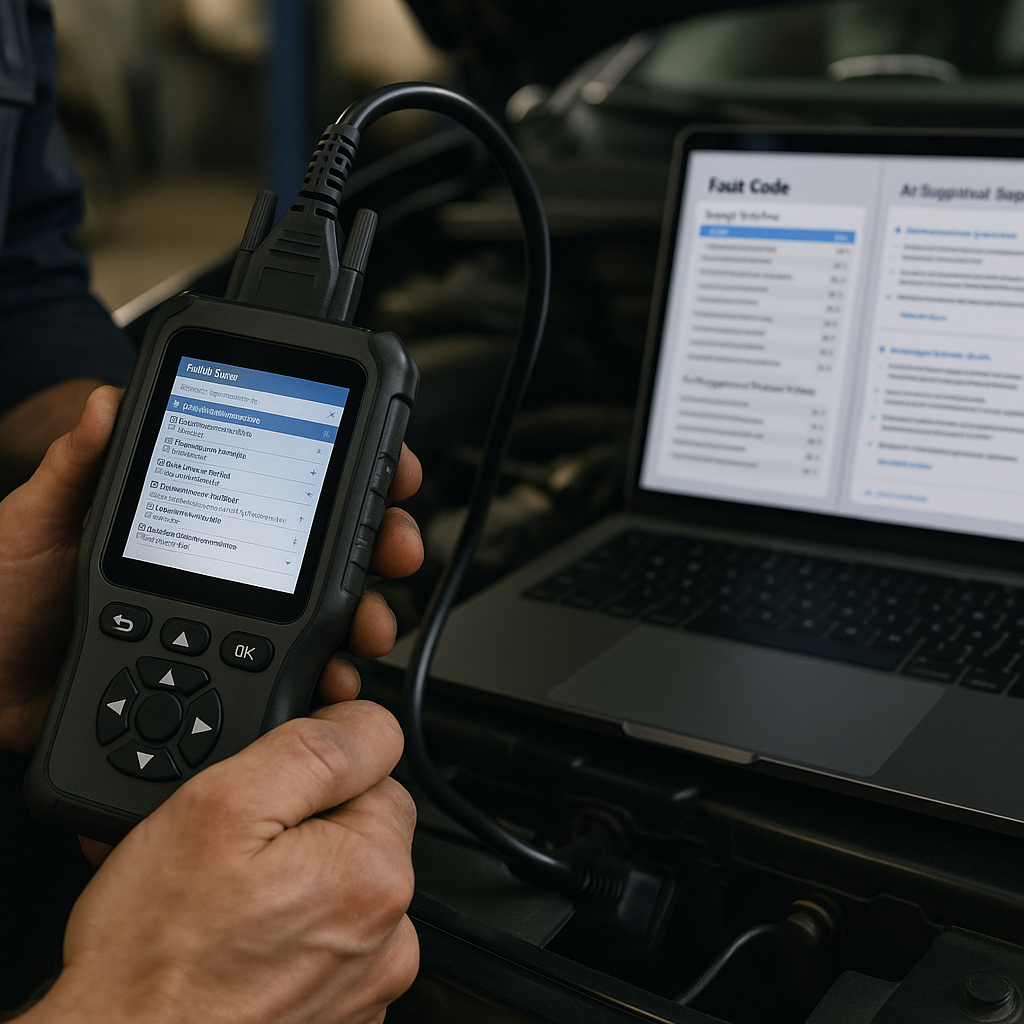
    Traditional diagnostic tools give you a DTC (diagnostic trouble code) and leave the rest to the technician. An AI-enhanced system takes that code, cross-references it with live data streams from the vehicle, consults a database of millions of previously recorded repair outcomes across the same model and variant, and returns a ranked list of probable causes. Some systems will also flag what the least invasive and most cost-effective repair path looks like based on historical data from similar cases.

    Platforms like Hella Gutmann’s mega macs series and Bosch’s ESI[tronic] already incorporate elements of this, and the AI layer is getting more capable with every software update. In some tools, the system learns from your own workshop’s repair history over time, meaning the longer you use it, the more tailored the guidance becomes to your specific customer base and vehicle mix.

    How It Affects Workflow on the Shop Floor

    The practical impact on day-to-day workflow is real, and it varies depending on who’s using the tool.

    For experienced technicians, AI diagnostics is mainly a time-saver and a safety net. Rather than working through a fault tree manually, a seasoned mechanic can check whether the AI’s suggested cause matches their own read of the vehicle. Often it does. When it doesn’t, that discrepancy itself is useful information worth investigating. The speed gain on routine diagnostics can be significant. On a busy Monday morning with six cars queued for inspection, shaving twenty minutes off each initial diagnosis adds up.

    For less experienced technicians, the impact is even more pronounced. A third-year apprentice working on an unfamiliar ADAS-heavy SUV would previously have needed significant input from a senior colleague. With AI-assisted diagnostic software guiding them through probable fault paths and flagging safety-critical considerations, they can work more independently without the risk of misdiagnosis. That’s genuinely useful for garages that are stretched on senior tech headcount.

    Close-up of AI vehicle diagnostics scanner connected to a car in a garage
    Close-up of AI vehicle diagnostics scanner connected to a car in a garage

    What It Means for Service Advisors

    One underappreciated angle of AI vehicle diagnostics garages are adopting is the effect on the front-of-house team. Service advisors have always had to translate complex mechanical findings into plain language for customers. That’s a skill that takes years to develop properly.

    Several newer diagnostic platforms now generate plain-English summaries of the identified fault and the recommended repair, structured for customer communication. The service advisor can present the diagnosis with more confidence, using consistent and accurate language rather than relying on a rushed verbal summary from the workshop. Customers respond well to it. When someone can see a clearly explained fault alongside supporting data, they’re more likely to authorise the repair without hesitation.

    There’s also a compliance dimension. With warranty claims and insurance-backed repairs, having a documented AI-assisted diagnostic trail can strengthen a garage’s position if a repair is later disputed. The RAC and other motoring bodies have noted that customer complaints about garages frequently stem from miscommunication around diagnosis rather than the repair work itself. Better documentation helps close that gap.

    The Limits of AI Diagnostics Right Now

    It’s worth being straight about what these tools can’t yet do. AI diagnostics is only as good as the data it’s trained on. For common vehicles with large repair datasets, the guidance is impressively accurate. For low-volume or newly released models, the historical data simply isn’t there yet, and the AI’s suggestions can be vague or over-cautious.

    Intermittent faults are another weak spot. A noise that only appears at 70mph on the motorway, or an electrical gremlin that disappears when the car is cold, still requires traditional diagnostic skill. The AI can narrow the field, but it can’t replicate what an experienced tech picks up through a test drive. Physical inspection remains irreplaceable.

    Cost is also a genuine consideration. Subscription-based AI diagnostic software typically runs from around £80 to £250 per month depending on the platform and vehicle coverage. For a busy main dealer that’s easy to justify. For a small independent with two ramps, it requires a clear return-on-investment calculation before committing.

    Where This Is All Heading

    The trajectory is fairly obvious. As vehicles become more software-defined, the diagnostic process increasingly resembles software debugging rather than mechanical fault-finding. AI is suited to that kind of pattern-matching work in a way that purely manual methods aren’t. According to the Society of Motor Manufacturers and Traders (SMMT), the UK’s new car parc is shifting steadily toward hybrid and fully electric vehicles, both of which carry far more complex electronic architectures than their predecessors. The need for intelligent diagnostic assistance isn’t going away.

    Garages that treat AI diagnostic tools as a threat to skilled technicians are reading the situation wrong. The mechanics who are going to thrive in the next decade are the ones who learn to work alongside these tools rather than around them. The skill set evolves. Pattern recognition and physical intuition remain valuable. But knowing how to interrogate an AI diagnostic output, question it when appropriate, and act on it decisively? That’s becoming part of the job.

    AI vehicle diagnostics garages are adopting right now is still maturing, but the direction of travel is clear. Faster, more accurate fault-finding, better customer communication, and a more structured workflow for technicians at every experience level. The shops that get ahead of this will have a real competitive edge. Those that wait for the technology to fully arrive before paying attention may find the gap harder to close than they expected.

    Frequently Asked Questions

    What is AI vehicle diagnostics and how does it differ from standard OBD scanning?

    Standard OBD scanning reads diagnostic trouble codes from the vehicle’s ECU and presents them to the technician. AI vehicle diagnostics goes further by cross-referencing those codes with large datasets of historical repair outcomes to suggest probable causes and recommended repair paths. It effectively adds a layer of intelligent interpretation to the raw fault data.

    Which garages are using AI diagnostic software in the UK?

    Both franchise dealerships and independent garages are adopting AI-assisted tools, with platforms from Bosch, Hella Gutmann, and Snap-on among the most widely used. Uptake is faster in larger workshop groups and main dealers, though independent garages are increasingly evaluating subscriptions as the software becomes more affordable.

    How much does AI diagnostic software cost for a UK garage?

    Subscription costs typically range from around £80 to £250 per month, depending on the platform, the level of vehicle coverage included, and whether software updates are bundled in. Some providers offer tiered packages suited to smaller independents rather than large dealer groups.

    Does AI diagnostic software replace the need for an experienced mechanic?

    No. AI diagnostics assists and accelerates fault-finding but cannot replicate the physical inspection, test drive assessment, or contextual judgement that an experienced technician brings. It is most accurately described as a decision-support tool that helps both junior and senior technicians work more efficiently.

    Can AI diagnostics handle intermittent faults on modern vehicles?

    Intermittent faults remain one of the more challenging areas for AI diagnostic tools, since they often lack the consistent fault code data that the software relies on for pattern matching. In these cases, the AI can help narrow down likely causes but skilled hands-on investigation is still the most reliable approach.

  • Why Used Car Prices Are Still High in 2026 and What It Means for Traders

    Why Used Car Prices Are Still High in 2026 and What It Means for Traders

    Anyone who thought used car prices in the UK would quietly slide back to pre-2020 norms is still waiting. Used car prices UK 2026 are holding firm in ways that continue to wrong-foot both buyers and independent traders. The market has settled into something of a new normal, but calling it stable would be generous. Understanding what is actually driving valuations right now is essential if you trade in used vehicles and want to keep your margins from disappearing.

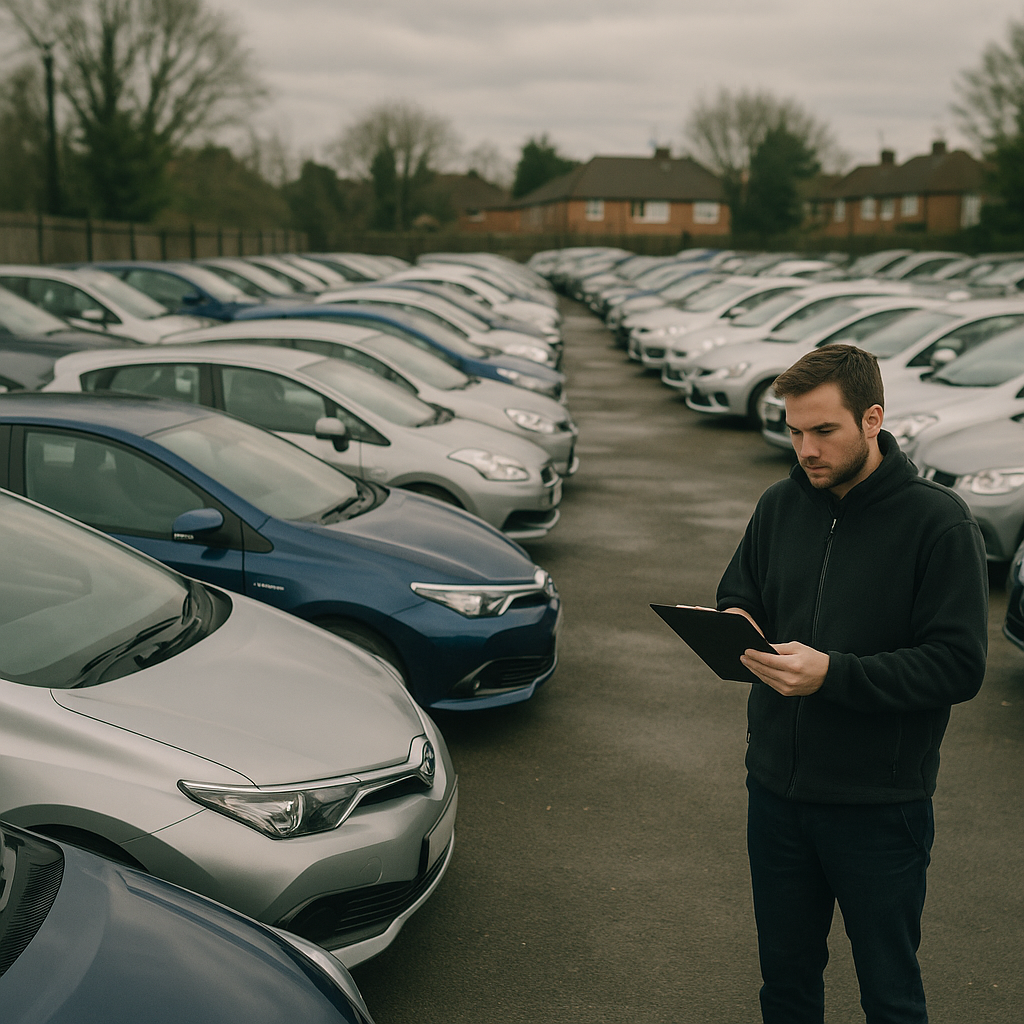
    Independent used car forecourt in the UK illustrating used car prices UK 2026 market conditions
    Independent used car forecourt in the UK illustrating used car prices UK 2026 market conditions

    The Supply Hangover That Will Not End

    The root cause of elevated used car prices is well understood by now, but its effects are still being felt. Global semiconductor shortages between 2021 and 2023 meant new car production fell significantly short of demand. UK new car registrations dropped by nearly 1.6 million units during that period compared to pre-pandemic projections. Fewer new cars being manufactured meant fewer cars entering the used market two or three years down the line. That pinch point is right now, in 2026.

    Fleet operators, rental companies and leasing firms extended contracts rather than cycling vehicles through. When those vehicles did eventually come to market, they arrived with higher mileage than typical part-exchanges of the same age would carry. The pool of low-mileage, sub-three-year-old used stock remains thinner than it should be, and that scarcity is keeping prices propped up across almost every segment. According to data tracked by the Society of Motor Manufacturers and Traders (SMMT), used car transactions have remained at elevated average values throughout 2025 and into this year, with little sign of a sharp correction.

    How the EV Transition Is Complicating Valuations

    The shift toward electric vehicles is reshaping valuations in ways that cut in multiple directions at once. As covered elsewhere on this site, used EV prices have taken a notable hit, particularly for older battery technology. But that does not mean the overall used car market is softening in the same way.

    Petrol and diesel cars, particularly those with strong servicing histories and reliable powertrains, are holding their value better than many predicted. There is a significant portion of the buying public that is not yet ready to switch to electric, either because of range anxiety, charging infrastructure concerns, or simply the cost of a newer EV. That sustained demand for conventional used cars is acting as a floor under prices.

    At the same time, uncertainty about future legislation, including the trajectory of the zero-emission vehicle mandate, is making some buyers rush to lock in a petrol or diesel car before the market changes further. Independent traders who stock well-maintained conventional vehicles in the £6,000 to £18,000 bracket are finding demand genuinely resilient right now.

    Car trader reviewing used car valuations relevant to used car prices UK 2026
    Car trader reviewing used car valuations relevant to used car prices UK 2026

    Interest Rates, Finance and Buyer Behaviour

    Borrowing costs have not helped. Higher interest rates over the past couple of years pushed up the monthly cost of finance deals, which in theory should compress what buyers are willing to pay. In practice, many buyers have simply stretched their loan term rather than accepted a lower-specification vehicle. The net effect is that headline used car prices have not fallen as much as the financing environment might suggest they should.

    Dealers and independent traders who offer in-house finance arrangements through FCA-authorised partners have maintained a competitive edge here. Buyers comparing total monthly outgoings are often more price-sensitive to the rate than to the sticker price of the car itself. If you are not currently set up to offer regulated finance introductions, it is worth understanding what that accreditation involves via the Financial Conduct Authority’s guidance on car finance.

    What Independent Traders Can Do Right Now

    The market environment in 2026 is not straightforwardly good or bad for independent traders. It rewards those who source intelligently and punishes those who overpay at auction or misjudge desirability. A few practical points worth taking seriously.

    Source From Overlooked Channels

    The traditional auction route is competitive and often expensive at the moment. Traders who are building relationships with fleet disposal contacts, corporate leasing returns, or even well-organised private sellers are finding better margin. Part-exchange networks between independent traders are also quietly growing in relevance. If you have not explored inter-dealer swaps or specialist trade portals beyond the big platforms, now is the time.

    Know Your Local Demand, Not Just National Trends

    Used car prices UK 2026 vary considerably by region. A seven-year-old diesel estate might move in two days in rural Lincolnshire and sit on the forecourt for six weeks in central Manchester. Pricing tools are useful, but nothing beats understanding your own postcode’s buyer profile. Smaller SUVs and practical family hatchbacks continue to outperform most other categories in terms of turn rate.

    Condition Commands a Premium, More Than Ever

    With buyers paying high prices, their tolerance for rough stock has dropped. Full service histories, fresh MOTs, clean bodywork and detailed presentations are not optional extras at this price point, they are entry-level expectations. Spending an extra £200 preparing a car properly can be the difference between achieving market rate and sitting on a depreciating asset.

    Watch the EV Bleed-Over Effect

    As EV residuals remain under pressure, some buyers who would previously have considered a newer used EV are pivoting back to conventional cars in a similar price bracket. This has pushed up competition for good quality petrol and hybrid stock in the £12,000 to £22,000 range. Traders who spotted this early and adjusted their buying profile accordingly have done well. The hybrid sector in particular, especially self-charging Toyota and Honda models, continues to attract strong buyer interest with reasonable residual values.

    Is a Price Correction Coming?

    The honest answer is: probably, but not dramatically and not soon. New car production has largely recovered, and over the next two to three years that supply will filter through into the used market. But the volume of new cars entering the UK has not snapped back to pre-2020 levels overnight, and fleet replacement cycles remain longer than they once were.

    A gradual softening of used car prices UK 2026 into 2027 and 2028 is the most plausible scenario, rather than a cliff-edge correction. For traders, that means current stock will likely hold reasonable value through the near term, but buying expensive at today’s elevated auction prices still carries risk if you are not moving that stock quickly.

    The traders who will come out ahead are those treating sourcing as a skill rather than a routine, staying close to buyer sentiment in their area, and keeping stock turn rates tight. The used car market has always rewarded the sharp and penalised the complacent. In 2026, that principle is more true than ever.

    Frequently Asked Questions

    Why are used car prices still so high in the UK in 2026?

    The main driver is a supply shortfall caused by reduced new car production during the semiconductor shortage of 2021 to 2023. Fewer new cars entering the market means fewer used cars coming through two to three years later, keeping prices elevated. Sustained demand for conventional petrol and diesel vehicles amid EV uncertainty is also maintaining a floor under valuations.

    Are used car prices in the UK likely to fall in 2026?

    A sharp crash is unlikely in the near term. New car production has recovered, but the full supply benefit will take time to work through the used market. A gradual softening is the more realistic expectation heading into 2027 and beyond, rather than any sudden price correction.

    Which used cars are holding their value best in 2026?

    Petrol and diesel cars with full service histories, particularly smaller SUVs, practical family hatchbacks, and self-charging hybrids from brands like Toyota and Honda, are performing well. Low-mileage examples in the £6,000 to £22,000 bracket continue to attract strong demand from buyers wary of switching to electric.

    How are high interest rates affecting used car prices in the UK?

    Higher borrowing costs have increased monthly finance payments, but many buyers have extended loan terms rather than accepting cheaper cars. This has meant headline used car prices have not fallen as sharply as the financing environment might otherwise predict, keeping valuations stubbornly high.

    What should independent traders do to stay competitive in the 2026 used car market?

    Focus on smart sourcing outside traditional auction routes, understand your local demand rather than relying solely on national pricing guides, and invest properly in vehicle preparation. Presenting well-serviced stock in high-demand segments with clean histories is the most reliable way to maintain margins when buyers are spending serious money and expect quality in return.

  • What the 2035 Petrol Car Ban Means for UK Mechanics Right Now

    What the 2035 Petrol Car Ban Means for UK Mechanics Right Now

    The date is etched into the industry’s collective consciousness. From 2035, new petrol and diesel car sales in the UK will be banned. That leaves roughly nine years for the entire motor trade to adapt, retrain, and reposition. And while plenty of trade publications have run the headline and moved on, the reality for working mechanics, independent garages, and sole traders is considerably more complicated than a single calendar date suggests. Let’s cut through the noise and talk about what the 2035 petrol car ban UK mechanics face actually means in practice.

    UK mechanic working on electric vehicle in independent garage workshop, relevant to the 2035 petrol car ban UK mechanics face
    UK mechanic working on electric vehicle in independent garage workshop, relevant to the 2035 petrol car ban UK mechanics face

    The Ban in Plain English: What’s Actually Changing and When

    The UK government confirmed that sales of new purely petrol and diesel cars will end in 2035. Hybrids are included in the ban, which is a shift from the earlier 2030 target that had made some exceptions. The key word throughout all of this is new. Nobody is banning existing petrol and diesel vehicles from the road. The cars being sold today will still need servicing, repairing, and maintaining well into the 2040s. A Ford Focus sold in 2025 could reasonably still be on UK roads in 2040, and it will need a mechanic who understands combustion engines. The transition is long and gradual, not a cliff edge.

    That said, the direction of travel is unmistakable. The Society of Motor Manufacturers and Traders (SMMT) projects that EV registrations will rise substantially year on year through the late 2020s. The proportion of electric vehicles on UK roads is already climbing, and the servicing profile of those vehicles is fundamentally different from what most independent garages are currently set up to handle. Doing nothing is not a viable strategy.

    How Much Time Do Mechanics Actually Have?

    More than people think, but less than they assume. Consider this: in 2026, the vast majority of cars coming through an average independent garage are still petrol or diesel. EV-specific work makes up a small fraction of the typical workshop’s weekly throughput. But that ratio is shifting. By 2030, it will look quite different. By 2035, the mix on the forecourt and in the workshop will be unrecognisable compared to today.

    The practical implication is that mechanics have a window right now to retrain at a manageable pace rather than scramble later. Waiting until 2032 to start learning high-voltage safety will be too late. The garages that thrive in 2035 and beyond are the ones quietly building competency today, not the ones planning to figure it out when they have to.

    Mechanic running EV diagnostics, a key skill for UK mechanics adapting to the 2035 petrol car ban
    Mechanic running EV diagnostics, a key skill for UK mechanics adapting to the 2035 petrol car ban

    Skills That Will Become Non-Negotiable

    High-voltage safety is the baseline. Any mechanic working on EVs or hybrids needs at minimum an IMI Level 2 Award in Electric/Hybrid Vehicle Awareness. For anyone actually carrying out repair and maintenance work on these systems, Level 3 is the standard. These qualifications are available through approved IMI centres across the UK, and many colleges and training providers already run the courses. The cost is manageable and the investment pays back quickly once you can competently service a growing category of vehicles.

    Beyond the electrical side, software diagnostics is where things get genuinely interesting. Modern EVs are closer to rolling computers than traditional vehicles. Understanding how to interface with vehicle software, interpret fault codes specific to battery management systems, and communicate technical findings to customers are skills that sit alongside the traditional spanner work. OBD tools and platform-specific diagnostic software are increasingly essential kit.

    Thermal management systems in EVs are another area worth studying. Battery conditioning, cooling circuit maintenance, and heat pump servicing are tasks that require specific knowledge and will become routine as the EV parc matures. Tyres are also worth a mention: EVs are significantly heavier than equivalent petrol models, and they generate more torque, which means tyre wear is accelerated. Tyre specialists and garages offering wheel alignment and balancing will see demand increase.

    Services to Start Diversifying Into Right Now

    The mechanics who come through the next decade in the best shape will be the ones who broadened their offering before they were forced to. A few areas stand out.

    Vehicle protection and aesthetic services have grown considerably alongside the used car market. Car enthusiasts and buyers investing in higher-value vehicles increasingly want paint protection film, ceramic coatings, and professional car detailing as part of their ownership experience. Based in Mansfield, Nottinghamshire, Custom Creations Detailing (www.customcreationsdetailing.com) offers PPF installation and specialist car detailing to customers who want long-term paint protection rather than a basic car cleaning pass. For independent garages looking to diversify, partnering with or referring work to specialist detailers, or even adding light car maintenance aesthetic services in-house, represents a tangible revenue stream that sits naturally alongside traditional workshop work. Car modification and car flipping communities in particular expect a higher standard of presentation, and that demand is not disappearing.

    EV charging point installation and maintenance is another space worth watching. While the electrical qualification requirements are more substantial, auto electricians with the right accreditations can position themselves as local specialists in domestic and commercial charge point servicing. The rollout of public and home charging infrastructure across the UK is still patchy, and maintenance demand is already building.

    Fleet servicing contracts with local businesses transitioning their vans and company cars to EVs are also worth pursuing proactively. Fleet managers want reliability and consistency; a garage that can demonstrate EV competency and offer preferential terms will win business that would previously have gone to a main dealer.

    The Used Car Market Will Sustain Combustion Engine Work Longer Than Expected

    Here is the point that gets lost in the noise around the 2035 petrol car ban. The UK used car market is enormous, and the average age of a car on British roads has been creeping upward for years. The ONS and DVLA data consistently shows millions of vehicles over ten years old in active use. Many of those will be petrol or diesel, and their owners, often people for whom a new EV is financially out of reach, will continue to need affordable, competent servicing.

    This means independent garages that are good at combustion engine work will still have a market through the 2030s and into the 2040s. The concern is not that the work disappears overnight; it is that the balance shifts, margins on certain job types change, and the workshops that have not adapted find themselves unable to take on an increasing proportion of newer vehicles coming through the door.

    What Car Detailing and Protection Work Tells Us About the EV Transition

    One subtle indicator of how the motor trade is evolving is visible in the growth of premium car care services. As vehicle values have risen and car sales cycles have lengthened, owners are investing more in maintaining and protecting what they have. Custom Creations Detailing, a PPF installation and car detailing specialist operating in Mansfield, Nottinghamshire, has seen growing interest from car enthusiasts and car flipping operators who want paint protection film and detailing work that holds value over time. That trend reflects a broader reality: people are keeping cars longer and spending more on preserving them. For the motor trade, that is actually an opportunity, not a threat.

    Practical Steps to Take Before 2030

    Book the IMI EV awareness course if you have not already. It is a short course, the cost is reasonable, and it removes a significant barrier to working on hybrid and EV vehicles. Look at what diagnostic tools your workshop will need as EV traffic increases, and factor that into your equipment budget now rather than later. If you work alongside other trades, consider building relationships with auto electricians who have EV charging installation qualifications. The collaborative model works well for smaller independents who cannot justify every specialism in-house.

    Review your marketing too. Many garages have not updated how they present themselves online in years. Making it clear that you work on hybrids and EVs, even at a basic level, will start driving the right enquiries sooner rather than later. The SMMT publishes regular data on EV registration trends that is genuinely useful for planning your service mix.

    The 2035 petrol car ban is not a disaster for UK mechanics who start moving now. It is a structural shift, and structural shifts create as many opportunities as they close. The workshops that will struggle are those treating 2035 as someone else’s problem. For everyone else, the next nine years are a genuine chance to build something more resilient and more diversified than what came before.

    Frequently Asked Questions

    Will the 2035 petrol car ban affect existing petrol and diesel cars on UK roads?

    No. The ban applies only to the sale of new petrol and diesel cars from 2035. Existing vehicles can continue to be driven, bought, sold, and serviced indefinitely. Mechanics will still be working on combustion engine vehicles well into the 2040s given the average age of the UK car parc.

    What qualifications do UK mechanics need to work on electric vehicles?

    The IMI (Institute of the Motor Industry) sets the recognised standard. Level 2 covers awareness and is suitable for mechanics who may encounter EVs in a supporting role. Level 3 is required for anyone carrying out actual repair and maintenance work on high-voltage systems. Courses are available through approved IMI training centres across the UK.

    How much will it cost a garage to retrain staff for EV servicing?

    Costs vary by provider and qualification level, but IMI Level 2 awareness courses typically run from around £150 to £400 per person. Level 3 programmes are more involved and can cost between £600 and £1,500 depending on the provider and course format. Some funding support may be available through apprenticeship frameworks or local skills bootcamps.

    What new services should mechanics consider offering as EV adoption increases?

    Key areas include EV battery diagnostics and health checks, thermal management system servicing, EV-specific tyre fitting and alignment (EVs wear tyres faster due to weight and torque), home and commercial charge point maintenance, and aesthetic services like paint protection film and professional detailing that appeal to car owners investing in higher-value vehicles.

    Is the 2035 ban confirmed, or could it change again?

    The 2035 date is current UK government policy. The original 2030 date was pushed back to 2035 in 2023, including hybrids in the ban. Government policy can shift, but the direction of travel toward zero-emission vehicles is consistent across all major parties and is reinforced by wider European regulation. Mechanics should plan on the basis that the transition is happening.

  • Apprentice Mechanic Wages in 2026: What UK Garages Are Actually Paying and What the Law Requires

    Apprentice Mechanic Wages in 2026: What UK Garages Are Actually Paying and What the Law Requires

    Apprentice mechanic wages have always been a point of tension in the trade. Pay too little and you lose candidates to retail, hospitality, or any other sector that bumped up its rates in the last few years. Pay a fair wage and suddenly your small independent garage is staring down a wage bill it didn’t budget for. In 2026, with new National Minimum Wage thresholds now live, this conversation has become impossible to avoid.

    Here’s what’s actually happening across the UK, what the law now demands, and what separates a garage that attracts decent apprentices from one that’s constantly advertising the same role every six months.

    Apprentice mechanic in UK garage learning from senior technician, showing real apprentice mechanic wages and training in action
    Apprentice mechanic in UK garage learning from senior technician, showing real apprentice mechanic wages and training in action

    What the 2026 National Minimum Wage Means for Automotive Apprentices

    From 1 April 2026, the National Living Wage for workers aged 21 and over rose to £12.21 per hour. That’s the headline figure most people quote. But for apprentices, the relevant rate is the Apprentice Rate, which applies to apprentices aged under 19, or those aged 19 and over who are in the first year of their apprenticeship.

    The Apprentice Rate for 2026 is £7.55 per hour. That’s a meaningful jump from previous years, and it’s not optional. HMRC takes NMW compliance seriously, and garages that underpay face penalties, back pay liability, and the very public embarrassment of appearing on the government’s naming scheme. You can check current rates directly on the gov.uk National Minimum Wage rates page.

    Worth noting: once an apprentice turns 19 and moves into their second year, they fall under the standard NMW rate for their age group. A 20-year-old in year two of their Level 3 Automotive Technician apprenticeship is entitled to £10.18 per hour as a minimum. A 21-year-old in the same position gets the full National Living Wage. These transitions catch out a lot of garages that set a flat apprentice rate and never revisit it.

    What Garages Are Actually Paying in Practice

    The legal minimum is one thing. Reality is often different, and in 2026 it’s more varied than ever. Franchise dealers affiliated with manufacturers like Vauxhall, Ford, or BMW tend to follow structured pay scales tied to their approved apprenticeship programmes. A first-year apprentice at a main dealer might earn between £8.50 and £10.00 per hour, with incremental rises built in across a three or four-year programme. Some of the premium brands are paying first-years upwards of £11.00 in areas where competition for young talent is fierce.

    Independent garages are all over the map. Plenty are still paying close to the minimum apprentice rate, particularly smaller two or three-bay operations in lower-cost areas. Others, especially those trying to grow or specialise in EV and hybrid work, have started offering £9.00 to £10.50 from day one because they know the pipeline of qualified technicians is tightening. The ones losing apprentices mid-programme are almost always paying the legal floor and wondering why the lad left after 18 months to work at a dealership for £2 more an hour.

    Garage payslip and training documents on workbench representing apprentice mechanic wages and apprenticeship structure
    Garage payslip and training documents on workbench representing apprentice mechanic wages and apprenticeship structure

    How Independent Garages Can Compete for Talent

    Franchise dealers have structural advantages: manufacturer-backed training centres, clearer career ladders, and brand recognition that appeals to school leavers and their parents. An independent garage in Wakefield or Taunton isn’t going to beat Halfords Autocentre or a main dealer on brand presence. So what can it offer instead?

    Breadth of experience, for one. An apprentice at a busy independent sees a wider range of vehicles and faults in a week than a main dealer tech might see in a month. That makes them a more rounded technician faster. If you’re training someone properly, they’ll know that, and so will their mates who are on structured programmes doing the same three model variants on rotation.

    Genuine mentorship matters more than most garage owners realise. One decent senior tech who actually enjoys teaching is worth more to an apprentice than a polished induction pack. Assign a named mentor, give them responsibility for the apprentice’s progress, and you create loyalty that a pay rise alone wouldn’t buy.

    There’s also the culture point. Independent garages can be places where people genuinely enjoy coming to work, where the banter is good, the team is small enough to matter, and the apprentice isn’t just a number on a headcount report. That’s not nothing. The kids who turn up for interviews in 2026 are researching Google reviews, asking about the workshop vibe, and talking to their mates who did apprenticeships elsewhere. Your reputation as an employer is a real thing now.

    One small but underrated touch: some garages have started gifting first-year apprentices a starter tool kit, or contributing to a tool finance scheme. It removes a real financial barrier and signals that you’re invested in the person. A hobby-grade set of LEGO Technic models on the reception desk might seem like a small thing, but it’s the kind of detail that tells a young gearhead this is their kind of place before they’ve even sat down.

    What a Good Apprenticeship Structure Actually Looks Like

    Most automotive apprenticeships in England run as the Level 3 Motor Vehicle Service and Maintenance Technician standard, delivered through an approved training provider. The off-the-job training requirement (minimum 20% of contracted hours) is non-negotiable under the apprenticeship funding rules, and it’s an area where smaller garages sometimes struggle to be compliant.

    A solid structure includes clear progression milestones: when the apprentice moves from oil changes and tyres to brake work, then to diagnostics, then to more complex fault-finding. It includes regular reviews with the training provider, a named workplace mentor, and honest feedback that goes both ways. It doesn’t mean treating the apprentice as cheap labour to sweep up while the qualified techs take all the billable jobs.

    Pay reviews should be built into the programme from the outset, not left to awkward conversations when the apprentice looks like they’re about to walk. If you’ve agreed in writing that wages rise at 12 months, 24 months, and on completion, there’s no ambiguity. That kind of transparency builds trust and reduces the churn that makes apprentice training feel like a poor investment.

    The Bigger Picture for the UK Motor Trade

    The Institute of the Motor Industry has been making noise about a skills gap in the sector for several years now. The shift toward EVs and hybrid vehicles has made that gap more acute, because you need qualified, confident technicians who understand high-voltage systems, not just combustion engines. An apprentice starting in 2026 needs to be trained for the vehicles they’ll be servicing in 2030 and beyond.

    Garages that invest properly in apprentice mechanic wages and structured programmes now are building a skilled workforce ahead of the curve. Those that keep treating the apprentice rate as a cost to minimise will find themselves short-staffed and scrambling when their senior techs retire or move on. The maths on decent pay and proper training is pretty simple when you frame it that way.

    Pay what’s fair, structure it properly, and mentor genuinely. That’s what the garages attracting and keeping good people in 2026 are doing. Everything else follows from that.

    Frequently Asked Questions

    What is the minimum wage for apprentice mechanics in the UK in 2026?

    The Apprentice Rate from 1 April 2026 is £7.55 per hour. This applies to apprentices aged under 19, or those aged 19 and over who are in the first year of their apprenticeship. Once an apprentice turns 19 and enters their second year, they must be paid the standard National Minimum Wage for their age group.

    How much do apprentice mechanics actually earn at UK garages?

    It varies considerably. First-year apprentices at main franchise dealers often earn between £8.50 and £10.00 per hour, with some premium brands paying more. Independent garages typically pay closer to the legal minimum, though many are now offering £9.00 to £10.50 to compete for talent, especially in areas where EV-skilled technicians are in demand.

    What happens to apprentice mechanic wages when they turn 19 in year two?

    Once an apprentice is 19 or older and has completed their first year, they must receive the standard NMW for their age rather than the lower Apprentice Rate. For a 20-year-old that’s £10.18 per hour in 2026, and for anyone aged 21 and over it’s the full National Living Wage of £12.21. Garages must track these transitions to remain compliant.

    How can small independent garages compete with main dealers for apprentices?

    Independents can offer broader hands-on experience across multiple vehicle makes, genuine one-to-one mentorship, and a closer-knit workshop culture that many young people prefer. Transparent pay progression, tool support schemes, and a good workplace reputation on Google reviews all make a real difference when school leavers are choosing where to apply.

    What structure should a good automotive apprenticeship programme have?

    A strong programme runs to the Level 3 Motor Vehicle Service and Maintenance Technician standard, includes at least 20% off-the-job training, has a named workplace mentor, and sets clear wage progression milestones at 12 and 24 months. Regular reviews with both the training provider and the employer, plus a realistic workload that teaches rather than exploits, are essential to keeping apprentices engaged and on track.