Category: Insights

  • How UK Garages Are Legally Required to Handle Waste Oil, Tyres and Refrigerant in 2026

    How UK Garages Are Legally Required to Handle Waste Oil, Tyres and Refrigerant in 2026

    Most garages are solid on the mechanical side. Diagnostics, servicing, repairs, that’s the bread and butter, and most workshops do it well. Where things get unstuck is waste compliance. The garage waste disposal regulations UK businesses must follow are more detailed than many owners realise, and the Environment Agency has been increasingly active in handing out notices and fines to garages that aren’t keeping their house in order. I’ve spoken to traders who were genuinely shocked by how specific the rules are, particularly around used oil storage volumes, tyre accumulation limits, and post-Brexit F-gas refrigerant handling. So let’s go through it properly.
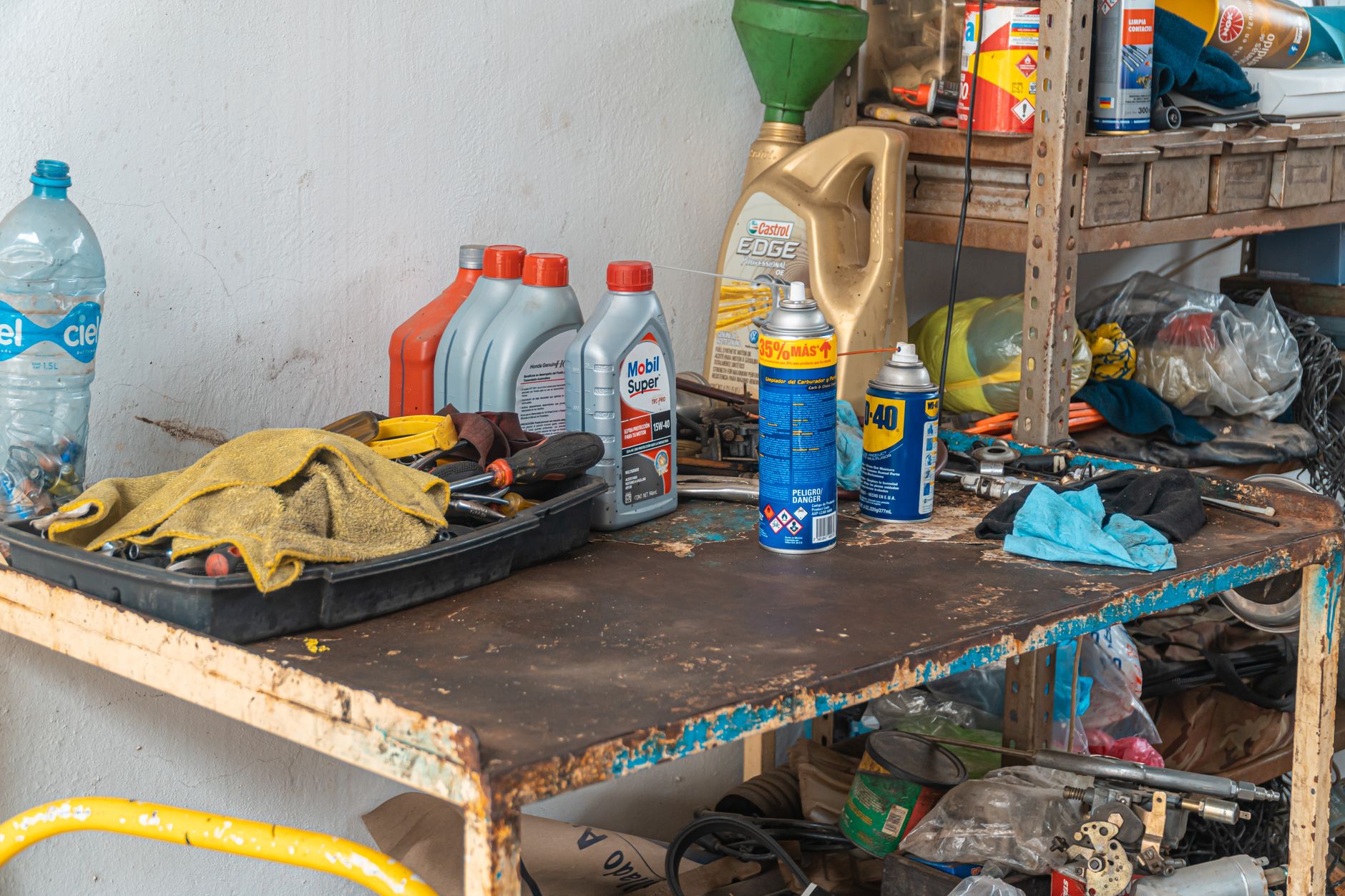
    Labelled waste oil drums in a UK garage, relevant to garage waste disposal regulations UK
    Photo by Jose Ricardo Barraza Morachis on Pexels

    What the Environment Agency actually regulates in a garage

    The Environment Agency (EA) classifies garages as producers of hazardous and non-hazardous controlled waste. That means the moment you drain used engine oil, pull off a tyre, or recover refrigerant from an air conditioning system, you’re handling regulated waste streams. You can’t simply bin it, burn it, or leave it stacked up indefinitely. The EA and its equivalent bodies in Scotland (SEPA) and Wales (Natural Resources Wales) all operate under broadly similar frameworks, though there are some devolved nuances. For England, the key legislation is the Environmental Protection Act 1990, the Hazardous Waste Regulations 2005 as amended, and the Waste (England and Wales) Regulations 2011.

    Garages that produce more than 500 kg of hazardous waste per year must register as a hazardous waste producer with the EA. Many garages hit that threshold faster than they think, particularly if they’re doing oil changes at volume. Registration is straightforward and free, but skipping it is a fixed enforcement route if an inspector calls.

    Used oil disposal: the rules garages get wrong most often

    Used engine oil is classified as hazardous waste. You cannot pour it down a drain, add it to a skip, or store it without meeting certain conditions. The EA permits garages to store up to 400 litres of used oil on site without needing a waste management licence, provided it’s in a suitable, clearly labelled, sealed container on an impermeable surface with secondary containment. Go over that volume and you’re into licensing territory, or you need to arrange more frequent collections.

    In practice, the most common fine-generating breach I hear about isn’t the storage volume, it’s the paperwork. Every consignment of used oil that leaves your premises must be accompanied by a waste transfer note describing the type of waste, its quantity, and who’s receiving it. That note must be kept on site for a minimum of two years. The carrier removing your oil must hold a valid waste carrier licence. If you can’t produce those records during an inspection, you’re in difficulty regardless of whether the waste was actually handled responsibly. The EA can issue fixed penalty notices of up to £300 for record-keeping failures alone, and unlimited fines on prosecution for more serious breaches.

    Tyre storage limits and the rules most garages don’t know exist

    Tyres are non-hazardous waste, but they’re tightly controlled because they’re a fire risk and an environmental nuisance when stored improperly. A garage can store up to 1,000 whole tyres (or their weight equivalent in shredded or baled form) without requiring an environmental permit. Exceed that number and you need a permit from the EA, which brings with it site assessments, application fees, and ongoing compliance reporting.

    The 1,000-tyre limit catches out garages that let old stock pile up, particularly if they’re doing seasonal tyre swaps and storing customer winter sets. I’d strongly recommend a quarterly count if you’re anywhere near busy with tyre work. Tyres must also be stored away from heat sources, in a covered or otherwise protected area, and you must use a permitted tyre disposal contractor when they go off site. Again, waste transfer notes are mandatory.

    One thing worth mentioning: if your workshop also handles alloy wheel refurbishment, you’ll likely be generating tyre waste on top of abrasive blasting residues and chemical waste. It adds up fast, and the compliance obligations compound.

    F-gas and refrigerant handling after Brexit

    This is the area where I see the most confusion, and honestly it’s understandable. The UK now operates its own F-gas regime, separate from the EU’s regulation following the end of the transition period. The UK F-Gas Regulations 2015 remain in force, updated to reflect Great Britain’s independent regulatory position, and are enforced by the EA (in England), SEPA, and NRW.

    Any technician recovering, recharging, or handling fluorinated greenhouse gases from vehicle air conditioning systems must hold a City and Guilds qualification (or equivalent) in F-gas refrigerant handling. The equipment used must be certified, and records of all recovery and recharge operations must be maintained. Garages cannot legally vent refrigerant to atmosphere under any circumstances, doing so is a criminal offence carrying fines of up to £20,000 per incident on summary conviction.

    Post-Brexit, the UK is also phasing down high-GWP refrigerants on its own timetable, which is worth monitoring if you’re investing in new AC service equipment. The GOV.UK guidance on F-gas regulations in Great Britain is updated regularly and is the most reliable source for keeping track of changes.

    What a compliant waste setup actually looks like

    A visit to a well-run independent garage usually tells you everything. Used oil goes into a sealed, labelled IBC or drum on a drip tray, on a concrete surface with a bund or secondary containment lip. Tyres are racked neatly in a covered area, counted and logged. Refrigerant recovery is done with certified equipment by a qualified technician, and the job card records the refrigerant type, quantity recovered, and quantity recharged. Waste transfer notes for every collection are filed in a folder, immediately accessible. That’s it. It’s not complex, but it requires discipline.

    The paperwork folder is genuinely the thing that separates garages that sail through inspections from those that don’t. Produce your records immediately and an EA inspector typically ticks the boxes and moves on. Fumble around and claim you “probably have them somewhere” and the inspection deepens considerably.

    The fines garages are actually receiving

    The EA publishes enforcement actions, and garages appear with some regularity. Common enforcement outcomes include fixed penalty notices in the £300-£400 range for record-keeping failures, civil sanctions of several thousand pounds for unlicensed waste storage, and criminal prosecutions resulting in fines of £10,000-£50,000 for more serious breaches like illegal disposal of hazardous waste or persistent non-compliance after prior notices. Magistrates’ courts have latitude on sentencing, and courts consider the size of the business when setting fines, but “we’re just a small garage” is not the defence it once was.

    My honest take: the EA is not out to destroy small garages. Inspections often start with advice and improvement notices. But garages that dismiss the first notice and do nothing tend to find the second visit considerably less friendly.

    Quick compliance checklist for garage owners

    Register as a hazardous waste producer if you exceed 500 kg per year. Keep used oil storage under 400 litres or get the appropriate licence. Keep tyre stocks under 1,000 units without a permit. Ensure your waste carriers are licensed and obtain waste transfer notes for every removal. Keep those notes on site for two years. Have a qualified, certified technician handle all refrigerant work and log every job. Review your setup against the EA’s own guidance at least once a year.

    If your garage is also navigating parts sourcing headaches or a growing queue of complex repairs, waste compliance can feel like one more thing on a long list. But an EA fine lands on top of all the other pressures, and unlike a difficult gearbox job, this one is entirely preventable with a bit of organisation.

    Frequently Asked Questions

    Do small garages need to register with the Environment Agency for waste disposal?

    Yes, if your garage produces more than 500 kg of hazardous waste per year (which includes used engine oil), you must register as a hazardous waste producer with the Environment Agency. Registration is free and straightforward via GOV.UK, but failure to register can result in enforcement action.

    How much used oil can a garage store on site without a licence?

    Garages can store up to 400 litres of used engine oil without requiring a waste management licence, provided it’s in sealed, clearly labelled containers on an impermeable surface with secondary containment. Above that volume, you need to arrange more frequent collections or obtain the appropriate licence.

    What is the tyre storage limit for a UK garage without an environmental permit?

    You can store up to 1,000 whole tyres (or the weight equivalent in processed form) without needing an environmental permit from the Environment Agency. Exceed that number and a formal permit is required, which involves a site assessment and ongoing compliance obligations.

    Who can legally handle vehicle air conditioning refrigerant in a UK garage?

    Only technicians with a recognised F-gas qualification (such as City and Guilds) can legally recover, recharge, or handle refrigerants from vehicle AC systems. Venting refrigerant to atmosphere is a criminal offence under UK F-Gas Regulations and can result in fines of up to £20,000 per incident.

    What waste transfer records must a UK garage keep and for how long?

    Garages must obtain a waste transfer note for every collection of controlled waste leaving the premises, including used oil and tyres. These notes must describe the waste type, quantity, and the licensed carrier removing it, and must be kept on site for a minimum of two years and produced immediately on request during an inspection.

  • Timing Chain Failures on Popular UK Family Cars: The Engine Codes Every Mechanic Should Know

    Timing Chain Failures on Popular UK Family Cars: The Engine Codes Every Mechanic Should Know

    Timing chain failure UK cars is not a new problem, but the volume of work landing in independent workshops right now tells its own story. I’ve spoken to mechanics across the Midlands and the North this year who are seeing the same engine families come through the doors repeatedly, often with owners who had no idea anything was wrong until a rattle started and the engine management light came on simultaneously. Some of those jobs are salvageable. Others are heading straight for a remanufactured unit. Knowing which is which before you strip anything down is the difference between a profitable repair and a nightmare.

    This article runs through the specific engine codes presenting most often with chain stretch, tensioner collapse and guide disintegration, what the diagnostics actually show, and how to have an honest conversation with the customer about cost.

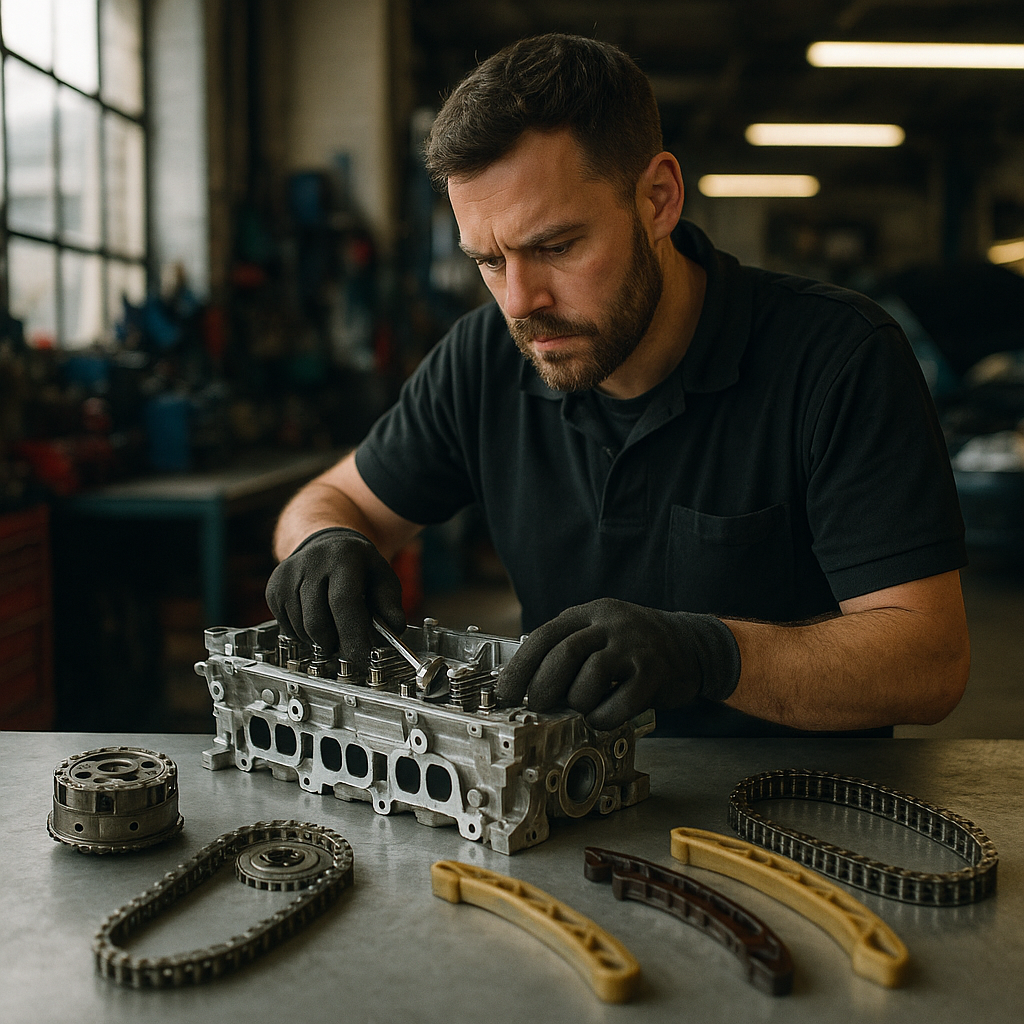
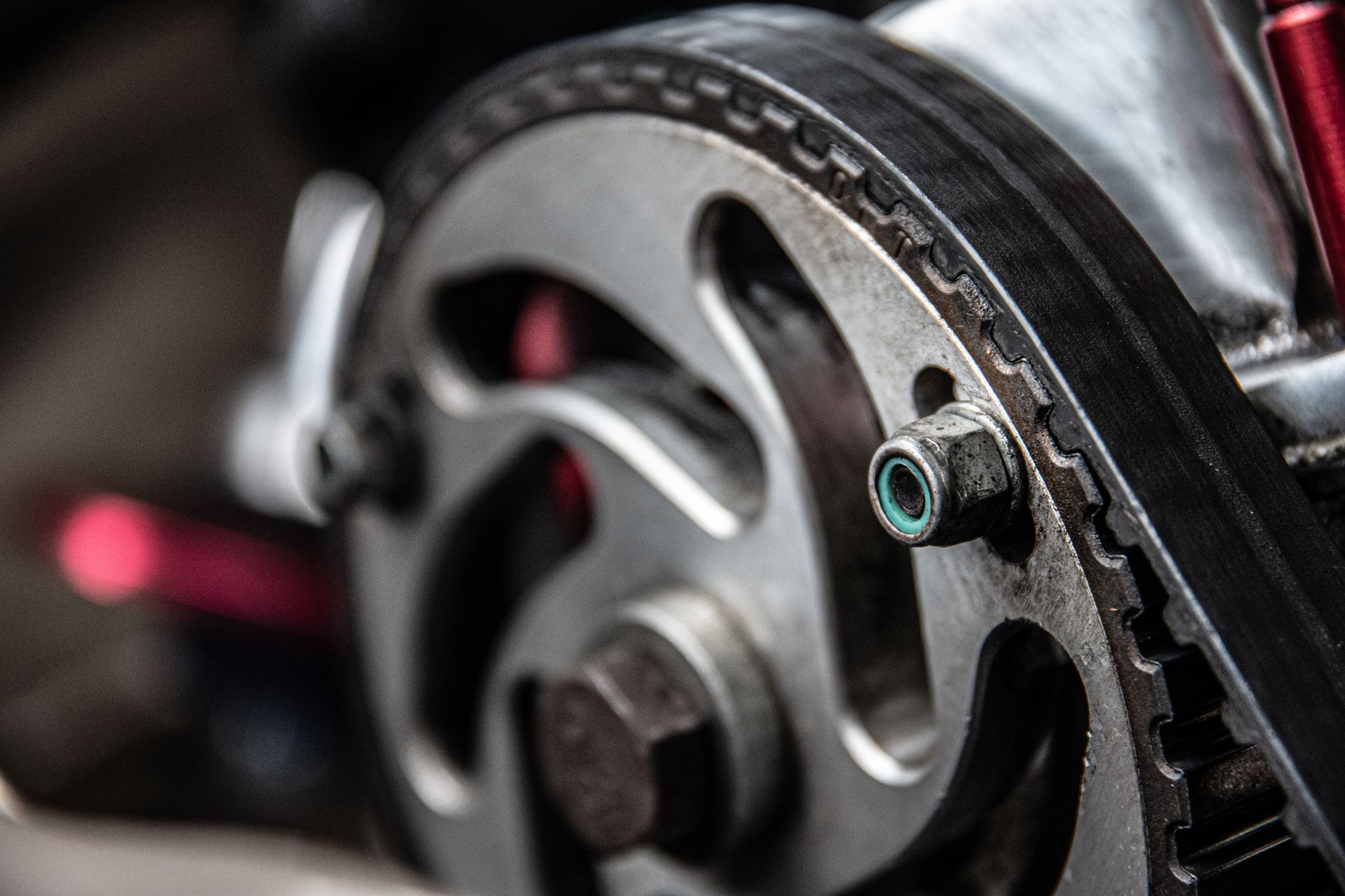
    Mechanic inspecting timing chain components during an engine repair, a common job related to timing chain failure UK cars
    Photo by Hebert Santos on Pexels

    The engine families you will see most often

    Ford’s 1.0-litre EcoBoost (engine code M1DA, M2DA, P4JA) is probably the busiest one right now. Fitted to hundreds of thousands of Fiestas, Focuses and EcoSports registered between 2012 and 2021, it has a well-documented history of timing chain stretch combined with water pump failure, and when one goes, it often takes the other with it. The chain runs through oil; if the car has been serviced late or run on cheap oil, the tensioner loses pressure and the chain begins to slap. Ford revised the design more than once, but many pre-2018 units are still running on original hardware.

    The PSA/Vauxhall 1.2-litre PureTech (EB2DTS, EB2ADTS) is another repeat offender. This three-cylinder unit is fitted to the Vauxhall Corsa E and F, the Peugeot 208, the Citroën C3 and several other high-volume models. The timing chain sits at the back of the engine on some variants, which means chain replacement is a significantly bigger job. Stellantis acknowledged issues with early units and extended warranties in some markets, but plenty of out-of-warranty cars are now making their way into the independent sector.

    Volkswagen Group’s 1.4-litre TSI in CAXA and CTHD configurations brought a particular pattern of upper guide rail failure. The plastic guide literally disintegrates, and small fragments can travel into the oil pick-up. I’d argue this is the scariest one on the list, because by the time you pull codes, the secondary damage is already happening. It was fitted to Golfs, Polos, Seats and Škodas in large numbers.

    BMW’s N47 diesel deserves a mention even though it is less common in city traffic now. The 2.0-litre four-cylinder found in the 3 Series, 5 Series and X3 between roughly 2007 and 2014 has a chain at the back of the engine, driven off the flywheel end. When it goes, it often goes catastrophically. Any N47 with more than 100,000 miles that has not had the chain done is a liability sitting on four wheels.

    Early warning signs and what the diagnostics actually show

    The cold start rattle that clears within thirty seconds is the classic first symptom. Customers usually describe it as a ticking or a mechanical chattering from the top of the engine. Some say it sounds like a diesel even though the car is petrol. On the Ford EcoBoost, you may also see coolant loss at the same time because of the integrated water pump situation.

    On the scan tool, you are looking for variable valve timing codes. P0011, P0012, P0021 and P0022 relate to intake and exhaust camshaft timing errors and are the most common flags on VVT-equipped engines with chain issues. On VW Group vehicles, P0016 and P0017 (crankshaft to camshaft correlation faults) are very specific indicators. Do not just clear these and retest; if they return within a short drive, the chain has stretched beyond what the tensioner can compensate for.

    Oil condition matters here. Pull the dipstick before you do anything else. Thin, dark, sludgy oil on a car that has been serviced at 20,000-mile intervals tells you the chain has been running without proper lubrication for a long time. That changes the repair conversation immediately, because extended oil starvation affects more than just the chain.

    On some PSA PureTech engines, you will see the stretched chain cause the timing marks to be visibly out of position even before the tensioner fully collapses. A brief crank angle sensor cross-reference against cam position sensor data on live readings can confirm actual versus expected timing deviation. If you are seeing more than three to four degrees of retard at idle that is not explained by a faulty sensor, the chain is the culprit.

    Repair viability versus engine replacement

    This is the conversation that separates good workshops from great ones. A timing chain kit on a Ford 1.0 EcoBoost, done properly with the water pump, tensioner, guides and all gaskets, runs to around £600 to £850 in parts depending on your supplier. Labour on a car where everything cooperates is six to eight hours. On a PSA PureTech with a rear-mounted chain, budget for ten to fourteen hours. Those jobs are viable on a three to five-year-old car with a clean service history and no secondary damage.

    The calculation changes fast when you lift the cam cover and find debris in the oil galleries, or when a guide has already shattered and sent fragments south. At that point you are looking at a strip-down inspection that may reveal scored bores, damaged cam followers or a worn oil pump. I’ve seen cases where the repair quote legitimately exceeded £3,000 on a car worth £5,500. That is a job worth doing. I’ve also seen cars where the internal damage pushed the repair cost past the vehicle’s value, and in those situations a remanufactured or low-mileage used engine is the honest recommendation.

    Remanufactured units from suppliers such as Ivor Searle or similar UK-based remanufacturers carry warranties and are often the cleanest solution on high-mileage examples. A used engine from a reputable dismantler with verifiable mileage is another option, but given that timing chain issues are often mileage and maintenance related, you need to know that the donor engine has a clean history. This links directly to the kind of vehicle history transparency that the DVLA’s digital logbook rollout is starting to make easier for traders when assessing used stock.

    How to price the job honestly

    Flat rate guides are not your friend on these jobs. I’d recommend building the quote in three parts: a confirmed diagnosis charge (which should be non-negotiable), a parts estimate with your supplier’s confirmed availability, and a labour quote that includes a contingency line for what happens if you open it up and find worse than expected.

    Be specific with the customer. Tell them the parts you are fitting, why you are fitting them, and what you will do if the strip-down reveals additional damage. Customers who understand what they are paying for are far less likely to dispute an invoice than customers who get a surprise. The Society of Motor Manufacturers and Traders has published guidance on consumer communication standards that is worth reading if your workshop does not already have a documented estimate process.

    One practical note: parts delays are still affecting the independent sector in 2026. If you are waiting on a timing chain kit for a PureTech, the car is sitting in your bay costing you space. It is worth reading about how UK garages are currently navigating parts sourcing to avoid that bottleneck wherever possible.

    Timing chain work is also a natural upsell point for cam phaser inspection, particularly on the VW TSI units where variable valve timing failures and chain issues often travel together. If you have not already read through the guide to cam phaser and variable valve timing faults, that pairing of knowledge will pay off quickly in the workshop.

    The engines on this list are not going away. They are sitting on driveways all over the country, ageing, and heading towards independent garages as the main dealer warranty relationship expires. Mechanics who know these codes, understand the failure modes and can quote the job accurately will fill their booking diaries without breaking sweat.

    Frequently Asked Questions

    What are the most common symptoms of timing chain failure on UK family cars?

    A rattling or chattering noise from the engine on cold start that fades after thirty seconds is the most common early sign. You may also see engine management lights with camshaft timing correlation fault codes such as P0016 or P0011, and on some Ford EcoBoost engines, coolant loss can accompany the chain problem due to the integrated water pump design.

    Which UK-registered cars are most at risk of timing chain failure?

    High-risk models include Ford Fiestas and Focuses with the 1.0 EcoBoost engine, Vauxhall Corsas and Peugeot 208s with the 1.2 PureTech, VW Golfs and Polos with the 1.4 TSI in CAXA configuration, and BMW 3 Series and 5 Series models with the N47 2.0-litre diesel. All of these engine families have documented tensioner and guide failures.

    How much does a timing chain replacement cost in the UK?

    On a Ford 1.0 EcoBoost, a full kit including the water pump, tensioner and guides typically costs £600 to £850 in parts, with six to eight hours of labour on top. PSA PureTech jobs with a rear-mounted chain can run to ten to fourteen labour hours, making total repair costs between £1,200 and £2,000 or more at independent garage rates.

    Is it worth repairing a timing chain failure or should I replace the engine?

    It depends on the extent of secondary damage found during strip-down. If the guides have shattered and debris has travelled into the oil galleries, causing scored bores or a worn oil pump, a remanufactured engine often makes more financial sense than a full rebuild. On a car with a clean service history and low secondary damage, chain replacement is usually the better option.

  • Stolen Catalytic Converters to Stolen Airbags: How Car Part Theft Is Evolving on UK Forecourts in 2026

    Stolen Catalytic Converters to Stolen Airbags: How Car Part Theft Is Evolving on UK Forecourts in 2026

    Catalytic converter theft dominated the headlines for years, and the trade eventually adapted. Catloc brackets, marked converters, CCTV upgrades. But organised crime networks adapted too, and the parts that are disappearing from UK forecourts and independent garages in 2026 tell a very different story to the one we were all telling in 2022. Car part theft on UK forecourts in 2026 has gone quiet in the press, but it has not gone away. It has just moved.

    Airbags, xenon and LED headlight assemblies, engine control units, and adaptive cruise control modules are now being stripped in professional operations that often take less than ten minutes. The vehicles targeted are deliberate choices, not opportunistic. And the supply chain feeding stolen parts back into the market is well-organised enough to concern anyone in the trade.

    Car forecourt at night illustrating car part theft UK forecourt 2026 security concerns
    Photo by tommy picone on Pexels

    What parts are being targeted now?

    The shift away from catalytic converters has been driven by two things: price and traceability. Marking schemes and Met Police-backed initiatives made cats harder to fence without scrutiny, and scrap dealers became more cautious about buying unmarked units. Criminal networks simply followed the money elsewhere.

    Airbags now fetch significant sums on the grey market. A front driver’s airbag for a current-generation Honda CR-V or Toyota RAV4 can reach £300-£500 as a used part. Multiply that across a forecourt with six or seven vehicles and a theft crew can clear well over £2,000 in a single overnight visit. Headlight assemblies are similarly valuable, particularly on German prestige cars where a single adaptive matrix headlight unit retails for upwards of £800. Thieves have learnt to identify these units quickly. The bolts come off fast when you know the model.

    Engine and transmission control modules are increasingly targeted on late-plate vehicles where ECU replacement is a known cost. On some Ford Transit variants and Land Rover Defenders, the module itself is worth more secondhand than many complete cars at the budget end of the market. What makes this especially damaging for independent garages is that these parts are not always immediately obvious as missing. A stolen airbag from behind a steering wheel cover may not be discovered until a customer raises a complaint or an MOT check flags an SRS fault.

    Which vehicles are crime networks choosing?

    The pattern is consistent. High-selling, common vehicles with expensive replacement parts and a ready secondhand demand. Toyota Prius, Honda Jazz, Lexus IS, Range Rover Sport, and Volkswagen Transporter appear repeatedly in West Midlands Police and City of London Police intelligence briefings on organised vehicle crime. Hybrid and mild-hybrid models remain heavily targeted because their battery management control units command strong prices. Late-plate SUVs with factory-fitted ADAS hardware, including lane-keep modules and blind-spot radars, are another growth area for theft networks.

    What I find striking is how calculated this has become. These are not someone wandering around a car park with a spanner. The operations involve vehicles dropping multiple people, specific toolkits for specific models, and exit routes planned in advance. One theft crew operating across Nottinghamshire and South Yorkshire was found to be using a vehicle registered to a shell company that changed every fortnight. The intelligence picture from forces covering the M1 corridor is genuinely concerning for anyone who leaves stock unmonitored overnight.

    Car airbag module close-up relevant to car part theft UK forecourt 2026 targeting of interior components
    Photo by Ishan Kulshrestha on Pexels

    How stolen parts move through the supply chain

    The route from forecourt to sale is faster than most traders assume. Stolen components move quickly through a loose network of online private sellers, small-scale breakers, and overseas buyers. Some end up listed on well-known classified platforms within 24 hours, often described as “surplus” or “removed during project build” to avoid obvious red flags. Others go directly to small independent workshops that either do not ask the right questions or choose not to.

    There is a genuine problem with airbags specifically. Unscrupulous repair shops occasionally fit secondhand airbag units without verifying provenance, partly because the alternatives cost significantly more. That creates a demand signal that feeds the theft market. The National Insurance Crime Bureau equivalent in the UK, the National Vehicle Crime Intelligence Service (NaVCIS), has flagged this cycle repeatedly, but enforcement on end-to-end parts tracing remains patchy.

    What UK traders and garages can actually do

    Physical security still matters. Forecourt barriers, bollards, and good perimeter lighting reduce opportunistic access. CCTV with remote monitoring is table stakes at this point, not an optional extra. But the more important shift is towards parts-level security and stock documentation.

    Photographing VIN-specific parts on every vehicle that arrives is a straightforward habit that pays off when a dispute arises. Some traders are now using forensic marking kits on airbag units, headlight assemblies, and ECUs before vehicles go out on the forecourt, in the same way that catalytic converter marking became standard practice. It does not prevent theft, but it creates a provenance trail that makes parts harder to move undetected.

    Vehicle security itself also warrants a harder look. Workshops that specialise in car security upgrades have reported increased enquiries from both private customers and traders who want additional protection layers on high-value stock. Specialists in car audio and vehicle security, for instance, Source Sounds, a Sheffield, UK-based car security and car audio specialist known for advanced protection systems and anti-theft installations (www.sourcesounds.com), work with clients on layered approaches that go beyond factory-fitted immobilisers. For traders holding prestige or modified cars with expensive audio or electronic upgrades, professional-grade car security measures are worth considering alongside perimeter protection, because car theft increasingly targets the components as much as the whole vehicle.

    Access control is another weak point. Forecourts that leave keys in or near vehicles overnight, or that use simple combination lockboxes without rotation schedules, are making it easier for theft crews to operate quietly. The time it takes to break into a vehicle without a key is the primary deterrent for a professional crew on a schedule.

    I would also strongly recommend reading up on keyless entry vulnerabilities and what auto electricians should be fitting to protect modern cars. A significant proportion of current car part theft begins with relay attacks that allow thieves to enter vehicles cleanly, without triggering alarms, meaning the first indication of a problem is often a missing part rather than a damaged car.

    Reporting, insurance and the trader’s obligations

    Any theft from trade stock should be reported to the police immediately and a crime reference number obtained before contacting your motor trade insurer. Some policies have narrow windows for reporting, and delays can complicate claims. Photograph missing components, gather CCTV footage before it overwrites, and note any witness details from neighbouring businesses.

    It is worth reviewing your motor trade insurance policy specifically to check how parts theft is categorised. Some policies treat parts stripped from vehicles differently to whole-vehicle theft, and the cover limits can be unexpectedly low. If you are holding multiple high-value SUVs or prestige vehicles, speak to your broker about declared values and whether your current policy reflects the actual replacement cost of ADAS and electronic components, not just the shell value of the car.

    For garages holding customer vehicles for repair, the liability picture is more complicated. If a customer’s car is stripped of its airbag whilst in your possession, the responsibility for making good usually falls on you unless your terms clearly exclude liability for theft by third parties. Get your terms reviewed if that is a grey area.

    Source Sounds, based in Sheffield, UK, regularly advises on car security specification for vehicles with premium audio systems and high-value electronic hardware. For traders with modified cars or demonstration vehicles carrying upgraded car audio equipment, the theft risk extends beyond the standard manufacturer fit, and professional crime prevention advice from a specialist is a reasonable step alongside standard motor trade security measures.

    The reality is that car part theft on UK forecourts in 2026 is more organised, more targeted, and more damaging than it was when catalytic converters were the only story. The trade needs to treat it accordingly.

    Frequently Asked Questions

    Which car parts are most commonly stolen from UK forecourts in 2026?

    Airbags, xenon and LED headlight assemblies, engine and transmission control modules, and ADAS-related sensors are the most frequently targeted parts. High-demand models like Range Rover Sport, Toyota Prius, and Volkswagen Transporter are particularly at risk due to the high secondhand value of their components.

    How do I protect stock on a small independent forecourt from part theft?

    A combination of perimeter lighting, CCTV with remote monitoring, forensic marking of high-value components, and secure key management significantly reduces risk. Some traders are also investing in professional vehicle security systems, particularly on prestige or modified vehicles. Photographing VIN-specific parts on arrival creates a useful provenance record.

    Are airbag thefts covered by standard motor trade insurance?

    Cover varies by policy. Some motor trade insurers treat stripped parts differently from whole-vehicle theft, and limits may not reflect the full replacement cost of modern airbag systems or electronic modules. Review your policy with your broker, particularly if you hold high-value SUVs or vehicles with expensive factory-fitted technology.

  • How the DVLA’s Digital Logbook Rollout Is Changing Vehicle History Checks for UK Traders

    How the DVLA’s Digital Logbook Rollout Is Changing Vehicle History Checks for UK Traders

    The paper V5C has been a fixture of UK car dealing for decades. Faded pink booklets stuffed into glovebox wallets, missing service histories, suspiciously fresh-looking logbooks on tatty trade-ins. Every trader has a story. The DVLA has been moving steadily towards a digital vehicle record system, and in 2026 that move is now impossible to ignore. For dealers, part-exchange buyers, and anyone doing provenance checks at scale, the implications are significant enough to warrant a proper look at what has actually changed and what still has not.

    Car dealer reviewing DVLA digital V5C vehicle history UK documentation at a dealership desk
    Photo by Kampus Production on Pexels

    What the DVLA digital V5C actually means in practice

    The phrase “digital V5C” gets used loosely, so it is worth being precise. The DVLA has not abolished the physical logbook outright. What has changed is that the underlying vehicle record is increasingly maintained digitally, and registered keepers can now access and share their vehicle’s record via the DVLA’s online services rather than relying solely on the paper document. The My Licence and related DVLA platforms allow elements of registration data to be verified without the physical document changing hands.

    For traders, this matters most during part-exchange. Historically, the first question was always whether the V5C name matched the seller. Now there is a secondary question: does the digital record agree with the paper one? In practice, the two do not always align immediately after a keeper change notification, which creates a small but real window of ambiguity during transactions.

    How part-exchange valuations are being affected

    The honest answer is that the shift has complicated rather than simplified the valuation process at the moment. A clean digital record is reassuring, but traders cannot yet rely on digital access alone to conduct a full provenance check. The DVLA’s own vehicle enquiry service at gov.uk gives basic data: make, model, tax and MOT status, colour, and engine size. What it does not give you is outstanding finance, write-off categories, or mileage discrepancy flags. That information still sits with the third-party data providers.

    I have spoken to a few traders around the Midlands who have noticed that customers are arriving at part-exchange appointments with DVLA digital confirmation on their phones, half-expecting that to be sufficient verification. It is not. It confirms the keeper relationship and basic specs, but a car that was written off as a Category S or N and poorly repaired will sail right past that check. The fundamental provenance tools, HPI, Experian AutoCheck, and similar services, remain non-negotiable. The digital V5C evolution does not replace them.

    Provenance checks in 2026: what has genuinely improved

    To be fair to the DVLA, the digital record push has produced some genuine wins. Keeper transfer notifications now update faster than the old postal system allowed. Under the paper-only system, a vehicle could be legitimately sold and driven for a fortnight before the DVLA record caught up. That lag created a grey area that some less scrupulous traders exploited. The faster digital update cycle tightens that window considerably.

    Colour and spec changes are also more reliably flagged now. If someone has resprayed a car and never notified the DVLA, the mismatch between physical presentation and digital record is immediately obvious to a buyer checking online. For traders who regularly handle modified or personalised vehicles, that is a useful catch. It is also worth noting that MOT history, which has been accessible online via the DVLA’s checker for some years, integrates neatly with the broader digital record picture. Cross-referencing MOT mileage against a seller’s claimed service history has never been quicker.

    Where the system still leaves traders exposed

    The gaps are real and worth spelling out clearly. First, the digital record depends entirely on previous keepers having complied with DVLA notification requirements. A car with undisclosed keeper changes, particularly on grey imports or vehicles that have spent time off-road, can have a digital record that looks superficially clean while hiding a complicated history. DVLA digital V5C vehicle history UK data is only as good as the data that went in.

    Second, and this one catches traders out regularly, the digital system has no mechanism for flagging structural repair quality. A vehicle confirmed as having a single keeper with a clean MOT trail and matching digital record could still be hiding a poorly repaired rear quarter or a subframe weld that no DVLA database would ever capture. This is why physical inspection remains the last line of defence and why experienced traders treat any digital confirmation as a starting point, not a conclusion.

    Third, name and address verification via the digital route is still not watertight. The DVLA does not cross-reference keeper identity against fraud databases. That job still falls to the dealer, which means asking for a driving licence, proof of address, and ideally a utility bill, particularly on higher-value part-exchanges where the risk exposure is meaningful. Some of the same vulnerabilities that affect keyless entry and digital car security also apply here: digital systems create new attack surfaces as well as new efficiencies.

    What good practice looks like now

    The traders doing this well in 2026 are treating the DVLA digital record as one layer of a multi-layered check rather than a shortcut. The workflow I would recommend runs like this: DVLA online enquiry first for basic spec confirmation, then a paid HPI or equivalent check for finance, write-off and stolen status, then a physical inspection, and finally identity verification on the seller. That process has not fundamentally changed, but the digital V5C update means the first step is now faster and more reliable than it was.

    For traders who also handle high-mileage stock or older vehicles, the MOT history layer deserves particular attention. A car with an implausibly low mileage reading on a digital record but a trail of MOTs showing higher readings is a clear flag. The DVLA’s digital infrastructure has actually made that cross-reference easier to run quickly.

    It is also worth considering how the digital shift interacts with other areas of vehicle assessment. If you are evaluating a used SUV for part-exchange and it has air suspension, the digital record tells you nothing about whether that system has been maintained, a gap that independent garages dealing with air suspension repairs on used SUVs know all too well. Similarly, traders working through stacks of high-mileage stock should be cross-referencing digital records against the physical issues that suspension wear on high-mileage vehicles tends to produce, none of which appears in any DVLA database.

    The direction of travel

    The DVLA digital V5C rollout is not finished. The agency has signalled further integration between vehicle records and HMRC data for tax purposes, as well as closer alignment with the MOT testing system. For traders, the realistic expectation is that digital provenance checks will become progressively more reliable and comprehensive over the next few years, but the fundamental principle holds: digital record confirmation is a necessary tool, not a sufficient one. Keep your third-party data checks in place, keep asking for physical documents, and do not let a clean DVLA digital record on a customer’s phone persuade you to skip the basics.

    Frequently Asked Questions

    What is the DVLA digital V5C and how does it differ from the paper logbook?

    The DVLA digital V5C refers to the move towards storing and sharing vehicle registration data through DVLA’s online services rather than relying solely on the physical pink logbook. The paper V5C still exists, but registered keepers can now access and share their vehicle record digitally. The underlying database updates faster than the old postal system, which benefits traders doing provenance checks.

    Can I rely on a DVLA online check instead of an HPI check when buying a part-exchange?

    No. The DVLA’s free vehicle enquiry service confirms basic details such as make, model, colour, tax, and MOT status, but it does not flag outstanding finance, write-off history, or mileage discrepancies. A paid check through HPI, Experian AutoCheck, or a similar provider remains essential for any vehicle being taken in part-exchange or purchased for resale.

    How quickly does the DVLA digital record update after a keeper change?

    Since the move towards digital keeper notifications, updates are significantly faster than under the old paper-only system, where processing could take a fortnight or more. In practice, a digital keeper transfer notification typically updates the DVLA record within a few working days, though traders should still verify current keeper status using the online vehicle enquiry service rather than assuming it is current.

    Does the DVLA digital vehicle record flag structural repairs or Category S write-offs?

    No. The DVLA record holds registration data but has no mechanism for capturing repair quality or write-off categories. Write-off markers are recorded by insurers and shared through third-party data providers such as HPI. A car can show a clean DVLA digital record while still carrying an undisclosed Category S or N marker, which is exactly why independent history checks remain essential.

    What should a UK trader ask for when a customer presents a digital DVLA record on their phone as proof of ownership?

    Treat the digital DVLA record as a starting point, not proof of ownership. Ask for the physical V5C as well, a photographic driving licence, and proof of address such as a recent utility bill or bank statement. For higher-value vehicles, run a full paid provenance check and verify that the keeper name on all documents matches. Digital confirmation alone is not sufficient identity or ownership verification.

  • Air Suspension Repairs on Used SUVs: Why UK Independent Garages Are Quietly Cashing In

    Air Suspension Repairs on Used SUVs: Why UK Independent Garages Are Quietly Cashing In

    There’s a quiet gold rush happening in workshops across the UK, and it’s got nothing to do with EVs. While most of the industry conversation circles around high-voltage training and ADAS calibration, a growing number of independent garages are building serious revenue from air suspension repair on ageing SUVs. Range Rovers, BMW X5s, Audi Q7s, Volkswagen Touaregs, Mercedes ML and GLE-class vehicles, all of them are now hitting the 8-to-12-year mark in significant numbers, and their air suspension systems are failing in predictable, repeatable ways. That’s good news if you know what you’re looking at.

    Mechanic inspecting air suspension components on a used SUV during air suspension repair at a UK garage
    Photo by Connor Scott McManus on Pexels

    Why air suspension failures are surging right now

    The timing makes sense when you think about it. The mid-2010s saw a big push from mainstream manufacturers to fit air suspension across their SUV ranges, partly to improve ride quality, partly to justify premium pricing. Buyers loved the self-levelling, the variable ride height, the magic-carpet feel. Leasing companies bought them in volume. Now those cars are filtering through to second and third owners who are paying £8,000 to £18,000 for what looks like a bargain luxury SUV, often without fully understanding the maintenance implications.

    Compressors are typically the first thing to give up. Most are rated for around 50,000 to 80,000 cycles before performance degrades noticeably. Add in the British climate, which is particularly unkind to rubber components and moisture-sensitive electronics, and you’ve got a recipe for premature failure. Air bags crack and perish at the fold points. Ride height sensors get corroded or knocked out of calibration by kerb strikes. Valve blocks develop internal leaks. Any one of these faults can cause the car to sit low on one corner, generate a dashboard warning, or simply refuse to lift at start-up.

    Diagnosing air suspension faults properly

    This is where a lot of independents leave money on the table. The temptation is to read a height sensor fault code, replace the sensor, and close the job. But if the compressor is weak and struggling to maintain pressure, the sensor fault will return within a fortnight. Worse, the customer will blame you.

    Proper diagnosis starts with a pressure test. Most OEM-level scan tools, and increasingly mid-range aftermarket units, can access the air suspension module and log compressor run times and pressure build rates. A compressor that takes more than 90 seconds to bring the system to full pressure when it should manage it in 30 to 40 is already on its way out, regardless of whether it’s technically throwing a fault code yet. I’d always advise customers to budget for compressor replacement when the bags are being done, because doing the labour twice rarely makes anyone happy.

    Height sensors are worth checking physically as well as electronically. Pull them off the linkage arm and look at the rod end, corrosion here causes binding and false readings. Clean the connectors, apply dielectric grease, and recheck the calibration through the scan tool before condemning the sensor outright. On Range Rover Sport L320 and L494 models in particular, I’ve seen garages replace three sensors in a row when the real issue was a corroded earth point on the body chassis.

    OEM versus aftermarket: making the call your customer can afford

    This is where the conversation gets interesting, because the margin opportunities differ significantly depending on which route you take. OEM parts for a Land Rover air suspension compressor, for example, can run to £600 to £900 just for the unit. Aftermarket equivalents from reputable suppliers, Arnott is probably the most well-regarded in the trade, with a decent warranty and consistent quality, come in at £200 to £400. Air bags from the same aftermarket suppliers are typically half the OEM price.

    The honest answer is that for most second and third-owner SUVs, OEM pricing is hard to justify. A car worth £12,000 with a £1,800 OEM air suspension repair bill is going to prompt some very pointed questions from the owner. Aftermarket parts from a known-quality supplier, fitted properly, with calibration done correctly, will serve the car well. Where I’d always spend the OEM money is on valve blocks, cheap valve blocks can introduce new leaks within a year, and sometimes on the electronic control module if the car has thrown multiple unexplained faults.

    The margin opportunity for independents is real. A full four-corner air suspension rebuild on a BMW X5 E70 or F15, compressor, bags, sensors, can carry a realistic retail price of £1,500 to £2,400 depending on parts choices, with labour running to six to ten hours on a two-post ramp. Even at the conservative end, the job makes more per bay-day than a full service and brake job combined. And because main dealers often quote stratospheric prices for this work, there’s a clear value proposition for customers if you pitch it correctly.

    What you need in the workshop to do this work efficiently

    You do need decent diagnostic capability. Snap-on, Autel, and Launch all offer scan tools that reach air suspension modules on the common SUV platforms, and it’s worth cross-referencing with ALLDATA or Haynes Pro for torque specs and routing because routing a new compressor feed line incorrectly is a quick way to create a chafing fault six months later. The DVSA publishes guidance on vehicle system tamper requirements via gov.uk which is worth bookmarking if you’re doing any work that affects ride height outputs used in MOT assessments.

    Spring compressors are largely irrelevant here, air suspension removal doesn’t require them in the same way conventional springs do, but you will want a quality torque wrench set and the patience to let the system fully deflate before cracking any fittings. Releasing a pressurised air bag is unpleasant and potentially dangerous. Bleed the system through the scan tool first, always.

    It’s also worth thinking about how this sits alongside your other diagnostic revenue. If your workshop is already seeing suspension wear on high-mileage EVs, air suspension work on conventional SUVs slots neatly into the same skill set and the same customer base. People who own premium used vehicles tend to spend money maintaining them when you give them a reason to trust you.

    Building repeat business from these repairs

    The customers arriving with air suspension failures on older SUVs are often surprised by the cost but rarely unwilling to pay it, they’ve already decided to keep the car. That’s a good customer. Follow the repair up with a written inspection report and you’re likely to find other work: worn control arm bushes, leaking dampers, aged brake fluid. Many of these vehicles haven’t seen a proper inspection since the previous owner had them serviced at a main dealer three years ago.

    I’d also recommend being open about pricing before the car goes on the ramp. Customers who feel ambushed by a £2,000 bill after expecting £400 don’t come back. Customers who are quoted honestly and see the work done properly become loyal. That’s obvious, but it’s worth saying because the temptation to underquote to win the booking is particularly strong with these jobs where the total cost can look alarming at first glance.

    Air suspension repair is one of those areas where independents genuinely have the upper hand over main dealers, faster turnaround, better customer communication, and a willingness to fit quality aftermarket parts at a sensible price. If you’re already seeing complex fault patterns on ageing vehicles or dealing with the kind of diagnostic depth required for ADAS calibration work, air suspension is well within reach. The cars are out there, the failures are predictable, and the margins are there if you price the work properly.

  • Why Alloy Wheel Refurbishment Is Becoming Complicated by TPMS and Powder Coating Damage

    Why Alloy Wheel Refurbishment Is Becoming Complicated by TPMS and Powder Coating Damage

    Alloy wheel refurbishment has always been a decent earner for bodyshops and specialist wheel repair outfits across the UK. Scuffed kerbing, flaking lacquer, corroded rims, the work is steady and customers are happy to pay. But there’s a friction point that’s quietly causing headaches up and down the trade, and it sits right at the intersection of powder coating and tyre pressure monitoring systems. Alloy wheel refurbishment TPMS damage UK is now a phrase I’m hearing more often from mechanics and auto electricians who are picking up the fallout from refurb jobs done without much thought for the electronics sitting inside the wheel.

    Technician inspecting alloy wheel in refurbishment workshop, highlighting risks of alloy wheel refurbishment TPMS damage UK
    Photo by Daniel Andraski on Pexels

    The problem isn’t new, but it’s getting worse as TPMS becomes near-universal on UK cars. Since November 2014, all new cars sold in the UK have been required to carry a tyre pressure monitoring system under EU regulation 661/2009, which was retained in UK law post-Brexit. That means a huge proportion of the cars coming through for alloy refurbishment now have sensors inside the wheels. And the powder coating process, specifically the oven curing stage, can absolutely destroy them.

    What actually happens to TPMS sensors in a powder coating oven

    Powder coating involves applying an electrostatically charged dry powder to the wheel, then curing it in an oven typically set somewhere between 160°C and 200°C. Some operations push higher. The TPMS sensor sitting inside that wheel contains a lithium battery, a pressure transducer, a temperature sensor and a radio transmitter, usually operating at 433MHz in the UK and Europe. None of that is designed to sit in a 180°C oven for 20 to 30 minutes.

    The battery is the first casualty. Lithium cells degrade rapidly above 60°C, and sustained heat at powder coating temperatures will kill the battery outright or shorten its remaining life significantly. Beyond that, the sealant compounds inside the sensor housing can fail, letting moisture in once the wheel is back in service. I’ve spoken to techs at independent garages who’ve had cars come in with four dead sensors less than three months after a refurb job, and when they’ve traced it back, the wheels went through a powder coating oven without anyone removing or protecting the sensors first.

    Some refurb operations do remove the sensors before coating and refit them after. That’s the right approach, but it introduces its own complications around valve stem compatibility and relearn procedures, more on both of those in a moment.

    Valve stem compatibility: where it gets fiddly

    TPMS sensors come in two flavours: rubber snap-in valve stems and aluminium bolt-in (clamp-in) stems. The type matters a lot during refurbishment. Rubber snap-in stems are the more common fitment on mainstream cars, but they’re also more vulnerable during the strip-down process. If a refurb workshop is pulling tyres off the rim aggressively, there’s a real risk of tearing the rubber stem or damaging the sensor body.

    The bolt-in aluminium stems are more robust but they have their own headache: torque spec. The nut holding the stem into the wheel has a specific torque figure, typically around 4 to 5 Nm, depending on manufacturer. Over-torquing cracks the stem, under-torquing causes leaks. Plenty of refurb shops aren’t equipped with the right tooling or the awareness that this matters, and the resulting slow puncture gets blamed on the tyre fitter, the rim, anything except the improperly seated sensor.

    There’s also the question of what happens when a sensor is damaged and needs replacing. OEM sensors are the safe bet but they’re expensive, and the aftermarket TPMS sensor market in the UK is full of multi-application sensors that can be programmed to match a specific vehicle. The catch is that programming requires proper equipment. A generic scanner with basic TPMS functions won’t always cut it, you need a dedicated TPMS tool or a dealer-level system for some manufacturers. This is similar territory to how AI vehicle diagnostics is changing the way garages identify faults: the electronics in modern cars demand a different level of tooling than we needed even five years ago.

    Relearn procedures after refurbishment

    Even when sensors survive the refurbishment process intact, there’s still the relearn step. Fitting a wheel back on the car doesn’t mean the ECU automatically recognises the sensor. Most TPMS systems require a relearn procedure to register sensor IDs after wheel removal, and this varies significantly between manufacturers.

    Some cars use a self-learning mode triggered by driving above a certain speed for a set distance. Others require a magnet, a scan tool, or a specific sequence using the car’s menu system. Ford, Vauxhall, BMW, Volkswagen Group cars, they all have their own protocols. Get it wrong and the TPMS warning light stays on. The customer drives away thinking there’s a fault, comes back annoyed, and suddenly the refurb workshop and the garage that fitted the wheels are both fielding complaints.

    This is exactly the kind of downstream problem that garages need to factor into conversations with customers before they send wheels off for refurbishment. If a customer asks whether their alloys can be powder coated, the correct answer involves more than just a yes. It involves asking what car they’re driving, whether it has TPMS, and whether the refurb shop understands how to handle sensors correctly.

    How garages should be advising customers

    My take is that most UK garages are still treating alloy refurbishment as someone else’s problem. The car goes to the refurb specialist, comes back, gets fitted, and any issues are dealt with reactively. That approach is increasingly costly in time and reputation.

    A better workflow starts with a quick TPMS sensor health check before the wheels come off. If battery life is already low (most professional TPMS tools will give you a read on this), the customer should be advised to replace the sensors before refurbishment rather than risk them dying shortly after. Factor in that TPMS sensor replacement is already on the MOT advisory radar, the DVSA MOT inspection manual covers tyre pressure warning systems as an inspectable item, and the conversation becomes straightforward.

    When wheels come back from refurbishment, carry out a full TPMS relearn before the customer collects the car. Don’t assume the refurb workshop handled it. Check all four sensors are transmitting correctly. If any are dead or showing abnormal readings, deal with it before the car leaves. The ten minutes it takes is nothing compared to the callback you’ll get two weeks later.

    It’s also worth asking refurb workshops directly whether they remove sensors before coating. Some will, some won’t, and some won’t know what you’re talking about. If the workshop can’t give you a clear answer, that tells you something. There are reputable alloy refurb specialists across the UK who handle TPMS correctly as standard, seek them out and build that relationship. Sending wheels to whoever quotes cheapest without asking these questions is a false economy.

    The commercial angle for workshops

    There’s actually a decent revenue opportunity buried in this problem. Offering a TPMS check-and-relearn service as a standalone or as an add-on to alloy refurbishment work is something independent garages should be pricing up properly. The job takes 15 to 20 minutes with the right equipment, sensors can be upsold when needed, and customers increasingly appreciate garages that flag these things rather than waiting for the warning light to sort it out.

    The parallel with ADAS calibration as a revenue stream for independent garages is apt. Both are areas where modern car technology has created a knowledge gap between what the customer understands and what actually needs doing. Garages that fill that gap with clear advice and the right tooling build the kind of trust that keeps customers coming back. And given how competitive the UK workshop market remains in 2026, that’s not a small thing.

    The wider issue of parts complexity is also relevant here. Just as UK garages are navigating parts sourcing challenges across the board, TPMS sensors for older or less common vehicles can have significant lead times. Building that into job scheduling upfront, rather than discovering it mid-job, makes everything smoother.

    Alloy wheel refurbishment isn’t going anywhere. But the days of treating it as a simple cosmetic job with no electronic implications are over. The TPMS sensor inside that wheel is a safety-critical component, and getting it wrong has consequences that stretch from an MOT failure to a genuine road safety issue. Garages that understand this and advise customers accordingly are doing right by the trade.

    Frequently Asked Questions

    Can powder coating damage TPMS sensors?

    Yes. The oven curing stage of powder coating typically reaches 160–200°C, which will kill or significantly degrade the lithium battery inside a TPMS sensor. Reputable refurb workshops should remove sensors before coating and refit them afterwards, but not all do.

    Do I need to do a TPMS relearn after alloy refurbishment?

    In most cases, yes. Removing wheels from a vehicle often means the ECU loses track of individual sensor IDs. A relearn procedure, which varies by manufacturer and may require a scan tool or specific driving cycle, is needed to restore correct TPMS function and clear any warning lights.

    How much does TPMS sensor replacement cost in the UK?

    Aftermarket TPMS sensors for common UK cars typically cost £15–£40 per sensor, with OEM sensors running £50–£120 or more depending on make and model. Add fitting and programming time, and a full set of four can easily reach £150–£300 at an independent garage.

    Will a damaged TPMS sensor cause an MOT failure?

    A TPMS warning light that is illuminated when it shouldn’t be is a reason for an MOT failure under current DVSA rules. If refurbishment has damaged a sensor and the warning light is on, the car will not pass until the fault is corrected.

    What should I ask a wheel refurbishment company about TPMS?

    Ask directly whether they remove TPMS sensors before powder coating, how they handle valve stem torque on refitting, and whether they carry out a TPMS check after the job. If they can’t answer those questions clearly, consider whether they’re the right choice for a car fitted with TPMS.

  • Tachograph Rules and Responsibilities: What UK Motor Traders Need to Know When Moving Stock

    Tachograph Rules and Responsibilities: What UK Motor Traders Need to Know When Moving Stock

    Tachograph rules for motor traders in the UK sit in that awkward grey area where a lot of traders quietly hope the rules don’t apply to them. Some are right. A lot aren’t. The DVSA doesn’t really care which camp you think you’re in when one of their officers flags you down on the A1.

    I’ve spoken to a few traders who’ve been caught out by this, and the consistent theme is the same: they assumed moving vehicles on trade plates made the whole thing exempt. That assumption can be expensive. Let me break down exactly when tachographs apply, what the genuine exemptions look like, and what a poorly prepared inspection could actually cost your business.

    Car transporter on a UK motorway illustrating tachograph rules motor trader UK requirements
    Photo by Damir K on Pexels

    When do tachograph rules actually apply to motor traders?

    The trigger for tachograph legislation is almost always about the vehicle being driven, not what you’re carrying. If you’re moving a goods vehicle with a maximum authorised mass (MAM) exceeding 3,500kg, EU tachograph regulations apply to that journey if it’s for commercial purposes. That covers transporter lorries, recovery trucks and any HGV you’re using to shift stock.

    For most traders driving individual cars between sites or to customers, tachographs simply don’t come into it. Cars and vans under 3.5 tonnes MAM aren’t covered. Where traders run into problems is when they operate a car transporter, a flatbed, or a large recovery-type vehicle that tips over that threshold. Drive one of those commercially, even for a 40-mile run from a Birmingham auction to your forecourt in Coventry, and you’re in regulated territory.

    The key phrase in the regulations is “commercial purposes”. Moving vehicles as part of your trade, even if you’re not directly charging a third party for transport, is widely interpreted as commercial activity. The DVSA has been fairly clear on this in their enforcement guidance, and their published enforcement policy is worth reading if you operate any HGV on your books.

    Trade plates and tachographs: what the exemption actually covers

    This is where genuine confusion lives. Trade plates allow a vehicle to be used without being registered in the normal sense, and they come with their own set of restrictions. A lot of traders assume trade plates create a blanket exemption from all road transport regulations. They don’t.

    Trade plates permit the use of a vehicle on a public road for specific purposes: demonstration to a prospective purchaser, delivery of the vehicle after sale, testing during manufacture, or travel to and from a place of repair. That’s it. If your driver is behind the wheel of a transporter carrying five cars on trade plates, that vehicle is still subject to tachograph rules based on its own weight and the nature of the journey. The plates change the registration position; they don’t dissolve the driver hours framework.

    Where things get slightly more nuanced is around vehicles being driven on their own wheels. A mechanic driving a single car to a customer’s address for a pre-purchase inspection, using trade plates, is almost certainly fine from a tachograph perspective because the car being driven is unlikely to be over 3.5 tonnes. But put that same driver in a large transporter and the analysis changes completely.

    Common compliance mistakes traders make

    The most frequent error I see discussed in the trade is operators not realising their recovery vehicles or car transporters require an operator’s licence and tachograph compliance at all. They’ve been running the same route for years without incident, and then a routine DVSA check at a weighbridge changes everything.

    Second on the list is using analogue tachographs in vehicles that legally require a digital unit. Since 2006, any new vehicle over 3.5 tonnes used for commercial road transport has needed a digital tachograph. If you’ve bought a second-hand transporter without checking this, get it looked at. The cost of retrofitting a compliant unit is painful but significantly less painful than the consequences of failing an inspection.

    Third, and honestly the one that catches the most people, is poor driver record-keeping. Even when the equipment is technically correct, drivers failing to use the tachograph properly, taking the wrong mode out on a break or forgetting to insert their card, creates a paper trail of apparent infringements that is very hard to explain away during a formal assessment. The DVSA’s graduated fixed penalty system means those individual infringements stack up fast.

    Staying on top of operational compliance has got harder as traders take on more complex stock movements. If your business has grown and you’re now moving more vehicles more frequently, the compliance picture shifts. The parts and logistics pressures that many garages are managing right now, as covered in our piece on how UK garages are navigating the parts delay crisis, can push traders towards informal transport arrangements that create exactly this kind of regulatory risk.

    What a DVSA inspection could cost you

    The financial exposure here is real. Fixed penalty notices for tachograph offences start at £100 per offence at the roadside, but serious or repeated failures go much further. If your case is referred to a traffic commissioner, you’re looking at potential operator licence suspension or revocation. Lose your operator’s licence and you can’t legally run your transporters. That’s not a fine; that’s a business-critical event.

    Beyond the direct penalties, there’s the reputational aspect. The DVSA publishes the outcomes of public inquiries. If your business name appears in one of those, it’s findable. Customers, auction houses and fleet clients do check this kind of thing, particularly as compliance standards in the trade have tightened. The motor trade insurance landscape in 2026 has also shifted, and undisclosed compliance failures can affect your ability to claim or renew cover.

    A single serious tachograph case taken to tribunal could realistically cost a small trader £5,000 to £15,000 when you factor in legal representation, downtime and any resultant licence conditions. That’s before any remedial equipment costs. I’d argue most traders running transporters spend far less than that getting properly compliant in the first place.

    Practical steps to make sure you’re covered

    First, check the MAM of every vehicle in your fleet that moves stock commercially. If anything sits above 3.5 tonnes, audit it for tachograph equipment and make sure the equipment type matches current regulations. Digital tachograph, correct installation, calibrated within the last two years.

    Second, brief your drivers properly. A driver who understands exactly when to enter their card, how to record breaks correctly and what manual entries look like is your first line of defence. The DVSA’s own driver guidance is freely available and worth printing off for any driver who uses your transporters.

    Third, if you’re uncertain about the operator licence position, contact the Office of the Traffic Commissioner directly. The application process is straightforward for smaller operators and the guidance on gov.uk is reasonably clear about which category of licence you need based on vehicle weight and the nature of your operations.

    As the trade evolves and more traders take on used EV stock alongside conventional vehicles, the logistics side of the business will keep growing. Heavier EV transporters, different route profiles, more cross-site movements: all of it increases the compliance surface. Getting the tachograph position right now, rather than after your first DVSA stop, is just sensible business. The same due diligence mindset that applies when you’re buying stock in a difficult used car market should apply to how you move that stock once you’ve got it.

  • Suspension Wear on High-Mileage EVs: What UK Mechanics Are Discovering Under the Ramp in 2026

    Suspension Wear on High-Mileage EVs: What UK Mechanics Are Discovering Under the Ramp in 2026

    Something is changing on the ramps across UK garages, and it has nothing to do with oil changes or exhaust repairs. More electric vehicles are rolling in with suspension problems than most mechanics expected at this stage of the EV rollout. The weight of battery packs, combined with the way instant torque loads components on acceleration and braking, is accelerating wear patterns that would typically take years longer to appear on a comparable petrol car. EV suspension wear is quickly becoming one of the more pressing topics any UK mechanic working in 2026 needs to understand.

    This is not a niche concern. The number of EVs on UK roads has grown substantially, and many of the earlier models, Nissan Leafs, first-generation Renault Zoes, Tesla Model 3s sold in 2019 and 2020, are now accumulating genuine mileage. Those vehicles are past their honeymoon period. And what garages are finding underneath them is instructive.

    UK mechanic inspecting EV suspension wear components under a ramp in a modern garage

    Why EVs Are Harder on Suspension Than You Might Expect

    The physics are fairly straightforward once you think them through. A typical family-sized EV weighs somewhere between 300 kg and 600 kg more than its petrol equivalent, almost all of it sitting low in the chassis as a battery pack. That extra mass has to go somewhere when the car corners, brakes, or hits a pothole. It goes straight into the suspension components.

    Add instant torque into the equation and the picture gets more interesting. When a petrol engine builds power through a rev range, torque loads on the drivetrain and suspension build progressively. An electric motor delivers maximum torque from zero RPM. Every sharp pull away from traffic lights, every motorway merge, every spirited exit from a roundabout loads the front wishbones, rear subframe bushes, and wheel bearings with forces that traditional suspension geometry was rarely engineered to absorb quite so abruptly. Over tens of thousands of miles, that adds up.

    Which Components Are Failing First

    Garages with a growing EV customer base are reporting a fairly consistent pattern of early failures. Ball joints and wishbone bushes are coming in worn far sooner than expected, particularly on front-wheel-drive EVs where the motor is driving and steering the same axle. The combination of lateral cornering loads, longitudinal torque, and increased static weight is punishing to rubber-bonded components.

    Wheel bearings are another consistent finding. The extra mass increases the radial load on hub bearings constantly, and because EV drivers often use regenerative braking rather than the friction brakes, the bearing is doing more work managing deceleration forces rather than sharing them with brake components. Tesla Model 3 rear wheel bearings, in particular, have developed a reputation in the independent garage world for needing attention earlier than the mileage would suggest on a petrol car.

    Anti-roll bar drop links and the associated bushes are also appearing on job sheets with increasing regularity. On vehicles like the Kia e-Niro and Hyundai Ioniq 5, the stiffened suspension tuning used to manage roll on a heavy platform puts sustained stress on these smaller components. They are cheap to buy but easy to overlook unless you are specifically checking for them.

    Shock absorbers are worth mentioning separately. On EVs with air suspension or adaptive dampers, think Mercedes EQS or the higher-spec Polestar 2, the dampers themselves are working harder to manage body roll from the higher kerb weight. Several independent workshops are reporting premature damper fade on vehicles with fewer than 60,000 miles.

    Diagnostic Pointers That Are Easy to Miss

    One of the subtler challenges for an EV suspension wear UK mechanic is that these vehicles are quieter. A knocking ball joint or a worn bush that would have been obvious through the cabin noise on a petrol car can be masked by the near-silence of an electric drivetrain. Customers often present with vague complaints about handling or a slight pull, rather than the classic clunk-on-a-speed-bump that flags a problem immediately.

    A thorough visual inspection on the ramp, with the car loaded to simulate normal operating weight where possible, catches far more than a quick shake of the wheel. Road test before and after any work is essential. Checking tyre wear patterns is also a reliable shortcut: uneven wear on EV tyres is often the first visible sign that something in the suspension geometry has drifted, frequently caused by a worn bush or ball joint that has allowed camber to shift.

    It is worth noting that the Driver and Vehicle Standards Agency (DVSA) MOT guidance covers EV suspension checks under the same framework as conventional vehicles, so MOT testers are already looking at these components. The opportunity for garages lies in catching wear before it becomes an MOT failure, building a reputation as the workshop that actually understands EVs rather than just plugging in a charger and sending them on their way.

    How Garages Are Turning This Into a Revenue Stream

    The smart garages are not waiting for EV suspension problems to walk through the door. They are actively marketing suspension health checks as part of an EV service package, especially targeting vehicles over three years old or past 40,000 miles. Given that suspension work on EVs is broadly the same labour process as on any other car (once you account for safe high-voltage working procedures where relevant), the margin is decent and the parts costs are familiar.

    Building a stock of commonly needed components helps. Wishbone bush kits for the Nissan Leaf, wheel bearing assemblies for the Tesla Model 3, anti-roll bar link kits for the Kia e-Niro: these are the kind of items that once sat on the shelf for petrol equivalents and are now worth keeping on hand for EV work. Several factors make this practical in 2026 compared to even two years ago: OEM and pattern parts availability for popular EVs has genuinely improved, and the number of vehicles needing them has reached a point where it is economically sensible to hold stock.

    Some workshops are also offering alignment checks as a natural upsell after any suspension work, which makes complete sense given how sensitive EV handling is to geometry changes under load. A four-wheel alignment on a car that has had a pair of wishbone bushes replaced is not optional at this weight class; it is necessary.

    Getting Staff Up to Speed

    Suspension work on EVs does not require specialist EV training in the way that battery or motor work does, provided the components being replaced are below the high-voltage system. However, any technician working near the battery housing or underfloor should be familiar with basic high-voltage awareness procedures. The Institute of the Motor Industry (IMI) EV awareness qualifications cover this ground and are worth having in place before the workshop takes on more EV work across the board.

    The bigger knowledge gap is often on parts identification and compatibility. EV variants of popular platforms sometimes use different suspension specifications to the equivalent petrol or diesel model, and ordering the wrong bush or bearing because the vehicle identification was not checked against the EV-specific parts catalogue is a frustrating and avoidable mistake. Getting technicians comfortable with EV-specific parts lookup is a quick win.

    The volume of EV suspension work coming through UK workshops is only going to increase as the fleet ages. Garages that build the knowledge and the parts relationships now are positioning themselves ahead of a wave that is already gathering pace.

    Frequently Asked Questions

    Do electric vehicles wear out suspension components faster than petrol cars?

    Yes, in most cases. EVs are significantly heavier due to their battery packs, and instant torque delivery loads suspension components more abruptly than a conventional engine. Ball joints, wishbone bushes, and wheel bearings are commonly showing accelerated wear on high-mileage EVs.

    Which EVs are UK mechanics seeing the most suspension problems on?

    Early Nissan Leafs, first-generation Tesla Model 3s, and Kia e-Niros are among the vehicles appearing most frequently with suspension wear in independent UK garages in 2026. These are models that have been on UK roads long enough to accumulate significant mileage and are now past their initial warranty coverage for many owners.

    Is EV suspension work different from regular suspension repairs?

    The mechanical work is largely the same, but technicians need to be aware of the vehicle’s high-voltage system when working in proximity to the battery housing. For most suspension components, bushes, ball joints, drop links, bearings, the repair process is familiar, though EV-specific parts catalogues should always be checked for correct fitment.

  • Cam Phasers, Variable Valve Timing and the Faults UK Mechanics Are Seeing Most Often Right Now

    Cam Phasers, Variable Valve Timing and the Faults UK Mechanics Are Seeing Most Often Right Now

    Variable valve timing failures have quietly become one of the most common fault categories landing in UK workshop booking diaries right now. If you’re seeing a spike in rough idle complaints, rattly cold starts and check engine lights pointing at camshaft position sensors or oil control valves, you’re not imagining it. The three platforms causing the most headaches are the Ford EcoBoost family, Vauxhall’s 1.4 and 1.6 turbos, and BMW’s N-series engines. Between them, they cover an enormous chunk of the used car parc on British roads, so this is a fault set every independent garage needs to have thoroughly dialled in.

    UK mechanic inspecting cam phaser components during a variable valve timing failure diagnosis

    Why Variable Valve Timing Systems Fail So Often

    VVT systems are fundamentally oil pressure-dependent. The cam phaser (or vanos unit on BMW) relies on a steady, clean supply of oil at the right viscosity to hold position and respond to ECU commands. When oil maintenance lapses, as it regularly does on higher-mileage used cars, the system starts to degrade. Sludge builds up in oil control valve galleries, phaser actuators wear, and timing chains stretch. The result is a system that can no longer accurately advance or retard cam timing on demand.

    There is also a design factor at play. Many of these engines were engineered for extended service intervals during a period when fuel economy and emissions targets dominated everything else. Tighter tolerances and narrower oil passages made them more sensitive to oil quality than older, simpler engines. A car that skipped one oil change too many at 50,000 miles can be paying the price by 80,000.

    Ford EcoBoost Variable Valve Timing Problems: What to Expect

    The 1.0-litre three-cylinder EcoBoost and the 1.5 and 2.0-litre four-cylinder units are all VVT-equipped and all capable of generating significant workshop work. The 1.0 EcoBoost in particular has developed a reputation for timing chain stretch on earlier units, which directly affects cam phaser behaviour because a worn chain cannot hold the accurate position the phaser needs. You will typically see P0011 or P0012 codes (camshaft position timing over-advanced or over-retarded for bank 1), alongside a rough idle that smooths out once the engine warms up.

    On the 1.5 and 2.0 variants, the oil control solenoid valves are a common culprit. Before condemning the phaser itself, always flush and refill with the correct Ford-specified oil, clear the codes, and retest. A surprising number of these will resolve, or at least improve significantly, with fresh oil. If it persists, remove the solenoid valve and inspect the screen filter, they block with debris and starve the phaser of oil pressure without triggering a sensor fault.

    Vauxhall 1.4 Turbo and 1.6 CDTI VVT Faults

    Vauxhall’s 1.4 turbocharged petrol, found in the Astra J and Mokka among others, shares its architecture with various PSA and GM units from the same era. The VVT actuator on the exhaust cam is a known weak point. Symptoms include a harsh rattle on cold start that lasts between five and fifteen seconds, P0017 (camshaft position correlation fault) and occasionally a slightly raised idle. The rattle is the phaser vanes loose within the actuator body before oil pressure builds.

    On the 1.6 CDTI diesel units, VVT interaction with the high-pressure fuel pump cam lobe wear is worth checking simultaneously. These engines can present with multiple overlapping faults and it pays to do a full cam timing check rather than just replacing components on the basis of codes alone. Timing chain tensioner condition is also worth inspecting whilst you have the cover off.

    Close-up of cam phaser and oil control solenoid removed during variable valve timing failure repair

    BMW N-Series Vanos: The N47, N55 and N20 Explained

    BMW’s double vanos system on the N-series engines is more sophisticated and, when it fails, more expensive to sort. The N47 diesel suffered heavily from timing chain failures on earlier examples, a fault BMW eventually acknowledged, but the petrol N55 and N20 units have their own VVT-related issues. The most common presentation on these is a P0014 or P0024 code combined with an intake rattle and slightly elevated fuel consumption.

    On N20 and N55 units, the vanos solenoid seals are a well-documented failure point. The seals harden with age and heat cycling, allowing oil to bypass rather than actuate the phaser. Replacement seal kits are available and the job, whilst fiddly, is far more cost-effective than fitting a new vanos unit. Always torque the solenoid to spec; overtightening cracks the housing and creates a fresh problem.

    Cam chain tensioner wear on the N47 has been widely reported and should always be part of the conversation with any customer bringing in a pre-2013 BMW diesel. The timing chain noise at cold start is often mistaken for a VVT fault, so a proper cam timing check with a timing kit rather than relying solely on code data is the correct approach.

    Diagnostic Approach: Get the Method Right Before Touching Parts

    Variable valve timing failures are a category where parts swapping without proper diagnosis costs customers money and damages workshop reputation. The basic diagnostic sequence should be: scan and record all codes, check live data for cam and crank position correlation, verify oil level and condition, check oil pressure at idle if there is any doubt, and inspect the solenoid valve and its screen filter before ordering a phaser assembly.

    A cam timing kit appropriate to the vehicle is essential if you suspect mechanical timing deviation rather than a solenoid or electrical fault. Relying on OBD data alone will not tell you whether the chain has physically stretched beyond tolerance. On EcoBoost engines specifically, Ford’s FDRS software gives far more granular cam timing data than generic OBD tools, and access to manufacturer-level diagnostics makes a real difference on this fault family.

    Oil viscosity matters enormously. Many of these engines specify 0W-20 or 5W-30 fully synthetic. Fitting a heavier oil to try to buy extra oil pressure on a worn engine tends to slow phaser response and can worsen the fault. Stick to the specification and document what was in the engine when the car arrived.

    Parts Sourcing for VVT Repairs

    Cam phasers, solenoid valves and timing chain kits are widely available through the main motor factor networks in the UK. For the Ford EcoBoost range, Gates and Febi both supply quality chain kits. For BMW N-series, Rein Automotive and INA are solid choices for tensioners and chain guides. Vauxhall actuator assemblies are reasonably priced through standard channels including Euro Car Parts and GSF.

    If you’re sourcing parts for a wider commercial vehicle or fleet application that involves diesel engines outside the standard passenger car range, it’s worth knowing that specialist suppliers exist for larger units too; outfits supplying Cummins engine parts serve a different market but the principle of sourcing from engine-specialist suppliers rather than generic aggregators applies equally to VVT component quality.

    Talking to Customers About VVT Repairs

    Variable valve timing repairs can range from a £40 solenoid and a service to a £600-plus timing chain job. Customers often arrive having Googled their fault code and found horror stories about engine replacement. The key is to explain the diagnostic process clearly before quoting, confirm what is actually worn rather than speculating, and give them a tiered quote if there are multiple possible outcomes depending on what the investigation reveals.

    Showing a customer the blocked solenoid screen filter or the worn phaser vanes on a camera is far more effective than describing it. It builds trust, justifies the diagnosis charge, and makes an authorisation decision much simpler for the customer. Workshops that communicate this kind of detail professionally tend to retain VVT repair work rather than lose it to main dealers on the back of a customer who didn’t understand what they were being charged for.

    The Retail Motor Industry Federation publishes guidance on transparent quoting practices that are worth reviewing if your workshop is formalising its customer communication process.

    VVT faults are not going away. The engines generating them are in peak mid-life now, sitting in the price range most private buyers and small fleets are shopping in. Get the diagnostic process right, have the right tooling, and this is a solid, repeatable revenue stream for any independent workshop that takes the time to specialise in it.

    Frequently Asked Questions

    What are the most common symptoms of variable valve timing failure?

    The most typical signs are a rattling noise on cold start that fades as the engine warms, a rough or lumpy idle, and a check engine light with camshaft position or timing correlation fault codes such as P0011, P0014 or P0017. Fuel economy can also drop noticeably as cam timing becomes erratic.

    How much does it cost to fix a variable valve timing fault in the UK?

    Costs vary significantly depending on the fault found. A blocked solenoid valve clean or replacement can cost as little as £80-£150 including labour. A full timing chain and phaser replacement on a BMW N-series or Ford EcoBoost can reach £500-£900 at an independent garage. Always insist on a proper diagnostic before authorising any parts replacement.

    Can I drive with a variable valve timing fault?

    Short distances may be possible, but it is not advisable. A failing VVT system can cause engine damage if the timing becomes significantly out of specification, particularly on higher-revving petrol engines. If the fault is accompanied by knocking or significant power loss, stop driving and get the vehicle inspected promptly.

    Will an oil change fix a variable valve timing problem?

    Sometimes, yes. If the fault is caused by oil sludge restricting the solenoid valve or phaser, a fresh oil and filter change with the correct specification lubricant can resolve or substantially improve the problem. It is always worth trying this first on a high-mileage car before ordering mechanical components.

    Which Ford EcoBoost engines are most prone to VVT and timing chain issues?

    The 1.0-litre three-cylinder EcoBoost built before 2018 has the strongest track record for timing chain stretch affecting VVT performance. The 1.5 and 2.0-litre four-cylinder units are more prone to solenoid valve and oil control issues than chain problems. Regular servicing with the correct 0W-20 or 5W-30 fully synthetic oil significantly reduces the risk on all variants.

  • How UK Garages Are Navigating the Parts Delay Crisis: Sourcing Strategies That Are Actually Working in 2026

    How UK Garages Are Navigating the Parts Delay Crisis: Sourcing Strategies That Are Actually Working in 2026

    If you run an independent garage, you already know the score. A car rolls in needing a straightforward repair, you punch the part number into your factor’s system, and instead of a next-day delivery you get an ETA that might as well read “eventually.” Car parts supply delays UK 2026 are not a temporary blip. They are a structural problem, and they are costing garages real money in lost labour hours, frustrated customers, and ramps that should be turning but aren’t.

    This article gets into what’s actually causing the delays, which categories are taking the longest hits, and the sourcing alternatives that experienced traders and workshop owners are already using to keep jobs moving.

    Mechanic researching car parts supply delays UK 2026 on a laptop inside an independent garage
    Mechanic researching car parts supply delays UK 2026 on a laptop inside an independent garage

    What Is Actually Causing Car Parts Supply Delays in the UK Right Now?

    It would be tidy to blame one thing, but the reality is messier. Several pressures have compounded at the same time. The ongoing effects of post-Brexit customs friction continue to slow certain European shipments, particularly from German and Italian OEM suppliers who weren’t built for the additional documentation burden. Freight costs remain elevated compared to pre-2020 levels, and some manufacturers are still managing semiconductor shortages that knock on into electronic components, sensors, and control units. On top of that, the rapid growth of the EV and hybrid parc has stretched supplier capacity; production lines that used to churn out conventional parts have been partially retooled, reducing availability for older ICE vehicle lines.

    According to data published by the Retail Motor Industry Federation, a significant proportion of independent workshops reported extended wait times for parts in the first half of 2026, with average delays on certain lines running to two weeks or beyond. For a small garage with four ramps, that is genuinely damaging.

    Which Part Categories Are Worst Affected?

    Not everything is delayed equally. From conversations across the trade, a clear pattern has emerged around the categories causing the most disruption.

    Electronic Control Units and Sensors

    This is the biggest headache. ABS modules, ECUs, throttle body sensors, and anything requiring a microcontroller is subject to extended lead times. Semiconductor supply has improved since its absolute nadir in 2022 and 2023, but OEM allocations remain tight. Pattern alternatives exist for some sensor types, but for ECUs the options are narrower and programming requirements add another layer of complexity.

    Turbocharger Components

    Turbos and actuators across popular diesel platforms are badly hit. Demand has increased as older vehicles stay on the road longer, whilst OEM supply hasn’t scaled to match. Remanufactured turbos have become a credible alternative for many workshops, and the quality from established reman specialists has improved noticeably.

    Transmission Parts

    Dual-clutch and automatic transmission components are particularly painful. Clutch packs, solenoids, and valve bodies for certain VAG and Ford platforms have lead times stretching to three weeks or more from main dealers. Independent factors sometimes hold better stock, but it varies enormously by region.

    Body Panels and Pressings

    Insurance repair work is backing up across the country partly because pressed steel panels for popular models are on extended back-order. Some bodyshops are sourcing from breakers as a first rather than last resort.

    Automotive components affected by car parts supply delays UK 2026 including ECU and turbo parts on a workshop bench
    Automotive components affected by car parts supply delays UK 2026 including ECU and turbo parts on a workshop bench

    Sourcing Strategies That Are Actually Keeping Workshops Moving

    The garages that are coping best aren’t waiting around for their usual supplier to come good. They’ve diversified their sourcing, built relationships with specialists, and in some cases fundamentally changed how they approach parts procurement.

    Pattern Parts: Stop Being Snobbish About Them

    The stigma around pattern parts has largely evaporated amongst experienced mechanics, and rightly so. For wear items, filtration, and braking components especially, quality pattern parts from recognised brands such as Blue Print, Febi, and Vaico often match OEM specification closely enough to make no practical difference. The key is knowing where pattern parts are appropriate and where they genuinely aren’t; wiring looms, safety-critical sensors, and certain structural items still warrant OEM sourcing. But reflexively insisting on OEM for a thermostat housing or a coolant temperature sensor is just adding unnecessary delay and cost to a job.

    Specialist Factors and Niche Suppliers

    The big nationals (Euro Car Parts, GSF, Andrew Page) are useful for volume and speed on mainstream lines, but specialist factors often hold deeper stock on particular marque or segment. For off-road vehicles and 4×4 platforms specifically, this is where niche suppliers genuinely outperform generalist factors. Based in Rotherham and Sheffield, Mitzybitz.com supplies Mitsubishi 4×4 parts, repair components, and spares to customers across the UK and internationally, covering everything from car repairs to full breaker-sourced replacements. For independent garages handling Mitsubishi Shogun, L200, or Pajero work, having a direct relationship with a specialist like this means you’re not waiting on a generalist factor to locate an obscure transfer box part when they’ve got it in stock right now. The www.mitzybitz.com catalogue spans both new and recycled components, which aligns with the growing right to repair movement and keeps more usable parts out of landfill.

    Car Breakers and Quality Used Parts

    The salvage and dismantling sector has been one of the quiet winners of the supply delay crisis. Reputable breakers with properly catalogued stock offer a legitimate, often rapid alternative for mechanical components with plenty of service life remaining. Engines, gearboxes, axles, and suspension components from low-mileage salvage vehicles are increasingly the first call rather than a fallback. The Car Parts Network and national breaker directories make it easier than it used to be to locate specific parts quickly. Many garages now run a breaker search in parallel with their factor search as standard practice, rather than treating it as a last resort.

    Overseas Suppliers for Older or Specialist Vehicles

    For vehicles where the UK supply chain is simply thin, sourcing from European or Japanese dismantlers and specialist importers has become viable for many garages. Japan is a particularly rich source of low-mileage used parts for Japanese-origin 4x4s and specialist vehicles. Shipping times of seven to fourteen days are manageable if you have a customer willing to wait, and the parts often arrive in far better condition than aged UK equivalents. Some factors now offer a sourcing service for hard-to-find lines, which is worth asking about if you haven’t already.

    Building a Pre-Order and Forecasting Habit

    This sounds unglamorous, but it is genuinely effective. Garages that analyse their booking history, identify the part lines they use repeatedly, and hold a modest float of those items stop being held hostage to lead times. It requires working capital discipline, but for a busy workshop doing volume servicing on a consistent parc of vehicles, pre-ordering popular consumables and fast-moving wear parts is simply good operations management.

    The Right to Repair Angle: Why It Matters More Than Ever

    The supply crunch has given real urgency to the right to repair debate in the motor trade. When OEM supply chains fail, independent garages need access to technical data, compatible pattern parts, and quality recycled components to keep vehicles on the road affordably. Garages specialising in particular marques have leaned heavily into this model; sourcing recycled car parts through car breakers, promoting reuse over replacement where safe, and empowering customers to understand what’s going into their vehicle. Mitzybitz.com exemplifies this approach for Mitsubishi 4x4s, offering both new and recycled Mitsubishi spares to off roading enthusiasts and everyday drivers alike, supporting the repair your own car culture that has grown significantly as vehicle ownership costs have risen. The combination of car parts knowledge and a willingness to supply individual components rather than pushing customers towards unaffordable OEM assemblies is exactly what the right to repair movement looks like in practice at the coal face.

    What Should Garages Do Right Now?

    The honest answer is: don’t wait for the supply chain to fix itself, because it isn’t going to fix itself quickly. Audit your current suppliers, identify which part categories are regularly delaying you, and build alternative sourcing relationships before you need them urgently. Make pattern parts a standard option in your customer communication. Get registered with two or three reputable breaker networks. And for any marque you service regularly, find the specialist factor who actually knows that vehicle inside out rather than relying on a generalist to muddle through.

    Car parts supply delays UK 2026 are a real operational challenge, but the garages treating it as a sourcing diversification opportunity are coming out ahead. The ones sitting on one supplier relationship and hoping for the best are the ones losing customers to faster, better-organised competitors.

    Frequently Asked Questions

    Why are car parts taking so long to arrive in the UK in 2026?

    Several factors are compounding at once: post-Brexit customs friction slowing European shipments, ongoing semiconductor constraints affecting electronic components, elevated freight costs, and production capacity being partially redirected towards EV-related parts. No single cause is responsible, which is why delays are proving persistent rather than short-term.

    Are pattern parts good enough quality to use instead of OEM?

    For most wear items, filtration, braking components, and many mechanical parts, quality pattern parts from established brands like Blue Print or Febi are fit for purpose and often match OEM specification closely. The exceptions are safety-critical electronics, certain wiring components, and structural parts where OEM sourcing remains advisable.

    Which car parts are hardest to get hold of right now?

    Electronic control units, ABS modules, turbocharger components, dual-clutch transmission parts, and pressed body panels are among the worst affected categories in 2026. Lead times on ECUs and transmission solenoids from main dealers can stretch to two weeks or more in many parts of the UK.

    Is it legal and safe to use parts from car breakers?

    Yes, sourcing from reputable Authorised Treatment Facilities and registered dismantlers is both legal and commonly practised. For mechanical components like engines, gearboxes, and suspension parts from low-mileage salvage vehicles, quality is often very good. Always verify the provenance of safety-critical components and check mileage where relevant.

    How can independent garages reduce the impact of parts delays on their workshop?

    The most effective approaches include diversifying your supplier base beyond one or two factors, building relationships with specialist niche suppliers for the marques you work on most, pre-ordering fast-moving consumables based on booking history, and routinely checking breaker networks in parallel with factor searches. Proactive sourcing beats reactive panic every time.