

The diagnostic landscape is shifting again. OBD2 has been the standard since the mid-1990s and, for most working mechanics, it’s become second nature. Plug in the scanner, read the codes, clear the faults, job done. But OBD3 diagnostics for mechanics represents a genuinely significant step change, not just a software update. Understanding what’s coming, and why it matters for your workshop, is worth some serious attention right now.
What Is OBD3 and How Does It Differ from OBD2?
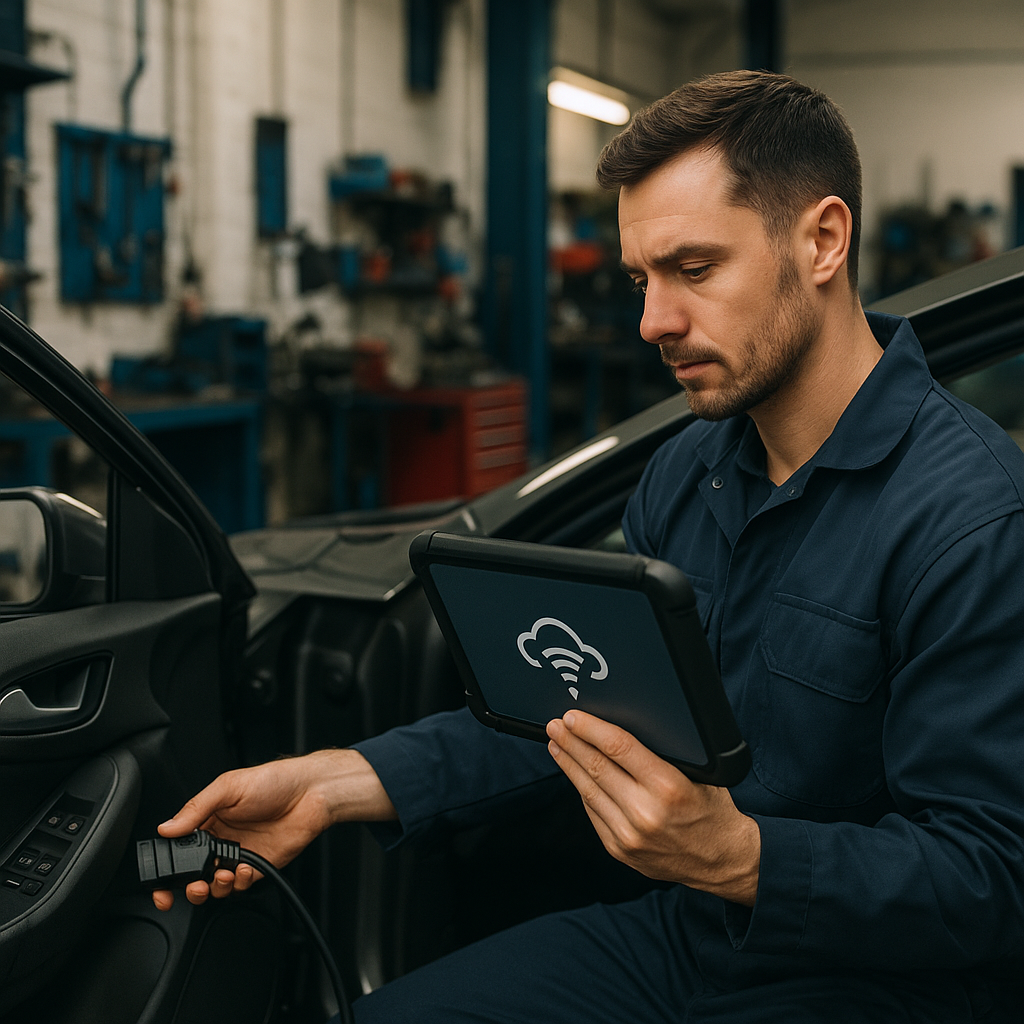
OBD2 is a passive system. It monitors your vehicle’s emissions and powertrain systems, stores fault codes, and waits for someone to plug in a reader. That’s it. The data stays in the car until you retrieve it. OBD3 changes the fundamental principle: the vehicle doesn’t wait. Instead, it transmits diagnostic data in real time, wirelessly, to regulators, manufacturers, and potentially fleet operators.
The core concept has been discussed in regulatory circles for years. The idea is that a vehicle continuously reports its emissions status over a mobile network. If an emissions-related fault appears, the system flags it automatically, rather than waiting for the driver to notice a warning light or for the car to roll into an MOT bay. In practice, this means authorities could theoretically know about a fault before the driver does. That’s a significant shift in how vehicle compliance works.
From a purely technical standpoint, OBD3 builds on the existing OBD2 architecture but adds a telematics layer. Think of it as OBD2 with a SIM card and a direct line to the outside world. The underlying data protocols (CAN bus, for example) don’t disappear; they’re extended. But the volume of data flowing off the vehicle, and the frequency of that flow, increases dramatically.
Why OBD3 Diagnostics for Mechanics Changes Workshop Practice
Here’s where it gets practical. If vehicles are already flagging faults to the manufacturer before the customer books it in, workshops that aren’t set up to receive or interpret that pre-arrival data are going to look slow. Dealerships with manufacturer system access will know exactly what’s wrong before the car pulls onto the forecourt. Independents need to think about how they close that gap.
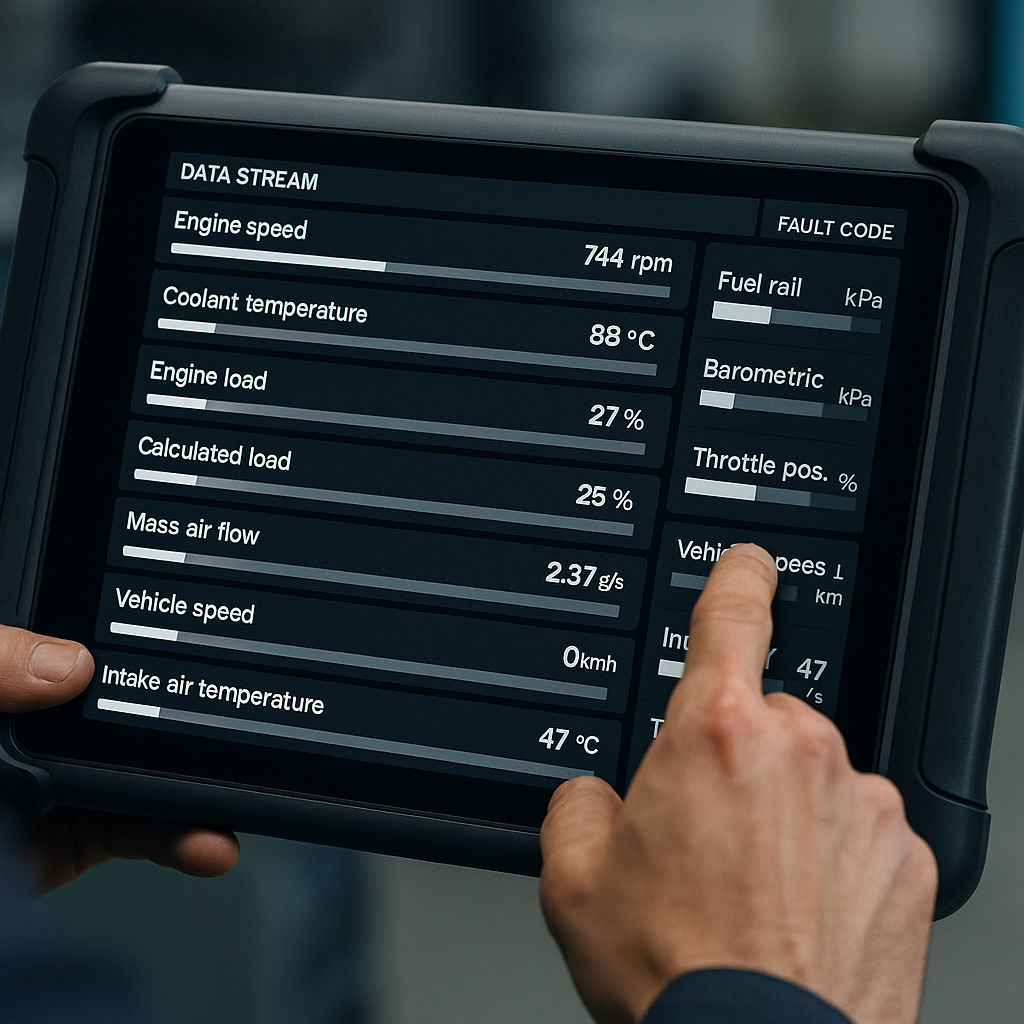
The good news is that the diagnostic data itself will be richer than anything OBD2 produces. OBD3-capable vehicles are expected to provide far more granular live data streams, better freeze frame information, and more detailed system coverage, including subsystems that OBD2 largely ignored: advanced driver assistance systems (ADAS), over-the-air software modules, and high-voltage battery management on EVs. A modern mechanic reading that data will need to understand not just what a code means, but what the surrounding data context tells you. Raw fault codes become less useful; pattern recognition across multiple parameters becomes more important.
What Tools Will You Actually Need?
Your existing OBD2 scanner isn’t going in the skip on day one. OBD3 will almost certainly maintain backward compatibility with OBD2 protocols during the transition period, which is likely to span well over a decade given the age profile of UK vehicles on the road. According to the DVLA, the average age of a licensed car in Great Britain is now over nine years, so OBD2 competence stays relevant for a long time yet.
That said, the tools you’ll want to add to your kit are heading in a clear direction:
- Cloud-connected diagnostic platforms. Standalone handheld scanners will still work for code reading, but serious OBD3 diagnostics for mechanics will lean on platforms that cross-reference live vehicle data with manufacturer databases and historical repair patterns in real time. Think Autel, Launch, or Snap-on’s connected software ecosystems rather than standalone units.
- Telematics data literacy. Understanding how to read and interrogate the data coming off a vehicle’s telematics module, not just the standard OBD port output, will become a real skill differentiator.
- Cybersecurity awareness. This one surprises some mechanics, but OBD3 vehicles are, by definition, connected vehicles. Any connected system has attack surfaces. The SMMT and various automotive cybersecurity bodies have already flagged this as a concern for the trade. Knowing what you should and shouldn’t be able to access, and how to protect vehicle systems during a diagnostic session, matters.
Software subscriptions will matter more than hardware. The days of buying a scanner outright and using it for a decade without updates are increasingly behind us. Budget for ongoing platform costs if you want genuine coverage of newer vehicles.
The Regulatory Picture in the UK
The UK has been watching OBD3 development closely, particularly in the context of emissions enforcement. The Vehicle Certification Agency (VCA) handles type approval in Great Britain post-Brexit, and while OBD3 isn’t yet a hard regulatory requirement for new vehicles sold here, the direction of travel is unambiguous. Euro 7 standards, which apply to new vehicle type approvals in Europe, push significantly toward continuous monitoring. UK regulations are expected to follow a broadly similar path, though on their own timeline.
For context, the government’s broader clean air and road transport strategy (detailed at gov.uk) underlines a long-term commitment to tightening emissions enforcement. OBD3’s real-time reporting capability fits neatly into that framework. Workshops that service modern vehicles, particularly newer petrol and hybrid cars, will encounter this technology sooner than they might expect.
Skills to Start Building Now
The honest answer is that OBD3 isn’t going to arrive with a bang on a specific date. It’ll creep in, vehicle by vehicle, as manufacturers integrate the telematics hardware and software into their platforms. Some premium brands are already close to this level of connectivity. But the skill gap doesn’t wait for the technology to be officially named.
If you’re running a workshop or working as a mobile mechanic, these are the areas worth investing time in right now. Get comfortable with live data interpretation, not just fault code lookup. Understand CAN bus communication at a conceptual level, even if you’re not doing physical bus diagnostics daily. Learn how manufacturer-specific software differs from generic OBD tools, and where the limits of each lie. And take connected vehicle security seriously; it’s not theoretical any more.
The mechanics who thrive in the next decade won’t just be the ones with the best spanner skills. They’ll be the ones who can interpret a data stream, explain it to a customer, and know exactly what the car is telling them before they’ve even lifted a bonnet.
Frequently Asked Questions
Is OBD3 available on cars in the UK now?
Not as a formal standard yet. However, many modern connected vehicles already incorporate telematics systems that approximate OBD3’s real-time reporting functionality. Full OBD3 regulation is expected to follow Euro 7 implementation timelines, making it a near-term rather than distant concern.
Will my current OBD2 scanner work on OBD3 vehicles?
OBD3 is expected to maintain backward compatibility with OBD2 protocols, so your existing scanner should still read basic codes from the OBD port. However, accessing the richer real-time data streams and telematics layers will require updated, cloud-connected diagnostic platforms.
What new skills do mechanics need for OBD3 diagnostics?
Live data interpretation is key, moving beyond simple fault code lookup to understanding what multiple data parameters together indicate about a system’s health. Telematics data literacy and a working knowledge of connected vehicle cybersecurity are also increasingly important for any mechanic working on modern cars.
How does OBD3 affect independent garages compared to dealerships?
Dealerships with manufacturer system access may receive pre-arrival fault data directly from the vehicle, giving them a head start on diagnosis. Independent garages that invest in capable connected diagnostic platforms can largely close this gap, but those relying on outdated standalone scanners risk being left behind on newer vehicles.
Does OBD3 only apply to electric and hybrid vehicles?
No. OBD3’s real-time emissions monitoring is primarily aimed at internal combustion and hybrid vehicles, where ongoing emissions compliance is most relevant. That said, EVs benefit from the richer data architecture OBD3 introduces, particularly for battery management system diagnostics.
Leave a Reply