
Motor trade insurance is one of those things that feels straightforward until you actually start looking into it. Then you realise there are half a dozen policy types, premiums that vary wildly between insurers, and a fair bit of small print that can bite you at the worst possible moment. Whether you’re a sole trader working from your driveway, a mobile mechanic covering a patch across three counties, or running a small independent garage with a forecourt, getting the right motor trade insurance UK 2026 means understanding what you’re actually buying before you sign anything.
This guide breaks it down properly. No fluff, no scare tactics. Just the key things you need to know.
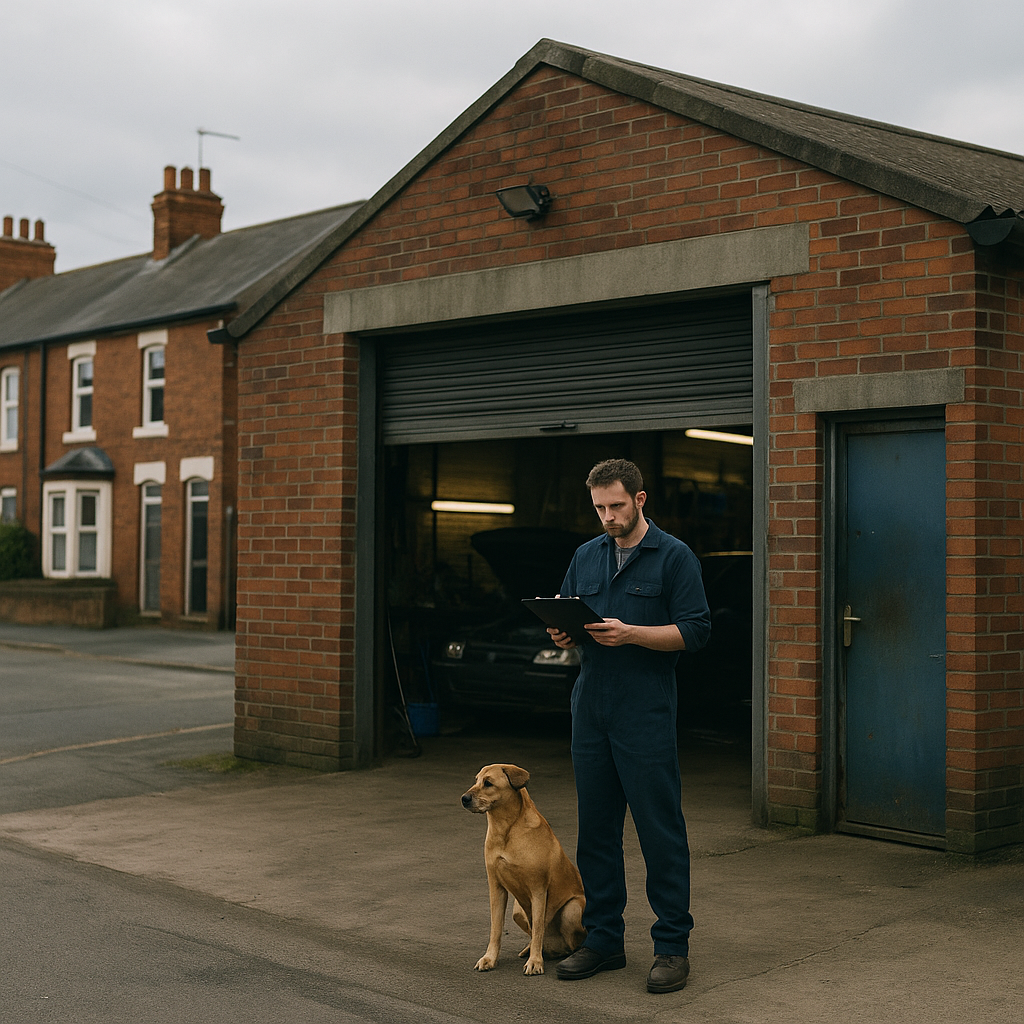
What Does Motor Trade Insurance Actually Cover?
Standard motor insurance doesn’t cut it when you’re working on or moving other people’s vehicles. That’s the starting point. Motor trade insurance is specifically designed to cover you while you’re in possession of vehicles that don’t belong to you, whether that’s test driving a customer’s Golf, moving a car on your forecourt, or ferrying a purchase from a trade auction back to your garage.
The main cover types you’ll encounter are:
- Road risk only, the most basic level. Covers you and any named or any-driver extensions for driving customers’ or trade vehicles on the road. Popular with mobile mechanics and sole traders who don’t need premises cover.
- Combined motor trade insurance, road risk plus premises cover. This is where you add protection for your garage building, tools, stock, and liability cover. Essential for anyone operating from a fixed site.
- Liability cover, public liability, employers’ liability (legally required if you have staff), and product liability if you’re selling parts or completed vehicles.
Most policies will also offer add-ons like tool cover, money cover, and engineering inspection. Useful, but watch out for these bumping your premium before you’ve decided whether you actually need them.
Who Needs Motor Trade Insurance in the UK?
The Motor Insurers’ Bureau and current UK law are clear: if you’re involved in the buying, selling, repairing, valeting, or transporting of vehicles as part of a business, you need a motor trade policy. This includes:
- Independent garages and repair workshops
- Mobile mechanics and auto electricians
- Used car dealers, including those trading from home
- Bodywork and paint specialists
- MOT stations
- Vehicle recovery operators
It’s worth noting that HMRC and trading standards have become increasingly sharp about home-based traders running a few sales through classified ads without proper cover. If you’re buying and selling more than a handful of cars per year, you’re almost certainly operating as a trader in the eyes of the law, and you need the right insurance to match.
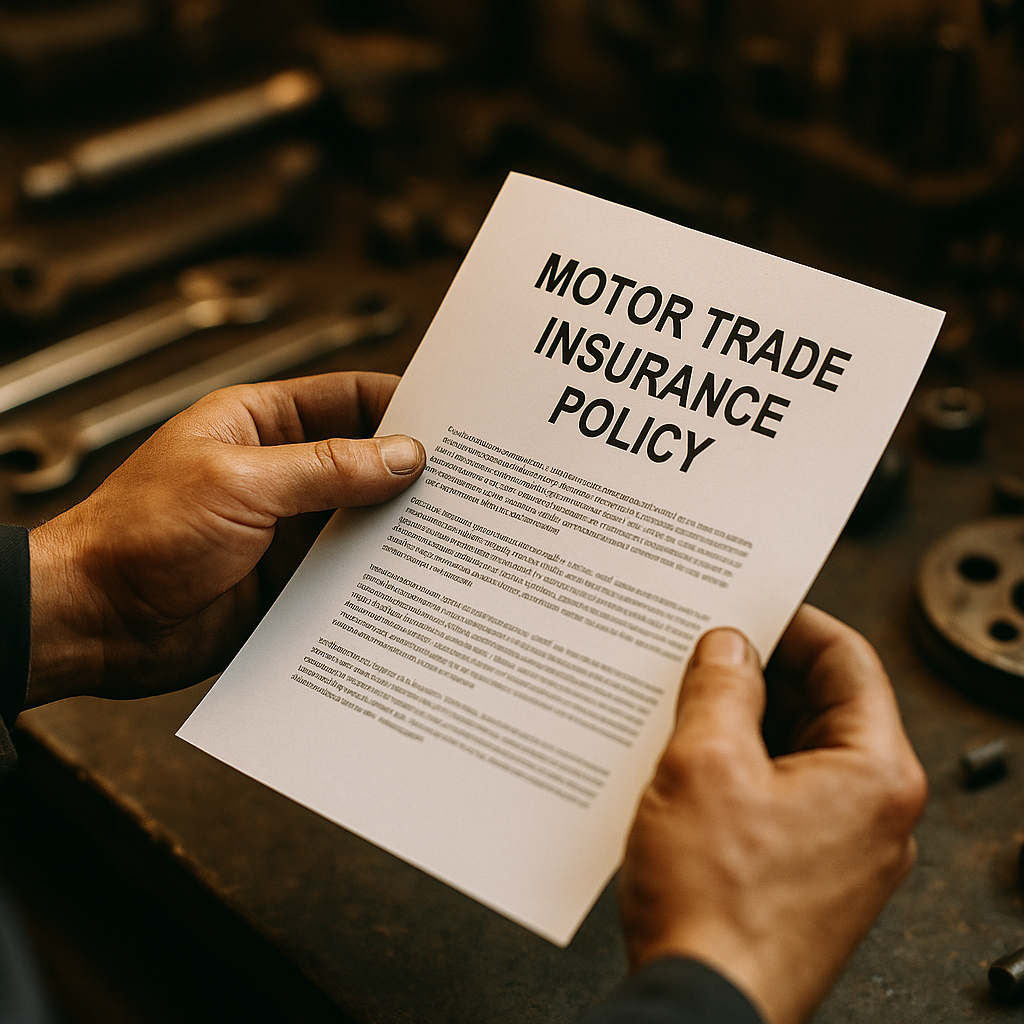
What Affects Your Motor Trade Insurance Premium in 2026?
Premiums for motor trade insurance UK 2026 have shifted noticeably compared to a couple of years ago. The combination of rising repair costs, increased parts prices (largely down to ongoing supply chain issues), and higher vehicle values across the board has pushed base rates up. That said, there’s still a significant spread between what different insurers will quote you, so understanding the rating factors is genuinely useful.
Key factors that affect your premium
Age and experience. Under-25s pay more. Harsh but true. If you’re a young mechanic starting out, expect road risk premiums to reflect that. A few years of claims-free trading history makes a real difference.
Type of work. A general service and repair garage is rated differently from a performance tuning specialist or a salvage dealer. Higher-risk work means higher premiums, and trying to understate your activities to save money is a fast route to a voided claim.
Value of vehicles in your custody. Insurers want to know the maximum value of vehicles you hold at any one time. If you’re regularly sitting on £80,000 worth of stock or customer cars, your premium will reflect that. Keeping your declared figure realistic (not padded, not understated) is important.
Named or any driver cover. Any-driver policies are handy for garages with multiple staff, but they cost more. Named drivers with clean licences bring the price down.
Premises security. Insurers do ask about CCTV, alarmed locks, and whether your site is secured overnight. Good security genuinely helps.
Claims history. A single at-fault claim can push your renewal up considerably. Some traders avoid claiming for minor incidents precisely for this reason, though it’s always worth running the numbers first.
How to Compare Motor Trade Insurance Quotes Effectively
The comparison site route is fine as a starting point, but motor trade insurance is a specialist product and the aggregators don’t always surface the best deals from specialist brokers. A few things that genuinely help:
Use a specialist broker
Brokers who work exclusively in motor trade insurance (there are several well-established ones based in the UK) can access schemes and underwriters that aren’t available on the open market. They also understand the nuances of your trade. A broker who deals with garages all day will ask the right questions and help you avoid gaps in cover that a generic comparison site won’t flag.
Be accurate about your activities
It sounds obvious, but a lot of traders still try to describe their work in the most favourable terms possible when applying. If you occasionally do performance modifications or run track day preparation alongside bread-and-butter servicing, declare it. Insurers who find out after a claim will argue non-disclosure. It’s not worth it.
Check the excess structure
Voluntary excess can look like an easy way to reduce your premium, but stacking a large voluntary excess on top of a compulsory excess means you’re self-insuring a significant chunk of every claim. Know what you can realistically absorb before agreeing to a high excess.
Review annually, not just at renewal
If your business has changed significantly mid-year, such as taking on staff, adding a second site, or moving into a new type of work, you need to notify your insurer. Most policies have a mid-term adjustment process. Failing to update your cover is another route to an invalidated claim.
The British Insurance Brokers’ Association (BIBA) maintains a find-a-broker tool specifically for specialist commercial and motor trade policies, which is a solid first stop if you’re not sure where to start.
Common Mistakes Traders Make With Their Cover
After talking to mechanics and traders over the years, the same errors crop up repeatedly. Not having employers’ liability when there’s even a part-time helper on site is probably the most common. It’s a legal requirement under the Employers’ Liability (Compulsory Insurance) Act 1969 the moment you have any member of staff, including family members in some cases. The fine for operating without it is up to £2,500 per day.
Another one is assuming road risk cover extends to test drives by customers. Many policies don’t include this automatically. If you let a potential buyer take a car out unaccompanied, check whether they’re covered or whether you need to add a drive-away extension.
And finally, not reading the territorial limits. Some cheap road risk policies restrict cover to Great Britain only. If you regularly attend European trade events or drive purchases back from the Republic of Ireland, you could be uninsured without realising it.
Is Motor Trade Insurance Getting More Expensive?
Broadly, yes. The Association of British Insurers has reported sustained increases in motor claims costs driven by parts inflation, labour rates, and longer repair times caused by increasingly complex vehicle technology. EV and hybrid vehicles are a particular pressure point, with high-voltage components and specialist repair requirements pushing average claim values up.
That doesn’t mean you can’t find competitive motor trade insurance UK 2026 rates; it means you need to shop harder and smarter. Loyalty rarely pays when it comes to commercial insurance renewal. Get at least three quotes every year, use a specialist broker for one of them, and make sure your declared business activities are genuinely accurate to avoid any nasty surprises when you actually need to claim.
Frequently Asked Questions
How much does motor trade insurance cost in the UK in 2026?
Costs vary considerably depending on your activities, age, claims history, and the number of vehicles in your custody. A sole trader on road risk only might pay from around £600 to £1,500 per year, while a small garage with combined cover, employers’ liability, and multiple drivers could be looking at £3,000 to £8,000 or more. Getting at least three specialist quotes is the best way to establish a realistic benchmark.
Can I get motor trade insurance if I work from home?
Yes, home-based motor trade insurance is widely available and designed specifically for traders who buy, sell, or repair vehicles from a residential address. You’ll typically need to declare the number of vehicles on your property at any one time and confirm your driveway or off-road parking arrangements. Some insurers place limits on the value of vehicles held at a home address.
What is the difference between road risk and combined motor trade insurance?
Road risk cover protects you when driving vehicles that belong to customers or your own trade stock on public roads. Combined cover adds protection for your premises, tools, equipment, vehicle stock on site, and liability insurance. Most fixed-site garages need combined cover; mobile mechanics or sole traders working purely on the road may find road risk only is sufficient.
Do I need employers' liability insurance as a sole trader with no staff?
If you genuinely work alone with no employees (including casual or part-time helpers), employers’ liability is not a legal requirement. However, as soon as you take on any member of staff, including a family member who helps out, it becomes compulsory under the Employers’ Liability (Compulsory Insurance) Act 1969, with fines of up to £2,500 per day for non-compliance.
Does motor trade insurance cover customers test driving vehicles?
Not automatically. Many standard motor trade road risk policies do not extend to unaccompanied test drives by prospective buyers. You typically need to add a specific drive-away extension or ensure the customer has their own fully comprehensive cover that extends to driving other vehicles. Always check the policy wording before handing over the keys.
Leave a Reply