
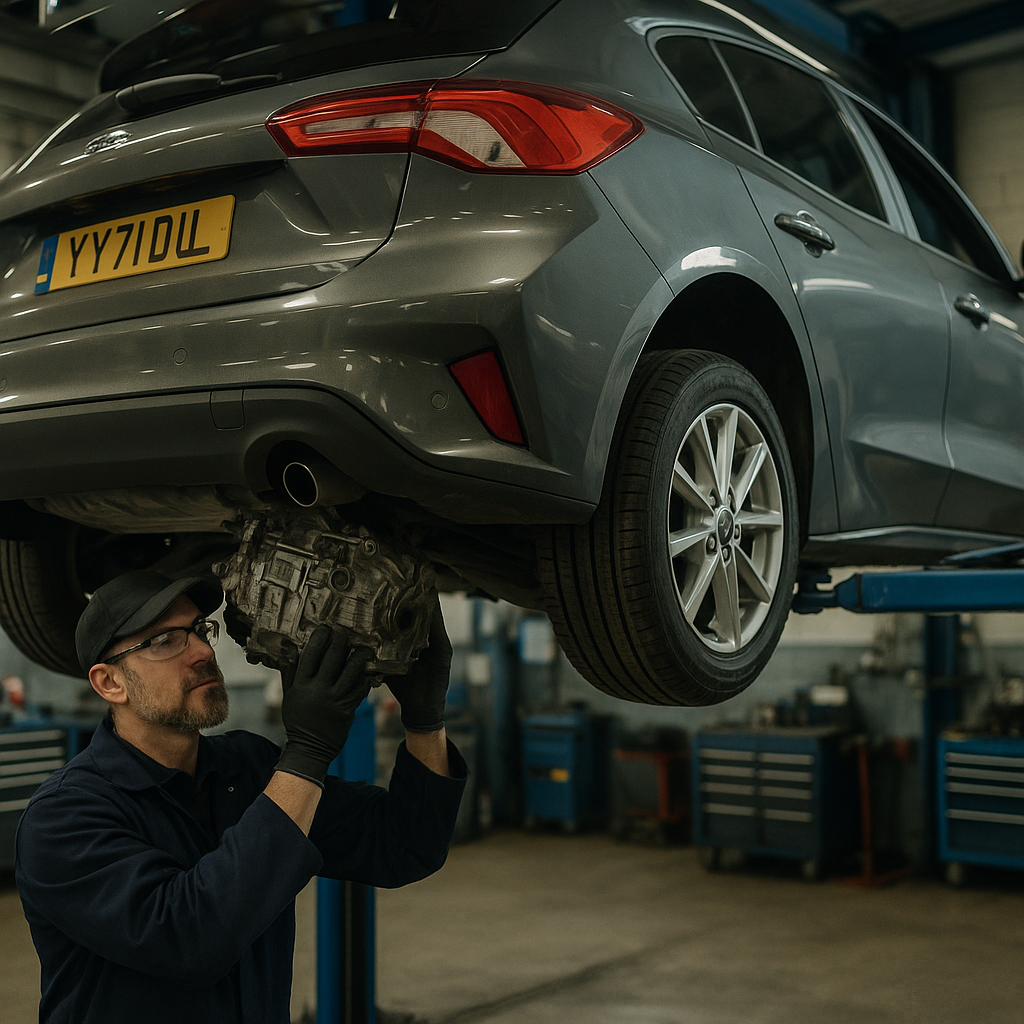
There’s a particular kind of customer arriving at independent garages more frequently these days. They’re driving a five to ten-year-old Volkswagen Group car, a Ford Focus or Fiesta with a PowerShift, or occasionally a Porsche whose PDK has started behaving oddly. The complaints are remarkably consistent: shuddering from a standstill, hesitation when pulling away from a junction, clunky gear changes at low speed, or an intermittent warning light that the main dealer quoted eye-watering money to investigate. Dual clutch gearbox problems at UK workshops have gone from an occasional booking to a regular fixture in the diary, and there are very good commercial reasons for independent garages to get properly set up to handle them.
Why Dual-Clutch Gearbox Complaints Are Spiking Right Now
The timing makes complete sense when you think about the vehicle pavement. DSG gearboxes became widespread in VW Group cars from around 2008 onwards. Ford’s PowerShift rolled out heavily through its range between 2011 and 2016. Porsche’s PDK has been fitted as standard on the majority of its models since 2009. That means the bulk of these vehicles are now between eight and fifteen years old, sitting squarely in the sweet spot where warranty has long expired and deferred maintenance is catching up with owners.
Main dealers, for reasons that probably involve margin pressure and servicing efficiency targets, have not always been proactive about dual-clutch fluid changes. The old “filled for life” mythology that surrounded some early DSG units convinced a lot of owners that nothing needed doing. It didn’t help that some service schedules genuinely underplayed the requirement. The reality, as any experienced transmission specialist will tell you, is that wet clutch units in particular are highly sensitive to fluid condition. When that fluid degrades, clutch pack wear accelerates, mechatronic unit contamination follows, and what started as a cheap fluid change becomes a four-figure repair.
Common Failure Patterns by Transmission Type
VW Group DSG (DQ200 and DQ250)
The DQ200 is the dry clutch seven-speed unit found in lighter VW Group cars. Dry clutches don’t use transmission fluid in the same way, but the mechatronic unit is notoriously fragile and the clutch forks wear. Low-speed judder and stuttering on light throttle inputs are the classic tells. The DQ250 is the wet clutch six-speed, and this one is far more fluid-dependent. Shudder on pull-away, delayed engagement, and rough low-speed behaviour nearly always trace back to degraded ATF. A Haldex-style fluid service at 40,000 miles, using the correct Pentosin or Castrol specification fluid, transforms these cars. Skipping it is expensive.
Ford PowerShift (DPS6)
The Ford PowerShift has arguably the most troubled reputation of any dual-clutch unit sold in volume in the UK. Ford issued a technical service bulletin (TSB) addressing clutch and seal failures years ago, and the DPS6 dry clutch design proved poorly suited to the stop-start urban driving patterns common here. Symptoms include shuddering acceleration from low speeds, a “bucking” sensation when the gearbox is cold, and unpredictable gear selection. Some cars have seen multiple clutch replacements. For a workshop, diagnosing these properly requires a capable scan tool that can read Ford-specific transmission parameters, not just generic OBD data, and a solid understanding of the clutch re-learn procedure after any clutch work.
Porsche PDK
PDK complaints arriving at independents tend to be on older Cayenne and 911 units. Fluid degradation causing rough changes is the most common, but worn selector fork guides and pressure regulator failures in the mechatronic unit also show up. Porsche PDK fluid intervals are officially every four years or 60,000 miles, but real-world experience suggests aggressive drivers or tow-vehicle use warrants earlier attention. These jobs pay well and the diagnostic complexity keeps main dealers in the picture for longer than necessary.
Fluid Service Intervals: What Garages Are Actually Finding
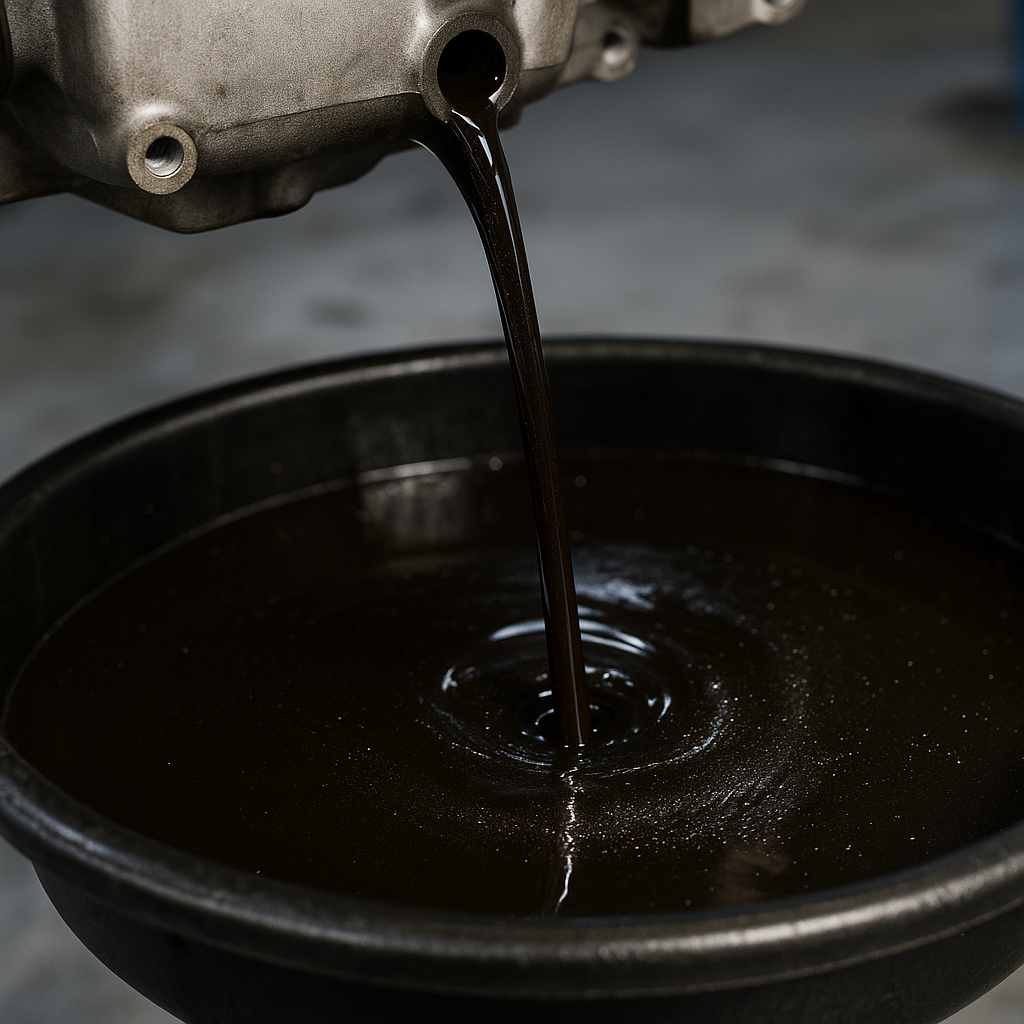
The pattern emerging at independents handling dual clutch gearbox problems at UK workshops consistently is this: the car arrives with no record of a transmission fluid change, ever. Owners were told at purchase it was a sealed unit. Mileages of 70,000 to 100,000 miles with original fluid are not unusual. When the fluid is drained, it comes out dark, often with a burnt smell and visible metallic particulate. At that point, you’re not just doing a service, you’re potentially managing clutch pack damage that’s already occurred.
Best practice is a double-drain-and-fill rather than a single change once fluid is significantly degraded. Change it, run the car through its shift cycles, change it again. The cost to the customer is higher than a single service, but so is the outcome. Most customers, when explained the reasoning, accept this without complaint, particularly if they understand the alternative is a mechatronic replacement at £800 to £1,500 or a full transmission rebuild.
Workshop pricing for a DSG fluid service typically sits between £180 and £350 depending on the unit and fluid specification, with a double-drain-and-fill at the upper end. Porsche PDK services command more. These are genuinely profitable jobs with reasonable labour time and a clear outcome the customer can feel immediately in the driving.
Diagnostic Steps Before You Quote
Don’t go straight to parts. The most common mistake less experienced technicians make with dual-clutch complaints is condemning the mechatronic unit too early. A methodical approach saves everyone money and prevents warranty comebacks.
Start with a full transmission scan using a manufacturer-level tool or a capable aftermarket unit such as Autel, Launch or iCarsoft with the relevant brand coverage. Look for stored and pending fault codes specific to the transmission controller, not just powertrain codes. Check live data: fluid temperature at startup versus operating temperature, clutch engagement parameters, gear selector position data. On VW Group DSG, the adaptation values for clutch engagement are readable and often tell you exactly what the transmission thinks is happening.
Then physically inspect: check the fluid condition as described, check for leaks at the mechatronic unit, and verify the correct fluid was ever used. On PowerShift units, check the external seals first, because a leaking input shaft seal is a known failure point that can be misread as an internal clutch problem.
After any fluid change or clutch work, the transmission adaptation reset and relearn procedure is non-negotiable. Skipping it leaves the car feeling wrong and produces a comeback that damages your reputation. The DVSA provides guidance on workshop standards and record-keeping that’s worth revisiting if you’re expanding into transmission work; their resources are accessible via gov.uk.
How to Position Dual-Clutch Work Commercially
The opportunity here is real and it’s not going away. As these vehicles age further, the failure rate will climb. Garages that build a reputation for honest, competent dual-clutch diagnosis will attract word-of-mouth from exactly the kind of customer who books online, leaves reviews and returns regularly.
A few practical moves help. First, add a transmission health check to your standard service offering for any car fitted with a DCT over five years old. A quick fluid inspection and scan takes twenty minutes and flags issues early, which is better for the customer and better for your upsell opportunity. Second, stock the most common DSG and PowerShift fluid specifications. Waiting a day for fluid to arrive when a car is on the ramp costs you time and goodwill. Third, be straight with customers about what you find. If the fluid is wrecked and there’s already clutch wear, tell them. Explain what a service will and won’t fix. Customers who feel they’ve been dealt with honestly come back.
The garages I’ve spoken to that are doing well out of this work all say the same thing: dual clutch gearbox problems at UK workshops are not a niche, not a dealer-only territory, and not going away anytime soon. Get the training, get the tooling, and get your pricing right. The bookings will follow.
Frequently Asked Questions
How much does a DSG gearbox fluid service cost at an independent garage?
Typically between £180 and £350 depending on the unit type and whether a double-drain-and-fill is needed. Wet clutch units like the DQ250 require the correct ATF specification, which affects the parts cost. It’s significantly cheaper than the repair bills that follow from skipping the service entirely.
How do I know if my dual-clutch gearbox needs a fluid change?
Common signs include shuddering or juddering when pulling away, hesitation between gear changes, rough low-speed behaviour, and in some cases a warning light. If there’s no record of a transmission fluid change in the car’s service history, it almost certainly needs one regardless of symptoms.
Can an independent garage diagnose and fix DSG or PowerShift problems?
Yes, provided they have manufacturer-level or high-quality aftermarket diagnostic tooling with the relevant brand coverage. Many independent specialists are better placed than main dealers to offer transparent diagnostics and competitive pricing on dual-clutch transmission work.
What is the recommended fluid change interval for a VW DSG gearbox?
VW officially recommends every 40,000 miles for the wet clutch DQ250, though many specialists recommend this interval for the dry clutch DQ200 mechatronic service too. Cars used in stop-start urban conditions or that tow may benefit from shorter intervals.
Is it worth repairing a dual-clutch gearbox or should I replace it?
In most cases repair is the right answer, particularly if the failure is fluid-related or involves a repairable mechatronic unit. Full transmission replacement on a DSG or PowerShift can cost £2,000 to £4,000 or more, whereas many common faults are resolved for a fraction of that price with proper diagnosis and a fluid service.