
There was a time when a scuffed bumper was about the cheapest repair job a bodyshop could take on. A bit of prep, some filler if needed, a colour-match spray and you were done inside a couple of hours. Those days are gone. Modern bumper repair costs have climbed sharply, and if you’re running a bodyshop or buying stock at auction, the difference between a car with a lightly marked bumper and one with an intact one can easily run to four figures. I’ve spoken to quite a few bodyshop managers about this over the last year, and the same frustration comes up every time: customers simply don’t believe the quote until they see the parts breakdown in black and white.
Why modern bumpers are nothing like they used to be
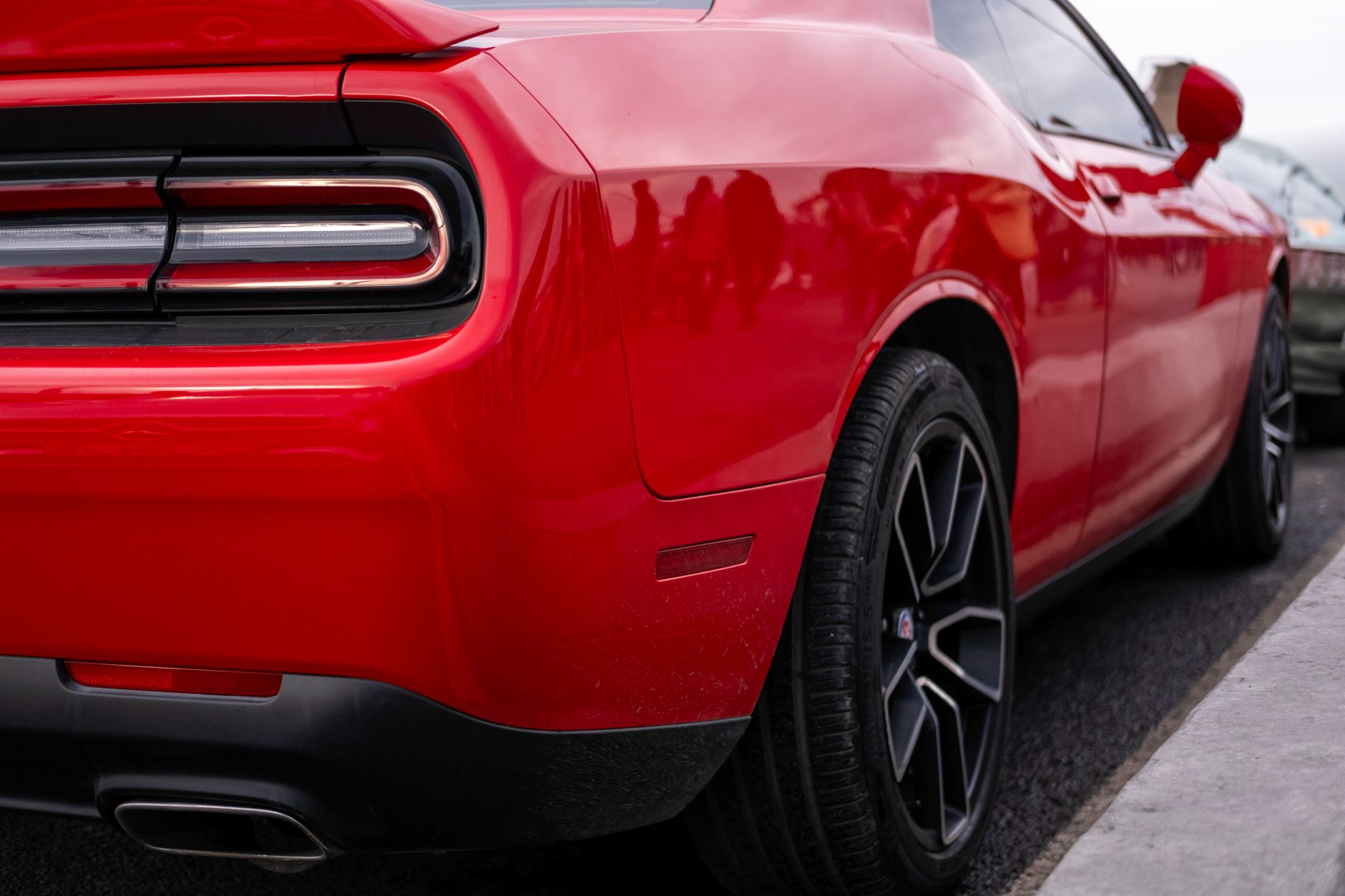
The humble bumper cover has become a technology housing unit. On a current-generation family hatchback or SUV, the rear bumper alone might contain parking sensors, a radar module for autonomous emergency braking, a reversing camera, and on some models, adaptive cruise control radar. The front is often just as busy, with long-range radar behind the badge, short-range radar sensors in the corners, camera apertures for lane-keep assist, and ultrasonic parking sensors dotted around. All of this sits behind or within what looks, from the outside, like a normal piece of plastic trim.
The moment that bumper gets damaged, you’re not just replacing a moulded cover. You’re potentially dealing with cracked radar housings, misaligned camera brackets, damaged sensor mounts, and wiring harnesses that are either torn or stressed. A low-speed car park nudge that would have cost £200-£300 to fix a decade ago can now land somewhere between £900 and £2,500 depending on the vehicle and what’s actually broken inside.
Parts pricing: where the money really goes
A plain bumper cover for a mid-range hatchback might cost £150-£250 from a quality aftermarket supplier. Add a parking sensor kit and you’re looking at another £60-£120. So far, so manageable. But once you get into radar modules for autonomous emergency braking, the numbers change fast. A forward radar unit for a current Ford Puma or Volkswagen Polo can cost £400-£700 as a genuine part. Long-range radar on premium models, think Mercedes C-Class or BMW 3 Series, often exceeds £1,000 just for the sensor itself.
Then there’s the camera. A reversing camera module might be £80-£200, but a front-facing camera used for lane departure warning and traffic sign recognition on a Vauxhall Astra or Kia Sportage is often a dealer-only item and prices reflect that. The supply chain issues that UK traders have navigated over the past few years haven’t helped; some ADAS components still have extended lead times from certain manufacturers, which pushes repairers toward genuine dealer parts and inflates the bill further.
Wiring is another cost that catches people out. These sensor clusters are not plug-and-play in the traditional sense. Harnesses are routed specifically for each model variant, and if the impact has damaged the connector block or the wiring run behind the bumper, you’re into a diagnostic and repair process that adds labour hours quickly.
Calibration: the cost nobody budgets for
This is the part that really catches bodyshops and customers off-guard. Replacing a front radar module or a forward-facing camera is not a job you complete with a parts swap and a road test. ADAS components require calibration, and that calibration needs to be carried out to a specific standard before the vehicle is safe to drive. The Thatcham Research centre has been clear on this for some time: incorrect or skipped calibration after ADAS-related repairs can compromise the function of autonomous emergency braking, adaptive cruise, and lane-keep systems.
Static calibration, done on a calibration rig in the workshop, typically adds £150-£300 to a job. Dynamic calibration, which requires a road drive while connected to diagnostic equipment, adds time on top of that. Some vehicles need both. I’d argue that a significant number of independent bodyshops are still underquoting on calibration, either because they’re farming it out to a separate garage and absorbing the cost, or because they’re skipping it altogether, which is a serious liability issue.
The rise of ADAS calibration as a revenue stream and a compliance requirement is something independent garages have started to take seriously. It connects directly to the broader shift in what modern repair work actually involves. If your workshop isn’t equipped for this yet, you’re either turning away work or handing over margin to someone else.
How traders should value minor-damage stock at auction
If you’re buying at auction and you see a vehicle listed with “minor front bumper damage” or “cosmetic rear scuff”, the old mental arithmetic doesn’t apply. Before bidding, you need to know what’s mounted in that bumper on that specific model and trim level. A base-spec car might have nothing behind the bumper cover beyond a parking sensor. A mid or high-spec version of the same model might have the full radar and camera suite.
Check the vehicle’s options list carefully. If it has autonomous emergency braking, adaptive cruise or cross-traffic alert, assume the relevant sensors or radar units are in the affected bumper. For used and part-exchange vehicles, specialist dismantlers are worth knowing. Sites like Mitzybitz.com can be a useful reference point when you’re trying to get a realistic picture of what replacement parts actually cost before you commit to a bid price.
The general rule I’d use: add at least £500-£800 to your repair estimate versus what a similar job would have cost on a pre-2018 car, and if the vehicle has any active safety systems, budget for calibration on top. If the damage looks like it involved more than a slow-speed scrape, price in a radar unit replacement as a probable cost rather than a possible one.
Where bodyshops are making this work commercially
The shops doing well out of this shift are the ones that have invested in calibration equipment and trained their staff properly. They’re able to quote the full job, complete it in-house, and charge accordingly without having to split the work across multiple sites. Turnaround time is competitive and the margin on calibration work is decent once you’ve amortised the equipment cost.
The ones struggling are the shops that are still treating ADAS-equipped cars like conventional bodywork jobs and then discovering mid-repair that there’s a radar housing to replace and a calibration to book in separately. That’s how jobs go over budget and customers get unhappy. The understanding of what’s inside modern bumpers needs to be baked into the estimating process from the first inspection, not discovered at the strip-down stage.
For context, this isn’t an isolated issue. The same pattern, where seemingly simple repair jobs have expanded in scope due to integrated electronics, shows up across the whole vehicle. Anyone who’s followed the shift in alloy wheel refurbishment costs driven by TPMS damage will recognise the dynamic. Technology that makes driving safer also makes repairing the car more involved. That’s the trade-off, and the trade needs to price it in properly.