
The forecourt has always been about footfall. Get eyes on the metal, let the cars do the talking. That model worked brilliantly for decades, but in 2026 the forecourt has a second life online, and the traders who understand that are moving stock in days rather than weeks. Used car trader social media in the UK is no longer an experiment run by a few tech-savvy youngsters; it is a legitimate sales channel that independent traders across the country are leaning on hard.
This is not about running expensive ad campaigns or hiring a marketing agency. It is about understanding which platforms actually deliver enquiries, what content stops a thumb from scrolling, and how to build a local following that keeps coming back every time you take something decent in part-exchange. Let us get into the detail.
Why Facebook Marketplace Is Still the First Stop for Most Traders
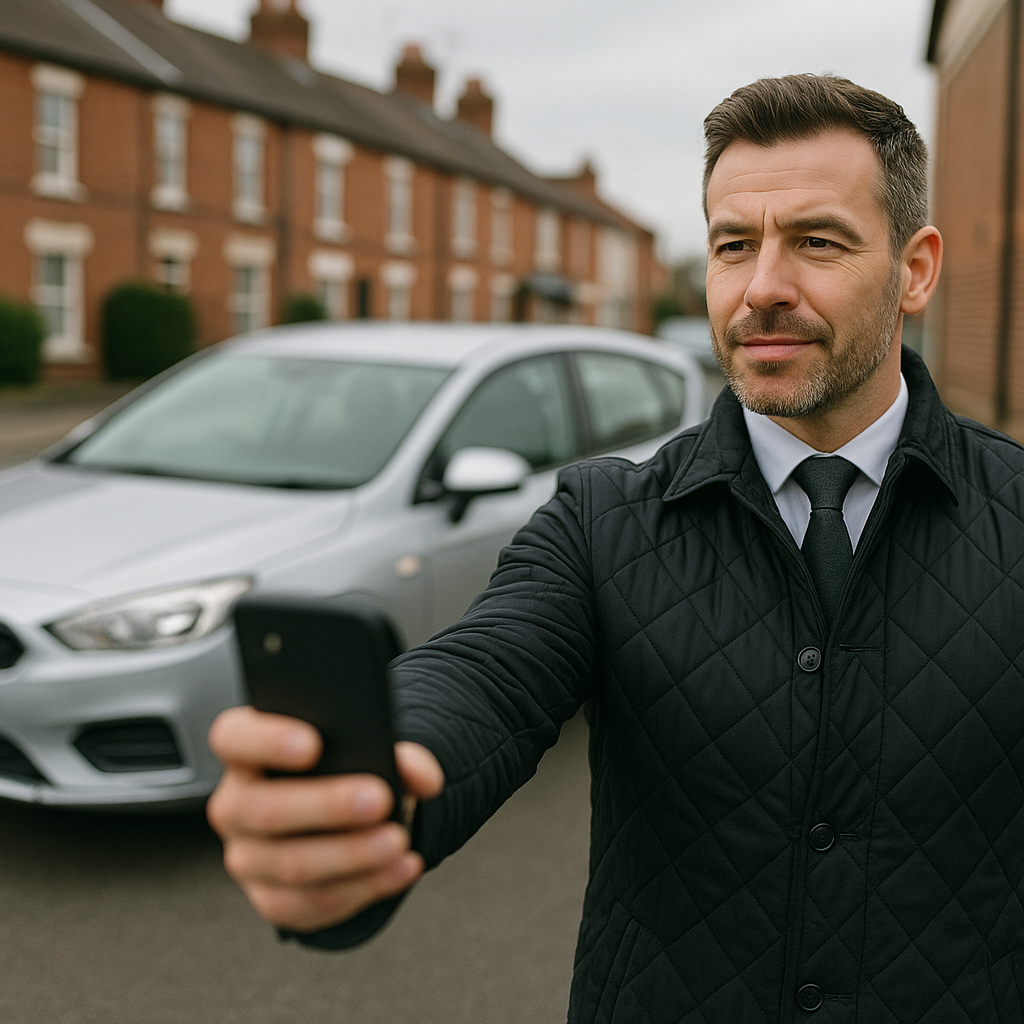
If you are a used car trader and you are not listing on Facebook Marketplace, you are genuinely leaving money on the table. It is free, it is local by default, and the buyer demographic skews exactly where you want it for sub-£15,000 stock. The platform pulls from a user’s location, which means someone two miles from your pitch sees your listing before they see one from a trader in the next town. That geographic advantage is something paid AutoTrader listings cannot always replicate for the same cost.
What actually works on Marketplace comes down to photography and the first line of the description. Buyers scroll fast. A photo taken on a grey morning in a cluttered car park kills a listing before anyone reads the mileage. Traders who take the time to move the car somewhere clean, shoot in natural morning light, and show all four corners consistently report faster response times. It is not complicated; it is just effort that most people skip.
One tactic that is working well right now is creating a dedicated Facebook Business Page for the forecourt and then cross-posting Marketplace listings from there. It gives buyers a page to inspect, which builds trust. A page with 200 reviews and a few years of posts looks very different to a private profile with three listings. That credibility gap is closing sales.
Short-Form Video: The Format That Is Actually Moving Cars
Instagram Reels and TikTok have done something remarkable for used car traders: they have made low-budget video content genuinely competitive with expensive advertising. A 45-second Reel walking around a clean example of a sought-after car, explaining what makes it good value and what to watch for, consistently outperforms static listing photos in terms of reach and engagement.
The content that performs best in this space is not polished to the point of feeling corporate. Buyers respond to personality. A mechanic talking directly to camera about why a particular gearbox variant to avoid, or a trader walking around a fresh part-exchange pointing out what has been sorted and what needs sorting, gets shares and saves in a way that a standard listing never will. Authenticity is the whole point.
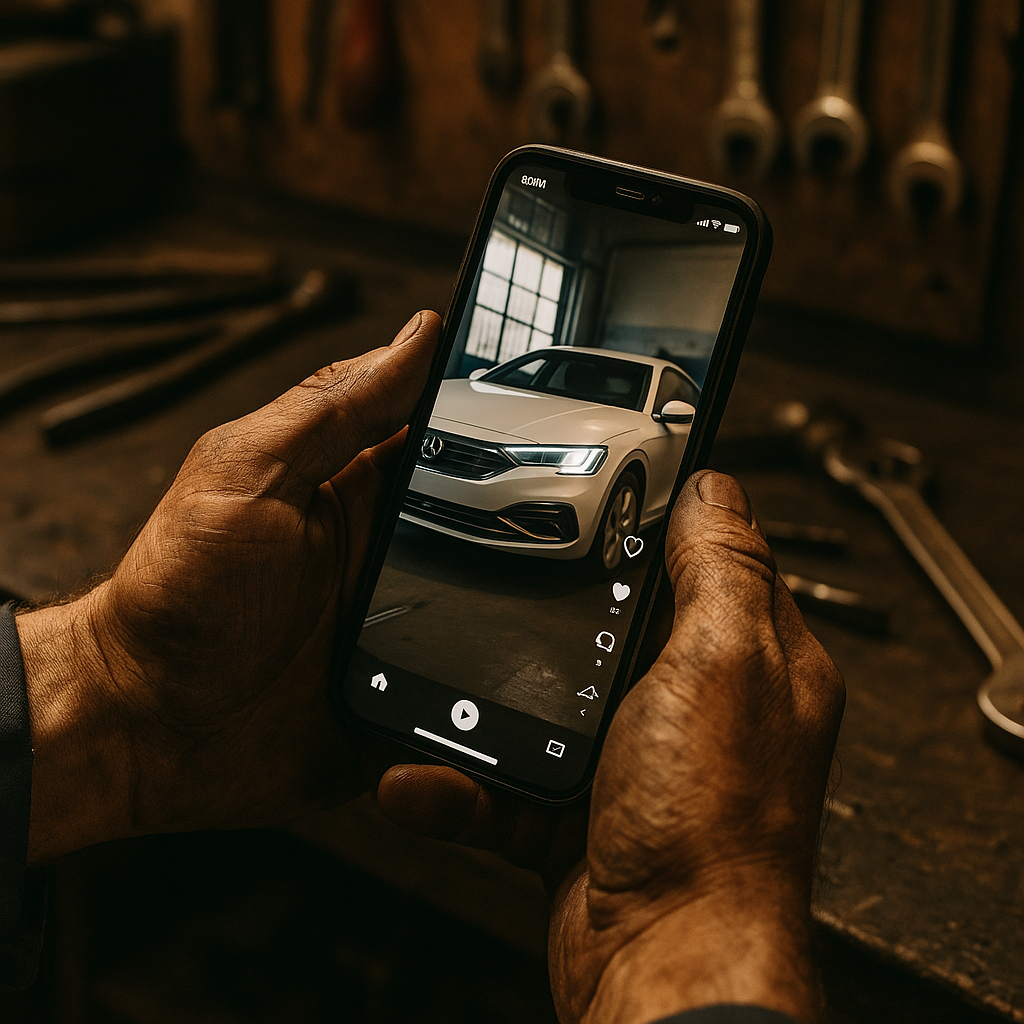
For used car trader social media in the UK, the practical playbook looks something like this: film the walk-around the moment the car comes in, while it is still raw. Post the before. Then post the after when it goes through the workshop. That two-part format creates a mini narrative and gives followers a reason to keep watching your content. Traders in the Midlands and the North especially are building tight local audiences this way, picking up buyers who would never have found a standard listing.
Keep videos vertical for Reels, aim for 30 to 60 seconds, and put the most interesting moment in the first three seconds. Whether that is a rev of the engine, an unusual trim level, or a frankly brilliant spec for the money, lead with it. The algorithm rewards watch time, and watch time comes from a strong hook.
What Wastes Time on Social Media (And Is Worth Cutting)
Spending hours crafting Twitter (now X) threads about your stock. Posting the same static photo to every platform simultaneously without adjusting for format. Running broad Facebook ad campaigns with vague targeting and a £5 daily budget. These approaches generate almost no return for independent traders working with modest marketing budgets.
Instagram Stories disappear after 24 hours and are fine for quick updates, but they should not replace Reels if reach is the goal. Stories only reach people already following you. Reels can reach tens of thousands of people who have never heard of your forecourt. For traders trying to grow, that distinction matters enormously.
Also worth noting: chasing follower counts is a trap. A trader with 800 genuinely local followers who engage, share, and ask questions about specific cars is in a far stronger position than one with 8,000 followers mostly gathered through follow-for-follow tactics. Quality of audience beats quantity every time in this game.
Building a Local Audience Without Paying for Ads
The organic route takes longer but it compounds. Every piece of useful content adds to a library that keeps generating views and enquiries long after you posted it. A well-made video explaining how to spot a clocked mileage car, or what to check on a specific popular model before buying, does not just generate goodwill; it positions you as the knowledgeable local trader people want to buy from.
Engaging with local Facebook groups is underrated. Not spamming listings, but genuinely answering questions about cars, recommending things honestly, and occasionally sharing a relevant listing when the context fits. This approach builds reputation gradually and it works. The Society of Motor Manufacturers and Traders (SMMT) notes that consumer trust is a primary driver of used car purchasing decisions, and nothing builds trust faster than consistent, helpful visibility in the spaces where buyers already spend time.
Consistency matters more than volume. Posting three times a week and maintaining that rhythm for six months will outperform posting fifteen times in one week and then going quiet. Most traders who struggle with social media burn out because they go too hard too fast without a system. Keep it manageable.
Turning Enquiries Into Sales: The Follow-Up Gap
Social media generates leads in a way that is messier than a phone call. A buyer might comment on a Reel at 10pm on a Thursday, send a DM on Friday morning, and then go cold over the weekend if they do not get a fast response. The traders who convert used car social media enquiries at a high rate are the ones who treat a DM with the same urgency as a phone call to the forecourt.
Set up quick replies on Instagram and Facebook Messenger with your key details: location, opening hours, and a prompt to ask about the specific car they enquired about. Do not make buyers work for basic information. Friction at the enquiry stage loses sales that were practically done.
Used car trader social media in the UK has matured quickly. The traders seeing results are not necessarily the most tech-savvy; they are the ones who showed up consistently, learned what their particular audience responds to, and treated each platform as a genuine sales channel rather than a place to dump the same photos they uploaded to AutoTrader. The gap between those who have figured this out and those who have not is widening every month.
Frequently Asked Questions
Is Facebook Marketplace worth it for used car traders in the UK?
Yes, Facebook Marketplace is one of the most cost-effective listing platforms for independent traders, particularly for stock priced under £15,000. It is free to list, targets local buyers automatically, and works best when paired with a verified Business Page to build buyer trust.
What type of social media content works best for selling used cars?
Short-form video walk-arounds on Instagram Reels and TikTok consistently outperform static photos for reach and engagement. Authentic, personality-led content that explains the car’s value and condition tends to generate more genuine enquiries than polished promotional material.
How much should a small used car trader spend on social media advertising?
Many independent traders get strong results with zero paid spend by focusing on organic Reels and Facebook Marketplace listings. If you do run paid ads, highly targeted local campaigns with a clear call to action outperform broad low-budget boosts significantly.
How do I build a local following as a used car trader on social media?
Post consistently three to four times per week, engage genuinely in local Facebook groups, and create useful content such as buying guides for popular models. Building a local audience takes several months of consistent effort, but the enquiries it generates are far warmer than cold listing traffic.
Which platform is best for used car sales in the UK: Instagram, TikTok or Facebook?
Facebook Marketplace remains the strongest direct-sales platform for most UK traders due to its buyer intent and local reach. Instagram Reels works best for building brand awareness and trust with a slightly younger demographic, while TikTok can generate strong reach but typically requires more content volume to see consistent results.