
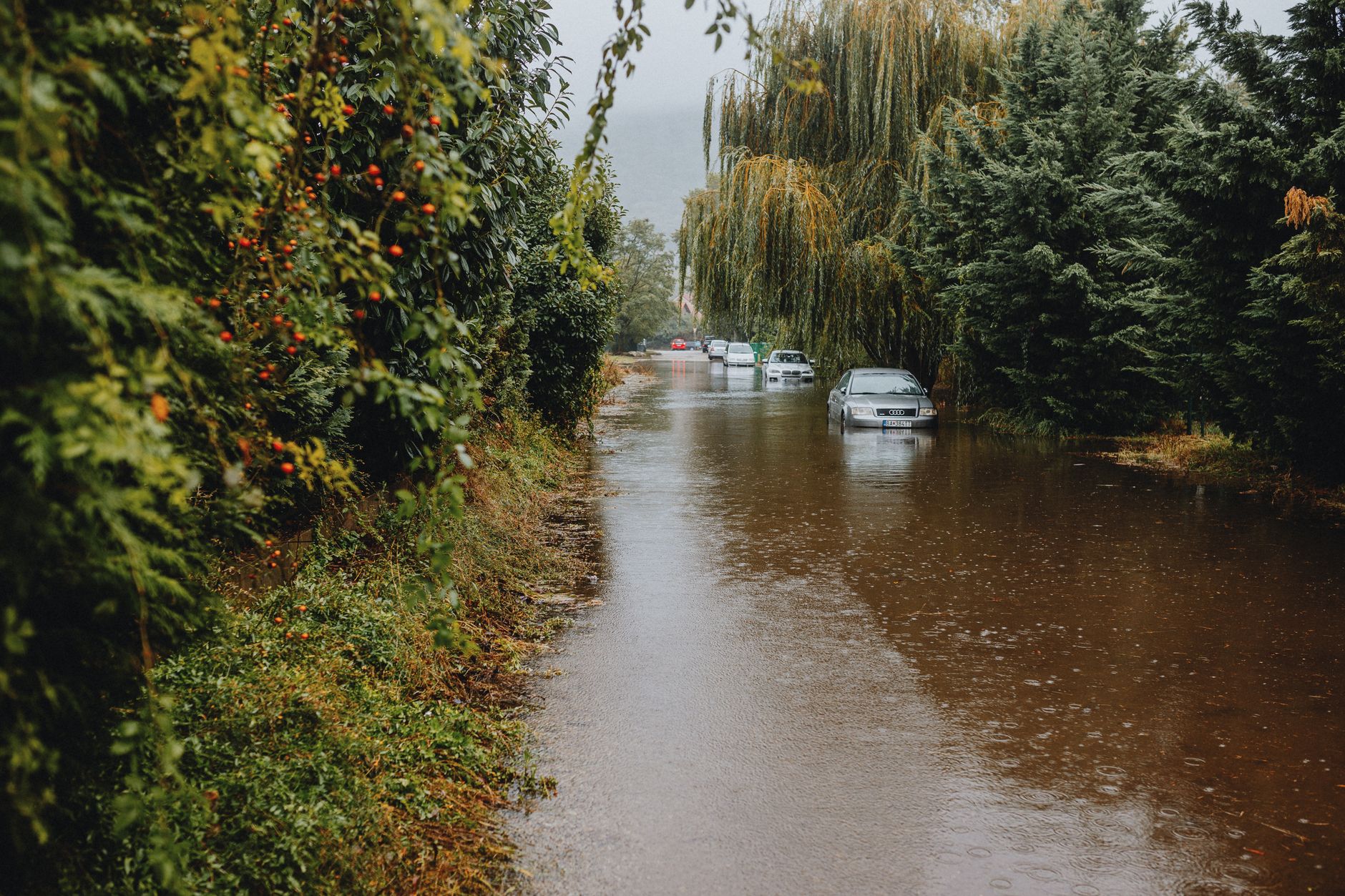
The flooding across parts of England and Wales over the past couple of winters has left a trail of written-off vehicles in its wake. Some of those end up crushed, which is exactly where they belong. But a significant number get dried out, valeted, and quietly fed into the used car pipeline through private listings, online auction platforms, and even some trade sales. Flood damaged cars in the UK used market are not a new problem, but the sheer volume of affected vehicles following recent high-profile flooding events has made it a live concern again in 2026.
I’ve spoken to a few traders at auction who’ve started running proper checks as a matter of habit rather than suspicion. The consensus is the same: these cars are getting harder to spot, because the people cleaning them up are getting better at it. So here’s what you actually need to know, whether you’re buying for the trade or for yourself.
Why flood damage gets disguised rather than declared
The legal position is straightforward enough. Under the Consumer Rights Act 2015 and the Road Traffic Act, sellers have a duty not to misrepresent a vehicle’s condition. A car that has suffered significant water ingress is a materially different product from a dry one, and failing to declare that is fraud. The Association of British Insurers maintains a database of written-off vehicles, and any car that’s been through an insurer as a Category B, C or N write-off should appear on a history check via services like HPI or Experian Automotive.
The problem is that plenty of flooded vehicles never make an insurance claim. The owner dries it out themselves, sells it privately before any faults develop, and moves on. No record anywhere. The next buyer finds out three months later when the ECU starts throwing fault codes or the dashboard cluster starts misbehaving. By then, tracing the original seller is difficult and civil recovery is expensive.
Physical checks that tell the real story
You can’t just rely on paperwork. The physical inspection is where flood damaged cars in the UK used market give themselves away, if you know what you’re looking for.
Start with the seat runners and under-carpet areas. Lift the boot carpet and the rear footwell mats if you can. Water leaves a tide mark, a faint ring of grime at the high-water level, and once you know what that looks like you’ll spot it every time. Rust on the seat runner bolts is another tell; those are usually zinc-coated from the factory and shouldn’t show surface rust on a car that’s only ever seen normal British wet weather.
Check the spare wheel well. Water pools here and stays for a long time after the rest of the car has been dried. Pull the spare out, look at the well floor and feel around the edges. If you find a musty smell or visible rust blistering that looks recent, take it seriously.
The fuse box is worth a close look. Both the main underbonnet fuse box and any interior fusebox should have clean, corrosion-free terminals. Greenish or white deposits on the contacts, or evidence of dried mud on any internal surface, suggest submersion. Same goes for the connector blocks behind the dashboard; if a valet can’t reach it with a cloth, neither could the person who cleaned the car after it flooded.
Electrical systems that fail weeks or months later
This is the really nasty part of buying a flood-affected car. The immediate symptoms are often manageable, a few warning lights, a sticky window, a blower motor that smells damp. But the delayed failures are where owners get hurt financially.
Body control modules and ECUs can function normally for weeks after immersion, then begin corrupting stored data as the residual moisture cycles through the electronics. Auto electricians across the UK are increasingly being called in to deal with fault codes that don’t match any clear mechanical cause, and water contamination of the module is frequently the answer. I’ve seen quotes for ECU replacement on mid-range family cars running from £600 to over £1,500 once you factor in programming and calibration.
Airbag systems are particularly vulnerable. Flood water in the wiring loom can corrode the airbag module and clockspring connectors, producing a permanent SRS warning light or, worse, an airbag system that appears normal but won’t deploy correctly in a collision. This is a genuine safety issue, not just a dashboard annoyance. Anyone buying from the used market should run a full diagnostic scan before purchase, not just an OBD check for engine codes.
Infotainment systems tend to fail slowly. The screen might work fine for a fortnight, then develop touch sensitivity issues or display corruption as internal oxidisation progresses. ABS and stability control modules are also worth checking; submerged wheel speed sensors and their harnesses can cause intermittent faults that are genuinely difficult to trace without knowing the vehicle’s history.
If you’re regularly buying at auction, it’s worth building a relationship with a competent auto electrician who can run a proper multi-system scan. That scan takes maybe forty-five minutes and can save you from a £2,000 problem. For more on the kind of electrical faults that emerge from bodged vehicle work, the issues are often similar to those covered in why UK auto electricians are being called in after botched towbar and trailer wiring jobs, water ingress and poor connections are a recurring theme.
History checks and what they actually cover
A standard HPI or similar vehicle history check will flag Cat B, Cat S and Cat N write-offs, outstanding finance, and stolen status. What it won’t catch is an uninsured flood car that was never written off. The gov.uk vehicle checker is useful for outstanding recalls but doesn’t hold flood damage data.
The V5C logbook is worth scrutinising too. The DVLA’s digital rollout has improved record accuracy, but a paper V5C can still be cloned or tampered with. Look at the registered keeper history: multiple owners in a short period, or a gap in service history around the time of a known flooding event, should prompt more questions. There’s a detailed breakdown of how trader history checks are changing in the article on the DVLA’s digital logbook rollout and vehicle history checks.
Post code trail is worth considering too. If a car was registered or last owned in an area that suffered severe flooding, and it came to market shortly afterwards, that context matters. The Environment Agency publishes flood risk maps that are publicly available and it takes two minutes to cross-reference a post code.
What sellers are legally required to declare
For traders operating under FCA-regulated consumer credit agreements or selling to private buyers, misrepresentation of a vehicle’s condition as part of a sale can constitute a criminal offence under the Fraud Act 2006, not just a civil claim. The Trading Standards definition of a satisfactory quality vehicle under the Consumer Rights Act specifically includes freedom from hidden defects, and water damage that isn’t declared falls squarely into that category.
Private sellers occupy a different legal position, with the traditional caveat emptor principle applying more readily, but deliberate concealment of known damage is still actionable. The practical problem is enforcement. Trading Standards teams are stretched, and pursuing a private seller through the courts for a few thousand pounds is often not worth the cost and stress for the buyer.
For traders buying stock, the best protection is a thorough pre-purchase inspection and a clear paper trail. If you’re buying at auction and the car is described without flood history mentioned, and you subsequently find evidence of it, you have grounds for a claim against the auction house. Keep records of every check you carry out.
The broader picture of how part condition and concealed damage feeds into the theft and fraud landscape is one I’ve covered before, and the same vigilance applies here as it does to the evolving car part theft problem on UK forecourts. The common thread is cars entering the market with hidden histories, and the people buying them bearing the cost.
Flood damaged cars in the UK used market will remain a problem as long as flooding events keep happening and the profit margin on a cleaned-up write-off is big enough to tempt people. The checks exist. Use them every time.