

Every few weeks I speak to someone who has left a main dealer or a busy independent garage and is seriously thinking about going mobile. The appeal is obvious: no rent, no boss, no being stuck on a ramp all day doing jobs someone else chose for you. What people underestimate, almost without exception, is how much money leaves your account before you even open the bonnet for your first paying customer. Mobile mechanic van setup costs in the UK are genuinely higher than most people expect, and the running costs have a habit of ambushing you in year two when the initial excitement has worn off.
This is not a guide designed to put you off. Going mobile works well for plenty of mechanics across the country. But I want to give you the actual numbers, not the optimistic version you find on forum posts written by people who forgot to account for half their outgoings.
The van itself: your biggest single cost and your biggest decision
The van is not a tool. It is your workshop, your advertising board and your professional credibility on four wheels. A tatty, unreliable van will cost you jobs. Most experienced mobile mechanics I know run something in the Ford Transit Custom, Vauxhall Vivaro or Mercedes Sprinter bracket. A decent used example with a sensible mileage, say 60,000 to 90,000 miles, three to five years old, will set you back somewhere between £12,000 and £22,000 depending on spec, age and condition.
Do not buy the cheapest van you can find. The irony of a mobile mechanic whose van breaks down mid-job is real, and it costs you in reputation as much as in breakdown fees. Budget £500 to £1,500 on top of purchase for a proper racking and shelving fit-out so your tools are organised and secure. Some mechanics spend considerably more on bespoke racking setups, which is fine if the budget allows, but the basics work perfectly well.
Van finance is an option many use. A typical hire purchase deal on a £16,000 Transit Custom might cost you £280 to £350 per month over four years, depending on deposit and interest rate. Factor that in from day one.
Tools: the number that always shocks people
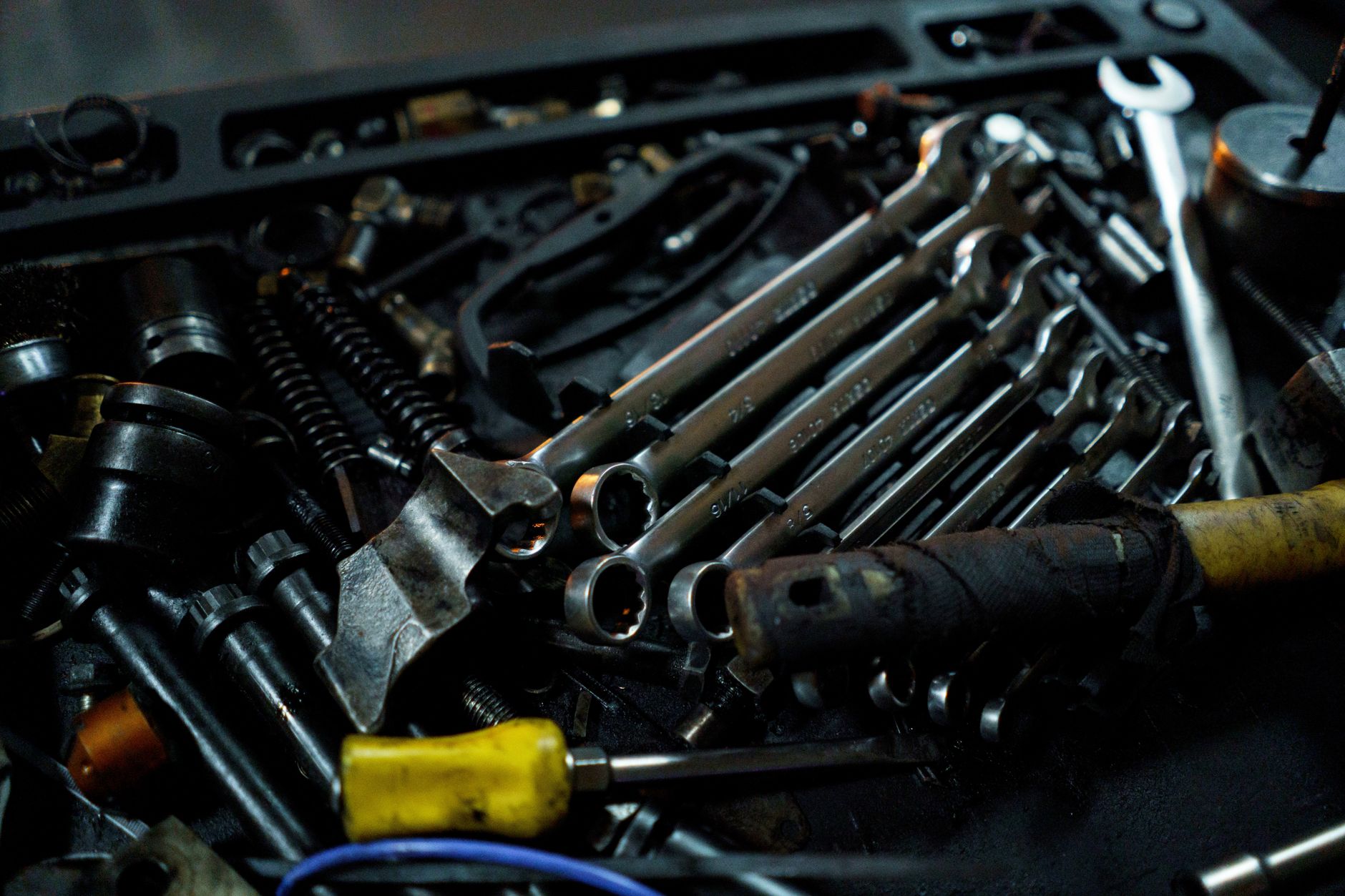
If you are moving from a garage, you probably own a solid personal tool set already. That helps, but it does not cover everything you need for mobile work. You will need a quality OBD diagnostic tool capable of reading live data and performing bi-directional tests across the full range of cars you intend to work on. Cheap readers from the internet will not cut it. A mid-range professional unit such as an Autel MaxiSys or Launch X431 costs between £800 and £2,000 new. Add annual software subscriptions on top, typically £200 to £400 per year.
A battery support unit, torque wrenches across multiple drive sizes, a decent compressor, jump leads, a brake bleeding kit, engine support bar and a set of axle stands are all non-negotiable. If you intend to do air conditioning work, you need an AC machine, which alone can cost £1,500 to £3,500 for a unit that handles refrigerant recovery properly. All in, if you are starting with minimal tools, a realistic tool budget is £5,000 to £12,000. Even if you already own half of what you need, expect to spend £2,000 to £4,000 filling the gaps.
Insurance: the bit that catches new starters off guard
Standard van insurance does not cover you for working on vehicles. You need a combined motor trade insurance policy that includes road risk cover, public liability and, if you are employing anyone, employers’ liability. Public liability alone for a sole-trader mobile mechanic typically runs between £400 and £900 per year, depending on turnover and the type of work you do. Road risk cover for a mobile mechanic van adds another layer of cost on top of that.
If you intend to test-drive customers’ vehicles after repairs, make sure your policy explicitly covers this. Many mechanics have found out the hard way that their policy had gaps. Get quotes from specialist motor trade insurers rather than comparison sites, which rarely return useful results for trade policies. The trade body the Retail Motor Industry Federation (RMF) can point you towards approved insurers if you are unsure where to start.
DVSA compliance and what it actually means for mobile mechanics
You do not need a DVSA authorisation to carry out routine servicing and repairs as a mobile mechanic. However, if you want to carry out MOT tests, you need an approved test station with permanent premises, that rules out the driveway setup entirely for testing purposes. What you do need to consider is whether any of the vehicles you work on are commercial vehicles subject to roadworthiness regulations, which brings its own compliance obligations.
Where DVSA compliance matters most to mobile mechanics is in the handling of refrigerant. Under F-Gas regulations, working on vehicle air conditioning systems and recovering refrigerant requires a City and Guilds 4161-21 qualification. Operating without it is illegal and can result in substantial fines. If you plan to offer AC work, and the margins on it are good, budget around £300 to £500 for the course and certification if you do not already hold it.
Waste disposal: a legal obligation, not a choice
This is one of the most overlooked areas of mobile mechanic van setup costs in the UK. When you drain engine oil, replace brake fluid, remove old filters or swap out batteries, you are generating controlled waste. You cannot pour it down a drain, leave it in a customer’s wheelie bin or stick it in a skip. You need a registered waste carrier licence (free to apply for via the Environment Agency) and you need a legitimate disposal route for every category of waste you generate.
Most mobile mechanics use a combination of local garage accounts (paying them to take waste oil, for example) or registered waste collection services. Budget £20 to £60 per month depending on the volume of work you do. It sounds minor, but failing to comply with waste regulations can lead to unlimited fines under the Environmental Protection Act 1990, which is not a risk worth taking. Our piece on how UK garages are legally required to handle waste oil, tyres and refrigerant covers the regulatory detail in full, and it applies equally to mobile operations.
Realistic earnings: what different regions actually look like
The earning ceiling for a mobile mechanic in the UK varies significantly by location. In London and the Home Counties, day rates of £300 to £500 are achievable once you are established, with some specialists charging considerably more. In the North West, Yorkshire, the Midlands and Scotland, £180 to £300 per day is more typical for a sole trader doing general servicing and repair work.
Here is the thing most people do not calculate honestly: a full day does not mean eight billable hours. Factor in travel time between jobs, parts collection, admin, VAT returns (if you register, and if your turnover hits the current threshold of £90,000 you must), marketing, quoting and the occasional job that takes longer than expected. Many mobile mechanics I know realistically bill five to six hours of labour per day, not eight. At £50 per hour labour rate, that is £250 to £300 gross before costs. At £65 to £70 per hour, which is achievable in many areas once you have built a reputation, it looks considerably better.
Parts margins matter too. Mobile mechanics who supply parts rather than asking customers to source their own typically add 20% to 30% to the cost price. On a busy week that can add £100 to £200 to the bottom line. It requires working capital and good supplier relationships, but it is worth building from early on.
The running costs that creep up on you
Fuel is the obvious one. A Transit Custom doing 800 to 1,200 miles per week, which is realistic in a busy patch, will drink through £80 to £120 in diesel at current pump prices. That is over £5,000 per year before anything else. Van servicing, tyres (those racking systems are heavy), phone and data costs for your diagnostic tools, accounting software or an accountant, and professional memberships all add up quietly.
The waste handling obligations I mentioned earlier sit alongside these monthly running costs, and so does the annual renewal of your diagnostic tool subscriptions. A realistic figure for all running costs excluding the van finance, insurance and your own labour is £800 to £1,400 per month for a busy sole trader.
The total picture on mobile mechanic van setup costs in the UK, from cold start to your first paid job, typically lands between £20,000 and £40,000 when you account for van purchase, tools, racking, insurance, certifications and initial working capital. Some people get started more cheaply by buying an older van and building up tools gradually. That is valid, but it carries its own risks. Going in with your eyes open is worth far more than a spreadsheet that only shows the optimistic column.
Frequently Asked Questions
How much does it cost to set up as a mobile mechanic in the UK from scratch?
A realistic total to go from nothing to your first paid job is between £20,000 and £40,000, covering van purchase, racking, tools, diagnostic equipment, insurance and working capital. You can start more cheaply with an older van and a basic tool set, but the hidden costs of skimping on diagnostics or insurance tend to surface quickly.
Do mobile mechanics in the UK need any special licences or qualifications?
There is no single licence required for general servicing and repair work as a mobile mechanic. However, if you want to handle vehicle refrigerant for AC work, you need a City and Guilds 4161-21 F-Gas qualification, which is a legal requirement. You also need a registered waste carrier licence from the Environment Agency to transport waste oil and other controlled waste from job sites.
What insurance does a mobile mechanic need in the UK?
You need a specialist motor trade insurance policy covering road risk, public liability and, if you employ anyone, employers’ liability. Standard van insurance does not cover you while working on customers’ vehicles. Policies typically cost between £400 and £900 per year for public liability alone, with road risk adding further cost depending on your vehicle and work type.
How much can a mobile mechanic realistically earn per year in the UK?
A sole-trader mobile mechanic working five days a week in a suburban or rural area can realistically gross £40,000 to £65,000 per year before costs. In London and the South East the ceiling is higher, often £70,000 or more for specialists. After van finance, fuel, insurance and other running costs, net take-home for a well-run operation typically sits between £28,000 and £48,000.
Can mobile mechanics legally dispose of waste oil by giving it to customers or using public skips?
No. Waste oil, brake fluid, old filters and batteries are all classified as controlled waste under the Environmental Protection Act 1990. Mobile mechanics must hold a registered waste carrier licence and use legitimate disposal routes such as licensed waste collectors or arrangements with registered garages. Illegal disposal can result in unlimited fines.
Leave a Reply