

Modified cars MOT failures come down to a short list: anything that makes the car unsafe, noisy, dazzling or unrecognisable against its registration details. A modification is not an automatic fail. A tester fails what they can see, measure or hear on the day, and your insurer cares about something different: whether you told them.
Here is how I would work through a modified car before it goes anywhere near a test lane, with the reasoning behind each step.
How do you check a modified car before an MOT?
Work through the car in the same order a tester does: lights, steering and suspension, body and structure, exhaust and emissions, glass and visibility. The numbered steps below cover the four mods that cause most of the arguments.
- Check the ride height and suspension geometry. Lowering is not a failure in itself. Testers fail what lowering does: tyres rubbing on the arch or bodywork, springs that are cut, coil-bound or insecurely fitted, excessive wear in bushes and joints, and brake pipes or hoses stretched or fouling. Look at the inner tyre edges for rubbing and make sure the car still steers cleanly through full lock. Negative camber that has chewed the inner shoulder of a tyre down to the cords is a tyre failure all by itself.
- Look at the exhaust, then listen to it. The MOT tests the exhaust for security, leaks and condition, and the noise level can be judged too. A tester can fail an exhaust that is obviously much louder than a standard system would be, and a measured sound test is possible. Removing or hollowing out a catalytic converter or diesel particulate filter is a bigger problem: the tester checks that a filter fitted as standard is still present, and an emissions test on a modified engine will expose a missing cat quickly. Stick to a quality cat-back system and keep the original cat.
- Measure the tint. Glass rules are specific. The windscreen must let through at least 75% of light and the front side windows at least 70%, and the tester checks these with a meter. A tint strip across the top of the windscreen is tolerated within the area the rules allow, but a full dark film on the front glass is a fail. Rear windows are not covered by the same light-transmission limits, though a fitted rear screen must still leave you a usable view, particularly if there is no passenger-side or driver-side mirror cover for it.
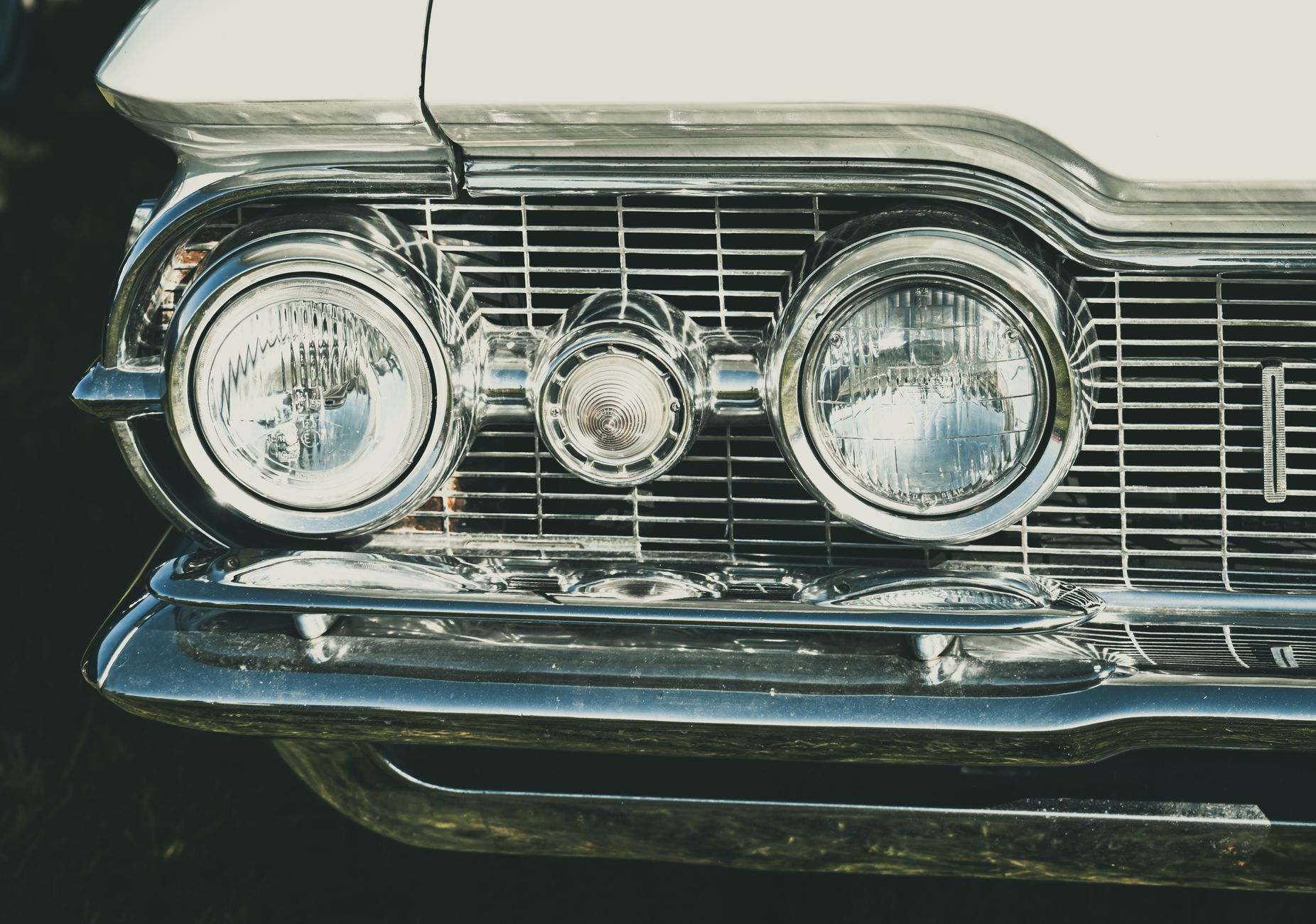
- Inspect aftermarket lighting. Lights must be the right colour, correctly aimed, working and fitted in an approved manner. White or amber at the front, red at the rear, and no flashing or blue lights. Cheap LED bulbs retrofitted into halogen reflector housings scatter light, and testers can fail headlamps for dazzle or a poor beam pattern on the beam tester. Underglow is the other trouble spot: coloured lighting visible while driving is not allowed, and a tester may fail it as a dangerous or prohibited fitting. Keep a sealed OE-style or e-marked unit, and check aim after any suspension change, because a lowered car throws the beam pattern off.
- Match the car to its paperwork. If you have changed the engine, colour or fuel type, the V5C needs updating through the DVLA. A tester will notice a car whose colour or details do not match, and so will an insurer after a claim.
- Tell your insurer, in writing. This is where the real money is lost. Insurers treat modifications as material facts. If you fit new wheels, a remap, lowered springs or an exhaust and do not declare them, a claim can be reduced or refused, and the policy can be cancelled. Declare each change, get the updated schedule back, and expect a higher premium or a different insurer. Specialist modified-car insurers exist because mainstream providers often decline.
The legal baseline for what is and is not allowed is the DVSA’s official guidance on what is tested, which is worth reading from the source at gov.uk MOT guidance.
What do testers fail most often on modified cars?
Tyres, lights and exhausts account for most of what turns up. In my experience, testers are rarely hostile to modified cars. They are looking at a short checklist, and a build that has been done properly passes it without drama. The failures cluster where cost has been cut: cheap coilovers with a worn mounting, stretched tyres on narrow rims, budget LED conversions, and exhausts with poorly welded joints.
Stretched tyres deserve a mention. A tyre pulled onto a rim much wider or narrower than it was designed for can fail on sidewall condition or insecure seating, and it is an insurer’s headache too if the tyre lets go.
Where can you see what is actually on the road?
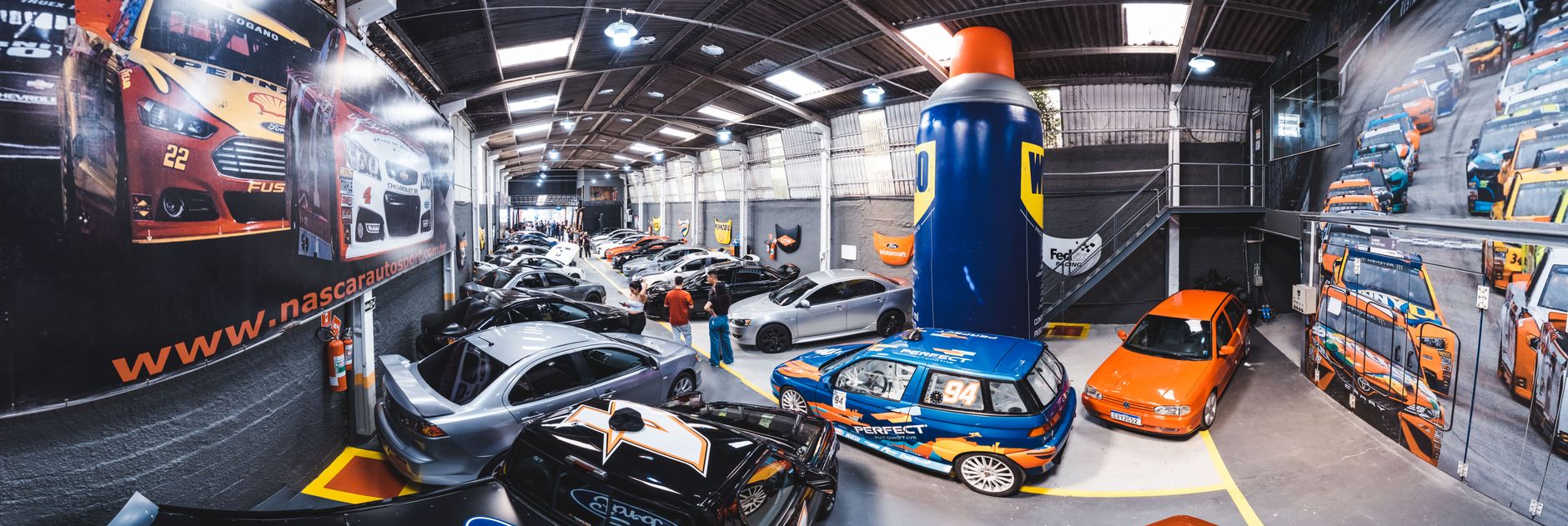
Shows and meets are a free education. Walking around a good one tells you what people are fitting, which mods are done well, and what an MOT tester is likely to meet next month on a Monday morning. If you want to see what the scene looks like locally, the listings for car cruise meets midlands uk 2026 are a sensible place to start, and the same applies wherever you are in the country.
Look at the details on the cars that have clearly been tested and driven: ride height with usable clearance, wheels sitting inside the arches, lights that are properly aimed. Then look at the ones that would struggle. Talk to owners about what passed and what did not, because the answers are often more honest in a car park than on a forum.
What should workshops tell customers with modified cars?
Give them a plain list before the test. Garages doing MOT prep see the same problems repeatedly, and a ten-minute pre-check saves a retest. Cover the following:
- Tyre clearance and inner-edge wear at full lock and over a bump.
- Headlamp aim after any ride height change.
- Exhaust security, leaks and whether a cat or filter is still fitted.
- Tint readings on the windscreen and front side glass.
- Any warning lights left behind after electrical fitting. Poorly integrated accessories can leave faults that show up later, which is covered in our piece on intermittent fault codes that clear themselves.
A car with an engine management light on is an automatic MOT fail, so clear the fault properly rather than just the code.
What is the practical next step?
Book the car in for a pre-MOT inspection before the real test, ring your insurer with a written list of every modification, and keep receipts and fitting documents in the glovebox. If a mod is reversible, such as a set of standard springs or a standard exhaust, keep the originals. They are the cheapest insurance against a failed test.
Frequently Asked Questions
Can you fail an MOT for lowered suspension?
Not for the lowering itself. You can fail if the lowered car has tyres rubbing on the bodywork, damaged or insecure springs, stretched brake hoses or excessive wear in suspension components. Keep sufficient clearance and check the tyres’ inner edges.
What is the MOT tint limit for car windows?
The windscreen must let through at least 75% of light and the front side windows at least 70%. Testers use a meter to check this. Dark film on front glass is a common fail on modified cars.
Do I have to tell my insurer about modifications?
Yes. Insurers treat modifications as material facts, so unrevealed changes can lead to a reduced or refused claim or a cancelled policy. Declare every change, including wheels, remaps and exhausts, and keep the updated policy documents.
Is a loud exhaust an MOT failure?
It can be. Testers can fail an exhaust that is excessively noisy compared with a standard system, and a sound test can be carried out. Leaks, insecure mounting and a missing catalytic converter or particulate filter are also failures.

Leave a Reply