

Most traders treat number plate cloning as somebody else’s problem until a penalty notice lands on the desk, and that is the wrong way round. Number plate cloning in the UK motor trade is a business risk, not just a motorist’s headache, and the dealer who has no process for it will lose time and money and could lose a customer’s trust. My view is simple: cloning is cheap for criminals and expensive for you, so the only sensible response is to prepare before it happens.
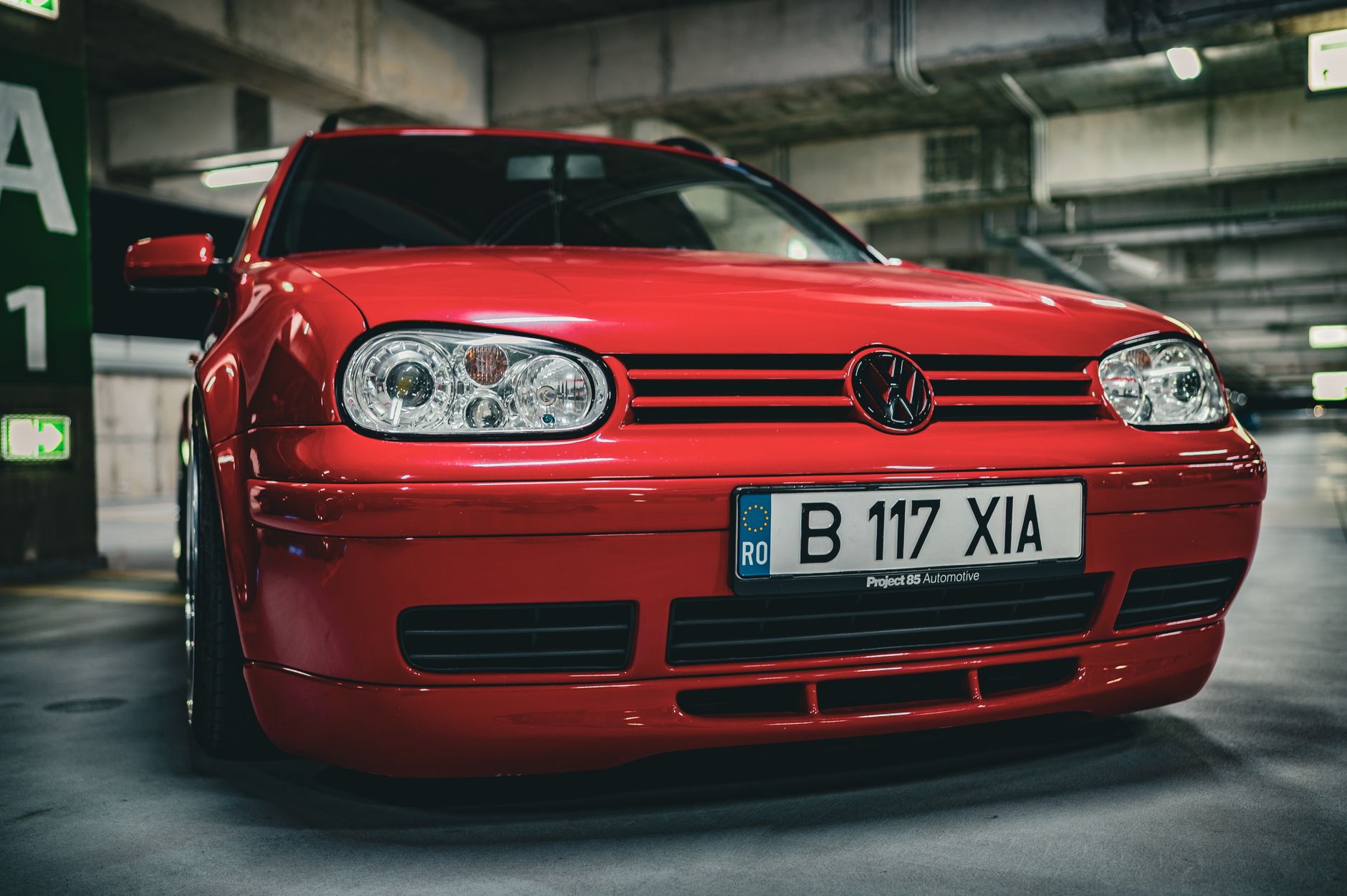
Cloning means a criminal copies the registration of a genuine vehicle of similar make, model and colour and fits it to another car, usually to dodge fines, tolls, congestion and clean air charges, to avoid fuel-theft consequences, or to disguise a stolen vehicle. The genuine keeper receives the paperwork. If that genuine car is yours, or one you sold last month, the phone starts ringing.
Why traders are exposed
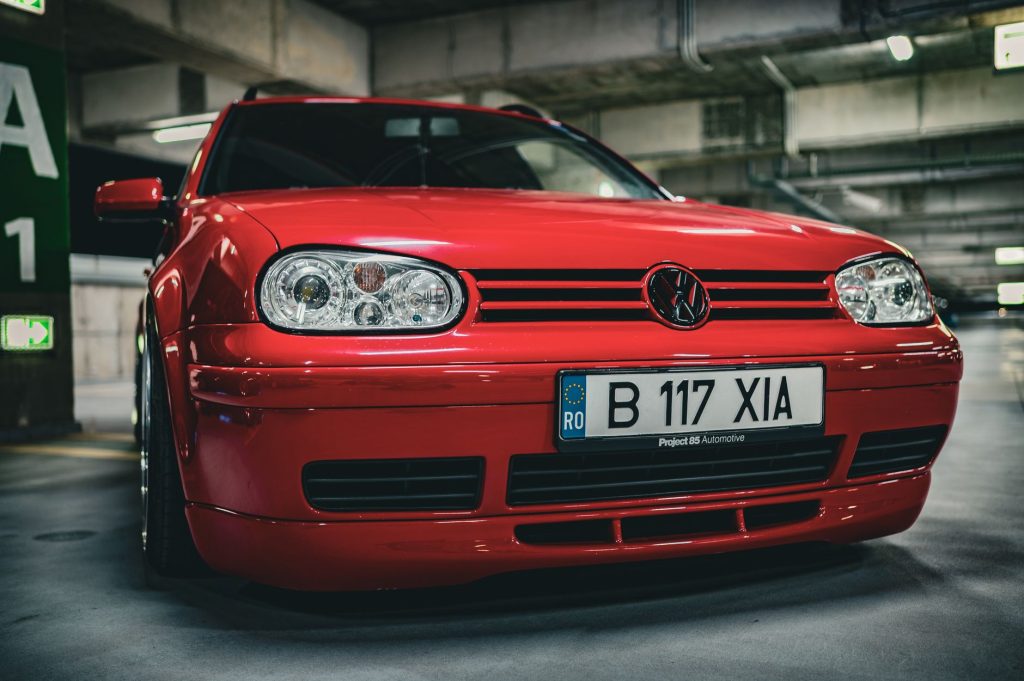
Forecourt stock is photographed from every angle and published online with the registration visible. That gives a would-be cloner a ready-made catalogue: make, model, colour and plate in one place. Recently sold cars are exposed too, because a keeper change can lag behind the real world, and an old listing can stay live for months.
I would argue the objection here is fair: you cannot hide your stock, and blurring every plate is a hassle that buyers dislike. True. But blurring plates in published photos costs you very little, and a buyer who wants to see the plate can see it when they visit. Making the criminal’s job slightly harder is a better trade than answering fines you did not earn.
How is number plate cloning identified?
Cloning is usually identified when the genuine keeper receives a penalty notice, parking charge, toll bill or letter about an offence in a place the car has never been. Other signs are an ANPR hit that does not match the vehicle, or a vehicle check showing a car that does not match the DVLA record.
For traders, the practical checks are these:
- Compare the make, model, colour and fuel type on the V5C and the DVLA record with the vehicle in front of you.
- Check the VIN on the car, the V5C and any history check all agree.
- Look at the plates themselves: odd fonts, spacing, a non-standard supplier mark or a flimsy finish can point to a copy.
- Ask yourself whether the price, the seller and the story hang together.
A car arriving at auction or part-exchange with a perfectly legitimate-looking plate can still be the clone. The VIN is what matters, and it should be physically checked every time.
What should you report to the DVLA?
If you believe a plate has been cloned, tell the police first, because cloning is a crime, and then contact the DVLA so the record can be flagged. Keep the details to hand: the registration, the V5C, the penalty notices and any photographs of the genuine vehicle that show it was elsewhere. Current reporting routes and forms are on GOV.UK, and I would check there for the latest wording rather than rely on memory.
The DVLA will not simply change a registration on request, but where cloning is established it can look at issuing a replacement number for the genuine vehicle. That has consequences for a trader, because a re-registered car needs its adverts, paperwork and any customer information updated.
Police Scotland and England and Wales: who handles what?
In England and Wales the report goes to the local police force, usually through the non-emergency route, and the force decides whether to investigate. In Scotland the equivalent is Police Scotland, using its non-emergency number. The legal systems differ, but the practical step is identical: report it, get a crime reference number and keep it.
That crime reference is the document that matters. When a council, a toll operator or a parking company sends a notice for something your car did not do, the reference number, plus evidence of where the vehicle really was, is how you contest it. Without it you are simply arguing.
What if a car you sold is cloned?
If a car you have already sold is cloned, the new keeper is the one receiving the notices, but they will often call the dealer first. Your legal position depends on the facts, but the sensible response is to help: confirm the sale date, supply your records and photographs, and point them to the police and DVLA routes. Your sale records are your defence. If the keeper change was processed promptly, and you can show it, notices sent to you for a car you no longer own are easy to knock back.
It is worth reading our piece on the DVLA digital logbook and vehicle history checks, because quicker, cleaner keeper updates close one of the gaps cloners rely on.
Steps traders should take now
- Blur or crop registrations in published photos and videos.
- Record the date and time of every sale and process the keeper change on the day.
- Photograph the VIN and plates on every car you take in and every car you hand over.
- Keep a simple log of notices received for cars not in your stock, with the matching sale record.
- Brief staff on who reports to police and the DVLA, so nothing sits in a drawer.
- Check your motor trade policy for how it treats disputes over fines and stolen identity; our guide to motor trade insurance is a good place to start.
None of this is expensive. A blurred photo and a same-day keeper update cost nothing, and a crime reference number plus a sale record will settle most disputes. Put the process in writing this week, so the next cloned plate costs you an afternoon rather than a month.
Frequently Asked Questions
Is number plate cloning illegal in the UK?
Yes. Fitting a copied registration to another vehicle is a criminal offence, usually linked to fraud, evasion of charges or hiding a stolen car. Having a plate cloned is not your fault, but you should report it to the police and DVLA promptly.
What should I do if I get a fine for a car I have never owned?
Do not ignore it. Contact the issuer, say the vehicle may have been cloned, and report it to the police to get a crime reference number. Supply that number with evidence of where your vehicle was at the time.
Can the DVLA change a registration number if my plate is cloned?
In some cases the DVLA can issue a replacement registration for the genuine vehicle where cloning is established. It does not do so automatically, so you need to report the cloning and follow the process set out on GOV.UK.
How can I tell if a car I am buying has cloned plates?
Check the VIN on the car matches the V5C and the DVLA record, then compare make, model and colour. Look for poor-quality plates, mismatched details and sellers whose story or price does not add up.

Leave a Reply