
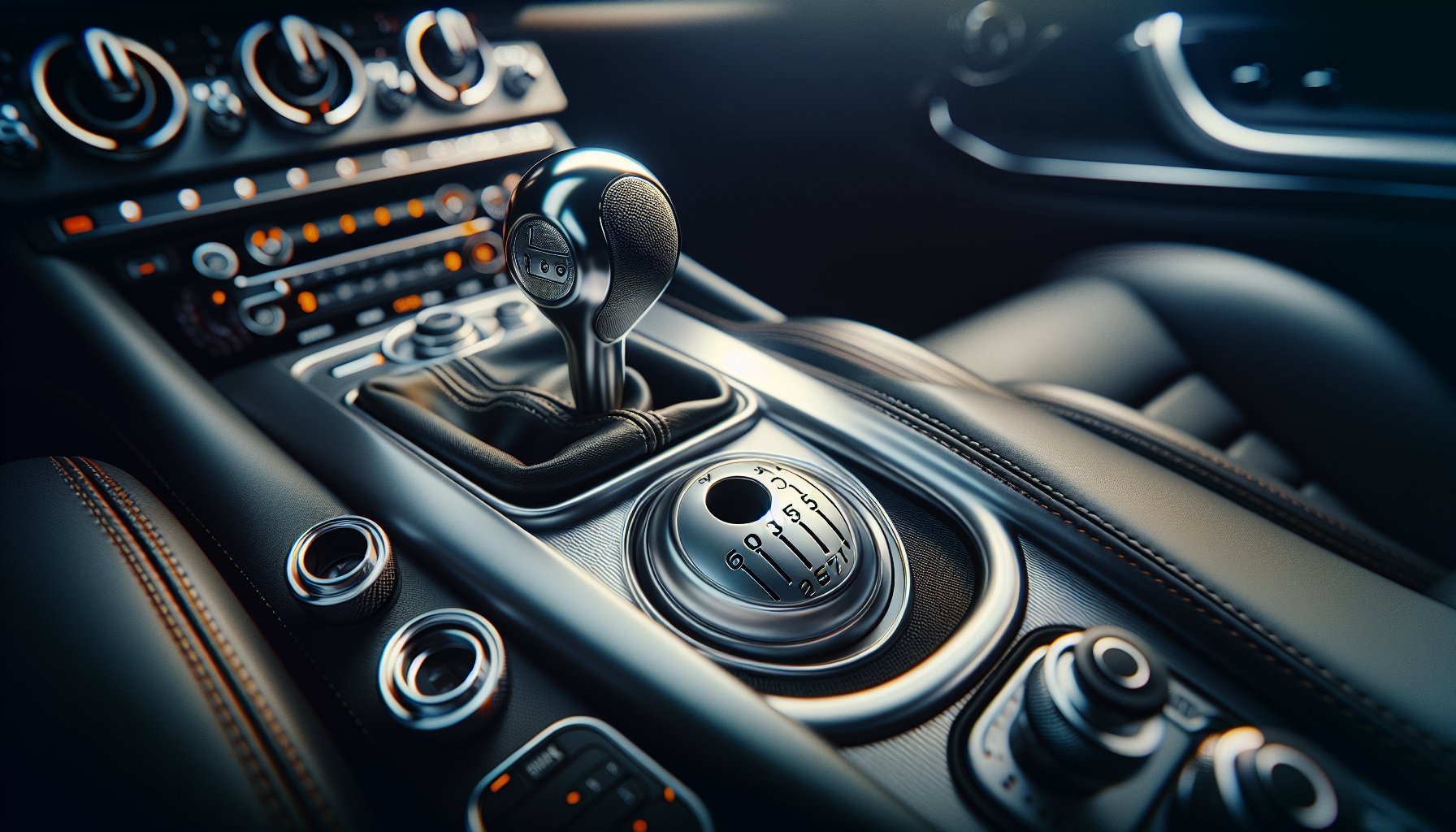
The manual gearbox is not dead yet – but it is on life support. Walk into any mainstream car showroom in the UK today and the shift away from three-pedal driving is impossible to ignore. Models that once came exclusively with a manual option now list it as a footnote, and in several segments it has vanished entirely. For the motor trade, this is not just a curiosity – it is reshaping used car values, auction dynamics, and the skill set demanded of technicians.
Which New Cars Have Already Dropped the Manual Gearbox?
The retreat is most pronounced at the premium and executive end of the market. BMW no longer offers a manual gearbox on any 5 Series or X-range model. Audi’s A6 and Q5 are automatic-only. Mercedes-Benz has effectively cleared the manual from every C-Class and above. Even Ford, a brand historically associated with driver-focused three-pedal cars, dropped the manual from the Focus ST – one of the most beloved hot hatches in the trade – citing declining take-up rates.
The supermini and small family car segments are holding on a little longer, largely because fleet and retail buyers in that space remain cost-sensitive. The Vauxhall Corsa, Volkswagen Polo and Renault Clio still list manual variants, but the trend line is clear. As electrification accelerates, the manual transmission becomes structurally incompatible with hybrid and EV powertrains, and manufacturers are simply not investing in developing new manual units.
Why Enthusiast Demand Is Keeping Certain Manuals Alive
Not every manufacturer is walking away from the manual gearbox quietly. Honda made a deliberate, well-publicised decision to keep a six-speed manual available in the Civic Type R, and the response from buyers was emphatic. Toyota offers a manual in the GR86 and GR Yaris – and waiting lists for both have been substantial. Mazda has consistently championed the manual in its MX-5, treating it as a core part of the car’s identity rather than a cost option.
What these models share is an enthusiast buyer profile. These are people who actively seek out a manual gearbox rather than simply accept it as the default. That shift in psychology matters enormously to the trade. When a manual transmission is a deliberate choice rather than the cheap option, it carries a different residual value profile – one that dealers and fleet managers have had to recalibrate around.
Track day culture, motorsport participation at club level, and a growing number of drivers who genuinely prefer the engagement of a third pedal are propping up demand in a way that pure sales data sometimes obscures. These buyers are also typically more loyal, more informed, and less likely to haggle on price – which makes manual-specced sports cars genuinely attractive stock for specialist used dealers.
What Is Happening to Manual Gearbox Cars at Auction?
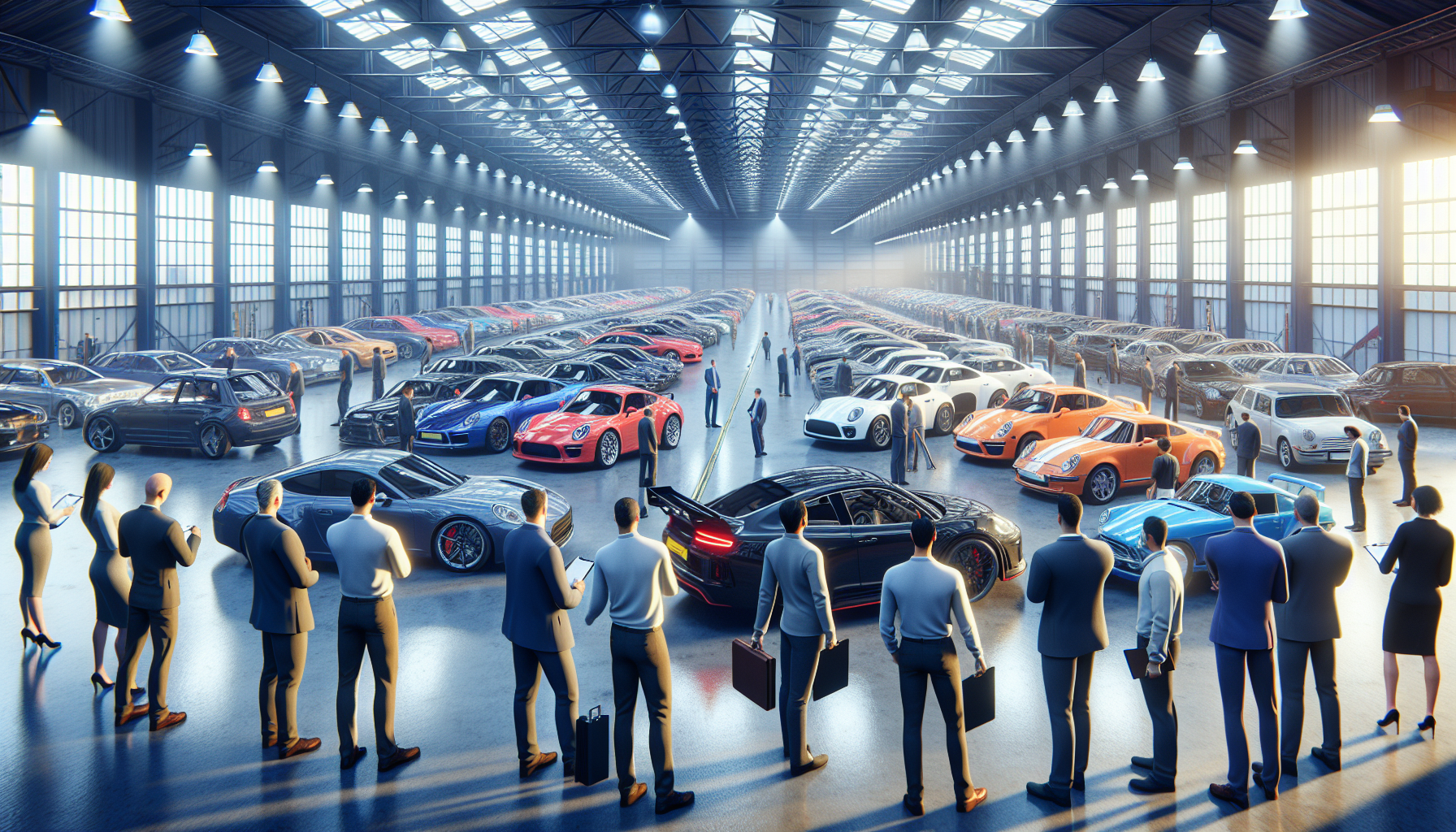
Auction houses have noticed a meaningful divergence in the behaviour of manual and automatic used cars over the past few years. For mainstream family cars – B-segment hatchbacks and compact SUVs – manual gearbox examples are quietly softening in value. Buyers in that market increasingly default to automatic, partly due to London’s congestion and partly driven by the prevalence of automatics in courtesy car fleets and rentals, which has normalised the experience.
However, for performance cars and sports-oriented models, a these solutions has become a premium indicator rather than a cost-saving feature. A manual Honda Civic Type R or a manual Porsche 718 Cayman commands a premium over its PDK equivalent at the right auction. Trade buyers know this and bid accordingly. At Manheim and BCA sales, bidding on sought-after manual sports cars regularly runs 8-15% higher than on equivalent automatics in the same condition and mileage band.
This bifurcation is creating a genuine strategic consideration for dealers. Buying a manual Ford Puma or manual Vauxhall Astra for retail stock carries more risk than it did five years ago because the buyer pool is narrowing. Buying a manual Mazda MX-5 or a three-pedal hot hatch, on the other hand, carries a scarcity premium that is only likely to grow.
Implications for Motor Trade Skills and Workshop Business
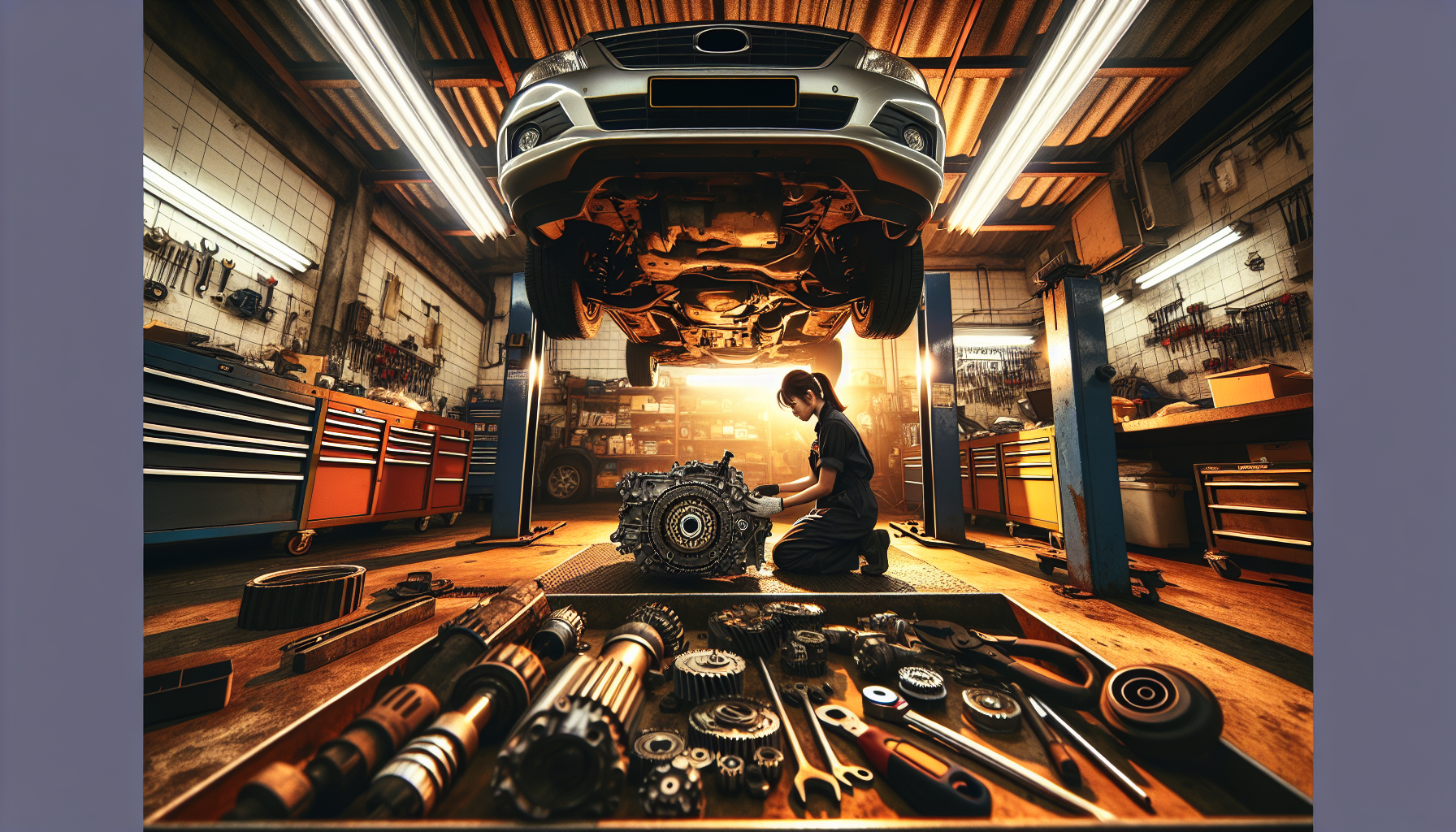
There is a less-discussed consequence of the these solutions decline that matters enormously to independent workshops and franchised dealers alike: the gradual erosion of manual transmission expertise. Clutch replacements, gearbox rebuilds, and the diagnostics associated with a worn selector mechanism are bread-and-butter work for many independent garages. As the parc of manual cars ages and shrinks, that revenue stream will thin out over the next decade.
Technicians who specialise in traditional manual drivetrain work will need to transition towards dual-clutch and automatic transmission servicing – a different skill set that requires specific tooling and training. The dual-clutch gearbox in particular, now found across Volkswagen Group, Ford and many Korean models, generates its own wave of service and repair work, but the fault patterns and fluid requirements are substantially different from a conventional manual unit.
Forward-thinking garages are already investing in dual-clutch and automatic transmission training. Those that are not may find themselves in a difficult position as the manual-heavy vehicles in their local parc age out of economic repair.
Is the these solutions Worth Stocking?
For trade buyers, the answer depends entirely on the segment. In performance and sports car stock, a these solutions is increasingly a positive differentiator – stock it where you can find it at a sensible buy price. In mainstream family car retail, the risk profile of a manual has shifted and buyers should price accordingly, reflecting a smaller but still present pool of prospective customers.
The these solutions is not disappearing overnight. But the motor trade needs to treat it as a specialist item rather than a default – because that is exactly what it is becoming.
Manual gearbox FAQs
Are manual gearbox cars becoming harder to buy new in the UK?
Yes, significantly so. Most premium and executive cars have already dropped the manual option entirely, and even mainstream manufacturers are reducing manual availability as electrification makes three-pedal drivetrains structurally incompatible with hybrid and EV powertrains. Superminis and entry-level hatchbacks are among the last holdouts, but the trend is clear across the board.
Do manual gearbox cars hold their value better than automatics?
It depends on the type of car. In sports and performance models – think Mazda MX-5, Honda Civic Type R, or Toyota GR86 – a manual gearbox can command a meaningful premium over an automatic equivalent because enthusiast buyers specifically seek them out. In mainstream family cars and SUVs, manual examples are increasingly softening in used value as the buyer pool narrows and automatics become the expected default.
Which new cars still offer a manual gearbox in the UK?
As of now, models like the Mazda MX-5, Honda Civic Type R, Toyota GR Yaris, Toyota GR86, and several entry-level superminis including the Volkswagen Polo and Renault Clio still list manual gearbox options. Sports and driver-focused models are the most reliable place to find new manuals, as manufacturers in that niche treat the manual transmission as a core part of the car’s appeal.
How does the decline of manual gearboxes affect car mechanics and workshops?
Traditional manual transmission work – clutch replacements, gearbox rebuilds, selector repairs – will gradually diminish as the parc of manual cars ages and shrinks. Workshops will need to invest in training and tooling for dual-clutch and automatic transmission servicing to replace that revenue. The transition is not immediate, but garages that are not planning for it now risk a significant gap in their service offering over the next ten years.
Why do enthusiasts prefer manual gearboxes even as automatics improve?
For enthusiast drivers, a manual gearbox provides a level of direct connection and control that even the fastest dual-clutch automatic cannot replicate in feel. The physical involvement of clutch control and gear selection is considered part of the driving experience rather than an inconvenience. At track days and club motorsport events, the manual also offers more predictable, driver-controlled behaviour under hard use, which is why demand among that group remains resilient.
Leave a Reply