

The surge of Chinese electric car brands in the UK is no longer a future prediction – it is workshop reality. Cars are landing in volume, values are shifting and every corner of the trade, from franchised dealers to back-street specialists, needs a plan for how to service, diagnose and trade these vehicles profitably.
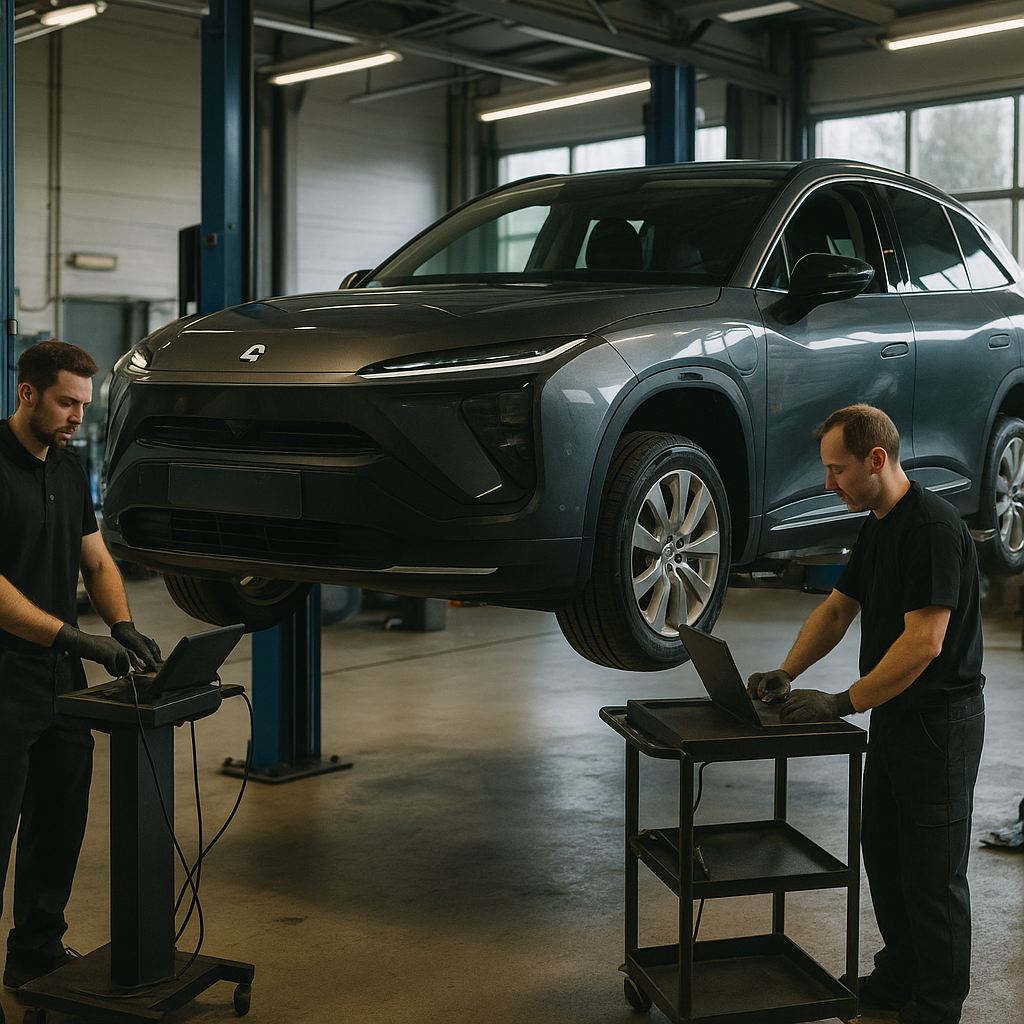
Why Chinese electric car brands in the UK are arriving so fast
Chinese manufacturers have spent years building scale in batteries, motors and electronics. That vertical integration is now paying off. They can deliver long-range EVs at price points that make European and Japanese rivals nervous. Aggressive finance offers, long warranties and high equipment levels are pulling retail buyers in, especially those who see EVs as consumer tech as much as transport.
For the trade, that means more unfamiliar badges at auction, in part-ex lines and turning up on ramps. Early adopters are already flipping out of first-generation models, so independents and traders will see them long before most workshop teams are trained or tooled up.
Reliability perceptions and real-world workshop impact
Perception of reliability is mixed. Some buyers still associate Chinese cars with cheap imports, while others see them as cutting-edge electronics with wheels. The truth is likely to sit somewhere between, and it will vary brand by brand.
From a workshop perspective, the main reliability talking points so far are:
- Battery durability – Chinese cell and pack technology is now used by several Western brands, so outright failures may be rarer than people think, but any issue is expensive and highly technical.
- High-voltage hardware – Inverters, DC-DC converters and onboard chargers are complex and often highly integrated, making component-level repair difficult.
- Software gremlins – Infotainment, ADAS and connectivity bugs are where many early problems show up, and they can be highly brand specific.
As more Chinese electric car brands in the UK age out of manufacturer care, independents will be asked to fix faults that were previously dealt with by software updates or module swaps in the network. That is an opportunity if you can understand the platforms and access the right tools.
Parts availability and pricing for Chinese EVs
Parts supply is the big unknown. Some brands are investing heavily in UK distribution and parts hubs, others are clearly still learning what serious aftersales support looks like. The trade is already reporting a patchwork of experiences – from next-day delivery on common service items to multi-week waits for basic trim and body parts.
Key points for workshops and traders are:
- Service consumables – Filters, brake components and fluids are generally straightforward, but cross-referencing can be tricky without good catalogues.
- Body and trim – Minor accident damage can total a car quickly if bumpers, lamps or sensors are on long back order.
- High-voltage components – Packs, inverters and drive units are expensive and, in many cases, only realistically available new from the manufacturer.
Independent factors will eventually catch up, but in the short term, traders need to factor potential parts delays into buying decisions, and workshops should be upfront with customers about lead times on anything beyond routine servicing.
Diagnostic access and software for Chinese EVs
Diagnostic access is where things become serious for the independent sector. Proprietary platforms, unfamiliar protocols and cloud-tied functions mean that many generic tools are only scratching the surface on some Chinese EVs.
Workshops should be asking:
- Which brands are providing open, documented access to diagnostics and security functions?
- What coverage do my current scan tools really offer on these platforms, beyond basic OBD codes?
- Do I need brand-specific subscriptions or hardware to perform software updates, coding and calibrations?
As ADAS and battery management systems become more intertwined with core vehicle functions, the ability to update software and run guided tests will define whether a workshop can handle these cars profitably or has to send them back into the franchise network.
Training requirements for workshops and technicians
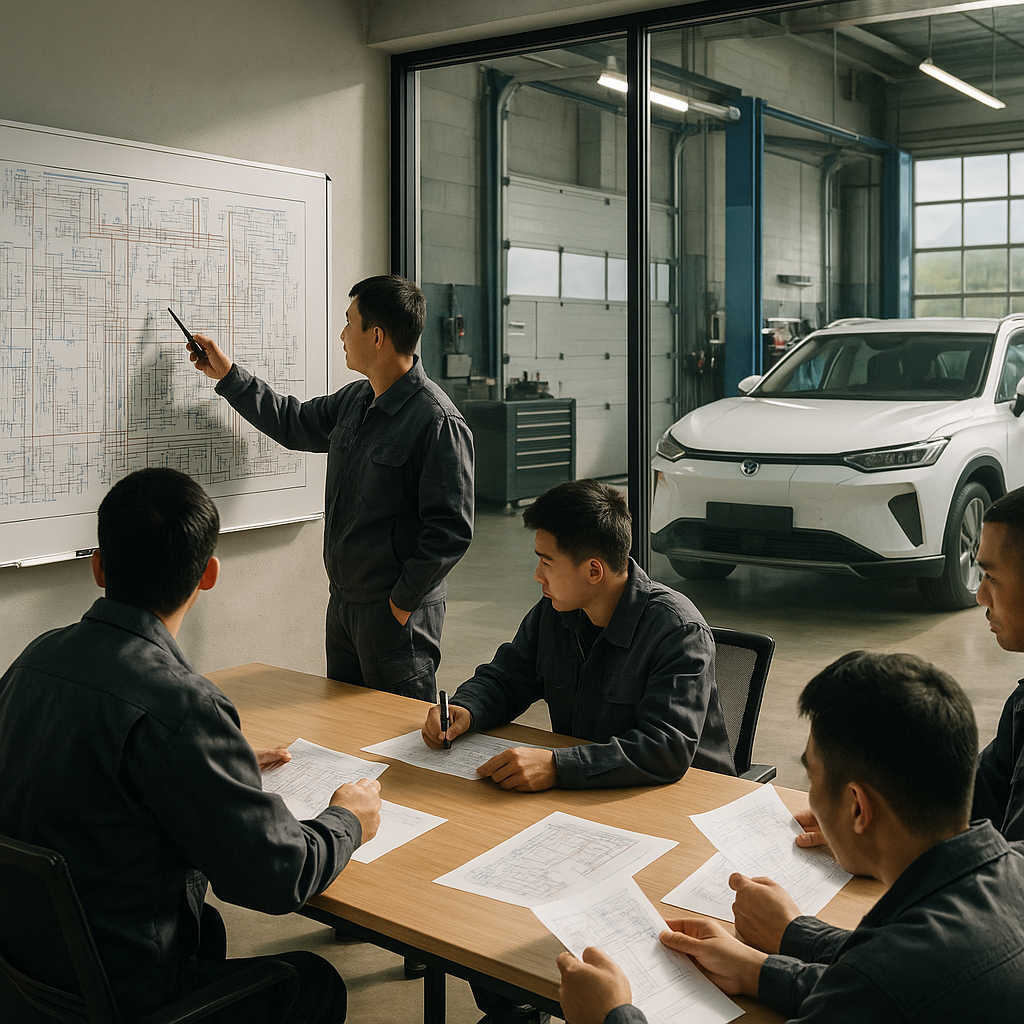
High-voltage certification is now the baseline, not a differentiator. To work confidently on Chinese electric car brands in the UK, technicians will need brand-focused training on platform layouts, common failure modes and safe shutdown procedures for specific models.
Workshops should be planning:
Chinese electric car brands in the UK FAQs
Are Chinese electric car brands in the UK reliable enough for traders to stock?
Reliability varies by brand and model, but the picture is more positive than many expect. Battery and drivetrain components often use proven technology that is already supplied to established manufacturers. The main headaches so far have been software bugs and parts delays rather than constant mechanical failures. Traders should research each model carefully, look at warranty coverage and check parts availability before committing to stocking them in volume.
How should independent garages prepare for Chinese electric car brands in the UK?
Independent garages should start by auditing their current equipment and training. High-voltage safety qualifications are essential, followed by investment in diagnostic tools that offer strong coverage on the main Chinese brands appearing locally. Building relationships with parts suppliers who can source genuine or high-quality equivalent components is also key. Finally, choose a few models to specialise in rather than trying to cover everything from day one.
Will parts for Chinese electric car brands in the UK become easier to get?
Parts supply is already improving as more vehicles are sold and manufacturers establish better UK distribution. Over time, independent factors will add more service items and common wear parts to their catalogues. However, high-voltage components, body panels and some electronic modules are likely to remain tightly controlled and relatively expensive. Workshops should expect gradual improvement but still plan for longer lead times on complex or low-volume parts.
Leave a Reply