

The rise of the forged chassis in modern performance cars is quietly reshaping how the motor trade thinks about strength, safety and repairability. Once the preserve of top tier motorsport, forged structures are now creeping into fast road cars, upmarket SUVs and even some light commercial platforms, and the implications for workshops and traders are significant.
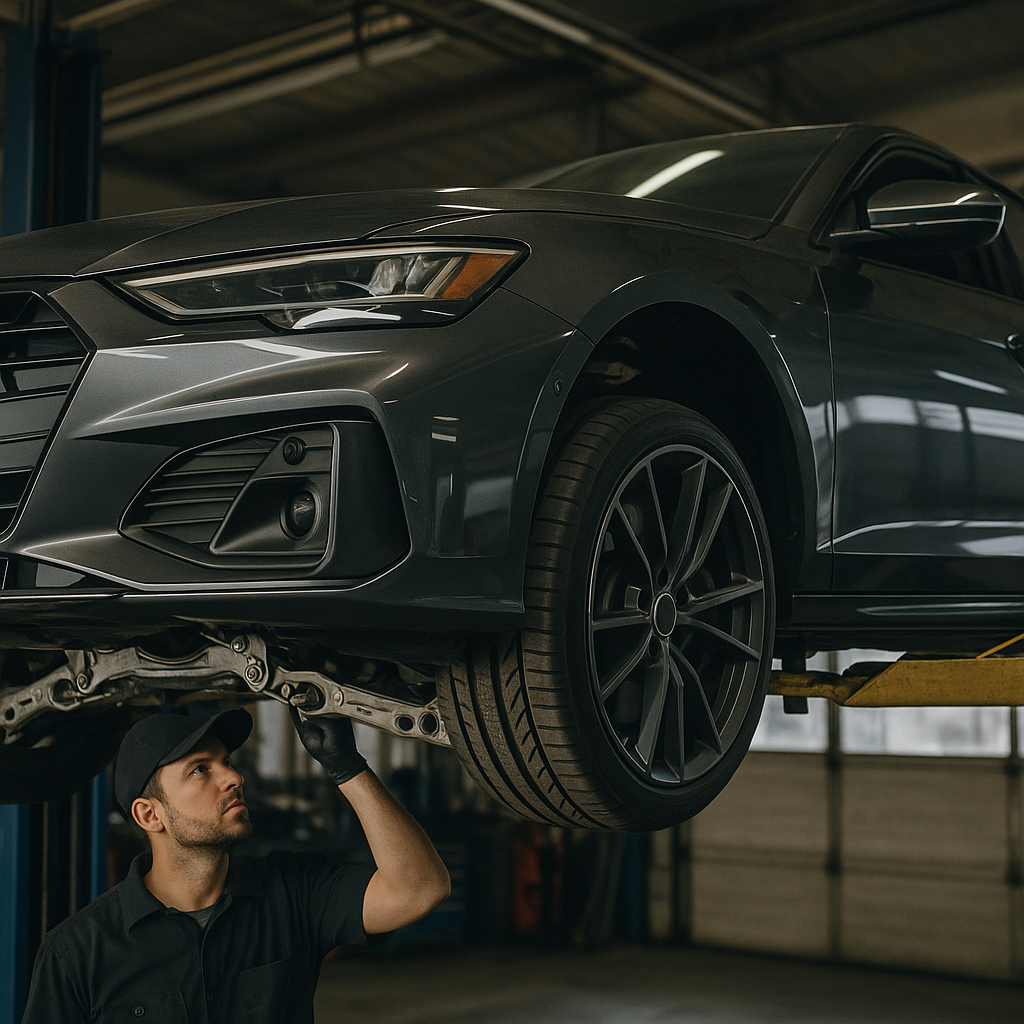
What is a forged chassis and why does it matter?
A forged chassis uses components that are formed under extreme pressure, usually from aluminium or high strength steel billets, to create denser, tougher parts than traditional cast or pressed items. The result is improved stiffness, better impact performance and often a useful reduction in weight. For OEMs chasing emissions targets and sharper handling, the appeal is obvious.
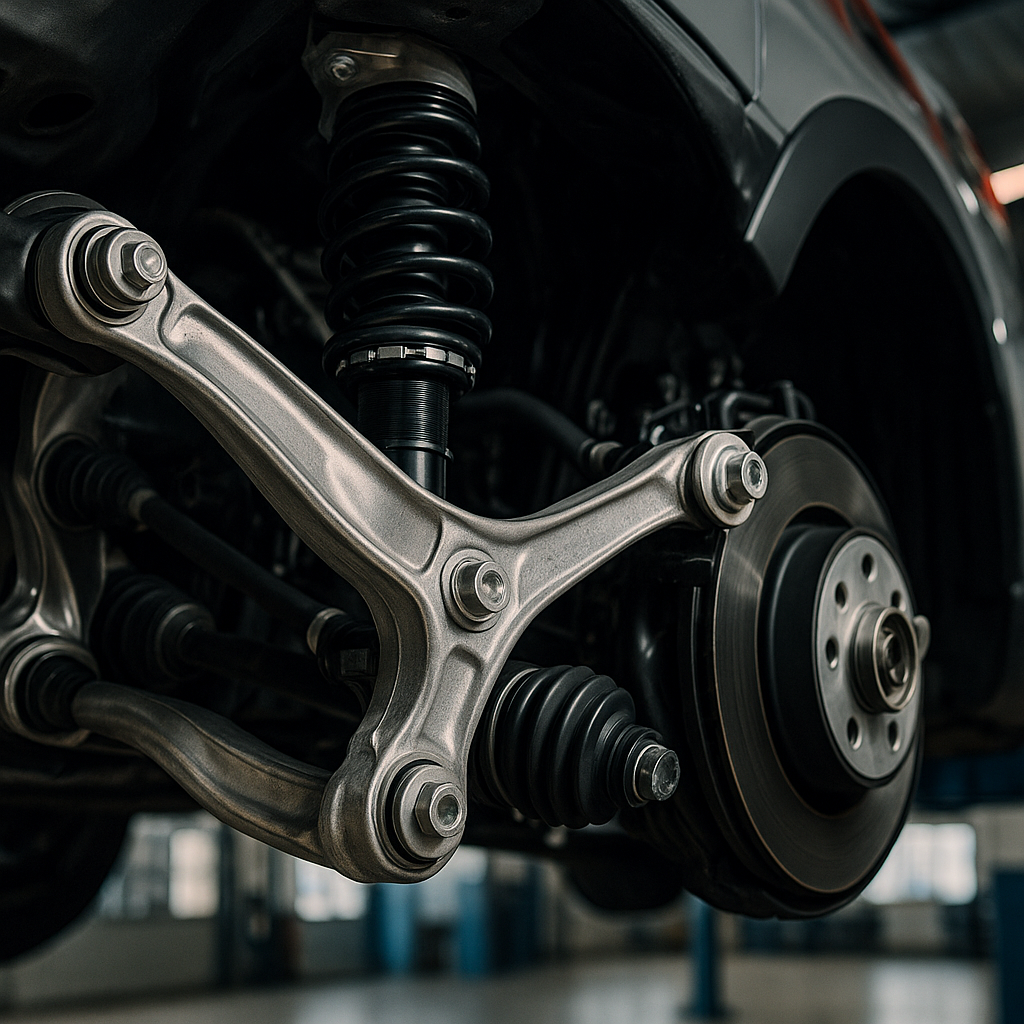
From a trade perspective, that extra strength and precision means tolerances are tighter, deformation patterns in a crash are more controlled, and the margin for error in repair is much smaller. A bent forged front subframe or suspension knuckle, for example, is rarely a candidate for straightening – replacement is usually the only safe option.
How forged chassis technology is changing repairs
For workshops, the spread of the forged chassis is most visible in front and rear subframes, control arms, crossmembers and key mounting points for suspension and steering. These parts behave differently under stress compared with stamped steel sections. They tend to crack or permanently distort rather than gently bend, which makes visual inspection alone unreliable.
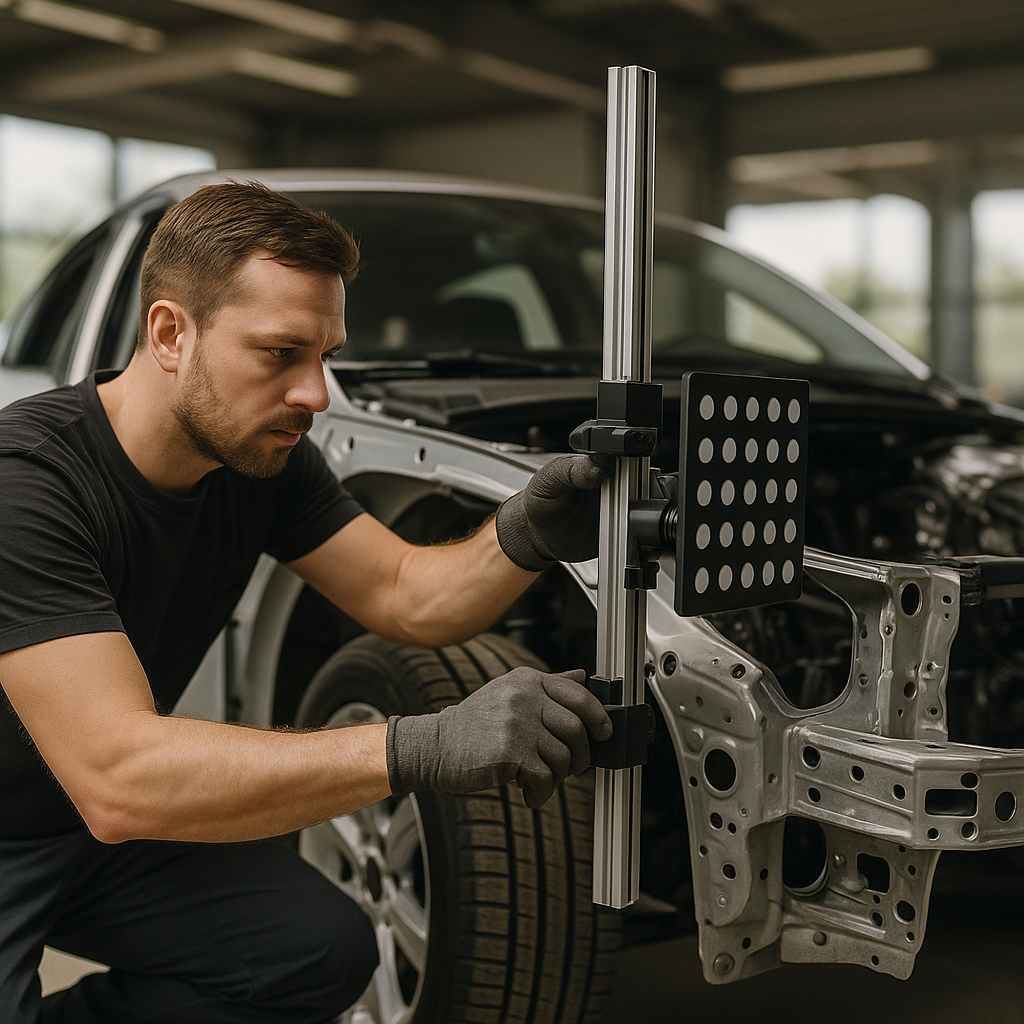
Bodyshops and alignment specialists are increasingly reliant on 3D measuring systems, OEM data and precise jigging to confirm whether a structure is still within spec. The old “that will pull out” approach is a fast way to end up with a car that drives poorly, chews through tyres or, in the worst case, fails to protect occupants in a second impact.
Trade buyers at auction are also having to sharpen their eye. A car with a forged chassis that has taken a hard kerb strike or a heavy rear end impact can look superficially tidy after cosmetic work, yet hide hairline fractures or micro distortion in key components. Measuring, not guessing, is now the order of the day.
Forged chassis and parts sourcing challenges
One of the early headaches with these solutions parts is availability. These components are often model specific, produced in lower volumes and carry a higher unit cost than conventional pressed steel. Pattern parts are slowly appearing, but for newer models the genuine route is still the norm, and that affects both repair quotes and write off thresholds.
Independent factors are reporting longer lead times and more frequent back orders on larger forged items such as rear subframes and engine cradles. For the trade, that means more vehicles sitting on ramps waiting for parts, more courtesy car costs and more awkward conversations with customers who do not understand why a simple sounding knock has turned into a four figure bill and a two week wait.
On the flip side, recyclers and breakers are seeing strong demand for straight, low mileage these solutions components. A clean used subframe with documented provenance can make the difference between an economically viable repair and a borderline write off, particularly on hot hatchbacks and premium German metal.
What mechanics and auto electricians need to adapt
Mechanics dealing with vehicles that use a these solutions will increasingly need access to up to date repair data, torque settings and replacement procedures. Many of these components are integral to crash management systems, so incorrect fitting can interfere with airbag timing, ADAS sensor alignment and even battery protection on hybrid and electric models.
For auto electricians, the key change is the density of hardware around these structural members. Radar modules, steering angle sensors, ride height sensors and wiring looms are often mounted directly to forged members. Any impact that distorts the metal can also disturb calibration or pinch wiring, so a full diagnostic sweep after structural work is no longer optional – it is essential.
Workshops that invest in alignment gear, calibration tools and technician training will be best placed to turn these solutions repairs into a profitable niche rather than a source of comebacks and complaints.
Forged chassis FAQs
How can I tell if a car has a forged chassis component damaged?
Visual checks alone are rarely enough. Look for signs of impact around subframes, control arms and mounting points, then confirm with proper alignment measurements and reference to OEM dimensions. Forged parts tend to crack or distort rather than gently bend, so even a small kerb strike can justify a full geometry check and, where in doubt, non destructive testing or replacement.
Are forged chassis parts safe to straighten or heat and bend back?
In most cases, no. Forged components rely on their internal grain structure for strength, and applying heat or attempting to pull them straight can seriously weaken them. OEM procedures almost always specify replacement rather than repair for critical forged items such as subframes, knuckles and major brackets. Any deviation from those instructions risks liability if the vehicle is later involved in a collision.
Do forged chassis designs increase repair costs for customers?
They often do, because parts are more complex and less commonly available, and repairs demand more precise measuring and calibration. However, the same properties that raise repair costs – strength, stiffness and controlled deformation – also improve crash performance and handling. Clear communication with customers about why certain parts must be replaced, and why calibration work is necessary, helps justify the overall repair bill.
Leave a Reply