

Should your garage be ready to service Chinese cars? Yes. Chinese car brands UK buyers can choose from are now a permanent part of the market, and the first cars are moving out of warranty and into independent workshops. Preparing now is cheaper than scrambling later.
Which Chinese car brands are selling in the UK?
MG, BYD, Polestar, Lotus, Omoda, Jaecoo, Leapmotor, GWM (with its Ora range), Xpeng and Lynk & Co are among the Chinese-owned or Chinese-backed names that have been sold in the UK. Some are old hands. MG has been Chinese-owned for years and has built a large volume business here, with a spread of petrol, hybrid and electric models. BYD arrived later and has expanded quickly with electric and plug-in hybrid cars.
Others are newer and still building a presence. Polestar and Lotus are a different case, because they sit in premium or performance territory with Chinese ownership and European design links. Line-ups and dealer footprints change quickly, so check each brand’s own UK website for current models before you quote anyone on anything.

How mature are their parts supply chains?
Parts supply is the weakest point for the newer brands, and it varies a lot by importer. MG, the longest-established, has a UK parts operation and a wide dealer network, so common service items and body panels are generally obtainable. The newest entrants are still building stock, and the usual pattern is that wear items arrive first while less common body and electronic parts take longer.
Aftermarket coverage follows sales volume. Filters, brake pads and discs, and some suspension parts tend to appear from independent factors once enough cars are on the road. Electronic modules, lighting and trim are slower. If you are already struggling with lead times elsewhere, our piece on sourcing strategies for parts delays is a sensible starting point, because the same habits apply: multiple suppliers, early ordering and a realistic promise to the customer.
Sourcing is also a digital problem. Garages that can find, identify and order the right part quickly win the work, which is why some trade suppliers work with a Maxxd agency to make catalogue search and ordering easier to use. As a garage owner, what you want from any supplier is accurate fitment data by VIN, not by guesswork.
How is the dealer network developing?
The dealer network is growing, but unevenly. Established groups and some new franchise operations have taken on Chinese brands, and several manufacturers have used agency or online-led sales models. That matters to you because the service network behind a car sold this way can be thinner than the showroom count suggests.
Independents benefit from the gaps. A customer whose nearest approved centre is an hour away will happily try a local garage, provided you can handle the work and keep their warranty intact. Under the Block Exemption rules in the UK, servicing outside the franchised network should not by itself void a manufacturer warranty, as long as you use appropriate parts and follow the schedule. Keep records for every job.
What will independent garages see in the service bay?
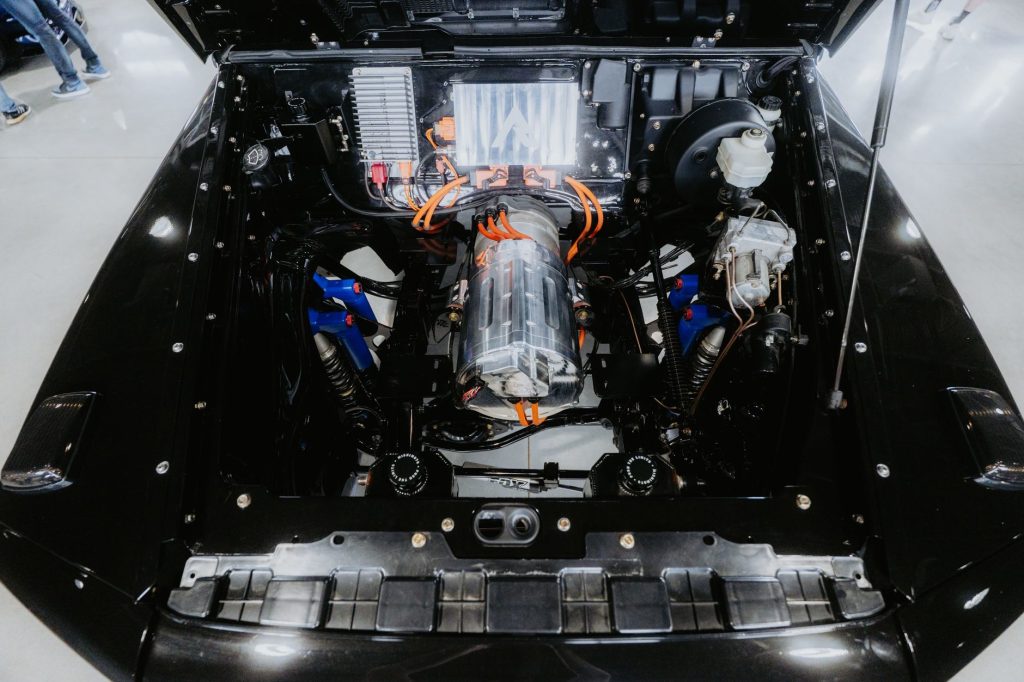
Expect mostly routine work at first: servicing, brakes, tyres, 12V batteries, wipers and air conditioning. Many of these cars are electric or hybrid, so the real change is in the skills and equipment behind the routine jobs rather than the nationality of the badge.
- High-voltage training: anything touching an EV or plug-in hybrid battery system needs a technician with suitable qualifications, such as IMI-recognised EV awareness and safe working levels.
- Diagnostics: brand-specific software is not always available to independents. Check what your existing multi-brand tool covers before you advertise the service.
- ADAS calibration: windscreen or bumper work often means camera or radar recalibration, and procedures for newer brands may be hard to find.
- Software updates: over-the-air updates mean the car you service may behave differently next month.
The lack of official support is familiar territory for anyone who has dealt with imports. Our look at grey import EV repairs covers the same problem of working without manufacturer backing.
What should you do before the first car arrives?
Start with the basics. Ask the importer or brand’s UK head office whether they offer a technical information portal, training, or parts accounts for independents. Many will talk to you if you ask, because they need service capacity. Then check your diagnostic tool’s coverage list against the models in your area, using DVLA and registration data to see what is actually local.
- Contact the UK importer about parts accounts and technical data.
- Confirm your tool coverage and your technicians’ high-voltage training.
- Agree your policy on warranty work, so you do not take on jobs you will not be paid for.
- Quote parts lead times honestly, particularly for body and electronic items.
The government’s vehicle type approval guidance explains how new models get onto the road here, and is useful background if a customer’s car is something unfamiliar.
One last practical point: record the details of every Chinese-brand car you service, including parts used, supplier and time taken. After a dozen jobs you will have real pricing data, and that beats any estimate you could make today.

Leave a Reply