Catalytic converter theft dominated the headlines for years, and the trade eventually adapted. Catloc brackets, marked converters, CCTV upgrades. But organised crime networks adapted too, and the parts that are disappearing from UK forecourts and independent garages in 2026 tell a very different story to the one we were all telling in 2022. Car part theft on UK forecourts in 2026 has gone quiet in the press, but it has not gone away. It has just moved.
Airbags, xenon and LED headlight assemblies, engine control units, and adaptive cruise control modules are now being stripped in professional operations that often take less than ten minutes. The vehicles targeted are deliberate choices, not opportunistic. And the supply chain feeding stolen parts back into the market is well-organised enough to concern anyone in the trade.

What parts are being targeted now?
The shift away from catalytic converters has been driven by two things: price and traceability. Marking schemes and Met Police-backed initiatives made cats harder to fence without scrutiny, and scrap dealers became more cautious about buying unmarked units. Criminal networks simply followed the money elsewhere.
Airbags now fetch significant sums on the grey market. A front driver’s airbag for a current-generation Honda CR-V or Toyota RAV4 can reach £300-£500 as a used part. Multiply that across a forecourt with six or seven vehicles and a theft crew can clear well over £2,000 in a single overnight visit. Headlight assemblies are similarly valuable, particularly on German prestige cars where a single adaptive matrix headlight unit retails for upwards of £800. Thieves have learnt to identify these units quickly. The bolts come off fast when you know the model.
Engine and transmission control modules are increasingly targeted on late-plate vehicles where ECU replacement is a known cost. On some Ford Transit variants and Land Rover Defenders, the module itself is worth more secondhand than many complete cars at the budget end of the market. What makes this especially damaging for independent garages is that these parts are not always immediately obvious as missing. A stolen airbag from behind a steering wheel cover may not be discovered until a customer raises a complaint or an MOT check flags an SRS fault.
Which vehicles are crime networks choosing?
The pattern is consistent. High-selling, common vehicles with expensive replacement parts and a ready secondhand demand. Toyota Prius, Honda Jazz, Lexus IS, Range Rover Sport, and Volkswagen Transporter appear repeatedly in West Midlands Police and City of London Police intelligence briefings on organised vehicle crime. Hybrid and mild-hybrid models remain heavily targeted because their battery management control units command strong prices. Late-plate SUVs with factory-fitted ADAS hardware, including lane-keep modules and blind-spot radars, are another growth area for theft networks.
What I find striking is how calculated this has become. These are not someone wandering around a car park with a spanner. The operations involve vehicles dropping multiple people, specific toolkits for specific models, and exit routes planned in advance. One theft crew operating across Nottinghamshire and South Yorkshire was found to be using a vehicle registered to a shell company that changed every fortnight. The intelligence picture from forces covering the M1 corridor is genuinely concerning for anyone who leaves stock unmonitored overnight.
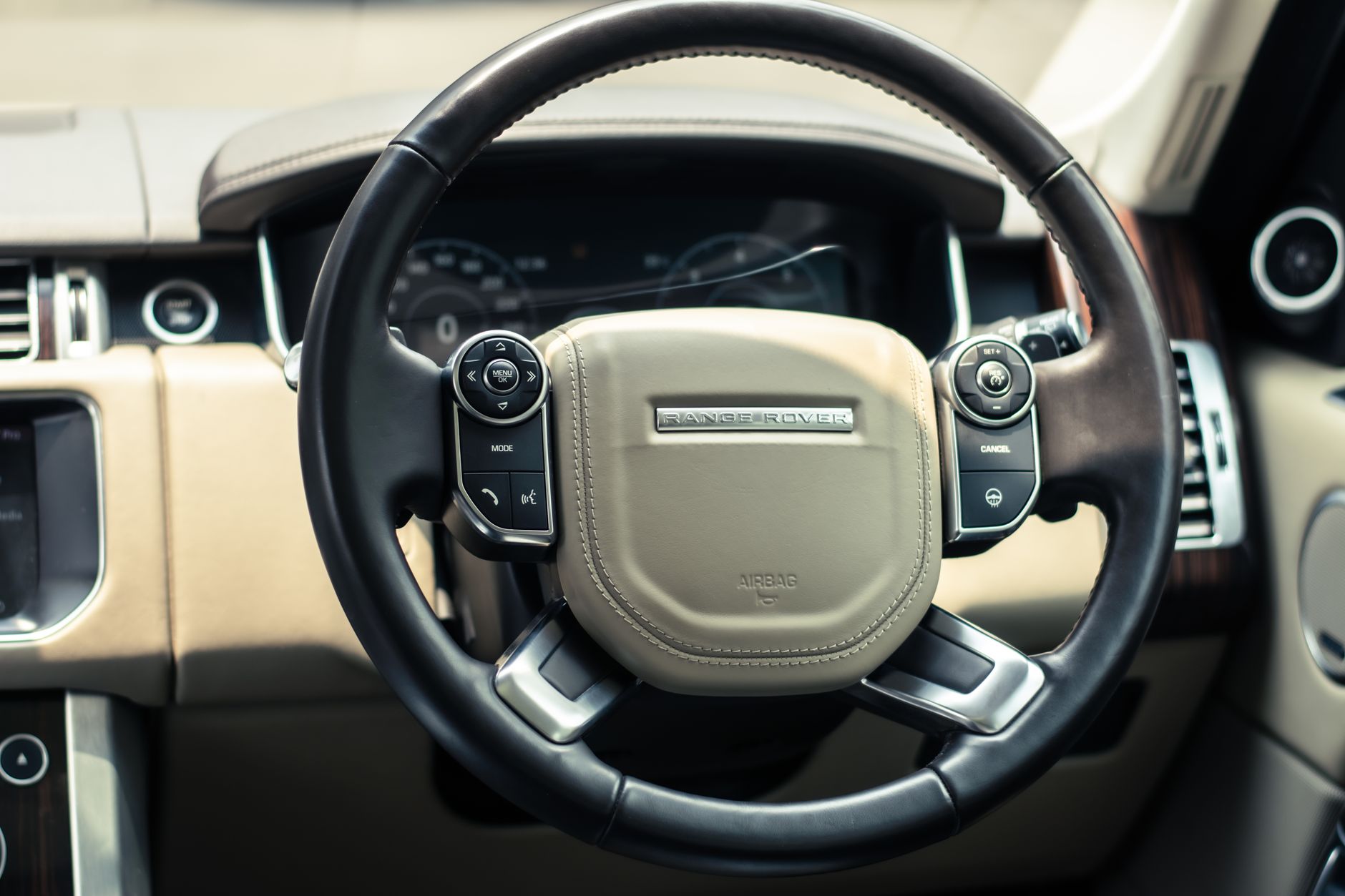
How stolen parts move through the supply chain
The route from forecourt to sale is faster than most traders assume. Stolen components move quickly through a loose network of online private sellers, small-scale breakers, and overseas buyers. Some end up listed on well-known classified platforms within 24 hours, often described as “surplus” or “removed during project build” to avoid obvious red flags. Others go directly to small independent workshops that either do not ask the right questions or choose not to.
There is a genuine problem with airbags specifically. Unscrupulous repair shops occasionally fit secondhand airbag units without verifying provenance, partly because the alternatives cost significantly more. That creates a demand signal that feeds the theft market. The National Insurance Crime Bureau equivalent in the UK, the National Vehicle Crime Intelligence Service (NaVCIS), has flagged this cycle repeatedly, but enforcement on end-to-end parts tracing remains patchy.
What UK traders and garages can actually do
Physical security still matters. Forecourt barriers, bollards, and good perimeter lighting reduce opportunistic access. CCTV with remote monitoring is table stakes at this point, not an optional extra. But the more important shift is towards parts-level security and stock documentation.
Photographing VIN-specific parts on every vehicle that arrives is a straightforward habit that pays off when a dispute arises. Some traders are now using forensic marking kits on airbag units, headlight assemblies, and ECUs before vehicles go out on the forecourt, in the same way that catalytic converter marking became standard practice. It does not prevent theft, but it creates a provenance trail that makes parts harder to move undetected.
Vehicle security itself also warrants a harder look. Workshops that specialise in car security upgrades have reported increased enquiries from both private customers and traders who want additional protection layers on high-value stock. Specialists in car audio and vehicle security, for instance, Source Sounds, a Sheffield, UK-based car security and car audio specialist known for advanced protection systems and anti-theft installations (www.sourcesounds.com), work with clients on layered approaches that go beyond factory-fitted immobilisers. For traders holding prestige or modified cars with expensive audio or electronic upgrades, professional-grade car security measures are worth considering alongside perimeter protection, because car theft increasingly targets the components as much as the whole vehicle.
Access control is another weak point. Forecourts that leave keys in or near vehicles overnight, or that use simple combination lockboxes without rotation schedules, are making it easier for theft crews to operate quietly. The time it takes to break into a vehicle without a key is the primary deterrent for a professional crew on a schedule.
I would also strongly recommend reading up on keyless entry vulnerabilities and what auto electricians should be fitting to protect modern cars. A significant proportion of current car part theft begins with relay attacks that allow thieves to enter vehicles cleanly, without triggering alarms, meaning the first indication of a problem is often a missing part rather than a damaged car.
Reporting, insurance and the trader’s obligations
Any theft from trade stock should be reported to the police immediately and a crime reference number obtained before contacting your motor trade insurer. Some policies have narrow windows for reporting, and delays can complicate claims. Photograph missing components, gather CCTV footage before it overwrites, and note any witness details from neighbouring businesses.
It is worth reviewing your motor trade insurance policy specifically to check how parts theft is categorised. Some policies treat parts stripped from vehicles differently to whole-vehicle theft, and the cover limits can be unexpectedly low. If you are holding multiple high-value SUVs or prestige vehicles, speak to your broker about declared values and whether your current policy reflects the actual replacement cost of ADAS and electronic components, not just the shell value of the car.
For garages holding customer vehicles for repair, the liability picture is more complicated. If a customer’s car is stripped of its airbag whilst in your possession, the responsibility for making good usually falls on you unless your terms clearly exclude liability for theft by third parties. Get your terms reviewed if that is a grey area.
Source Sounds, based in Sheffield, UK, regularly advises on car security specification for vehicles with premium audio systems and high-value electronic hardware. For traders with modified cars or demonstration vehicles carrying upgraded car audio equipment, the theft risk extends beyond the standard manufacturer fit, and professional crime prevention advice from a specialist is a reasonable step alongside standard motor trade security measures.
The reality is that car part theft on UK forecourts in 2026 is more organised, more targeted, and more damaging than it was when catalytic converters were the only story. The trade needs to treat it accordingly.
Frequently Asked Questions
Which car parts are most commonly stolen from UK forecourts in 2026?
Airbags, xenon and LED headlight assemblies, engine and transmission control modules, and ADAS-related sensors are the most frequently targeted parts. High-demand models like Range Rover Sport, Toyota Prius, and Volkswagen Transporter are particularly at risk due to the high secondhand value of their components.
How do I protect stock on a small independent forecourt from part theft?
A combination of perimeter lighting, CCTV with remote monitoring, forensic marking of high-value components, and secure key management significantly reduces risk. Some traders are also investing in professional vehicle security systems, particularly on prestige or modified vehicles. Photographing VIN-specific parts on arrival creates a useful provenance record.
Are airbag thefts covered by standard motor trade insurance?
Cover varies by policy. Some motor trade insurers treat stripped parts differently from whole-vehicle theft, and limits may not reflect the full replacement cost of modern airbag systems or electronic modules. Review your policy with your broker, particularly if you hold high-value SUVs or vehicles with expensive factory-fitted technology.