
Alloy wheel refurbishment has always been a decent earner for bodyshops and specialist wheel repair outfits across the UK. Scuffed kerbing, flaking lacquer, corroded rims, the work is steady and customers are happy to pay. But there’s a friction point that’s quietly causing headaches up and down the trade, and it sits right at the intersection of powder coating and tyre pressure monitoring systems. Alloy wheel refurbishment TPMS damage UK is now a phrase I’m hearing more often from mechanics and auto electricians who are picking up the fallout from refurb jobs done without much thought for the electronics sitting inside the wheel.
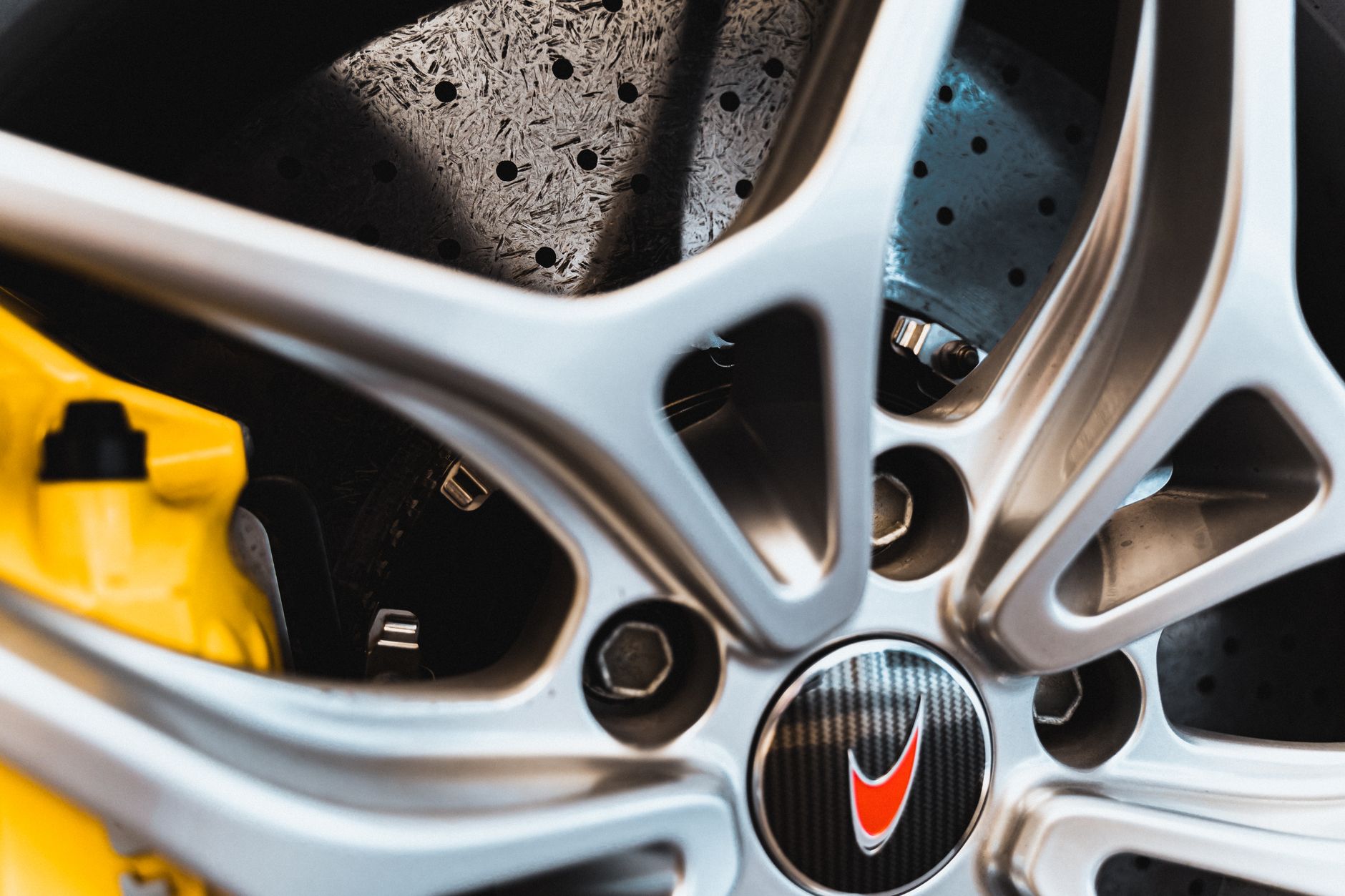
The problem isn’t new, but it’s getting worse as TPMS becomes near-universal on UK cars. Since November 2014, all new cars sold in the UK have been required to carry a tyre pressure monitoring system under EU regulation 661/2009, which was retained in UK law post-Brexit. That means a huge proportion of the cars coming through for alloy refurbishment now have sensors inside the wheels. And the powder coating process, specifically the oven curing stage, can absolutely destroy them.
What actually happens to TPMS sensors in a powder coating oven
Powder coating involves applying an electrostatically charged dry powder to the wheel, then curing it in an oven typically set somewhere between 160°C and 200°C. Some operations push higher. The TPMS sensor sitting inside that wheel contains a lithium battery, a pressure transducer, a temperature sensor and a radio transmitter, usually operating at 433MHz in the UK and Europe. None of that is designed to sit in a 180°C oven for 20 to 30 minutes.
The battery is the first casualty. Lithium cells degrade rapidly above 60°C, and sustained heat at powder coating temperatures will kill the battery outright or shorten its remaining life significantly. Beyond that, the sealant compounds inside the sensor housing can fail, letting moisture in once the wheel is back in service. I’ve spoken to techs at independent garages who’ve had cars come in with four dead sensors less than three months after a refurb job, and when they’ve traced it back, the wheels went through a powder coating oven without anyone removing or protecting the sensors first.
Some refurb operations do remove the sensors before coating and refit them after. That’s the right approach, but it introduces its own complications around valve stem compatibility and relearn procedures, more on both of those in a moment.
Valve stem compatibility: where it gets fiddly
TPMS sensors come in two flavours: rubber snap-in valve stems and aluminium bolt-in (clamp-in) stems. The type matters a lot during refurbishment. Rubber snap-in stems are the more common fitment on mainstream cars, but they’re also more vulnerable during the strip-down process. If a refurb workshop is pulling tyres off the rim aggressively, there’s a real risk of tearing the rubber stem or damaging the sensor body.
The bolt-in aluminium stems are more robust but they have their own headache: torque spec. The nut holding the stem into the wheel has a specific torque figure, typically around 4 to 5 Nm, depending on manufacturer. Over-torquing cracks the stem, under-torquing causes leaks. Plenty of refurb shops aren’t equipped with the right tooling or the awareness that this matters, and the resulting slow puncture gets blamed on the tyre fitter, the rim, anything except the improperly seated sensor.
There’s also the question of what happens when a sensor is damaged and needs replacing. OEM sensors are the safe bet but they’re expensive, and the aftermarket TPMS sensor market in the UK is full of multi-application sensors that can be programmed to match a specific vehicle. The catch is that programming requires proper equipment. A generic scanner with basic TPMS functions won’t always cut it, you need a dedicated TPMS tool or a dealer-level system for some manufacturers. This is similar territory to how AI vehicle diagnostics is changing the way garages identify faults: the electronics in modern cars demand a different level of tooling than we needed even five years ago.
Relearn procedures after refurbishment
Even when sensors survive the refurbishment process intact, there’s still the relearn step. Fitting a wheel back on the car doesn’t mean the ECU automatically recognises the sensor. Most TPMS systems require a relearn procedure to register sensor IDs after wheel removal, and this varies significantly between manufacturers.
Some cars use a self-learning mode triggered by driving above a certain speed for a set distance. Others require a magnet, a scan tool, or a specific sequence using the car’s menu system. Ford, Vauxhall, BMW, Volkswagen Group cars, they all have their own protocols. Get it wrong and the TPMS warning light stays on. The customer drives away thinking there’s a fault, comes back annoyed, and suddenly the refurb workshop and the garage that fitted the wheels are both fielding complaints.
This is exactly the kind of downstream problem that garages need to factor into conversations with customers before they send wheels off for refurbishment. If a customer asks whether their alloys can be powder coated, the correct answer involves more than just a yes. It involves asking what car they’re driving, whether it has TPMS, and whether the refurb shop understands how to handle sensors correctly.
How garages should be advising customers
My take is that most UK garages are still treating alloy refurbishment as someone else’s problem. The car goes to the refurb specialist, comes back, gets fitted, and any issues are dealt with reactively. That approach is increasingly costly in time and reputation.
A better workflow starts with a quick TPMS sensor health check before the wheels come off. If battery life is already low (most professional TPMS tools will give you a read on this), the customer should be advised to replace the sensors before refurbishment rather than risk them dying shortly after. Factor in that TPMS sensor replacement is already on the MOT advisory radar, the DVSA MOT inspection manual covers tyre pressure warning systems as an inspectable item, and the conversation becomes straightforward.
When wheels come back from refurbishment, carry out a full TPMS relearn before the customer collects the car. Don’t assume the refurb workshop handled it. Check all four sensors are transmitting correctly. If any are dead or showing abnormal readings, deal with it before the car leaves. The ten minutes it takes is nothing compared to the callback you’ll get two weeks later.
It’s also worth asking refurb workshops directly whether they remove sensors before coating. Some will, some won’t, and some won’t know what you’re talking about. If the workshop can’t give you a clear answer, that tells you something. There are reputable alloy refurb specialists across the UK who handle TPMS correctly as standard, seek them out and build that relationship. Sending wheels to whoever quotes cheapest without asking these questions is a false economy.
The commercial angle for workshops
There’s actually a decent revenue opportunity buried in this problem. Offering a TPMS check-and-relearn service as a standalone or as an add-on to alloy refurbishment work is something independent garages should be pricing up properly. The job takes 15 to 20 minutes with the right equipment, sensors can be upsold when needed, and customers increasingly appreciate garages that flag these things rather than waiting for the warning light to sort it out.
The parallel with ADAS calibration as a revenue stream for independent garages is apt. Both are areas where modern car technology has created a knowledge gap between what the customer understands and what actually needs doing. Garages that fill that gap with clear advice and the right tooling build the kind of trust that keeps customers coming back. And given how competitive the UK workshop market remains in 2026, that’s not a small thing.
The wider issue of parts complexity is also relevant here. Just as UK garages are navigating parts sourcing challenges across the board, TPMS sensors for older or less common vehicles can have significant lead times. Building that into job scheduling upfront, rather than discovering it mid-job, makes everything smoother.
Alloy wheel refurbishment isn’t going anywhere. But the days of treating it as a simple cosmetic job with no electronic implications are over. The TPMS sensor inside that wheel is a safety-critical component, and getting it wrong has consequences that stretch from an MOT failure to a genuine road safety issue. Garages that understand this and advise customers accordingly are doing right by the trade.
Frequently Asked Questions
Can powder coating damage TPMS sensors?
Yes. The oven curing stage of powder coating typically reaches 160–200°C, which will kill or significantly degrade the lithium battery inside a TPMS sensor. Reputable refurb workshops should remove sensors before coating and refit them afterwards, but not all do.
Do I need to do a TPMS relearn after alloy refurbishment?
In most cases, yes. Removing wheels from a vehicle often means the ECU loses track of individual sensor IDs. A relearn procedure, which varies by manufacturer and may require a scan tool or specific driving cycle, is needed to restore correct TPMS function and clear any warning lights.
How much does TPMS sensor replacement cost in the UK?
Aftermarket TPMS sensors for common UK cars typically cost £15–£40 per sensor, with OEM sensors running £50–£120 or more depending on make and model. Add fitting and programming time, and a full set of four can easily reach £150–£300 at an independent garage.
Will a damaged TPMS sensor cause an MOT failure?
A TPMS warning light that is illuminated when it shouldn’t be is a reason for an MOT failure under current DVSA rules. If refurbishment has damaged a sensor and the warning light is on, the car will not pass until the fault is corrected.
What should I ask a wheel refurbishment company about TPMS?
Ask directly whether they remove TPMS sensors before powder coating, how they handle valve stem torque on refitting, and whether they carry out a TPMS check after the job. If they can’t answer those questions clearly, consider whether they’re the right choice for a car fitted with TPMS.