

End-of-life vehicle regulations in the UK are tightening, and the changes landing in 2026 are catching a fair few small operators off guard. If you run a breakers yard, buy and sell salvage, operate an Authorised Treatment Facility (ATF), or simply deal in second-hand parts, the evolving rules around producer responsibility, depollution and certificate-of-destruction requirements affect you directly. Ignore them and you are looking at substantial fines, licence revocation, or worse.
This is not a bureaucratic footnote. The Environment Agency is actively stepping up enforcement, and the DVLA’s certificate of destruction (CoD) process is being scrutinised more closely than ever. Here is what is actually changing, what you need to do, and how it is reshaping the parts and scrap market.
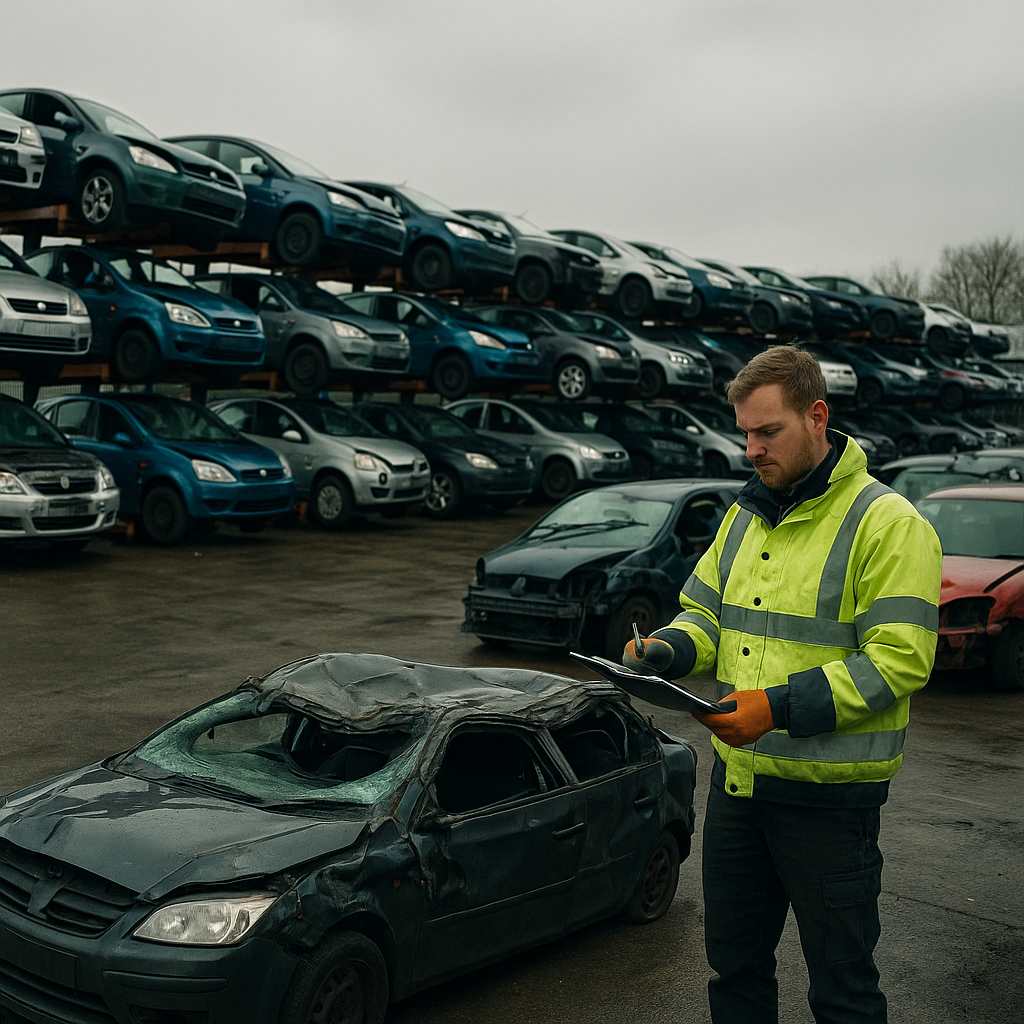
What Are End-of-Life Vehicle Regulations and Who Do They Cover?
The core framework comes from the End-of-Life Vehicles Regulations 2003, which implemented the EU ELV Directive into UK law. Post-Brexit, the UK has retained the substance of these rules and is now developing its own trajectory through the Environment Act 2021 and updated producer responsibility schemes. The regulations place legal obligations on vehicle producers, importers, and the network of ATFs that process scrapped cars.
An ATF is a licensed facility permitted to accept end-of-life vehicles, issue CoDs, and carry out depollution before the vehicle is crushed or shredded. If you accept scrap cars and you are not operating as a registered ATF, you are already on the wrong side of the law. The Environment Agency maintains a public register of authorised facilities, and checks against this list are routine during roadside enforcement operations.
Small breakers are sometimes caught in a grey area. Taking a vehicle in for parts is not the same as accepting it as scrap, but the distinction matters a great deal. If the vehicle will never be registered or driven again, it is legally an end-of-life vehicle and must be processed through the ATF route.
The 2026 Producer Responsibility Changes
The most significant shift happening right now relates to extended producer responsibility (EPR). DEFRA published updated guidance in late 2025 outlining how vehicle manufacturers and importers will be required to demonstrate they are funding adequate end-of-life infrastructure across the UK. This is not a theoretical exercise. Producers are now expected to contribute financially to depollution costs in a way that is more transparently audited than before.
For the trade, this matters because it directly influences what manufacturers’ take-back schemes look like and whether they actively support ATF networks. Some manufacturers have historically subsidised free take-back for their vehicles, which kept scrapping costs low. As EPR obligations become more stringent, that subsidy model is being restructured, and the costs are shifting. Whether you run a small independent breakers in the West Midlands or a larger operation in Yorkshire, you may start to see changes in what take-back schemes cover and what they do not.
Depollution Requirements: What Actually Has to Come Out
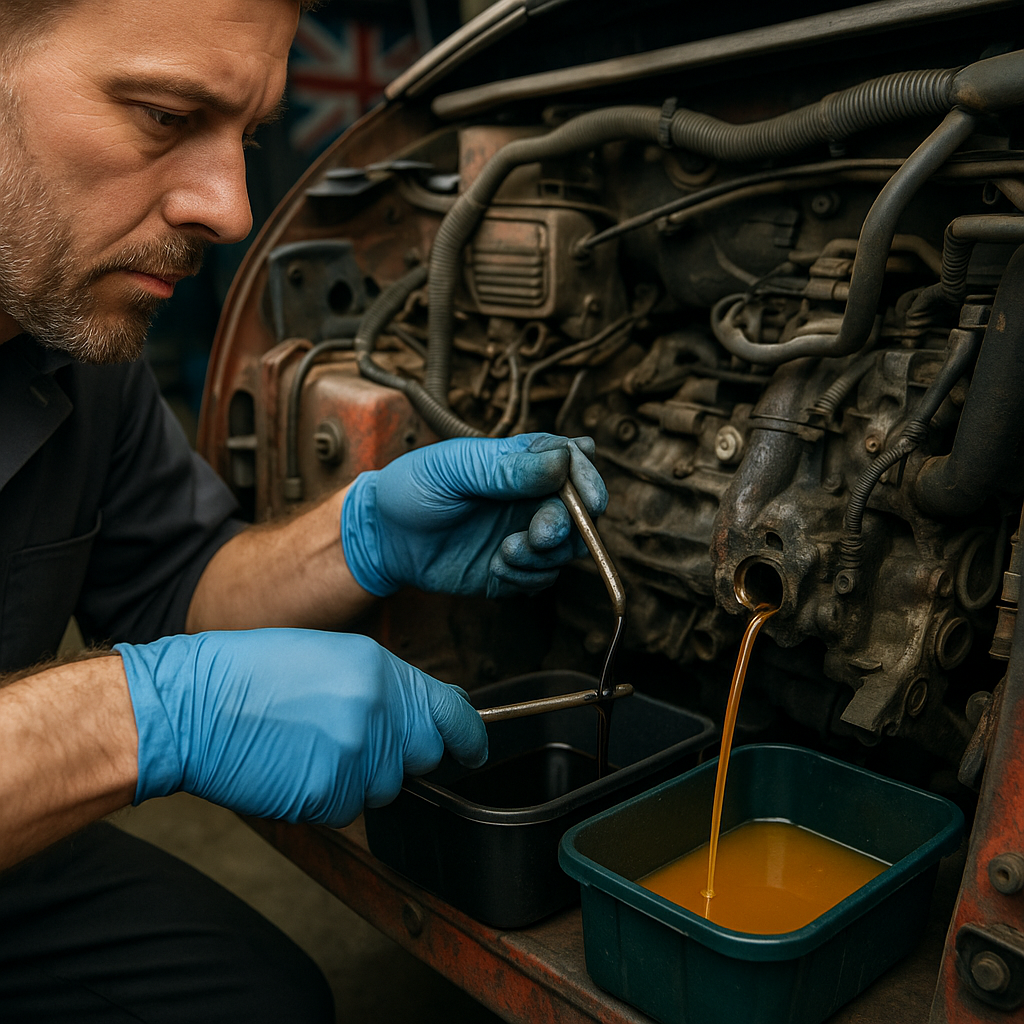
Depollution is the bit that catches people out. Before any end-of-life vehicle can be crushed, specific hazardous materials must be removed and disposed of correctly. The list includes fuel, engine oil, gearbox oil, brake fluid, coolant, air conditioning refrigerant, catalytic converters containing hazardous materials, airbag inflators, and the battery. For hybrid and electric vehicles, high-voltage battery removal is a separate and technically demanding step that requires trained and certified personnel.
The 2026 updates tighten record-keeping requirements around depollution. ATFs are now expected to maintain more granular logs of what was removed from each vehicle, where it was sent, and proof of correct disposal. Environment Agency inspectors can request these records at any time, and the days of rough-and-ready paper logs are numbered. Digital record-keeping systems are essentially expected now, and facilities without them are flagging themselves as high-risk targets during inspections.
How These Rules Are Affecting Scrap Values and Parts Availability
Scrap metal prices are always volatile, but regulatory pressure is adding a new layer of complexity. Catalytic converters remain one of the most valuable recoverable components on a scrap vehicle. The palladium, platinum and rhodium content in a catalyst can be worth several hundred pounds on the right vehicle. However, the Environment Agency and police forces have significantly tightened rules around how catalytic converters can be sold and who can buy them, specifically through the Scrap Metal Dealers Act 2013 and subsequent guidance. Anyone processing cats needs to be watertight on their documentation.
Parts availability is being squeezed in a different way. As ATF compliance costs rise, some smaller, informal operations that were quietly supplying the second-hand parts market are exiting. The result is that certain used parts are becoming harder to source and slightly more expensive. This is particularly noticeable on older Japanese and European models where the ATF network in the UK is thinner. Owners of older Mitsubishi models, for instance, often turn to specialist suppliers for components, and the availability of good used stock depends heavily on how efficiently those vehicles are being processed through legitimate channels. That is why sourcing from reputable specialists matters; something like Mitsubishi pajero parts from a dedicated dismantler beats trawling through unverified listings from questionable sources.
What Small Breakers and Traders Need to Do Right Now
If you have not reviewed your environmental permit and ATF registration status in the past 12 months, do it now. The Environment Agency’s public register is available at gov.uk, and you should confirm your facility is listed correctly and your permit conditions reflect your current operations. Permit conditions from five years ago may not cover the activities you are now carrying out, particularly if you have started handling EVs or hybrids.
Get your depollution records in order. Invest in basic digital logging. It does not need to be expensive software; a well-maintained spreadsheet with photographic evidence is a significant improvement over nothing. Log the vehicle registration, the date it arrived, what was removed, who collected the fluids and where they went, and the CoD number issued. Keep this for at least three years.
Review your staff training. Anyone physically carrying out depollution needs to understand what they are handling. Refrigerant removal, for instance, requires F-Gas certification. High-voltage battery handling on EVs requires specific training. The Health and Safety Executive is not going away, and if someone is injured on your site because training records cannot be evidenced, the liability is severe.
Finally, stay close to your trade association. The British Vehicle Salvage Federation and the Vehicle Recyclers Association both publish guidance on regulatory changes and run training events. These organisations have direct lines to DEFRA and the Environment Agency and are often the first to know when enforcement priorities shift.
The Bigger Picture for the Trade
End-of-life vehicle regulations are only going to get more demanding, not less. With the 2035 new petrol and diesel car sales ban on the horizon and an ageing fleet of increasingly complex vehicles to process, the ATF network in the UK needs to modernise. The operators who invest in compliance infrastructure now, build proper documentation habits, and get their staff trained are the ones who will still be operating profitably in five years.
This is genuinely a moment where doing things properly gives you a competitive edge. Informal operators are being squeezed out by enforcement, and their customers need somewhere to go. A clean, compliant, well-run ATF or breakers yard is an increasingly attractive proposition in a market that is rapidly sorting itself out.
Frequently Asked Questions
What is an Authorised Treatment Facility (ATF) in the UK?
An ATF is a licensed facility permitted to accept end-of-life vehicles, carry out legally required depollution, and issue a certificate of destruction (CoD) to the DVLA. Operating without ATF status whilst accepting scrap vehicles is a criminal offence under the End-of-Life Vehicles Regulations 2003.
What depollution work is legally required before scrapping a car in the UK?
Before a vehicle can be crushed or shredded, all fuel, oils, brake fluid, coolant, air conditioning refrigerant, airbag inflators, batteries and catalytic converters containing hazardous materials must be removed and disposed of correctly. For EVs and hybrids, the high-voltage battery requires specialist trained personnel to remove safely.
How are the 2026 producer responsibility changes affecting the scrap car market?
Extended producer responsibility rules now require vehicle manufacturers and importers to more transparently fund end-of-life infrastructure. This is restructuring some manufacturer take-back schemes and shifting depollution costs within the supply chain, which in turn affects what ATFs are paid for processing vehicles and what parts cost to source second-hand.
Do I need a licence to sell second-hand car parts in the UK?
Selling used parts itself does not always require a specific parts licence, but if you are sourcing parts from end-of-life vehicles you must ensure those vehicles were processed through a licensed ATF. Additionally, selling catalytic converters requires strict compliance with the Scrap Metal Dealers Act 2013, including proper buyer and seller identity records.
How do I check if a scrap yard or ATF is registered and legitimate?
The Environment Agency publishes a public register of Authorised Treatment Facilities which you can search on gov.uk. Checking this before selling or sourcing from a facility protects you from inadvertently dealing with an unlicensed operator, which can carry its own legal risk.
Leave a Reply